

Introduction
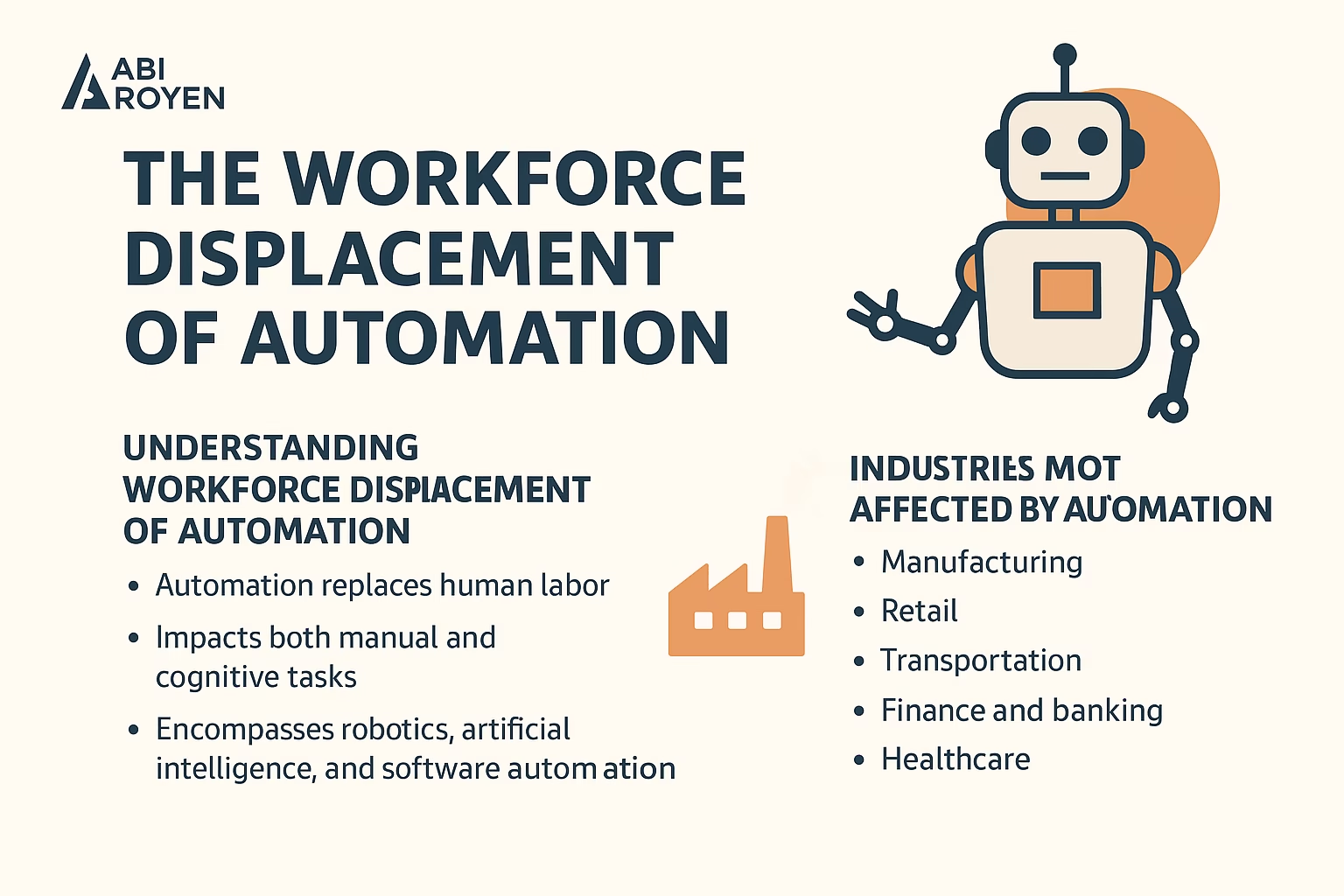
Automation has become one of the most transformative forces of the 21st century. From simple machines that replaced manual labor in factories to advanced artificial intelligence (AI) and robotics, automation continues to shape industries worldwide. It reduces repetitive work, increases productivity, and allows businesses to operate more efficiently. With the rise of Industry 4.0, auto-mation is no longer limited to manufacturing; it now extends to logistics, healthcare, agriculture, and even finance.
In this article, we will explore what auto-mation means, its applications in different sectors, the benefits it brings, the challenges it poses, and the future trends that will define automated systems in the coming decades.
What is Automation?
Automation refers to the use of technology to perform tasks with minimal human intervention. It relies on machines, control systems, and software to complete processes faster and more accurately than manual methods. Depending on the complexity, auto-mation can be:
- Fixed Automation – Used in mass production where tasks are repetitive, such as car assembly lines.
- Programmable Automation – Machines or robots that can be reprogrammed for different tasks, common in flexible manufacturing systems.
- Intelligent Automation – Combines robotics with AI, machine learning, and data analytics to perform tasks requiring decision-making and adaptability.
Read More: What is Automation? A Complete Guide to Understanding Its Role in Modern Technology
Applications of Automation in Different Industries
- Manufacturing
- Automated assembly lines, CNC machines, and robotic arms streamline production.
- Quality control is enhanced through automated testing and inspection systems.
- Healthcare
- Automated diagnostic machines, robotic surgery, and AI-driven patient monitoring improve treatment outcomes.
- Pharmacy auto-mation ensures accurate dispensing of medication.
- Agriculture
- Drones and automated irrigation systems optimize crop monitoring and resource use.
- Smart farming technology increases productivity and reduces waste.
- Transportation and Logistics
- Autonomous vehicles, automated warehouses, and robotics in shipping increase supply chain efficiency.
- Tracking systems powered by AI provide real-time updates and better route management.
- Banking and Finance
- Automated trading systems and chatbots improve customer service and financial management.
- Fraud detection relies on machine learning algorithms.
- Retail and E-commerce
- Self-checkout counters, warehouse robots, and personalized AI recommendations create better customer experiences.
Read More: Exploring the Applications of Automation in Modern Industries
Benefits of Automation
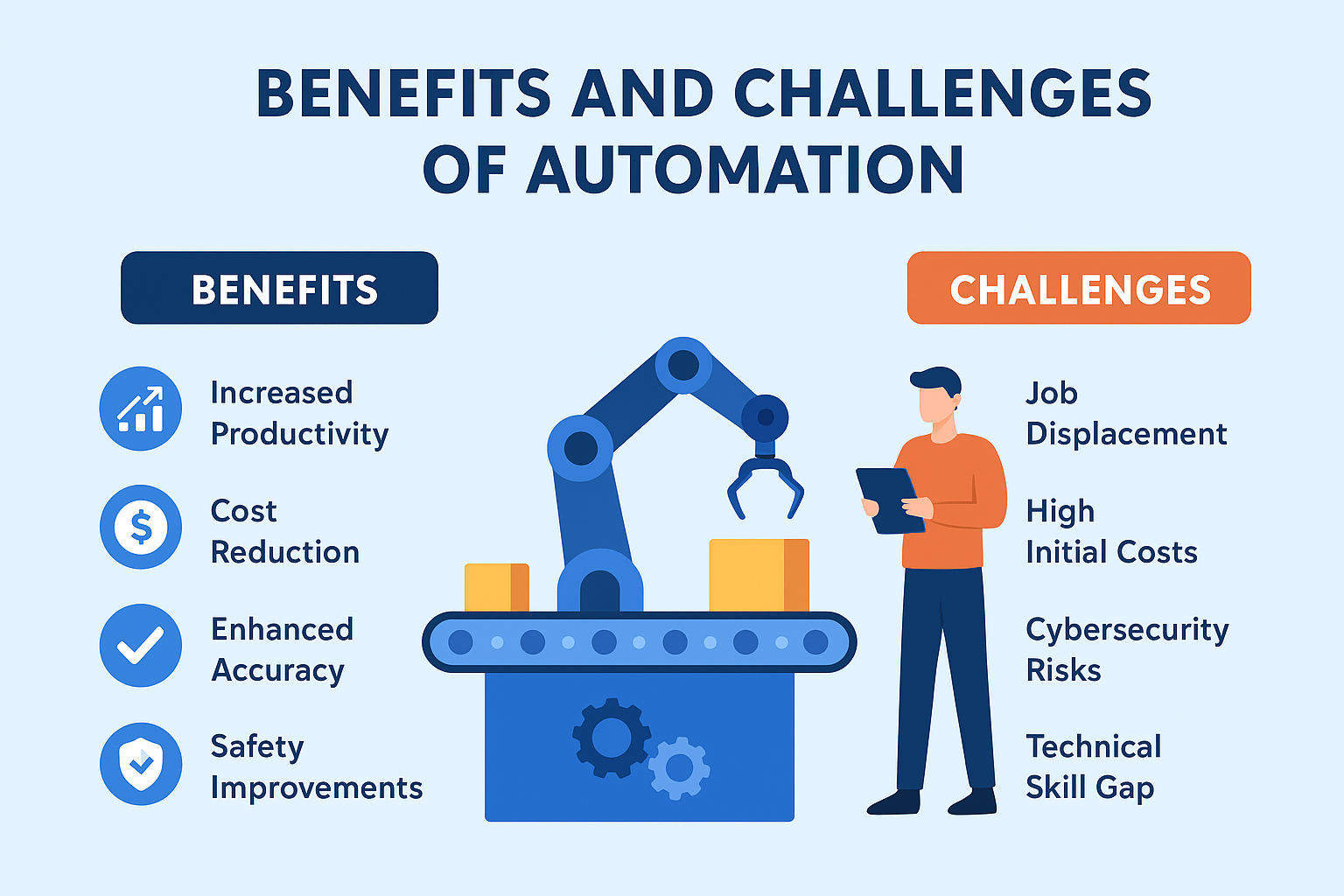
- Increased Productivity
Machines work faster and longer than humans, enabling companies to produce more in less time. - Cost Reduction
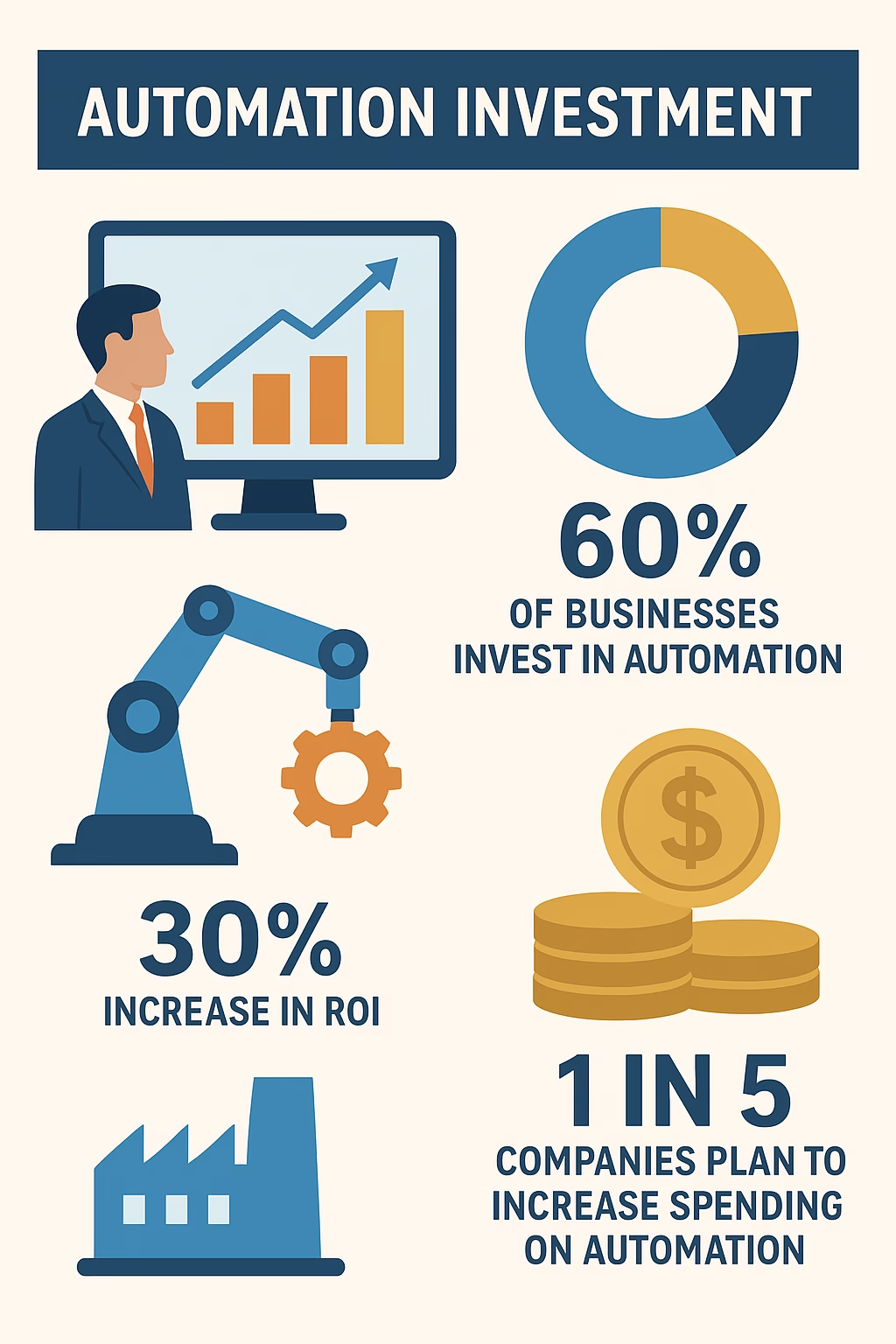
Although initial investment may be high, auto-mation reduces labor costs, waste, and errors in the long run. - Enhanced Accuracy and Quality
Automated systems minimize human error, ensuring consistent product quality. - Safety Improvements
Dangerous tasks can be delegated to robots, reducing workplace accidents. - Scalability and Flexibility
Automated systems can be scaled up or reprogrammed to adapt to market demand. - Data Collection and Analysis
Intelligent auto-mation provides valuable insights for decision-making by gathering and analyzing real-time data.
Read More: The Benefits of Automation: Transforming Industries and Daily Life

Challenges of Automation
Despite its benefits, automation comes with challenges:
- Job Displacement – Many worry that machines will replace human workers, especially in repetitive or manual roles.
- High Initial Costs – The setup and integration of automated systems can be expensive for small and medium-sized enterprises.
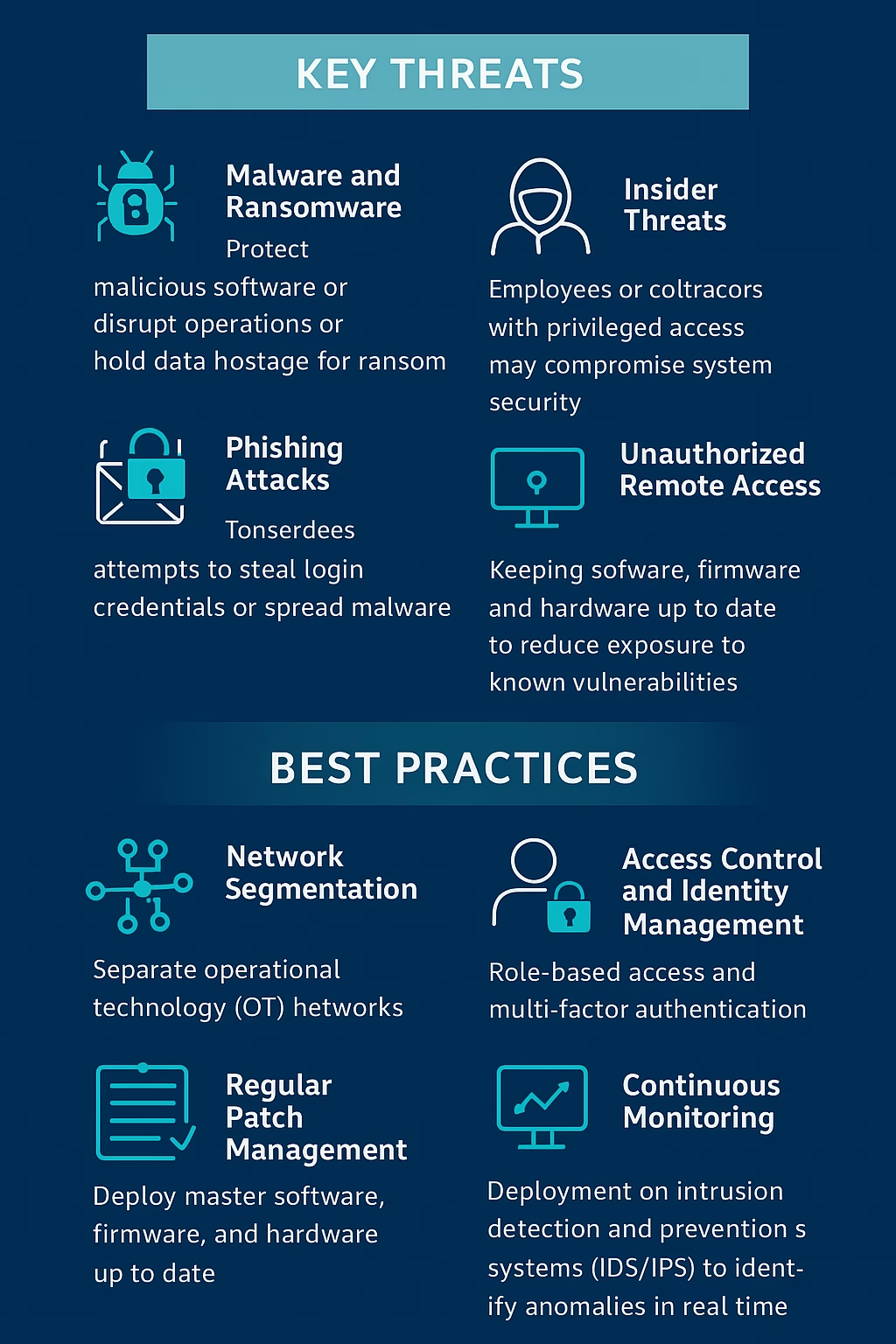
- Cybersecurity Risks – With digital auto-mation comes vulnerability to hacking and data breaches.
- Technical Skill Gap – Workers need training to operate and maintain advanced automated systems.
- Ethical Concerns – AI-driven auto-mation raises questions about bias, decision-making, and accountability.
Read More: Challenges of Automation: Overcoming Barriers in the Modern Era
Future Trends in Automation
Auto-mation continues to evolve, and several trends are shaping its future:
- Artificial Intelligence and Machine Learning
Auto-mation will become more intelligent, with systems that can learn and adapt to new situations. - Collaborative Robots (Cobots)
Instead of replacing humans, cobots will work alongside employees to enhance productivity. - Smart Factories
Industry 4.0 introduces interconnected machines, IoT devices, and real-time data sharing in manufacturing. - Autonomous Vehicles
Self-driving cars, trucks, and drones will revolutionize transportation and delivery systems. - Hyperautomation
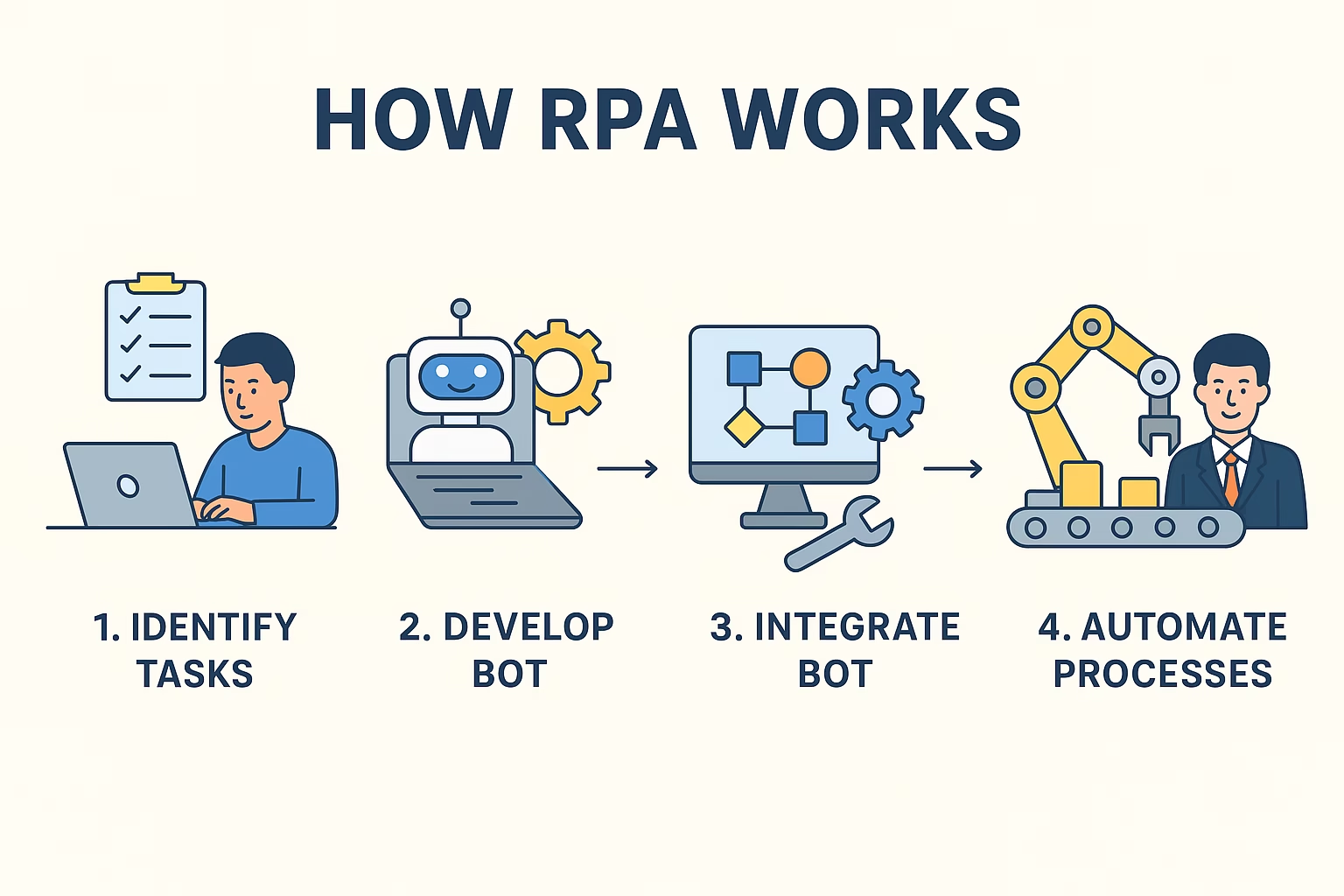
A combination of robotic process auto-mation (RPA), AI, and advanced analytics will automate end-to-end business processes. - Sustainable Automation
Eco-friendly auto-mation solutions will focus on energy efficiency and waste reduction.
Read More: Future Trends in Automation: Shaping the Next Industrial Revolution
Conclusion
Automation is not just about replacing human labor; it is about empowering industries to work smarter, safer, and more efficiently. From manufacturing to finance, auto-mation is becoming an essential tool for innovation and competitiveness. While challenges such as job displacement and cybersecurity remain, the opportunities far outweigh the risks.
As we move deeper into the era of smart automation, businesses that adopt and adapt to these technologies will thrive in a rapidly changing world. The future of auto-mation is not about humans versus machines—it is about collaboration, efficiency, and progress.