

Introduction
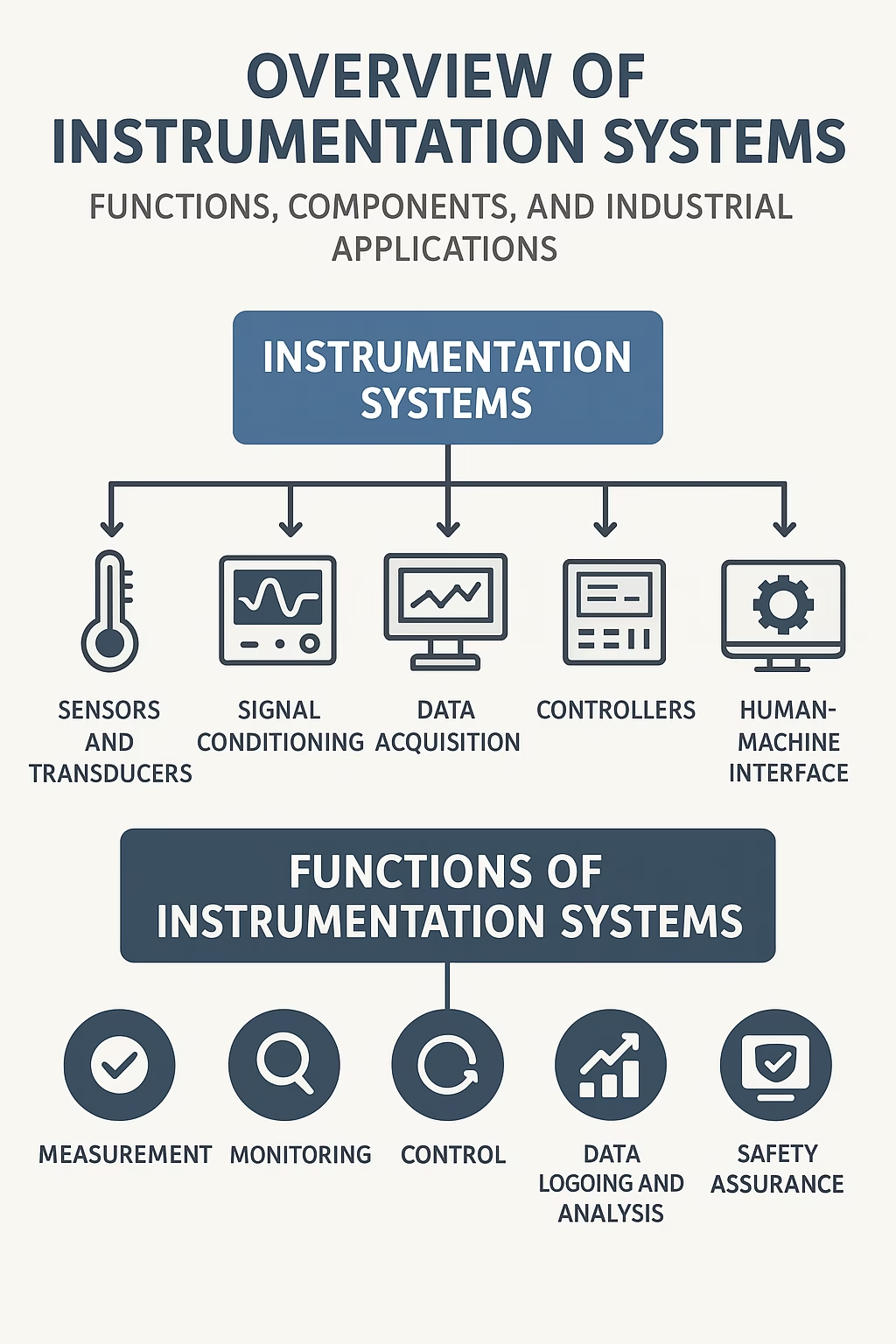
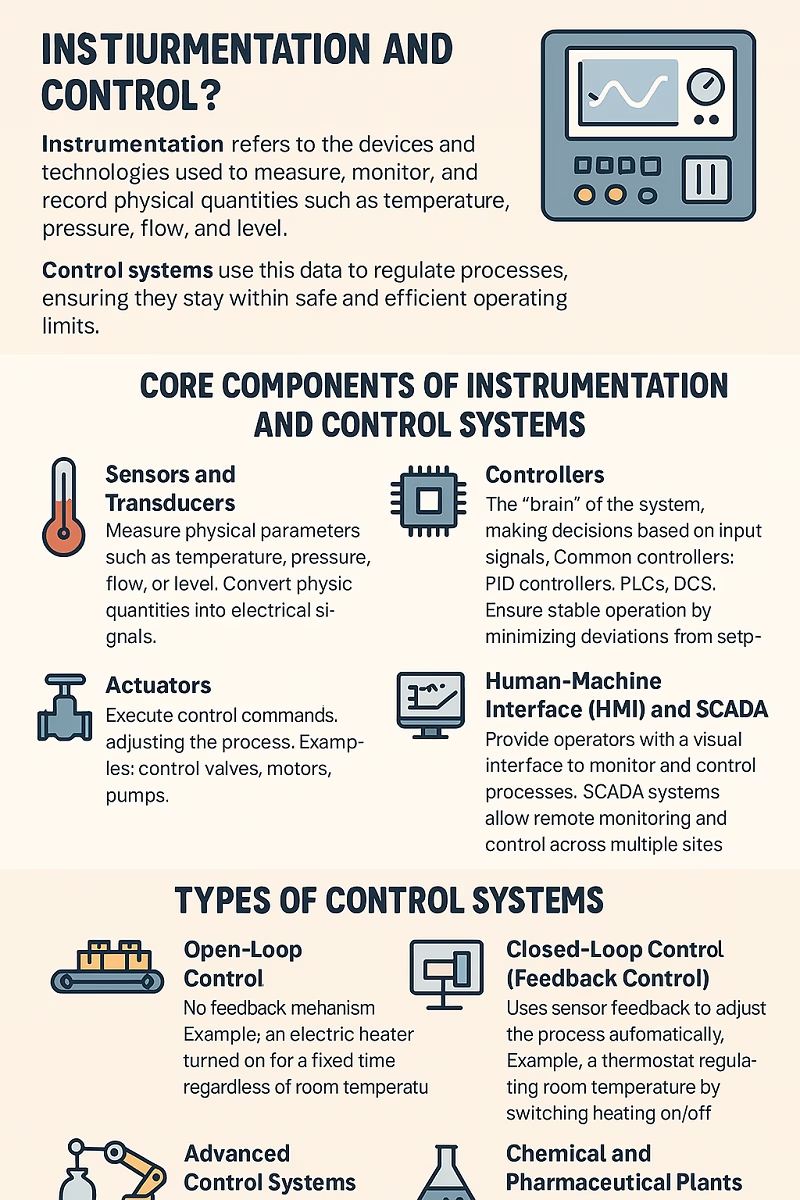
Benefits of Effective Instrumentation ~ In the world of industrial operations, precision and reliability are non-negotiable. Whether in manufacturing, power generation, oil and gas, or water treatment, effective instrumentation plays a pivotal role in ensuring smooth operations. Instrumentation refers to the devices and systems used to measure, monitor, and control various process parameters such as temperature, pressure, flow, and level. When implemented effectively, instrumentation can dramatically improve productivity, reduce downtime, enhance safety, and minimize operational costs.
This article explores the key benefits of effective instrumentation, illustrating why it is an indispensable component of modern industrial applications.
1. Benefits of Effective Instrumentation: Improved Process Efficiency
One of the most significant benefits of effective instrumentation is its ability to optimize process efficiency. By continuously monitoring critical parameters, instrumentation ensures that systems operate at their ideal performance range.
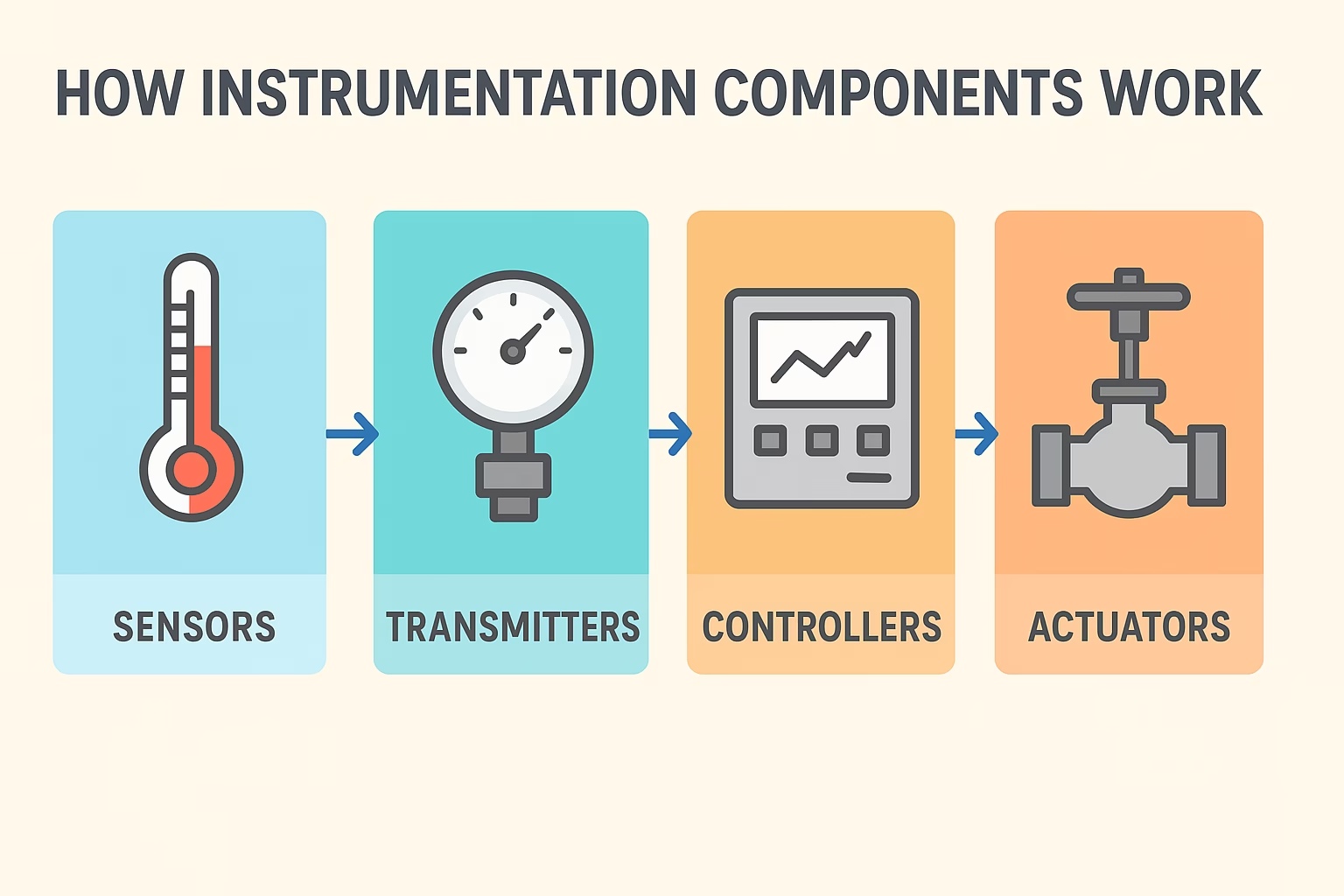
- Real-Time Data Feedback: Instruments such as flow meters, temperature sensors, and pressure transmitters provide instant feedback, enabling operators to make timely adjustments.
- Reduced Waste: Accurate measurement and control prevent overproduction or underutilization of resources, minimizing waste.
- Optimized Energy Usage: Monitoring systems can identify energy-intensive processes, allowing companies to implement energy-saving measures.
2. Benefits of Effective Instrumentation: Enhanced Safety
Safety is a top priority in any industrial setting, and effective instrumentation plays a critical role in maintaining it.
- Early Detection of Anomalies: Sensors can detect irregularities such as pressure spikes, temperature deviations, or hazardous gas leaks before they escalate into accidents.
- Automation of Safety Protocols: Automated shutdown systems triggered by instrumentation can prevent catastrophic failures.
- Compliance with Safety Standards: Many industries must adhere to strict safety regulations; proper instrumentation ensures compliance with these standards, protecting both workers and assets.
Example: In oil and gas refineries, gas detection systems immediately trigger alarms and ventilation systems in case of leaks, preventing potential explosions.
3. Benefits of Effective Instrumentation: Better Process Control
Effective instrumentation forms the backbone of process control systems. By providing accurate and continuous measurement data, it enables automated systems to maintain optimal operational parameters.
- Precision in Manufacturing: In industries like pharmaceuticals and electronics, slight deviations in temperature or humidity can impact product quality.
- Stability in Continuous Processes: In chemical plants, maintaining precise mixing ratios is essential for consistent output.
- Advanced Control Strategies: Integration with SCADA (Supervisory Control and Data Acquisition) or DCS (Distributed Control Systems) allows for sophisticated control logic, further improving reliability.
4. Benefits of Effective Instrumentation: Increased Equipment Lifespan
Instrumentation not only benefits process control but also extends the life of industrial equipment.
- Preventive Maintenance: Monitoring vibration, pressure, and temperature helps detect early signs of equipment wear.
- Avoiding Overload Conditions: Instruments can prevent motors, pumps, and compressors from operating beyond their capacity.
- Reduced Downtime: Early fault detection minimizes unexpected breakdowns, improving operational continuity.
By maintaining equipment within optimal operating conditions, companies can save on repair and replacement costs.
5. Cost Savings and Return on Investment (ROI)
While the initial investment in advanced instrumentation may seem high, the long-term cost benefits are substantial.
- Reduced Downtime: Automated monitoring reduces the likelihood of costly unplanned shutdowns.
- Lower Labor Costs: Automation decreases the need for manual monitoring, freeing human resources for other tasks.
- Resource Optimization: Effective instrumentation minimizes waste, resulting in lower raw material expenses.
According to industry studies, companies that invest in modern instrumentation often see ROI within 12–24 months due to improved efficiency and reduced operational losses.
6. Benefits of Effective Instrumentation: Data-Driven Decision Making
Instrumentation generates valuable operational data, enabling companies to make informed decisions.
- Trend Analysis: Long-term data trends can highlight inefficiencies and opportunities for improvement.
- Predictive Maintenance: Using analytics, companies can predict when equipment will require maintenance, avoiding unnecessary servicing.
- Continuous Improvement: Data insights can guide process modifications, ensuring ongoing performance enhancements.


7. Benefits of Effective Instrumentation: Regulatory Compliance and Quality Assurance
Industries such as pharmaceuticals, food and beverage, and energy are subject to stringent quality and regulatory standards. Effective instrumentation ensures that all processes remain within specified tolerances.
- Traceability: Instruments log process conditions for future verification and audits.
- Product Consistency: Consistent measurement ensures uniform product quality.
- Meeting Environmental Standards: Monitoring emissions and waste helps companies comply with environmental regulations.
8. Benefits of Effective Instrumentation: Scalability and Adaptability
Modern instrumentation systems are highly scalable, allowing businesses to expand operations without sacrificing control or efficiency.
- Integration with New Technologies: Instruments can integrate with IoT devices, cloud platforms, and AI-driven analytics.
- Flexibility for Different Processes: Modular designs allow quick adaptation to new production requirements.
This adaptability ensures that as industries evolve, instrumentation can evolve alongside them.
Conclusion
Effective instrumentation is more than just a technical requirement; it is a strategic investment in efficiency, safety, and profitability. From improving process control to ensuring regulatory compliance, the benefits span across every aspect of industrial operations. Companies that prioritize accurate, reliable, and well-maintained instrumentation are better positioned to meet modern industry challenges and maintain a competitive edge.
In an era where industries are increasingly automated and data-driven, instrumentation is the silent guardian—constantly measuring, monitoring, and ensuring that everything runs smoothly. Investing in effective instrumentation today can pave the way for safer, more efficient, and more sustainable industrial operations tomorrow.