Introduction of How Instrumentation Components Work
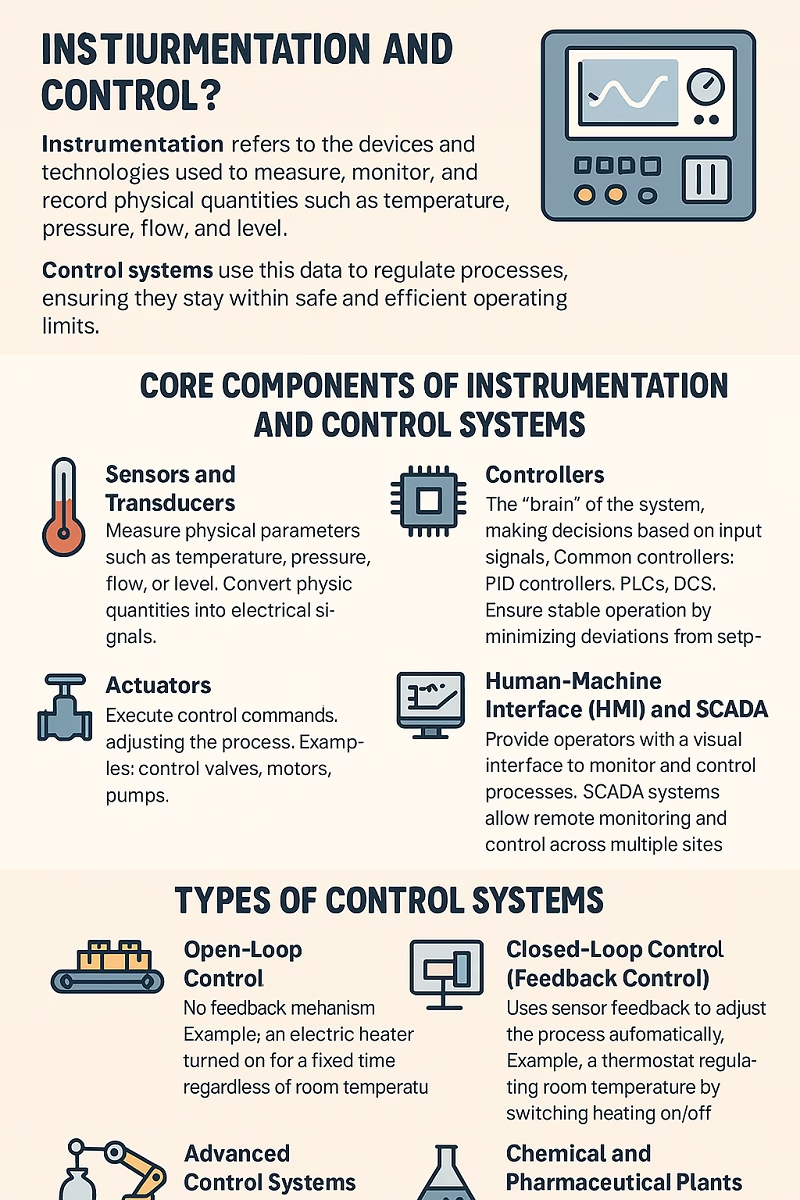
Instrumentation is the backbone of modern industrial processes, ensuring precision, safety, and efficiency in various applications. From monitoring temperature in a steam boiler to controlling pressure in a refinery, instrumentation components provide accurate data and control signals. But How Instrumentation Components Work?
This article explores the core components of instrumentation systems—sensors, transmitters, controllers, and actuators—detailing their working principles, interconnections, and importance in industrial automation.
What Are Instrumentation Components?
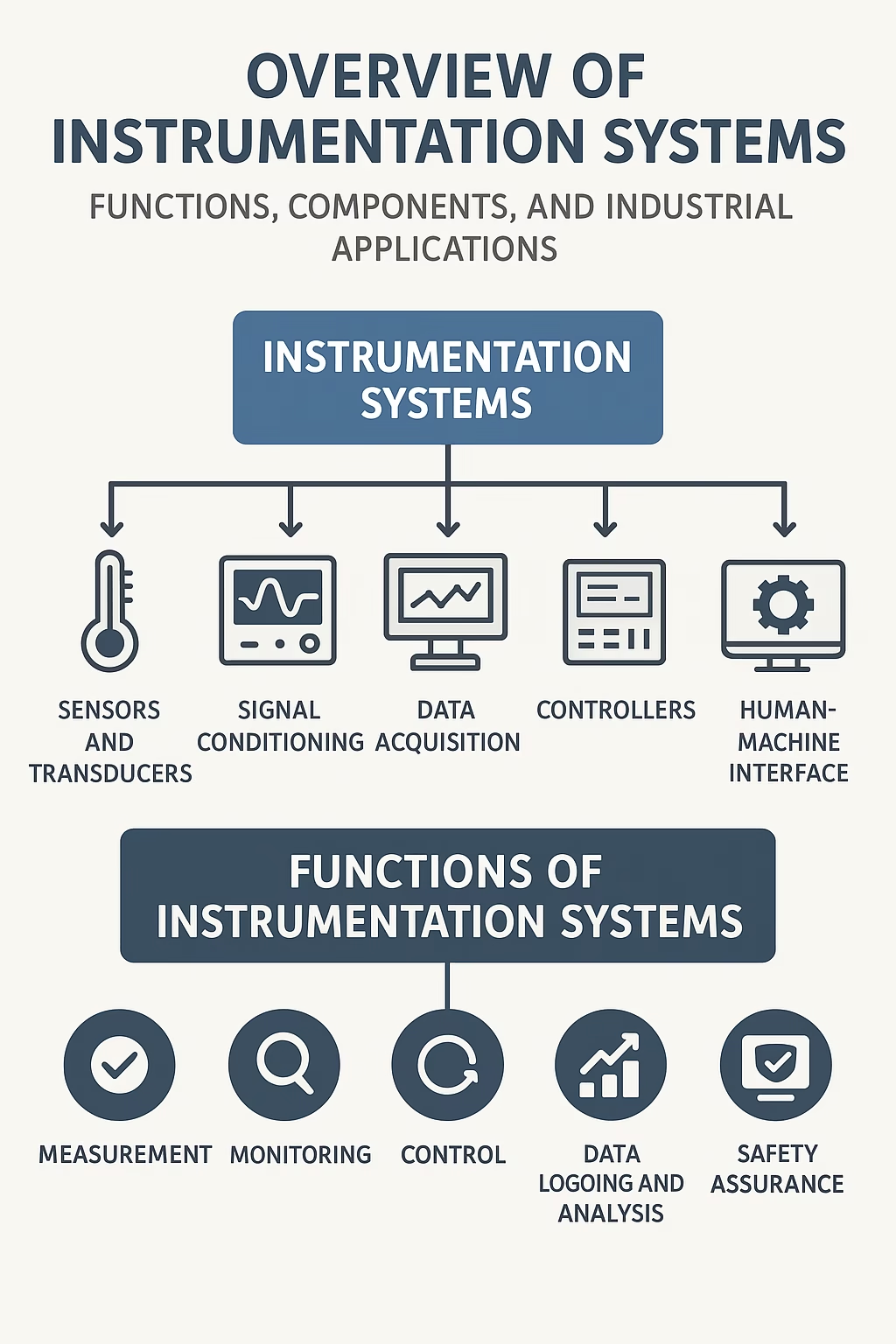
Instrumentation components are the individual parts of an instrumentation system responsible for measurement, monitoring, and control of physical variables such as temperature, pressure, flow, and level. Together, they form the foundation of process control systems, enabling industries to operate smoothly and safely.
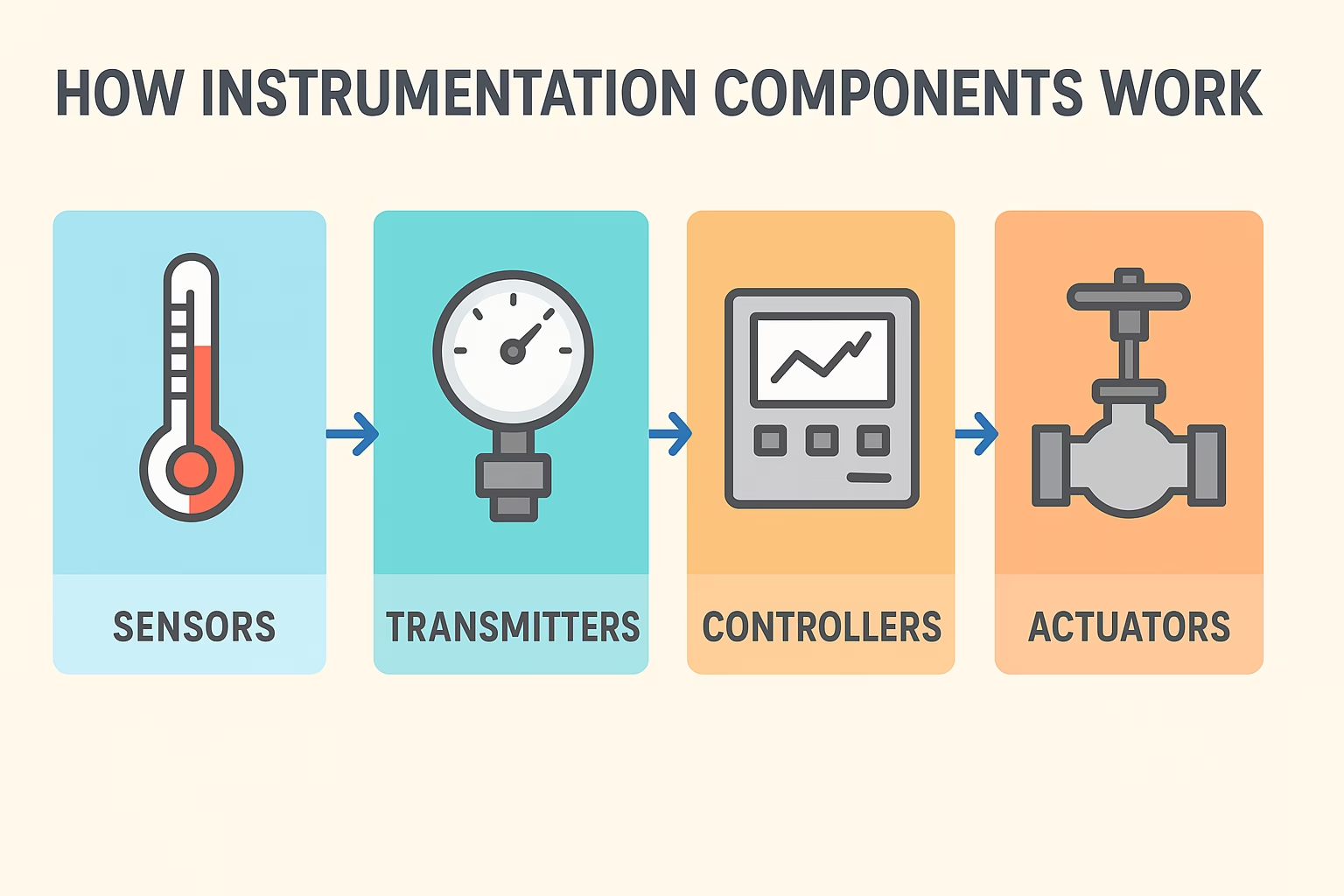
The four main categories of instrumentation components are:
- Sensors and Detectors – Measure physical parameters.
- Transmitters – Convert sensor signals into standard outputs.
- Controllers – Compare measured values with setpoints and make decisions.
- Actuators and Final Control Elements – Implement control actions.
1. Sensors: The First Line of Measurement
Sensors are the heart of any instrumentation system because they detect changes in physical variables and convert them into readable signals.
How Sensors Work
- Temperature sensors (thermocouples, RTDs, thermistors) rely on resistance or voltage changes when exposed to heat.
- Pressure sensors use strain gauges, diaphragms, or piezoelectric elements to measure applied pressure.
- Flow sensors work through differential pressure, turbine rotation, or ultrasonic waves.
- Level sensors employ buoyancy, capacitance, or radar principles to measure liquid or solid levels.
Example
In a steam boiler, a temperature sensor detects the water temperature and sends the data to a controller to prevent overheating.
2. Transmitters: Converting Signals for Communication
While sensors generate raw signals, these signals are often too weak or irregular for long-distance transmission. That’s where transmitters come in.
How Transmitters Work
- Signal Conversion – A transmitter converts raw sensor data into a standardized format, typically 4–20 mA current or digital signals.
- Signal Amplification – Weak sensor signals are amplified for reliable communication.
- Isolation and Filtering – Transmitters filter out noise and provide electrical isolation.
Types of Transmitters
- Temperature Transmitters (TT)
- Pressure Transmitters (PT)
- Flow Transmitters (FT)
- Level Transmitters (LT)
Example
In oil refineries, pressure transmitters send real-time pressure readings from storage tanks to the control room.
3. Controllers: The Brain of the System
Controllers process signals from transmitters and decide the corrective action required. They maintain the system within desired operating ranges by comparing measured values to setpoints.
How Controllers Work
- Input Stage – Receives measurement signals from transmitters.
- Processing Stage – Uses algorithms (e.g., PID control) to analyze deviations.
- Output Stage – Sends commands to actuators or final control elements.
Types of Controllers
- Pneumatic Controllers – Use air pressure for control.
- Electronic Controllers – Use analog or digital circuits.
- Programmable Logic Controllers (PLC) – Highly flexible digital controllers for automation.
Example
In a chemical plant, a PLC regulates reactor temperature by adjusting heating elements based on sensor feedback.
4. Actuators and Final Control Elements: Executing Actions
Actuators are the muscles of an instrumentation system. They convert controller commands into mechanical actions.
How Actuators Work
- Electric Actuators – Use motors to open/close valves or move mechanical parts.
- Pneumatic Actuators – Use compressed air for fast and reliable operation.
- Hydraulic Actuators – Use pressurized fluid for high-force applications.
Final Control Elements
The actuator usually operates a final control element such as:
- Control Valves – Regulate flow of fluids.
- Dampers – Control airflow in HVAC systems.
- Variable Speed Drives (VSDs) – Control motor speed.
Example
In water treatment plants, control valves adjust the flow of chemicals to maintain correct pH levels.

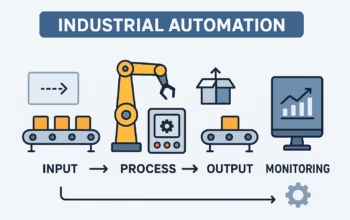
The Working Principle: From Measurement to Action
To understand how instrumentation components work together, let’s follow a simple process:
- Sensor detects pressure inside a pipeline.
- Transmitter converts the raw signal into a 4–20 mA current.
- Controller compares measured pressure with the desired setpoint.
- Actuator adjusts a valve to reduce or increase flow, maintaining balance.
This closed-loop control system ensures stability, safety, and efficiency.
Applications of Instrumentation Components
Instrumentation components are vital across industries:
- Power Plants – Monitoring steam, pressure, and turbine speed.
- Oil & Gas – Controlling drilling, refining, and pipeline systems.
- Pharmaceuticals – Ensuring precise temperature and pressure in drug production.
- Food & Beverage – Monitoring hygiene, quality, and process consistency.
- Manufacturing – Automating assembly lines and quality control.
Benefits of Understanding How Instrumentation Components Work
- Improved Efficiency – Better process control reduces energy and resource waste.
- Enhanced Safety – Early detection of faults prevents accidents.
- Cost Savings – Optimized operations reduce downtime and maintenance costs.
- Scalability – Flexible systems adapt to new industrial needs.
Conclusion of How Instrumentation Components Work
Instrumentation components—sensors, transmitters, controllers, and actuators—work together to measure, monitor, and control industrial processes. By understanding how these components work, engineers and industries can achieve greater reliability, precision, and efficiency.
As industries continue moving toward automation and smart technologies, the role of instrumentation will only become more critical in shaping the future of industrial operations.