Introduction
Voltage (V), often represented by the symbol V, is one of the most fundamental concepts in electrical and electronic engineering. It is the driving force that makes electric current flow through a circuit, enabling the operation of devices ranging from simple LED lights to advanced industrial machines.
In this article, we will explore what voltage is, how it is measured, different types of voltage, formulas used in calculations, and its wide-ranging applications in daily life and engineering systems.
What is Voltage (V)?
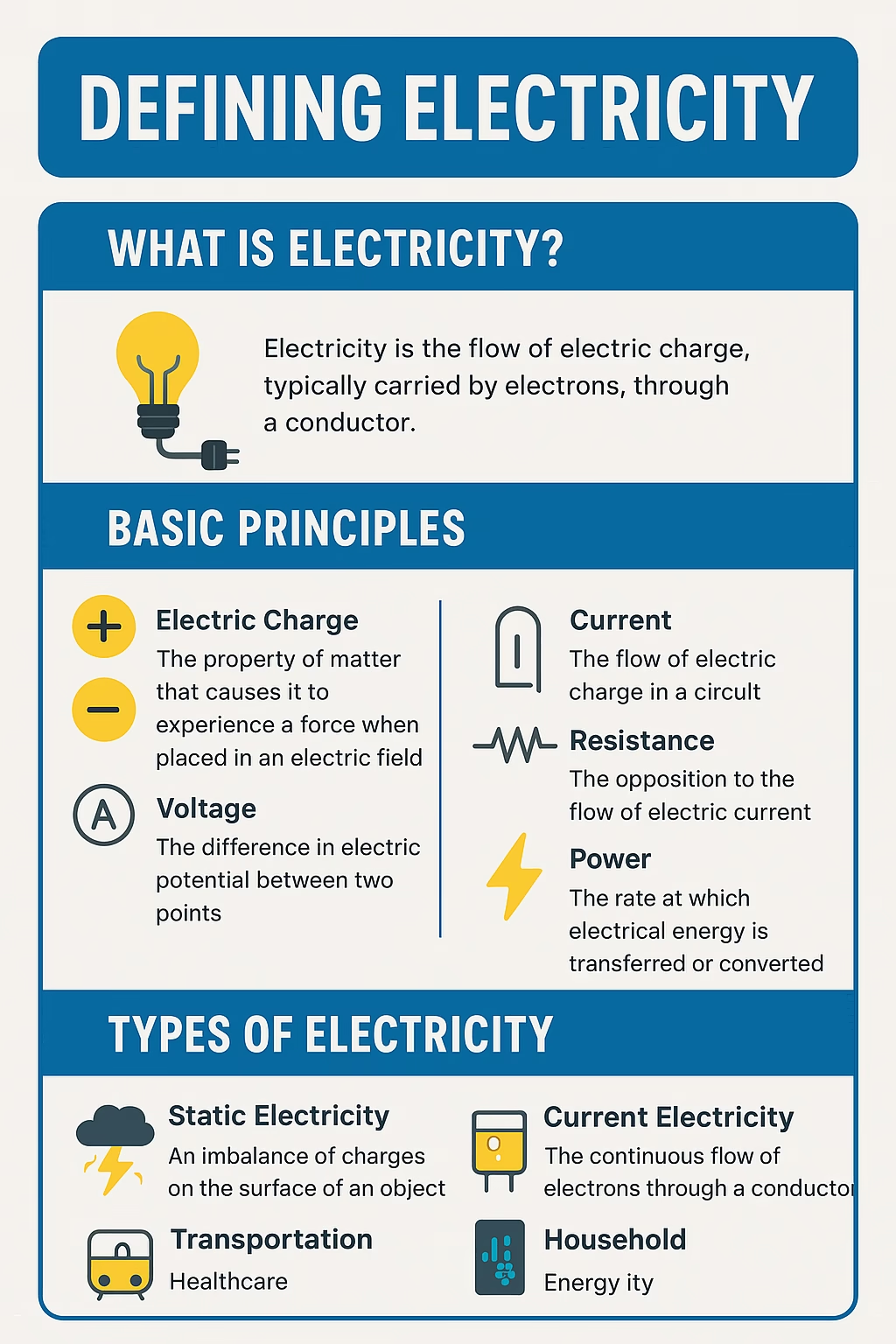
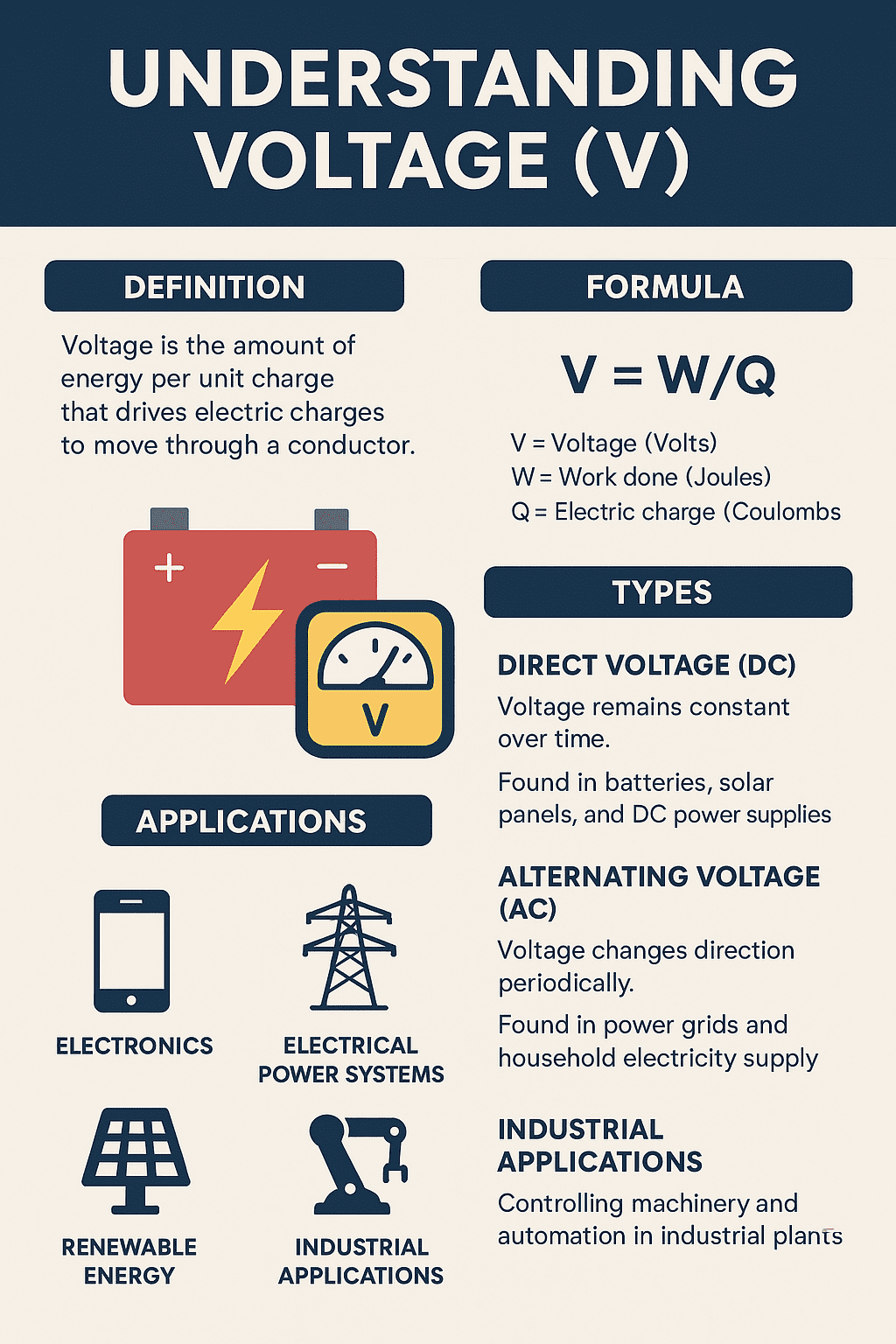
Voltage, also called electric potential difference, is the amount of energy per unit charge that drives electric charges to move through a conductor. In simple terms, voltage can be compared to the “pressure” that pushes water through a pipe.
- Unit of Measurement: Volt (V)
- Instrument Used: Voltmeter
- Formula: V=WQV = \frac{W}{Q}V=QW Where:
- VVV = Voltage (Volts)
- WWW = Work done or energy (Joules)
- QQQ = Electric charge (Coulombs)
This means voltage is the work required to move a unit charge from one point to another in an electric field.
Types of Voltage (V)
There are two main types of voltage in electrical systems:
1. Direct Voltage (DC Voltage)
- Voltage remains constant over time.
- Found in batteries, solar panels, and DC power supplies.
- Commonly used in electronic devices such as laptops, smartphones, and LED lights.
2. Alternating Voltage (AC Voltage)
- Voltage changes direction periodically.
- Found in power grids and household electricity supply.
- AC voltage is more efficient for transmitting electricity over long distances.
Sources of Voltage (V)
Different devices and systems generate voltage in various ways:
- Chemical Sources – Batteries, fuel cells, and accumulators.
- Electromagnetic Induction – Generators and alternators.
- Solar Energy – Photovoltaic (PV) cells convert sunlight into voltage.
- Piezoelectric Effect – Crystals generating voltage when mechanically stressed.
Voltage (V) in Ohm’s Law
Voltage is closely related to current (I) and resistance (R) in an electrical circuit. This relationship is defined by Ohm’s Law: V=I×RV = I \times RV=I×R
Where:
- VVV = Voltage (Volts)
- III = Current (Amperes)
- RRR = Resistance (Ohms)
This formula is the foundation for circuit analysis in electrical engineering.
Measurement of Voltage (V)
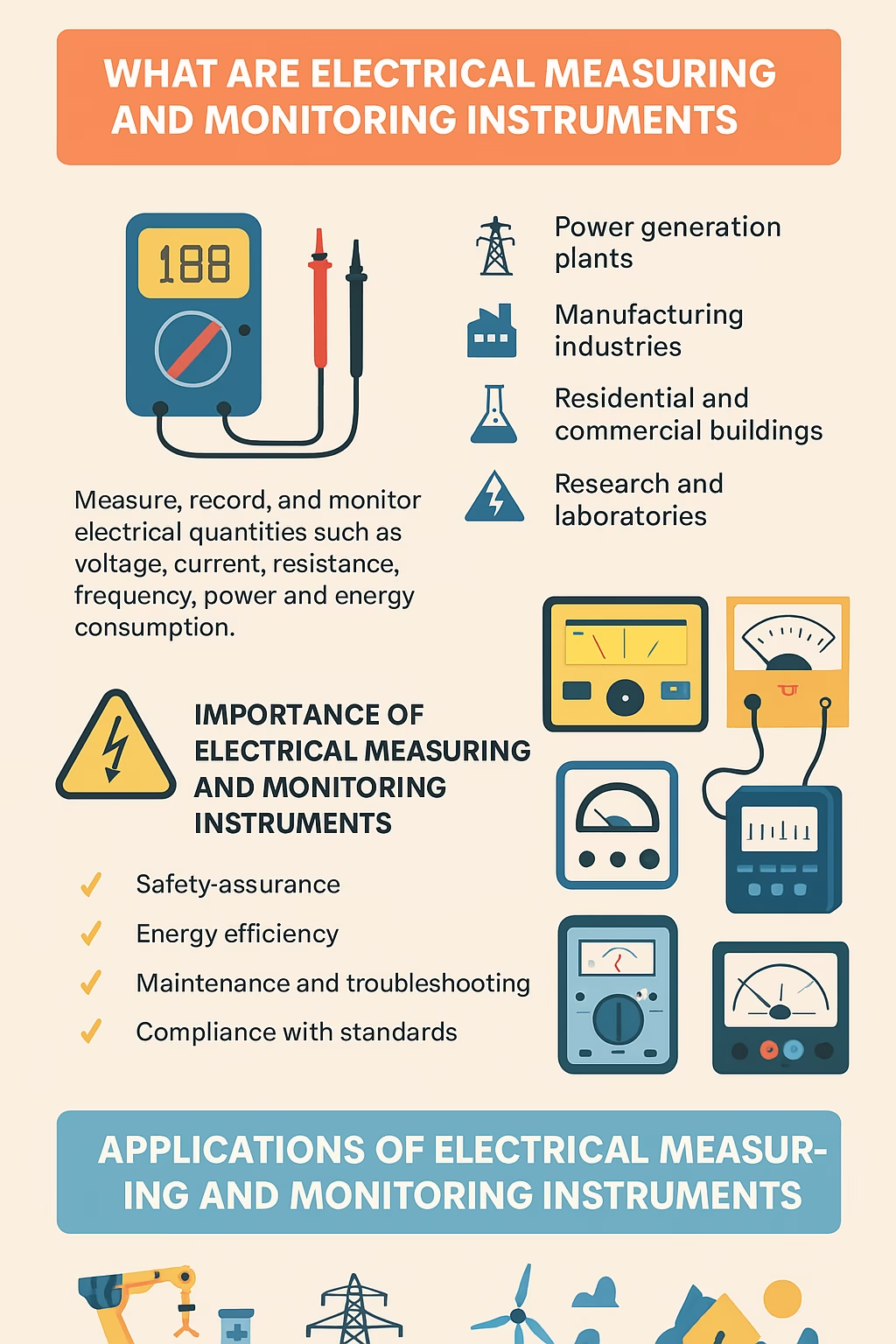
To measure voltage, engineers and technicians use a voltmeter or a multimeter.
- DC Voltage Measurement: Measured between two points in a DC circuit.
- AC Voltage Measurement: Measured across the terminals of an AC source or load.
Proper measurement is crucial for diagnosing electrical problems and ensuring safety in power systems.
Applications of Voltage
Voltage plays a vital role in almost every modern technology. Below are some of the key applications:
1. Electronics
- Powering smartphones, computers, televisions, and other consumer devices.
- Microcontrollers and processors operate within specific voltage ranges.
2. Electrical Power Systems
- Transmission of electricity from power plants to homes.
- High-voltage lines reduce energy loss during long-distance transmission.
3. Renewable Energy
- Solar panels generate DC voltage, which is later converted to AC for home usage.
- Wind turbines use electromagnetic induction to generate voltage.
4. Industrial Applications
- Voltage regulation in automation systems.
- Controlling motors, sensors, and actuators in factories.
5. Medical Equipment
- Defibrillators use high voltage to restore normal heart rhythm.
- Medical imaging devices rely on stable voltage supply.
Importance of Voltage (V) Regulation
Maintaining stable voltage is critical to ensure the safe and efficient operation of electrical systems. Too high or too low voltage can cause:
- Overvoltage → Damage to electrical appliances.
- Undervoltage → Reduced efficiency or malfunction.
- Voltage Fluctuations → Instability in sensitive electronic equipment.
This is why devices like voltage stabilizers, transformers, and regulators are essential in power systems.

Practical Examples of Voltage in Daily Life
- 1.5V Battery powers a remote control.
- 5V USB powers smartphones and portable devices.
- 12V Car Battery runs ignition systems and lights.
- 220V/110V AC Supply powers household appliances.
- High Voltage Transmission (up to 765kV) ensures efficient power delivery.
Future of Voltage Applications
With advancements in technology, voltage applications are expanding in areas such as:
- Electric Vehicles (EVs) – High-voltage batteries for long-range performance.
- Smart Grids – Voltage optimization for efficient energy distribution.
- Nanoelectronics – Ultra-low voltage circuits for energy-saving devices.
- Wireless Power Transmission – Safe and efficient transfer of voltage without wires.
Conclusion
Voltage (V) is the backbone of all electrical and electronic systems. It is the potential difference that makes current flow, enabling devices, machines, and entire power grids to function effectively. Understanding voltage is crucial not only for engineers and technicians but also for anyone who interacts with electrical devices daily.
From powering small gadgets to running massive industrial systems and enabling renewable energy, voltage remains a cornerstone of modern civilization.