

Introduction
The Purpose of Instrumentation ~ Instrumentation plays a pivotal role in modern industry and engineering. Whether in manufacturing, oil and gas, pharmaceuticals, or power generation, instrumentation systems ensure processes run efficiently, safely, and within defined quality standards. By providing accurate measurements, automated control, and reliable data, instrumentation supports decision-making, optimizes performance, and prevents costly failures.
This article explores the purpose of instrumentation, its benefits, and its significance across various industries.
1. What is Instrumentation?
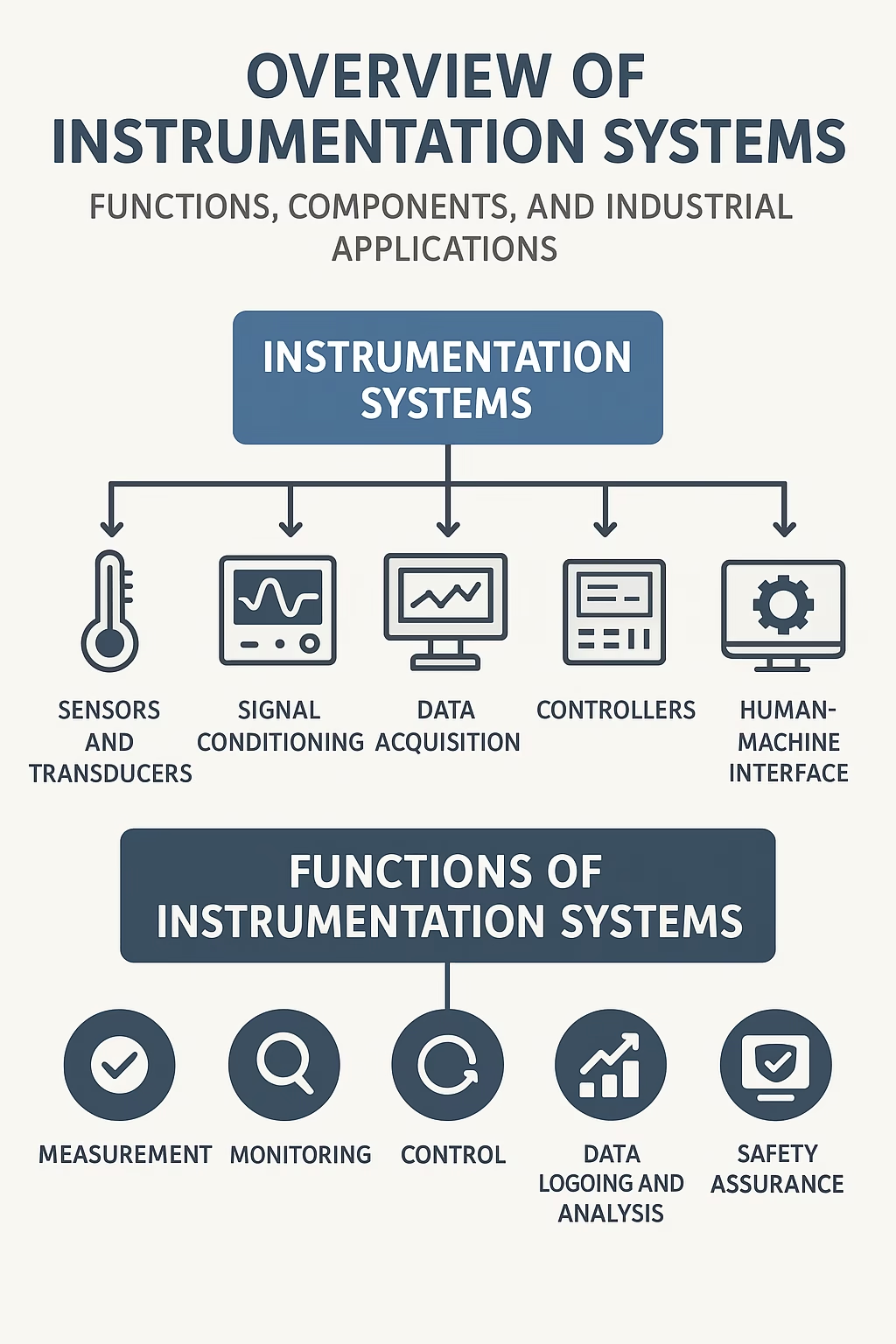
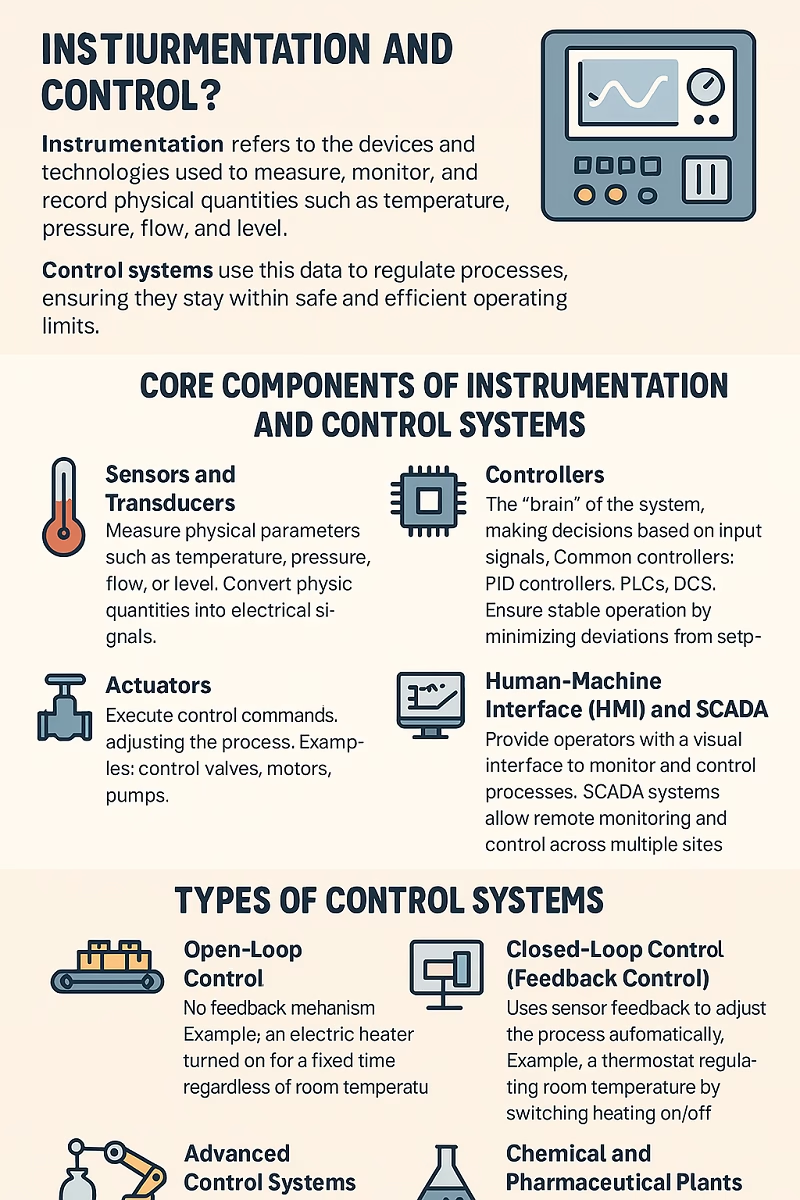
Instrumentation refers to the science and technology of measuring, monitoring, and controlling physical and chemical variables such as temperature, pressure, flow, level, and speed. It encompasses devices, systems, and software that work together to collect and interpret data, enabling precise control of industrial processes.
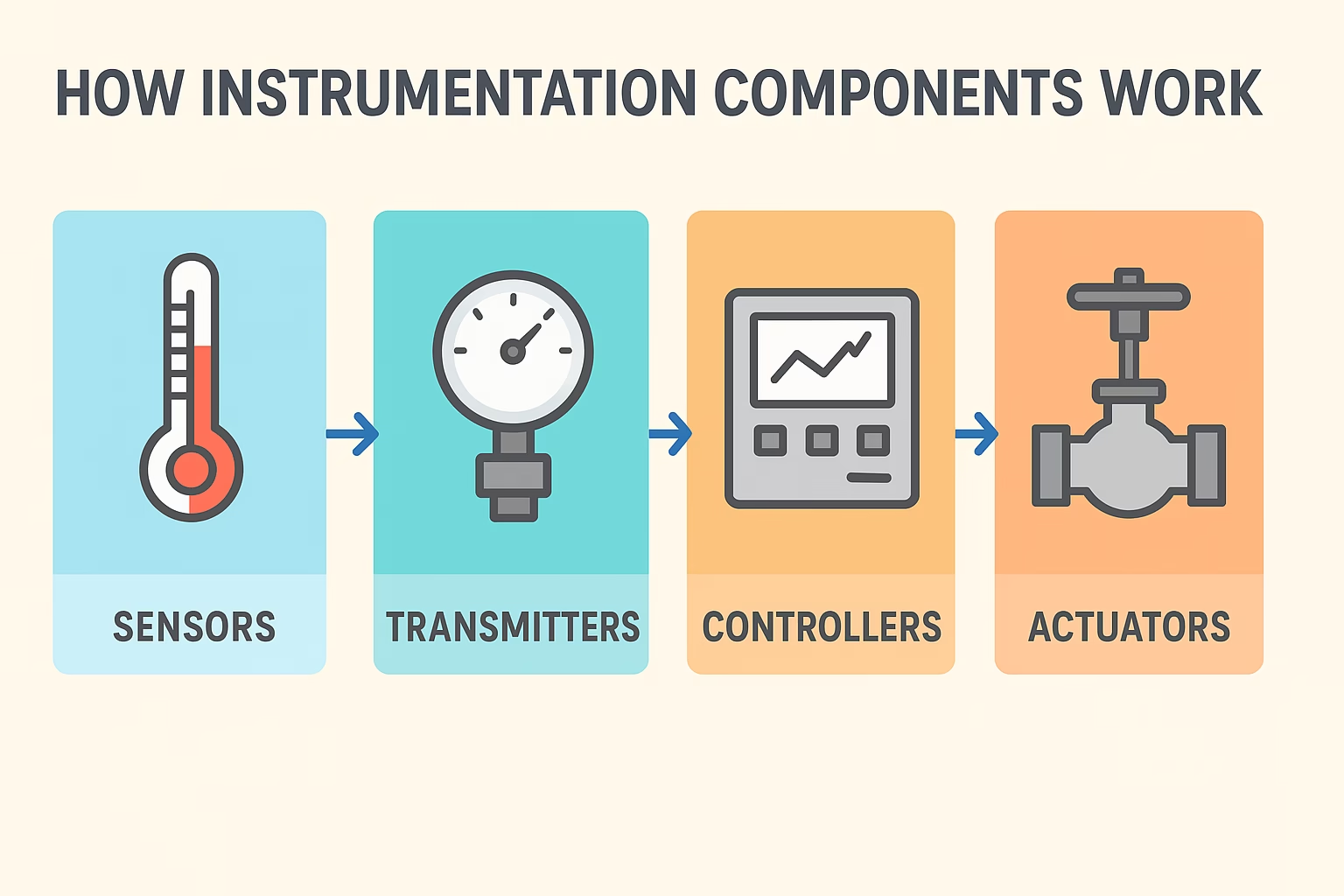
Common instrumentation components include:
- Sensors – Detect and measure variables.
- Transmitters – Convert sensor signals into standardized outputs.
- Controllers – Process data and adjust operations accordingly.
- Indicators and Recorders – Display and log measurement results.
Read More: What is Instrumentation? A Complete Guide to Principles, Types, and Applications
2. Core The Purpose of Instrumentation
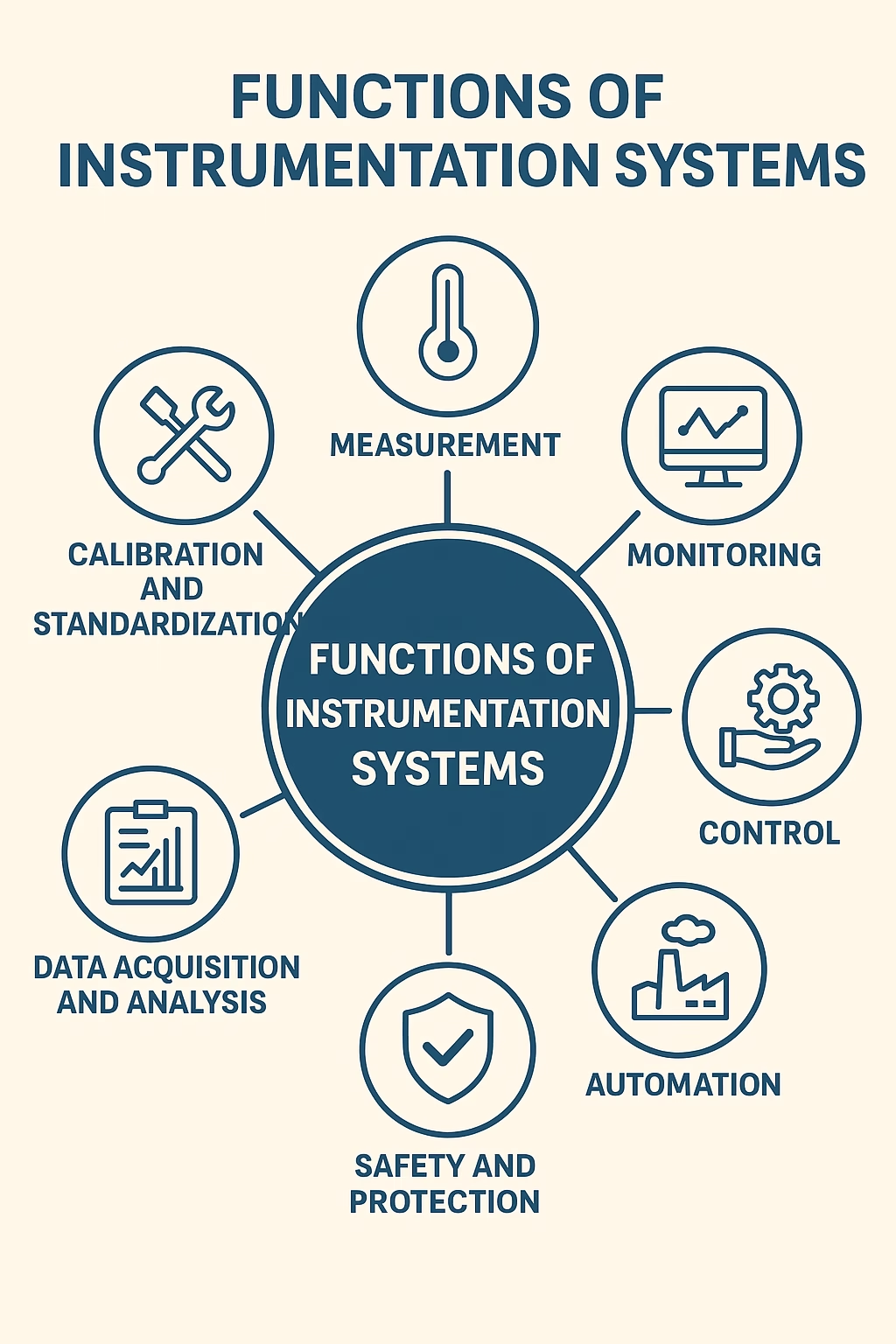
The primary purpose of instrumentation is to ensure that industrial processes operate within optimal parameters for safety, efficiency, and product quality. Here are its core objectives:
2.1 The Purpose of Instrumentation: Measurement
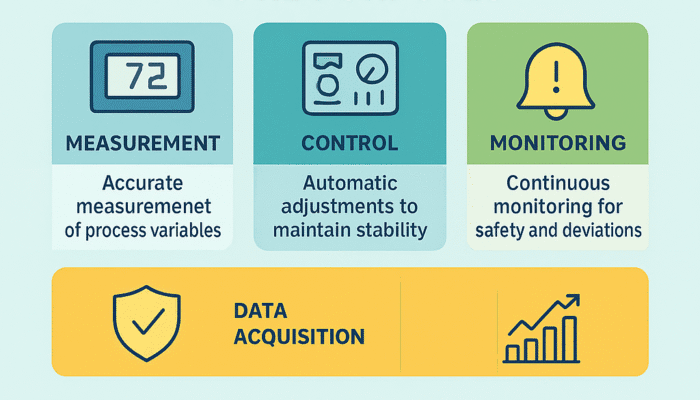
Instrumentation allows for accurate measurement of process variables, enabling operators to monitor conditions in real-time. Without reliable measurement, effective process control would be impossible.
2.2 The Purpose of Instrumentation: Control
By linking measurement devices to controllers, instrumentation enables automatic adjustments to maintain process stability. For example, if a temperature rises beyond a set point, a control system can activate a cooling process.
2.3 The Purpose of Instrumentation: Monitoring
Continuous monitoring provides early warning signs of equipment failure, process deviations, or unsafe conditions. This proactive approach helps reduce downtime and safety risks.
2.4 The Purpose of Instrumentation: Safety Assurance
Instrumentation systems often integrate with safety systems to prevent accidents. Pressure relief valves, emergency shutdown systems, and gas leak detectors are examples of safety-oriented instrumentation.
2.5 Data Acquisition and Analysis
Instrumentation gathers valuable operational data that can be used for performance optimization, predictive maintenance, and process improvement.
Read More: The Core Purpose of Instrumentation: Enhancing Control, Measurement, and Efficiency
3. Importance of Instrumentation in Modern Industry
Instrumentation is not just about taking measurements—it is about enabling intelligent, automated decision-making. Its importance can be seen in several key aspects:
3.1 Enhancing Efficiency
Automation through instrumentation minimizes human error, speeds up production, and reduces waste.
3.2 Improving Product Quality
Precise control over variables ensures consistent product quality, which is vital for compliance with industry standards.
3.3 Reducing Operational Costs
By optimizing resource usage and minimizing downtime, instrumentation helps reduce operating costs.
3.4 Ensuring Compliance
Industries must meet regulatory standards for safety, emissions, and quality. Instrumentation provides the tools needed to demonstrate compliance.
3.5 Supporting Sustainability
By reducing waste and optimizing energy consumption, instrumentation contributes to sustainable industrial practices.
Read More: Instrumentation in Industrial Applications: Enhancing Efficiency, Accuracy, and Safety
4. Real-World Applications of Instrumentation
Instrumentation is used in almost every industrial sector. Examples include:
- Oil and Gas – Monitoring pipeline pressure and flow rates to prevent leaks.
- Manufacturing – Ensuring machines operate within safe temperature limits.
- Pharmaceuticals – Maintaining sterile production environments through humidity and temperature control.
- Power Generation – Regulating turbine speeds and monitoring output.
- Water Treatment – Measuring pH levels and controlling chemical dosing.
Read More: Applications of Instrumentation: Enhancing Accuracy, Safety, and Efficiency Across Industries

5. Future Trends in Instrumentation
Technology advancements are shaping the future of instrumentation:
- IoT Integration – Connecting devices for real-time remote monitoring.
- Wireless Instrumentation – Reducing installation costs and enabling flexibility.
- AI and Machine Learning – Predicting failures and optimizing processes.
- Cloud-Based Data Management – Storing and analyzing data for better decision-making.
Read More: Future Trends in Instrumentation: Shaping the Next Industrial Revolution
6. Conclusion of The Purpose of Instrumentation
The purpose of instrumentation extends far beyond simply recording measurements—it ensures the safe, efficient, and sustainable operation of industrial processes. With modern technological advancements, instrumentation is evolving into a powerful tool for automation, predictive analytics, and strategic decision-making.
Whether in energy production, manufacturing, healthcare, or environmental monitoring, instrumentation remains a cornerstone of industrial success.