1. Introduction to Industrial Instrumentation
Instrumentation in Industrial Applications ~ In the modern industrial world, instrumentation plays a critical role in ensuring that processes run efficiently, accurately, and safely. Whether it’s monitoring pressure in a refinery, measuring temperature in a manufacturing line, or controlling the flow of liquids in a chemical plant, instrumentation forms the backbone of industrial process control.
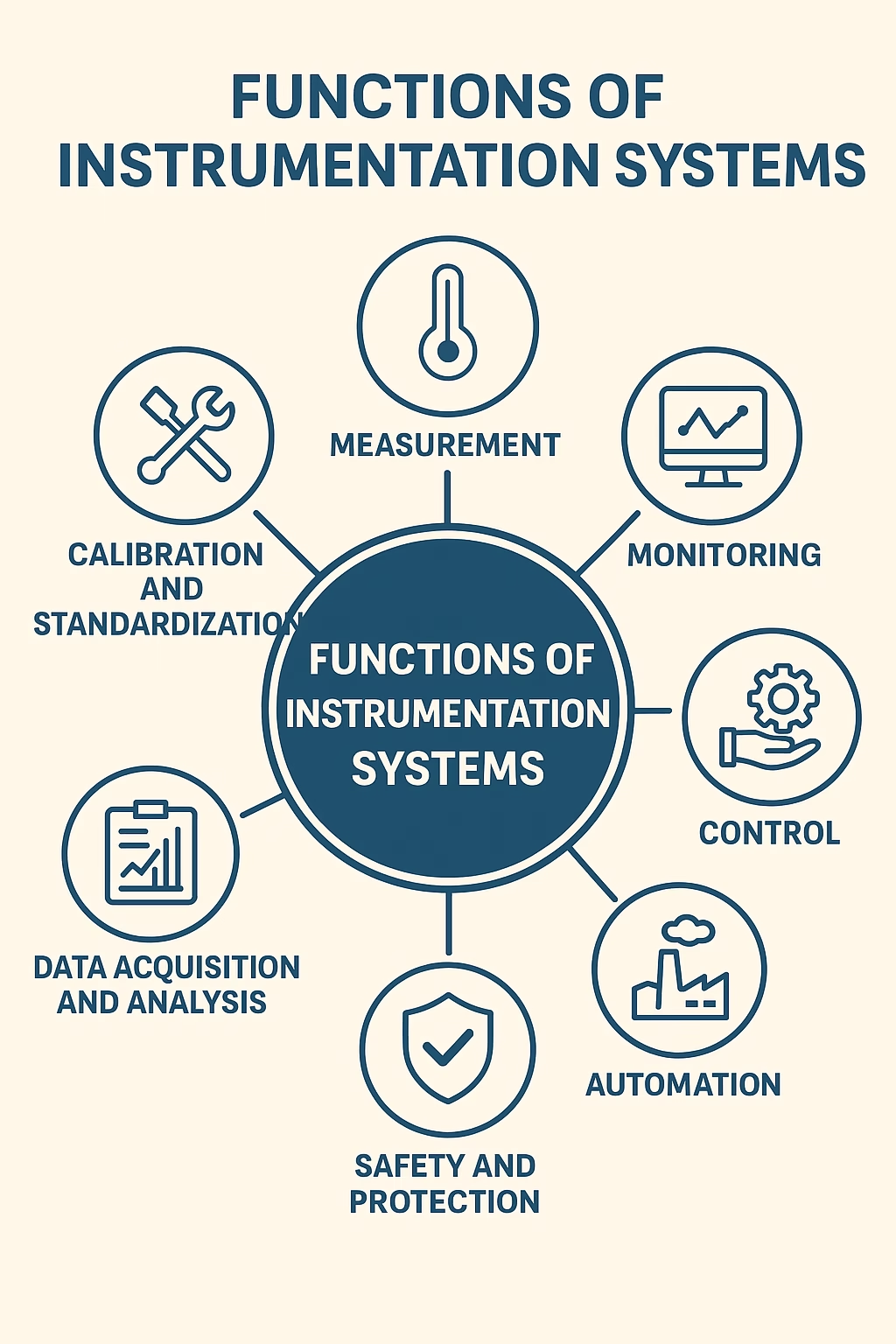
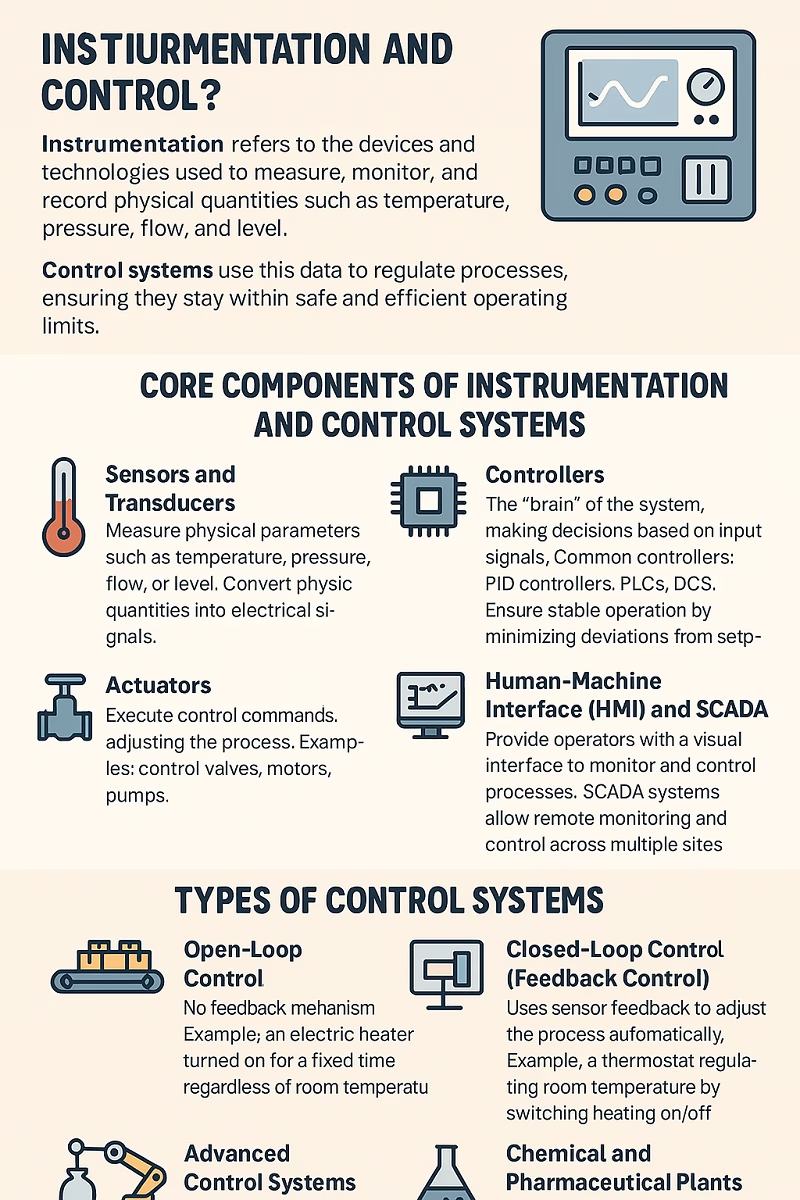
Industrial instrumentation involves measuring, monitoring, and controlling variables such as temperature, pressure, flow, level, and chemical composition. This data is then used to automate processes, improve quality, and enhance operational safety.
2. What is Industrial Instrumentation?
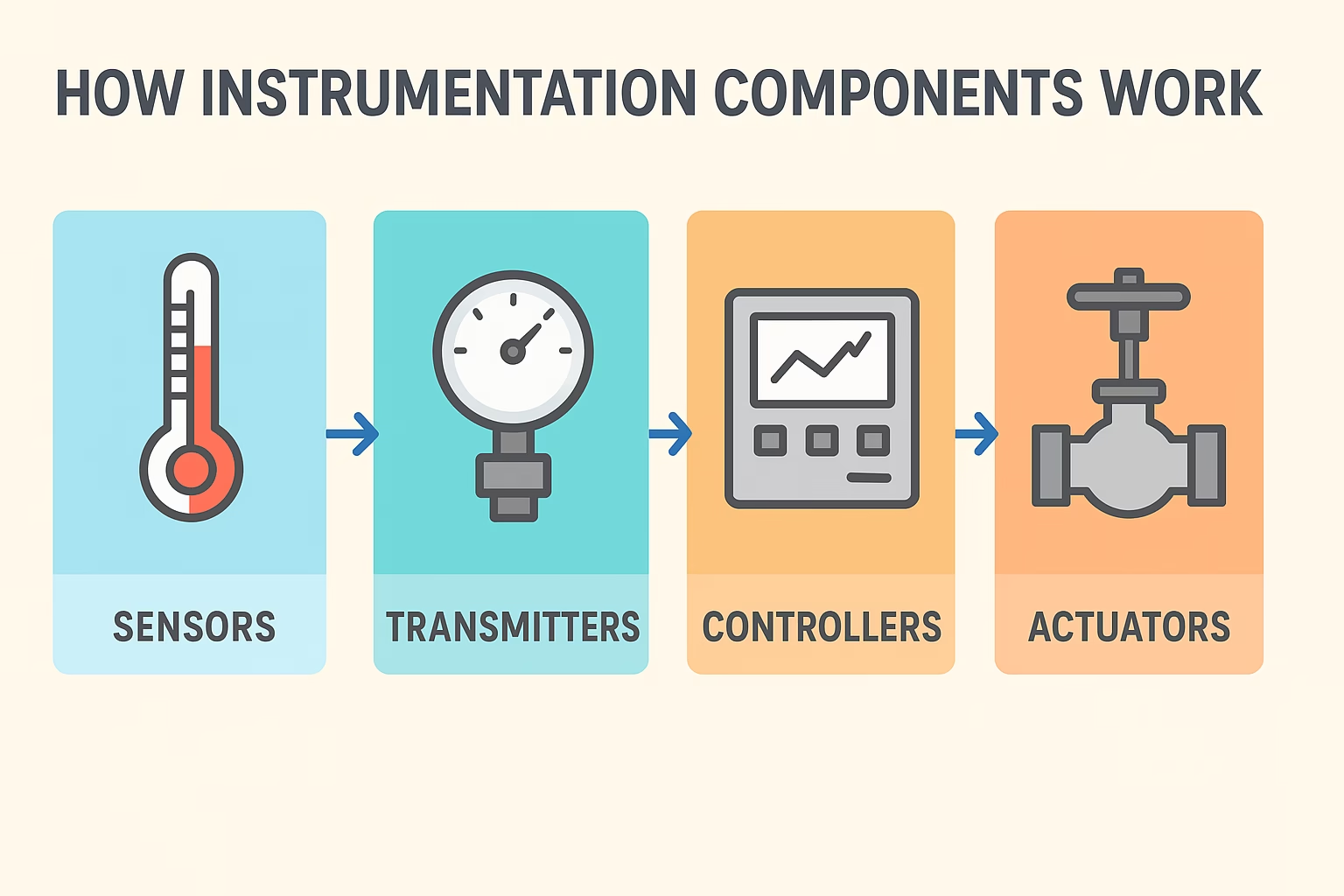
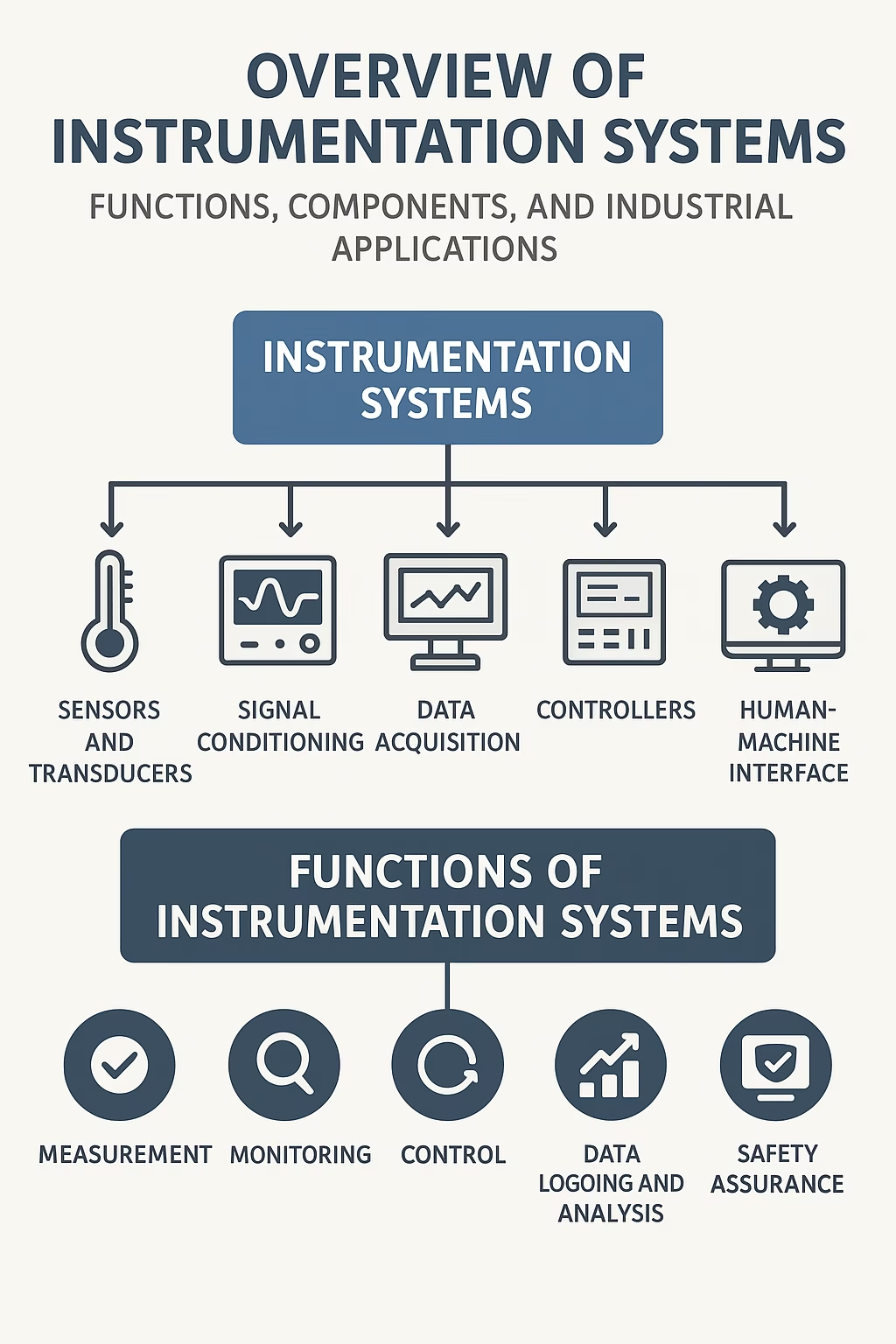
Industrial instrumentation refers to the science and technology of measuring and controlling physical quantities in industrial environments. It covers a wide range of devices, including:
- Sensors and Transducers – Convert physical variables into readable electrical signals.
- Transmitters – Send measurement data to control systems.
- Controllers – Process data and adjust process parameters automatically.
- Recorders and Displays – Store and present information for operators.
The goal of instrumentation is to provide accurate, reliable, and real-time data to support decision-making in industrial operations.
3. Importance of Instrumentation in Industrial Applications
Without instrumentation, industrial processes would be less efficient, less consistent, and more prone to failure. Key benefits include:
3.1 Accuracy in Measurement
Precise measurements ensure that products meet quality standards and comply with regulations.
3.2 Process Efficiency
Automation through instrumentation reduces waste, optimizes resource usage, and minimizes downtime.
3.3 Safety Enhancement
In industries such as oil & gas, chemical, and power generation, instrumentation helps prevent accidents by detecting anomalies before they become hazards.
3.4 Regulatory Compliance
Many industries are required to maintain strict environmental and safety standards, and instrumentation ensures compliance with these regulations.
4. Common Instrumentation in Industrial Applications
4.1 Instrumentation in Industrial Applications: Oil and Gas Industry
Instrumentation is essential for monitoring pipeline pressure, temperature, and flow rates. Advanced control systems help optimize extraction, refining, and transportation processes.
4.2 Chemical and Petrochemical Industry
Precise control of chemical reactions requires temperature, pH, and concentration monitoring to ensure product quality and operator safety.
4.3 Instrumentation in Industrial Applications: Power Generation
In power plants, instrumentation monitors steam pressure, turbine speed, and electrical output, ensuring efficient energy production and system stability.
4.4 Food and Beverage Industry
Instrumentation maintains temperature, humidity, and flow control to guarantee product safety and quality.
4.5 Instrumentation in Industrial Applications: Manufacturing and Automation
Automation relies on real-time feedback from sensors to coordinate machinery and maintain consistent production output.
5. Types of Instrumentation in Industrial Applications
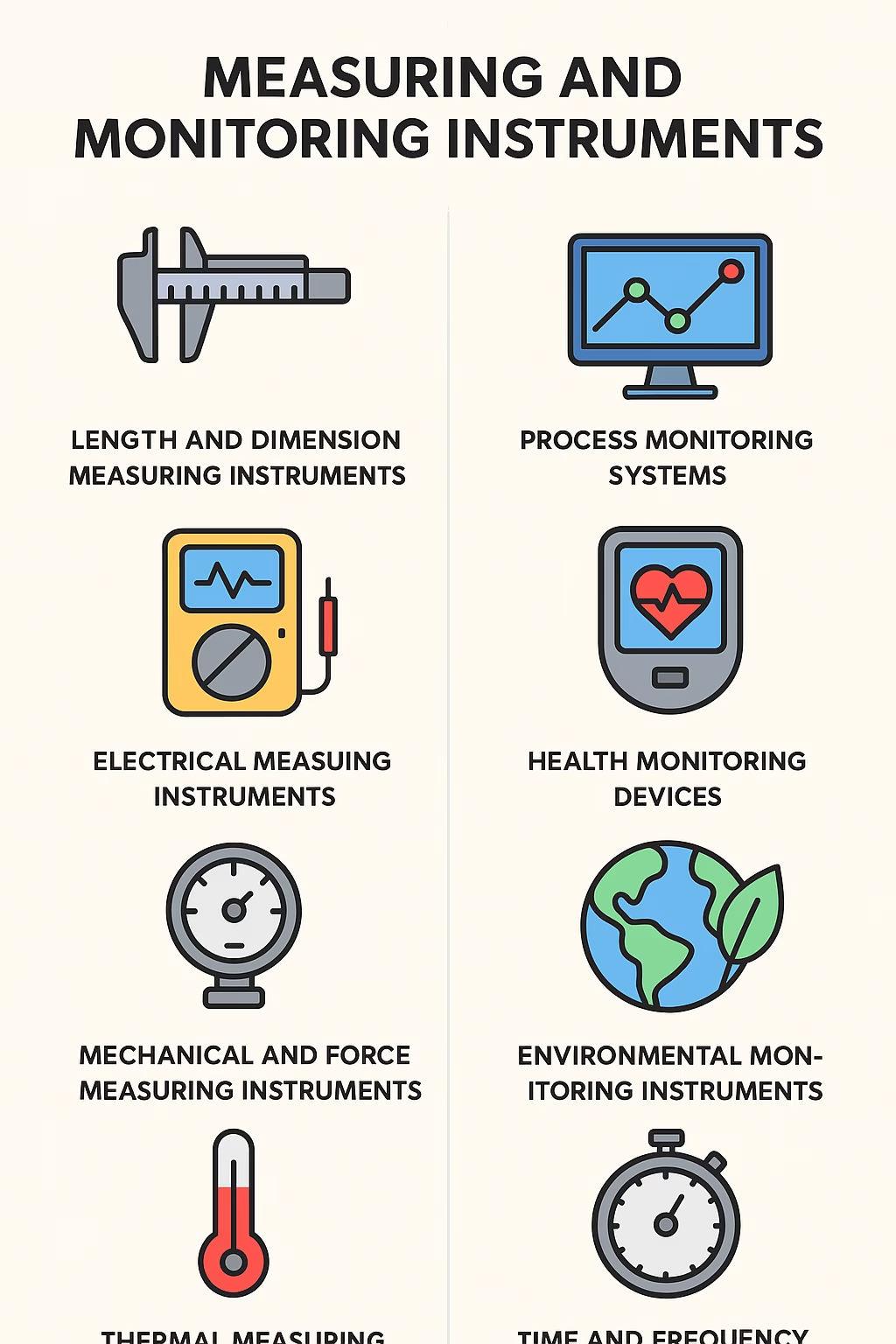
5.1 Pressure Instruments
- Pressure gauges, transmitters, and switches measure and control process pressures.
5.2 Temperature Instruments
- Thermocouples, RTDs (Resistance Temperature Detectors), and infrared sensors monitor and control temperature levels.
5.3 Flow Measurement Devices
- Flow meters (magnetic, ultrasonic, turbine) track liquid and gas flow rates.
5.4 Level Measurement Devices
- Ultrasonic, radar, and float sensors determine liquid levels in tanks and vessels.
5.5 Analytical Instruments
- pH meters, gas analyzers, and spectrophotometers analyze chemical compositions.
6. Instrumentation and Industry 4.0
The advent of Industry 4.0 has transformed traditional instrumentation into smart instrumentation. With the integration of Industrial Internet of Things (IIoT), cloud computing, and AI-based analytics, modern instruments can:
- Provide remote monitoring and control.
- Predict failures using predictive maintenance algorithms.
- Improve decision-making through data analytics and visualization.
This shift has made industrial operations more connected, intelligent, and autonomous.


7. Best Practices for Instrumentation in Industrial Applications
7.1 Regular Calibration
Ensures instruments maintain accuracy over time.
7.2 Preventive Maintenance
Reduces downtime and extends the lifespan of equipment.
7.3 Training for Operators
Helps personnel understand how to interpret and act on instrument data.
7.4 Integration with Control Systems
Linking instrumentation to SCADA (Supervisory Control and Data Acquisition) or DCS (Distributed Control Systems) allows for centralized process control.
8. Future Trends Instrumentation in Industrial Applications
- Wireless Instrumentation – Reduces cabling costs and improves flexibility.
- Miniaturization of Sensors – Enables use in more compact and portable applications.
- AI and Machine Learning Integration – Enhances predictive capabilities.
- Sustainability Monitoring – Instruments designed to track environmental impact and support green manufacturing.
9. Conclusion of Instrumentation in Industrial Applications
Instrumentation is the lifeline of industrial processes, ensuring accuracy, safety, and efficiency. From traditional pressure gauges to advanced IoT-enabled sensors, the role of instrumentation in industrial applications continues to expand. As industries adopt smarter technologies, instrumentation will remain at the core of innovation and operational excellence.
For businesses aiming to improve productivity and safety, investing in high-quality instrumentation systems is no longer optional — it’s essential.