Future trends in R&D ~ In a rapidly evolving global landscape, Research and Development (R&D) stands as the backbone of innovation, progress, and competitiveness. From tech giants to startups, governments to academic institutions, the role of R&D is more pivotal than ever. However, the nature of research itself is changing—fast. Driven by technological advancements, global collaboration, and pressing societal challenges, the future of R&D is taking on new forms.
This article explores the future trends in R&D that are expected to shape industries, influence policymaking, and revolutionize how we approach discovery and development.
1. Future Trends in R&D: Artificial Intelligence and Machine Learning
Artificial Intelligence (AI) is no longer just a tool for data processing—it’s becoming a co-researcher. AI-driven algorithms can now assist in generating hypotheses, designing experiments, and even analyzing results faster than traditional methods.
- AI-powered drug discovery has cut the time needed to identify viable compounds from years to months.
- In materials science, ML models can predict the properties of new materials before they are even synthesized.
- Predictive maintenance and digital twins are being used in industrial R&D to test product behavior in virtual environments.
As AI models become more powerful and interpretable, their integration into R&D will grow deeper and more autonomous.
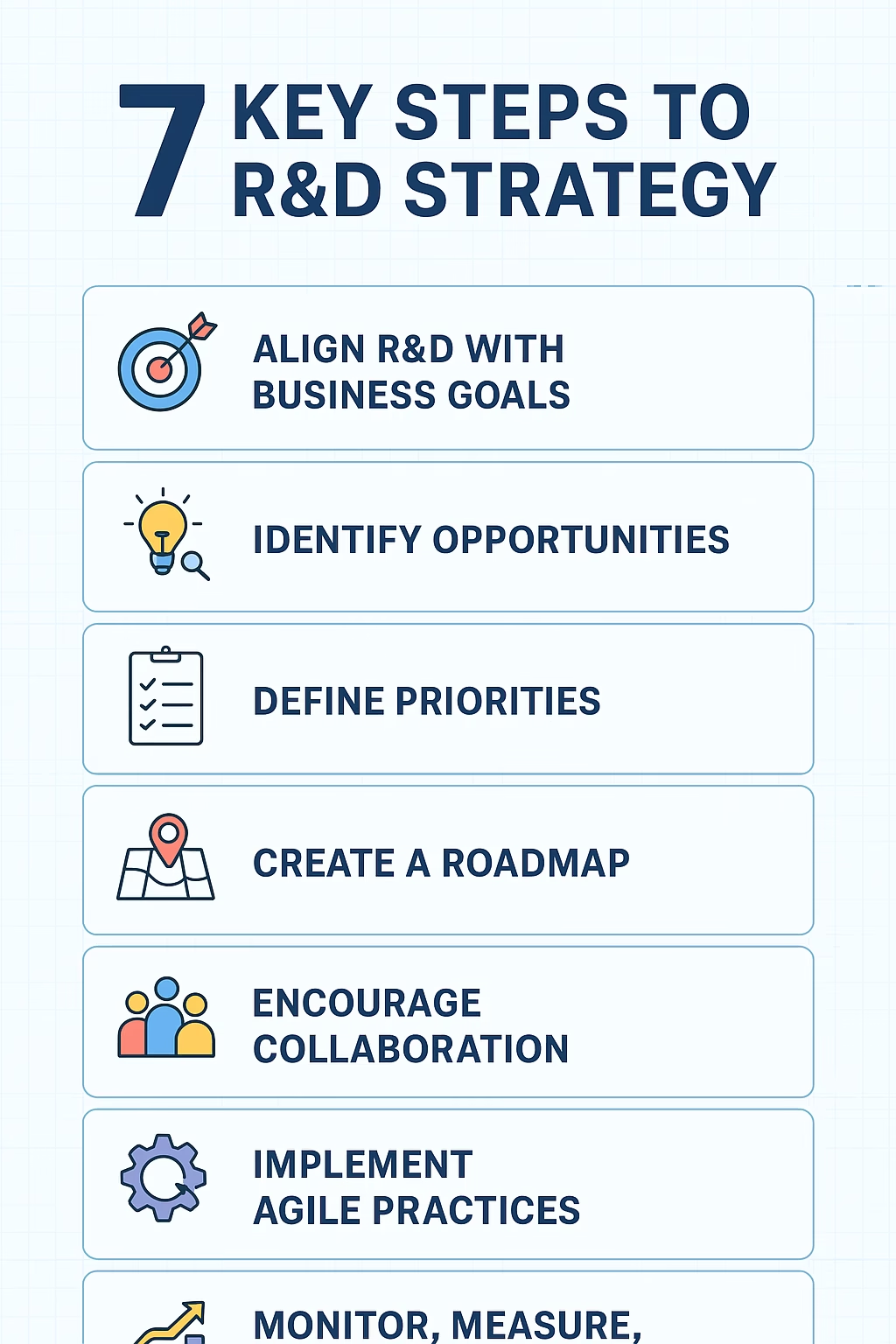
2. Future Trends in R&D: Sustainable and Green R&D
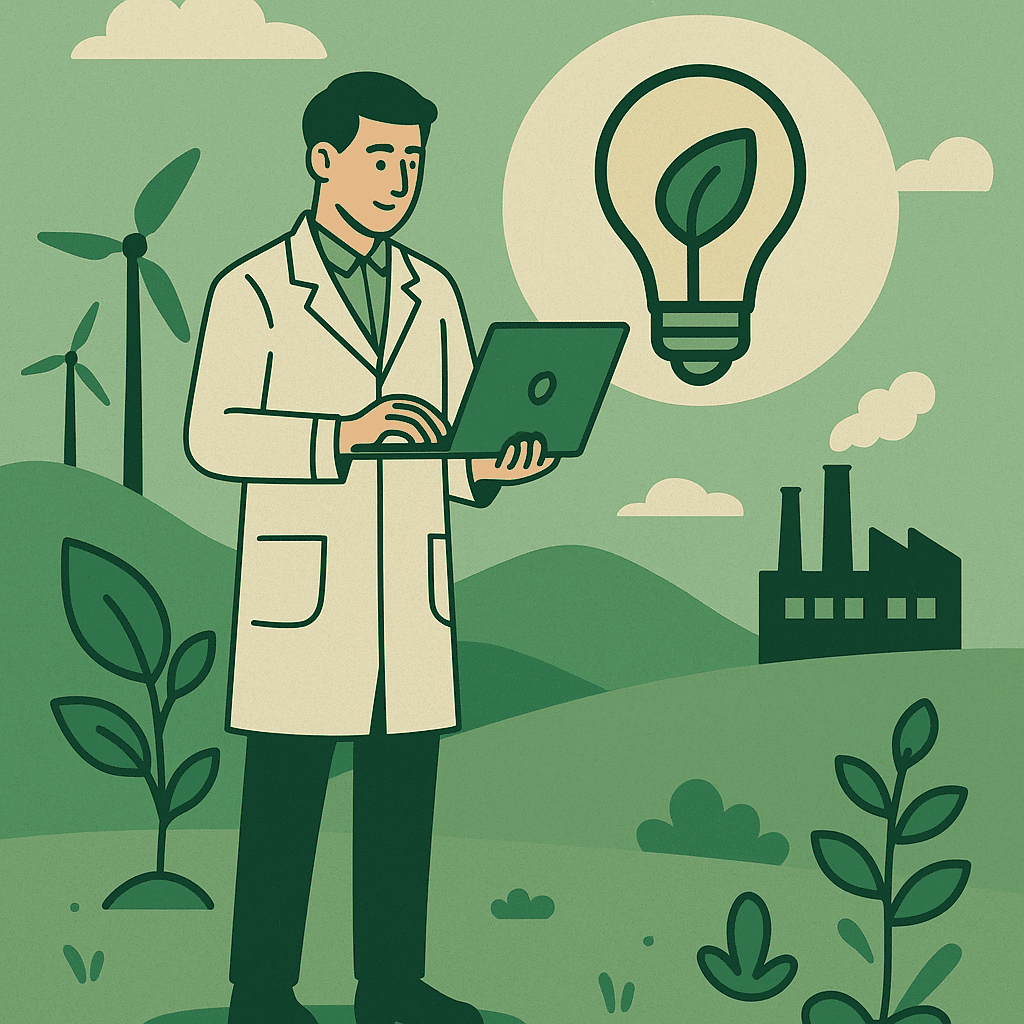
Environmental concerns and regulatory pressures are pushing companies toward sustainable innovation. R&D teams are now focusing on solutions that reduce carbon footprints, use renewable resources, and promote circular economy practices.
Key trends include:
- Eco-friendly material design using biodegradable or recyclable inputs.
- Green chemistry to reduce toxic waste in manufacturing.
- Energy-efficient technologies, such as low-power semiconductors and smart grids.
Sustainability is no longer a trend—it’s a requirement. Organizations that embed sustainability into their R&D processes will be better equipped for long-term success.
3. Future Trends in R&D: Open Innovation and Collaboration
Gone are the days of isolated R&D departments. The future is open innovation, where collaboration across companies, startups, universities, and even customers leads to more diverse and effective outcomes.
Examples of this shift:
- Crowdsourced problem solving on platforms like InnoCentive.
- Public-private partnerships for vaccine development and clean energy.
- Academic-industry joint labs, especially in biotech and semiconductors.
This democratization of innovation helps organizations tap into a broader talent pool and speed up the development cycle.
4. Future Trends in R&D: Decentralized and Remote
The COVID-19 pandemic accelerated the shift toward remote work, and R&D is no exception. With cloud platforms, virtual labs, and digital collaboration tools, research can now happen anywhere in the world.
- Cloud-based environments like JupyterHub or Google Colab allow for real-time data sharing and code collaboration.
- Remote prototyping using 3D printing and IoT devices is reducing the need for physical lab space.
- Blockchain is being explored for securing intellectual property and transparent data sharing.
This trend opens the door for global research teams and reduces the overhead costs of maintaining traditional lab environments.
5. Future Trends in R&D: Personalization and Human-Centered Design
With the rise of data-driven insights, R&D is moving towards human-centered design that prioritizes user experience and personalization.
In healthcare, for example:
- Precision medicine tailors treatment plans based on genetic and lifestyle data.
- In tech, personalized AI assistants are trained to respond to specific user behavior.
- In education, adaptive learning platforms evolve in real-time based on student performance.
Future R&D will need to deeply understand human behavior, emotions, and needs—not just technical feasibility.
6. Future Trends in R&D: Quantum Computing and Next-Gen Simulations
While still in early stages, quantum computing promises to revolutionize R&D by solving problems previously thought unsolvable.
Use cases include:
- Molecular modeling for complex drug and material simulations.
- Financial modeling for faster risk analysis and decision-making.
- Optimization problems in logistics, supply chains, and energy systems.
Although practical quantum applications are years away, early investment in this space will pay huge dividends for future-ready R&D departments.

7. Ethical, Regulatory, and Inclusive Innovation
The next frontier in R&D isn’t just technological—it’s ethical. As innovations become more powerful, the ethical implications of their use become more critical.
Future R&D will focus on:
- Ethical AI and bias-free algorithms.
- Data privacy compliance under global regulations like GDPR.
- Inclusive design to ensure accessibility across gender, race, and abilities.
R&D teams will increasingly need to collaborate with ethicists, legal experts, and social scientists to ensure responsible innovation.
8. Real-Time Feedback and Agile Methodologies
Inspired by software development, more R&D departments are adopting agile methods and real-time feedback loops to speed up iteration.
- Rapid prototyping and MVP (Minimum Viable Product) testing is common in product development.
- Digital feedback tools and analytics platforms allow teams to measure and pivot instantly.
- A/B testing and continuous experimentation are replacing long-form hypothesis cycles.
These techniques reduce time to market and increase the chance of product-market fit.
9. Future Trends in R&D: Automation and Robotics
Robotics and lab automation are transforming how experiments are conducted.
- Lab robots can conduct high-throughput screening without human intervention.
- Autonomous research systems like self-driving labs are emerging.
- Robotics improve repeatability, efficiency, and safety in chemical and biological research.
This level of automation frees up researchers to focus on creative and strategic tasks.
Conclusion
The future of R&D is decentralized, data-driven, collaborative, and ethical. Organizations that invest in emerging technologies, foster cross-disciplinary collaboration, and prioritize sustainability will lead the next wave of innovation.
By embracing these trends, R&D departments won’t just adapt to the future—they’ll define it.