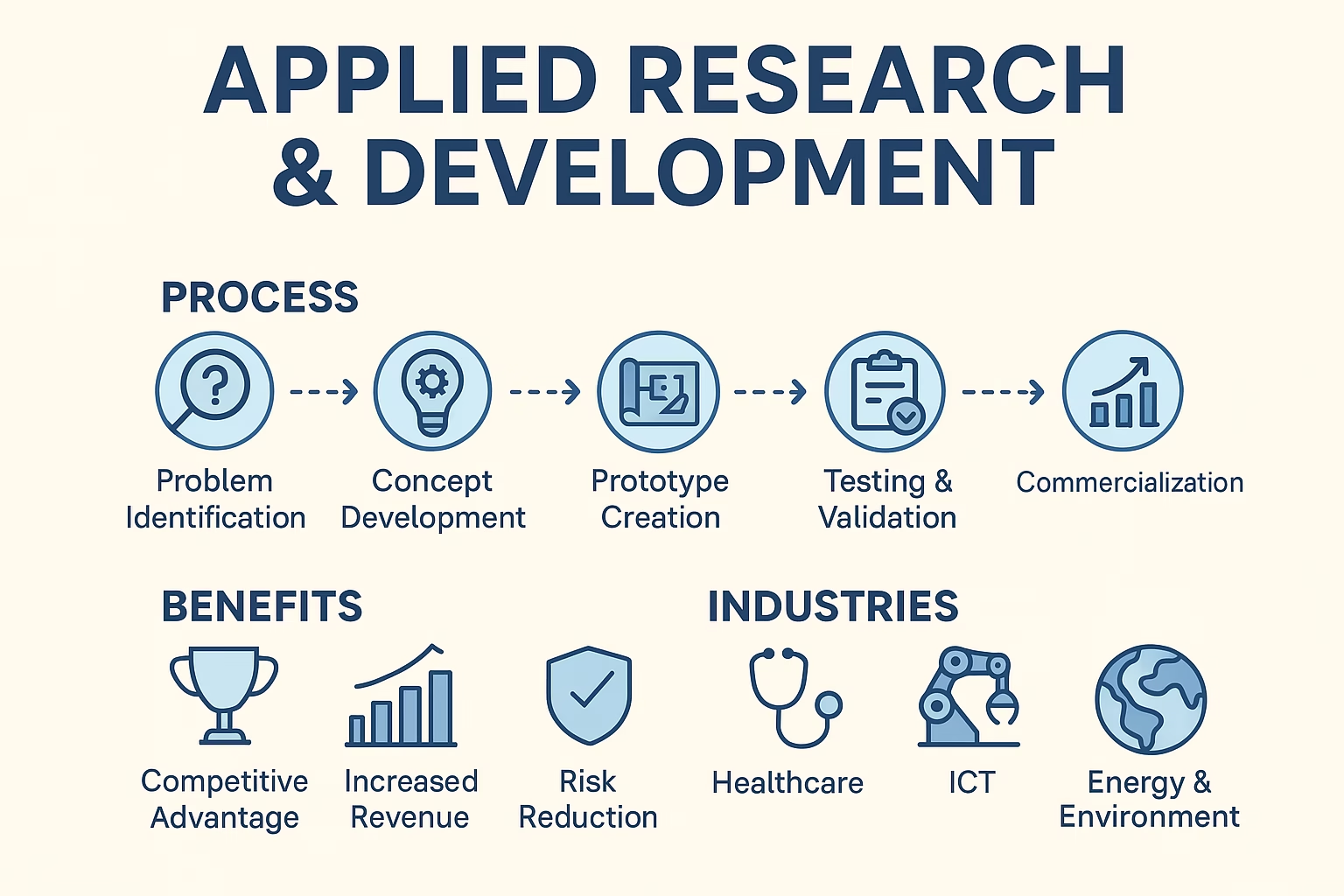
Key R&D in major industries ~ In today’s hyper-competitive and technology-driven world, Research and Development (R&D) has become the cornerstone of progress across every major industry. Whether it’s creating life-saving drugs, building energy-efficient cars, or developing smarter gadgets, R&D plays a vital role in driving innovation and sustaining growth.
This article explores key R&D focus areas across several critical sectors, shedding light on how different industries tailor their innovation strategies to meet unique challenges and opportunities.
1. R&D in Major Industries: Healthcare and Pharmaceuticals
The healthcare sector is arguably one of the most R&D-intensive industries globally. The need for innovation in this sector is driven by:
- Rising global health challenges
- Increasing chronic diseases
- Demand for personalized medicine
- Rapidly evolving pathogens (e.g., COVID-19)
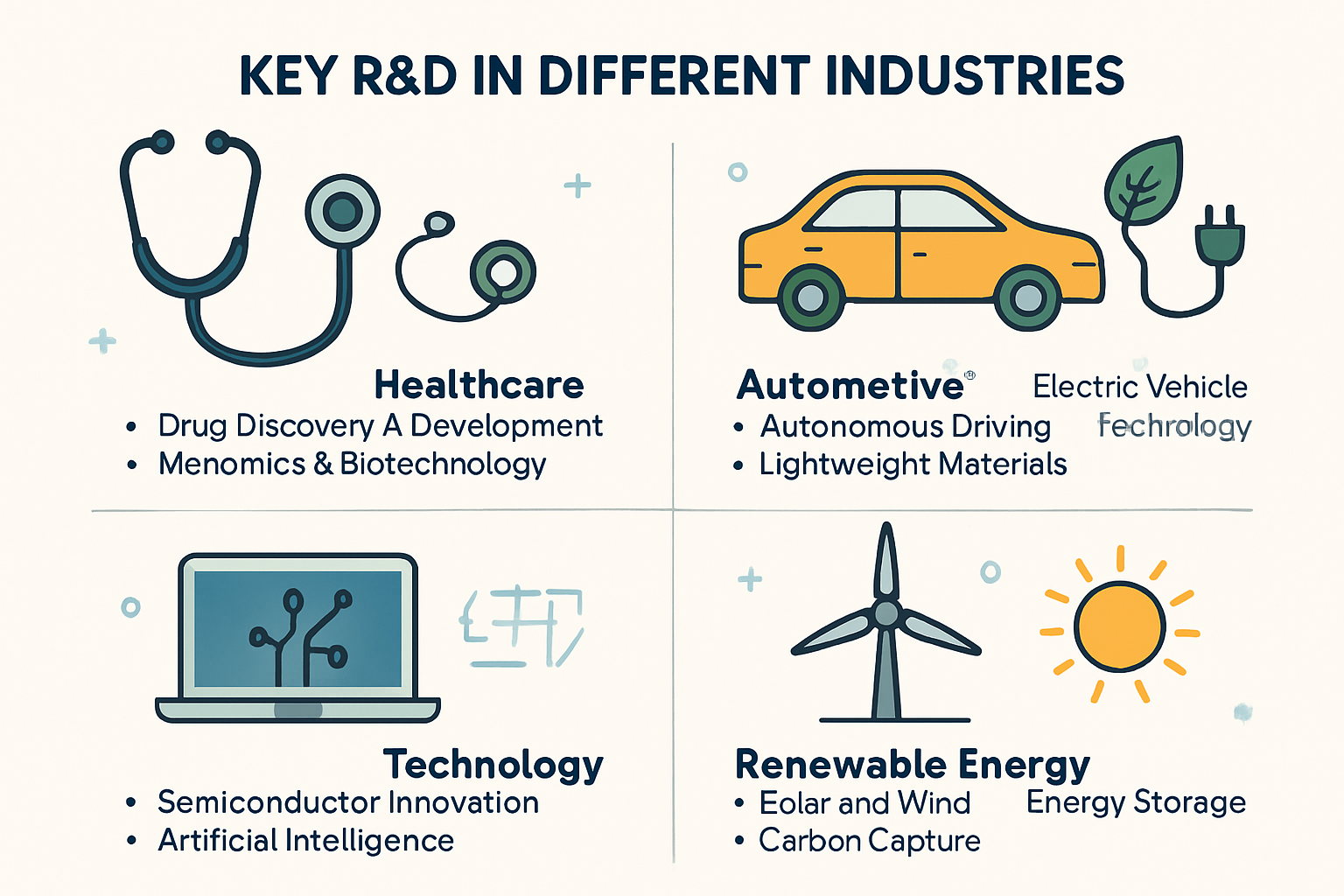
Key R&D Focus Areas:
- Drug Discovery & Development: Massive investment goes into developing new drugs, vaccines, and biological treatments.
- Genomics & Biotechnology: Research into gene editing (e.g., CRISPR), genome sequencing, and regenerative medicine.
- Medical Devices & Diagnostics: Smart diagnostics, wearable health tech, and AI-assisted imaging.
Notable Example:
Pfizer and BioNTech’s rapid development of the mRNA COVID-19 vaccine demonstrated how cutting-edge R&D can be accelerated under urgency without compromising safety.
2. R&D in Major Industries: Automotive and Transportation
R&D in the automotive industry has shifted gears in recent years due to:
- Stricter emission regulations
- Demand for electric and autonomous vehicles
- Sustainability goals
Key R&D Focus Areas:
- Electric Vehicle (EV) Technology: Battery efficiency, charging speed, and energy management systems.
- Autonomous Driving: Lidar, radar, sensor fusion, and AI-driven driving systems.
- Lightweight Materials: Innovations in materials science to improve vehicle fuel efficiency and safety.
Notable Example:
Tesla’s ongoing investment in battery research and AI-driven autopilot systems has placed it at the forefront of EV R&D globally.
3. R&D in Major Industries: Information Technology and Electronics
This industry is evolving at lightning speed, with R&D focused on enhancing computing power, connectivity, and user experience.
Key R&D Focus Areas:
- Semiconductor Innovation: Smaller, faster, more energy-efficient chips (e.g., 3nm processes).
- Artificial Intelligence (AI) & Machine Learning (ML): AI applications across industries, including speech recognition, robotics, and cybersecurity.
- 5G and Beyond: Research into 6G, low-latency connectivity, and edge computing.
Notable Example:
NVIDIA’s R&D in GPU technologies has led to breakthroughs in AI, gaming, and data center performance.
4. R&D in Major Industries: Renewable Energy and Environmental Technologies
With climate change being an urgent global issue, industries related to energy and environment are focusing their R&D efforts on sustainable solutions.
Key R&D Focus Areas:
- Solar and Wind Power Efficiency: Research into higher-efficiency photovoltaic cells and turbine design.
- Energy Storage: Advanced battery technology and grid-scale storage solutions.
- Carbon Capture and Recycling: CO₂ sequestration methods and sustainable materials.
Notable Example:
Companies like Siemens and General Electric invest heavily in R&D for renewable energy systems, contributing to greener power grids worldwide.
5. R&D in Major Industries: Manufacturing and Industry 4.0
Manufacturing industries are undergoing a digital transformation. R&D in this sector aims to make factories smarter, faster, and more sustainable.
Key R&D Focus Areas:
- Smart Manufacturing (Industry 4.0): IoT, automation, digital twins, and predictive maintenance.
- Additive Manufacturing (3D Printing): Rapid prototyping and complex part manufacturing.
- Robotics and Cobots: Development of collaborative robots that safely work alongside humans.
Notable Example:
Siemens and Bosch are leading in developing smart factory solutions powered by AI and real-time analytics.
6. R&D in Major Industries: Aerospace and Defense
This sector relies heavily on R&D due to the need for precision, safety, and advanced technology.
Key R&D Focus Areas:
- Aviation Efficiency: Lighter, more fuel-efficient aircraft.
- Defense Technologies: Stealth systems, unmanned vehicles, and cybersecurity.
- Space Exploration: Spacecraft propulsion, life support systems, and deep space communication.
Notable Example:
NASA and SpaceX’s collaborative R&D has led to reusable rocket technologies, making space more accessible.

7. Agriculture and Food Technology
Feeding a growing population with limited resources is a major global challenge, pushing R&D in agriculture to new heights.
Key R&D Focus Areas:
- Precision Agriculture: Use of drones, GPS, and sensors to optimize crop yields.
- Genetically Modified Crops: Research for disease-resistant and climate-tolerant crops.
- Alternative Proteins: Lab-grown meat, plant-based substitutes, and insect protein.
Notable Example:
Companies like Beyond Meat and Impossible Foods are leveraging food tech R&D to create sustainable protein sources.
8. Financial Services and Fintech
Though not traditionally viewed as an R&D-heavy sector, finance is now leveraging tech innovation to reshape services.
Key R&D Focus Areas:
- Blockchain Technology: Decentralized finance (DeFi), smart contracts, and secure transactions.
- AI and Big Data: Fraud detection, personalized banking, and automated investment advice.
- Cybersecurity: Advanced encryption and threat detection systems.
Notable Example:
Visa and Mastercard continuously invest in R&D for transaction security and seamless digital payments.
Conclusion: Key R&D in major industries
Regardless of the sector, R&D is essential for long-term success and competitiveness. It fuels innovation, improves efficiency, and opens up new markets. For businesses, investing in R&D isn’t just about staying current—it’s about shaping the future.
Companies that prioritize research and innovation are better equipped to:
- Anticipate consumer demands
- Adapt to market shifts
- Mitigate risks and remain sustainable
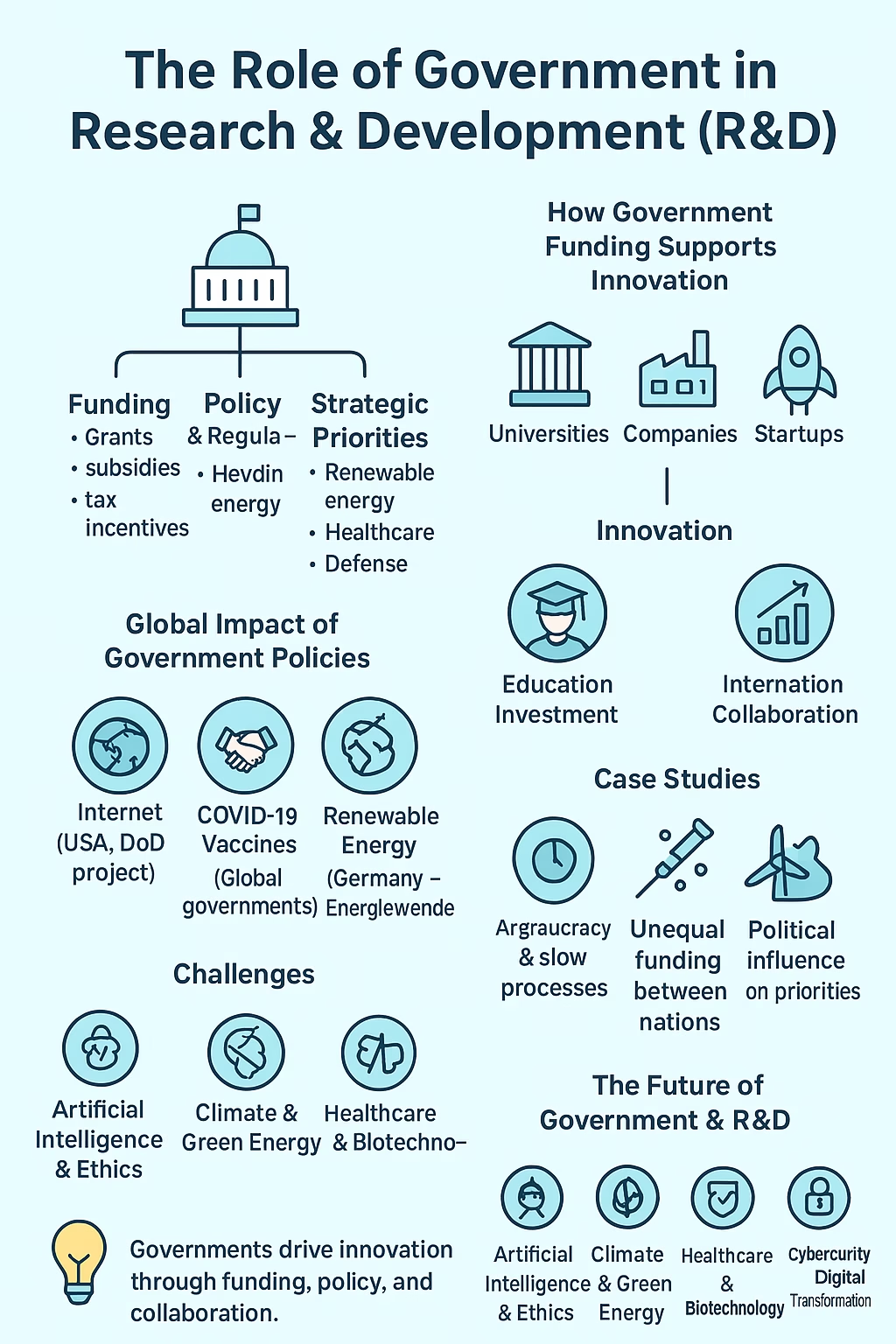
Governments, academia, and private organizations must continue collaborating to accelerate R&D and bring life-changing innovations to the forefront.
✅ Key Takeaways:
- R&D focus varies by industry but is universally critical for growth.
- Emerging technologies like AI, renewable energy, and biotechnology are at the center of many sectors’ R&D efforts.
- Cross-sector collaboration is crucial for maximizing the impact of R&D.