In the field of electrical engineering, Auxiliary Components in Electrical Systems play a critical role in supporting the operation, safety, and efficiency of electrical systems. While the main components—such as transformers, motors, and circuit breakers—handle the core functionality of generating, transmitting, or distributing electrical power, auxiliary components serve as supporting devices that enhance reliability, monitoring, control, and protection.
These auxiliary elements may not always be the “main stars” in an electrical setup, but they are indispensable in ensuring smooth operations, minimizing downtime, and protecting expensive equipment.
This article explores the functions, types, and applications of auxiliary components in electrical systems, providing insights into why they are crucial in both industrial and domestic setups.
What Are Auxiliary Components in Electrical Systems?
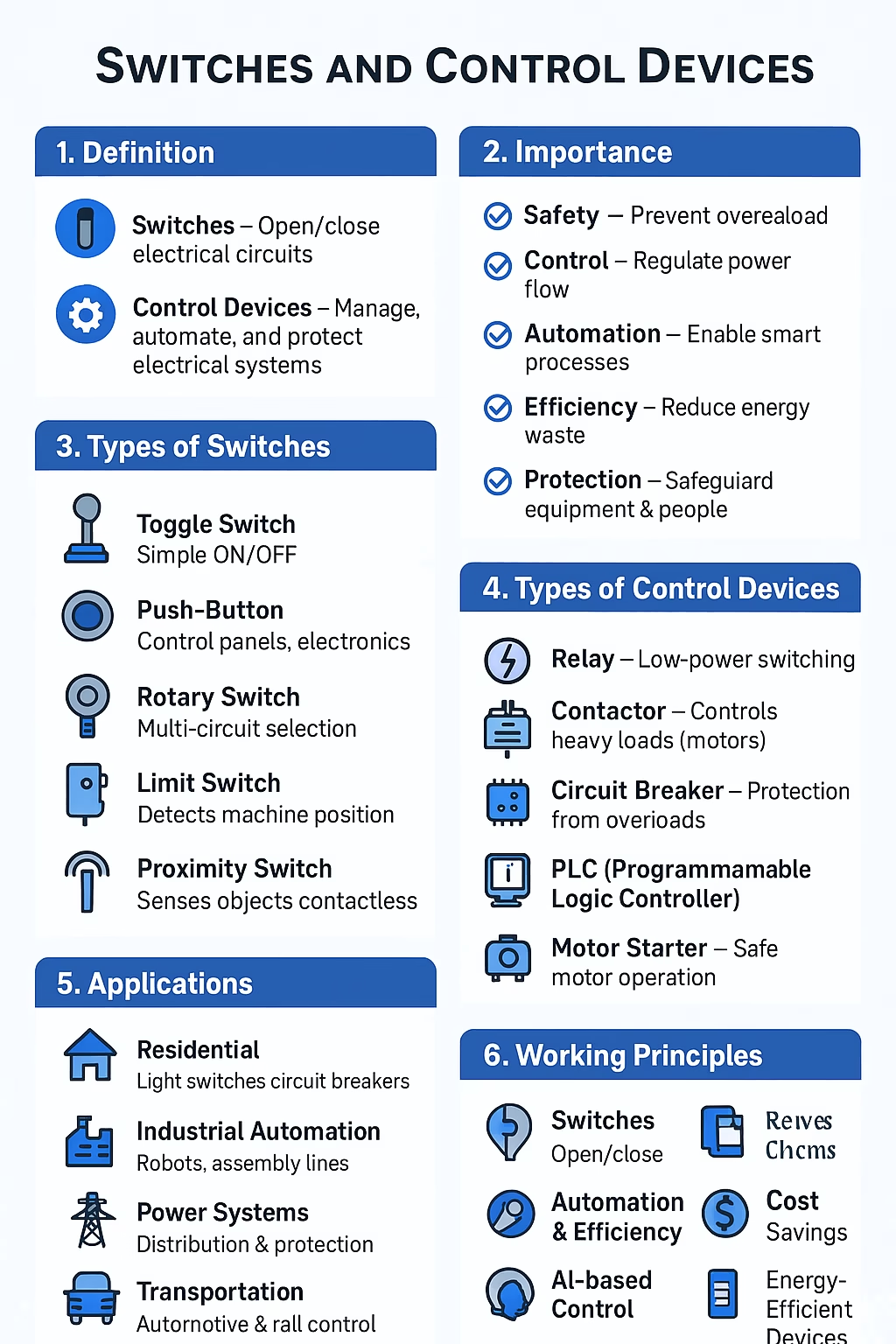
Auxiliary components are secondary devices or accessories used in electrical systems to provide control, monitoring, signaling, and safety functions. They are not directly responsible for power conversion or energy transfer but instead support the primary electrical devices to operate optimally.
In simple terms, if the main components are the “heart” of an electrical system, then auxiliary components are the “nervous system,” ensuring that everything runs smoothly, safely, and efficiently.
Functions of Auxiliary Components in Electrical Systems
Auxiliary components serve a wide variety of functions, including:
- Control and Regulation
- Devices like relays, timers, and contactors regulate when and how electrical systems operate.
- Monitoring and Indication
- Indicators, meters, and alarms help engineers monitor voltage, current, or system status.
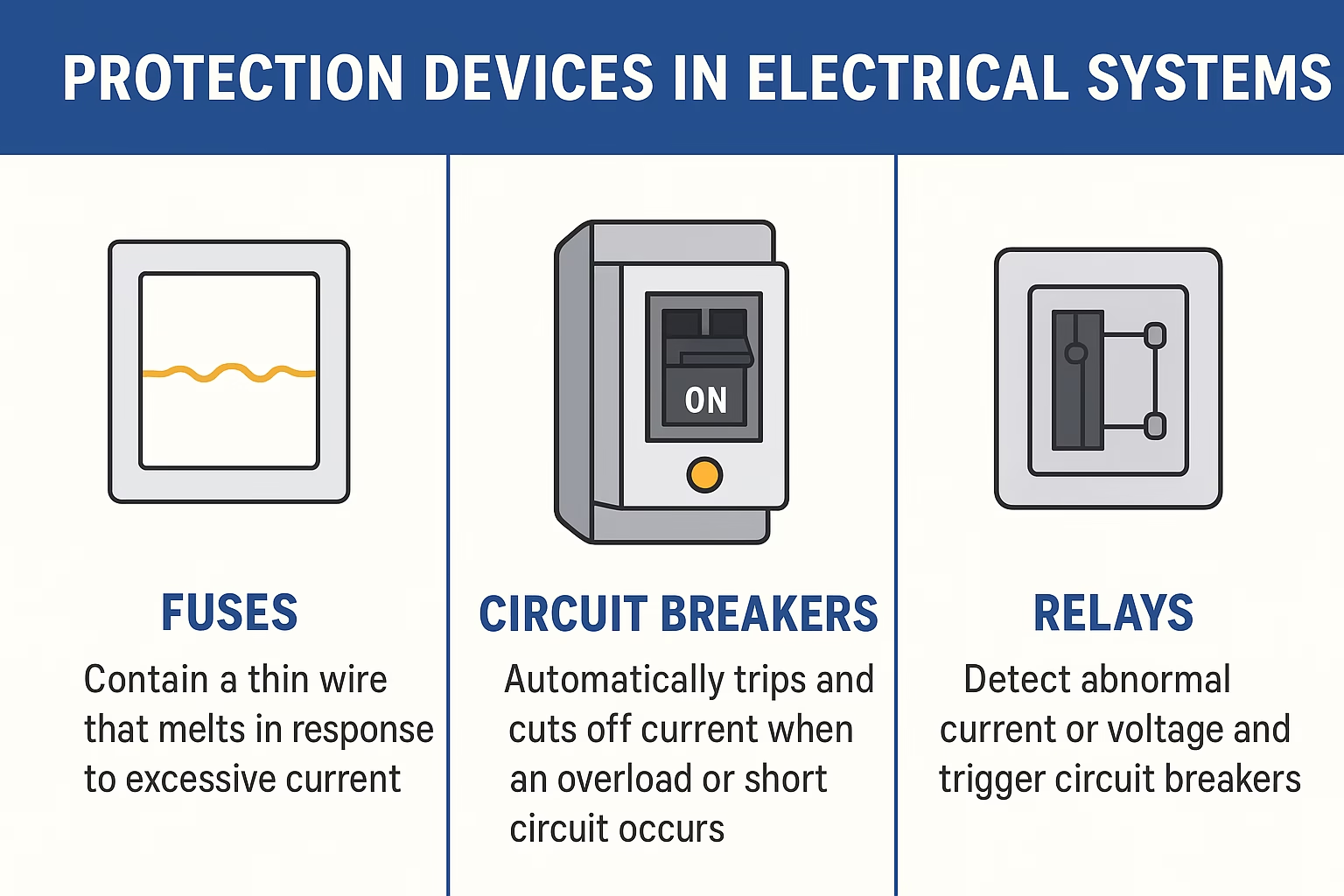
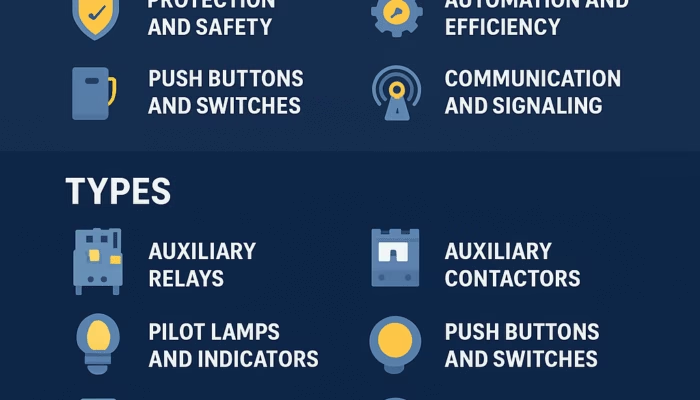
- Protection and Safety
- Auxiliary protective devices ensure the system shuts down or signals operators in case of faults.
- Automation and Efficiency
- Components such as sensors and controllers make systems more efficient and responsive.
- Communication and Signaling
- Auxiliary contacts, pilot lamps, and buzzers provide feedback to operators.
Types of Auxiliary Components in Electrical Systems
Auxiliary components vary widely depending on the application. Below are the most common types:
1. Auxiliary Relays
Relays are electromagnetic switches used for control and automation. Auxiliary relays handle signaling and interlocking in complex electrical systems.
Applications:
- Automatic switching in motor control circuits
- Protection circuits in substations
- Alarm signaling in power plants
2. Auxiliary Contactors
Contactors are used for switching large electrical loads. Auxiliary contactors, however, manage smaller currents and are often used for control and signaling.
Applications:
- Motor starter circuits
- Lighting control systems
- Industrial automation panels
3. Pilot Lamps and Indicators
Pilot lamps provide visual indications of electrical system status (ON/OFF, fault conditions, or load status).
Applications:
- Control panels in factories
- Electrical distribution boards
- Switchgear equipment
4. Push Buttons and Switches
Push buttons are simple yet essential auxiliary components for manual control. They start, stop, or reset circuits.
Applications:
- Emergency stop systems
- Machinery control panels
- Consumer appliances
5. Timers
Timers control the duration of electrical operations, ensuring processes occur within defined time frames.
Applications:
- Delay switching in motor circuits
- Sequential operations in automation systems
- Lighting controls
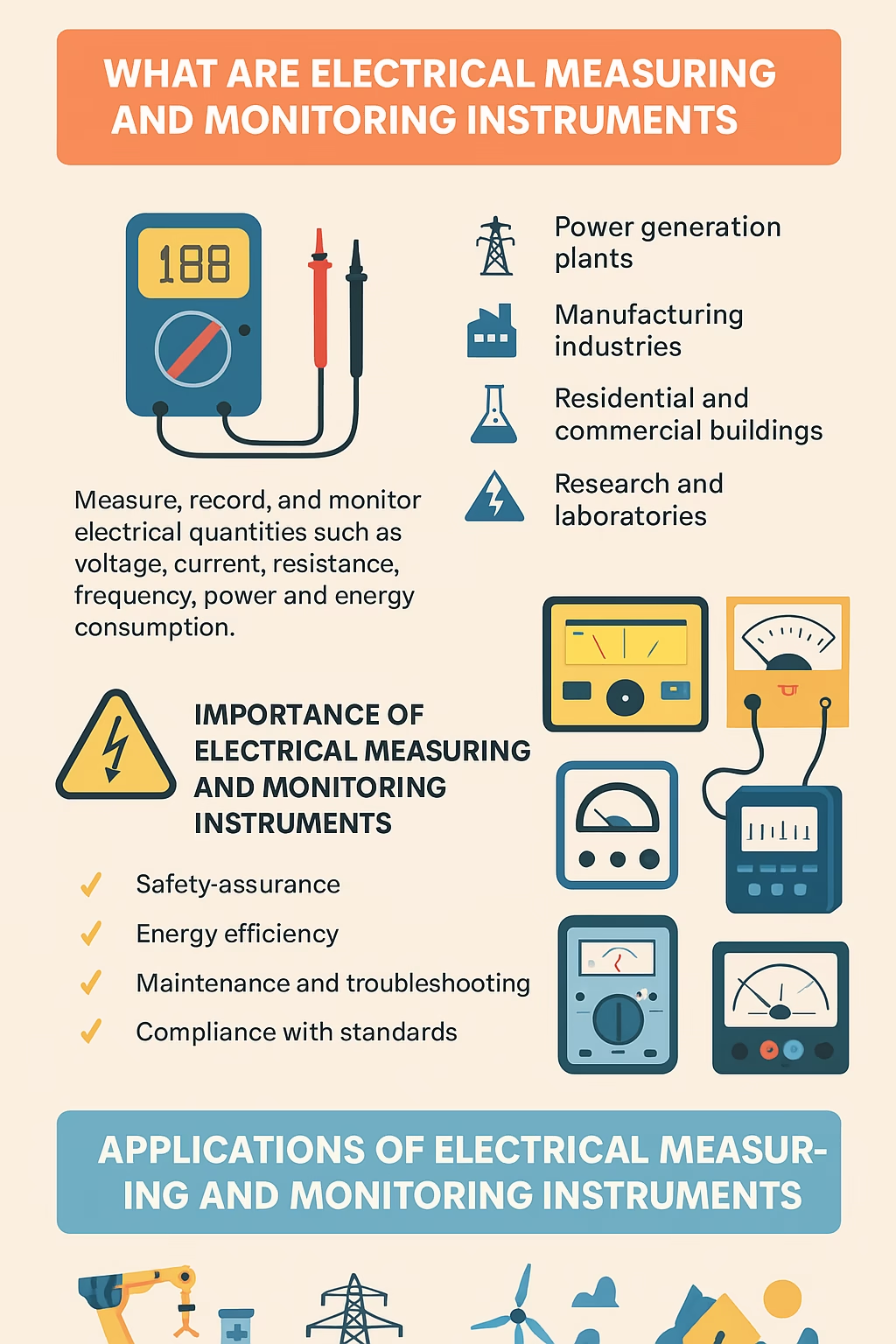
6. Measuring Instruments (Meters and Gauges)
These include ammeters, voltmeters, and energy meters that help monitor electrical performance.
Applications:
- Monitoring industrial equipment
- Residential power measurement
- Energy auditing
7. Alarms and Buzzers
Used for signaling abnormal conditions in electrical systems.
Applications:
- Fire alarm systems
- Fault indicators in power plants
- Industrial safety panels
8. Sensors and Detectors
These are advanced auxiliary components that detect parameters such as temperature, pressure, or motion.
Applications:
- HVAC systems
- Smart grid applications
- Industrial process monitoring

Importance of Auxiliary Components in Electrical Systems
Auxiliary components are often overlooked, but their importance cannot be overstated:
- Safety: Prevents accidents by signaling or stopping systems during faults.
- Efficiency: Optimizes energy consumption by ensuring precise control.
- Reliability: Ensures uninterrupted operation by providing backup signals and monitoring.
- Automation: Enables advanced control and integration with modern technologies.
Without auxiliary components, even the most advanced electrical system would lack the ability to function reliably and safely.
Applications of Auxiliary Components in Electrical Systems Across Industries
- Industrial Sector
- Control panels, motor starters, and protective systems rely heavily on auxiliary devices.
- Power Generation and Distribution
- Substations and switchgear use relays, alarms, and meters extensively.
- Residential Applications
- Indicators, switches, and protective devices ensure safe household power use.
- Commercial Buildings
- Lighting control, HVAC systems, and elevators rely on auxiliary components.
- Automation and Robotics
- Sensors, timers, and relays are essential for automation.
Future of Auxiliary Components in Electrical Systems
With the rise of smart grids, IoT (Internet of Things), and automation, auxiliary components are becoming smarter and more interconnected. Future auxiliary devices will integrate advanced monitoring, wireless communication, and AI-driven predictive maintenance.
This evolution will not only improve efficiency but also reduce operational costs and downtime in industrial and residential systems.
Conclusion
Auxiliary components may be secondary to main electrical devices, but their role in ensuring safety, control, monitoring, and efficiency is indispensable. From relays and timers to sensors and alarms, these components form the backbone of modern electrical systems.
For industries, businesses, and households, understanding and implementing the right auxiliary components can mean the difference between a safe, efficient system and one prone to failures.
As electrical technology advances, the role of auxiliary components will continue to grow, making them an essential subject for engineers, technicians, and anyone interested in electrical systems.