

Introduction of Troubleshooting Electrical Systems
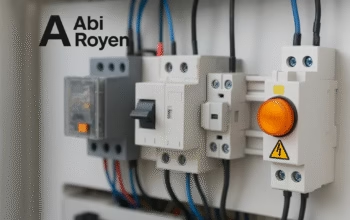
Troubleshooting electrical systems is a vital skill for electricians, engineers, and technicians in various industries. Whether you are working on residential wiring, industrial machinery, or commercial building systems, the ability to quickly locate and resolve electrical faults can save time, reduce downtime, and prevent costly damage.
This guide will walk you through the fundamentals of troubleshooting electrical systems, the tools you need, safety measures to follow, and a systematic approach to solving problems effectively.
1. Understanding the Basics of Electrical Systems
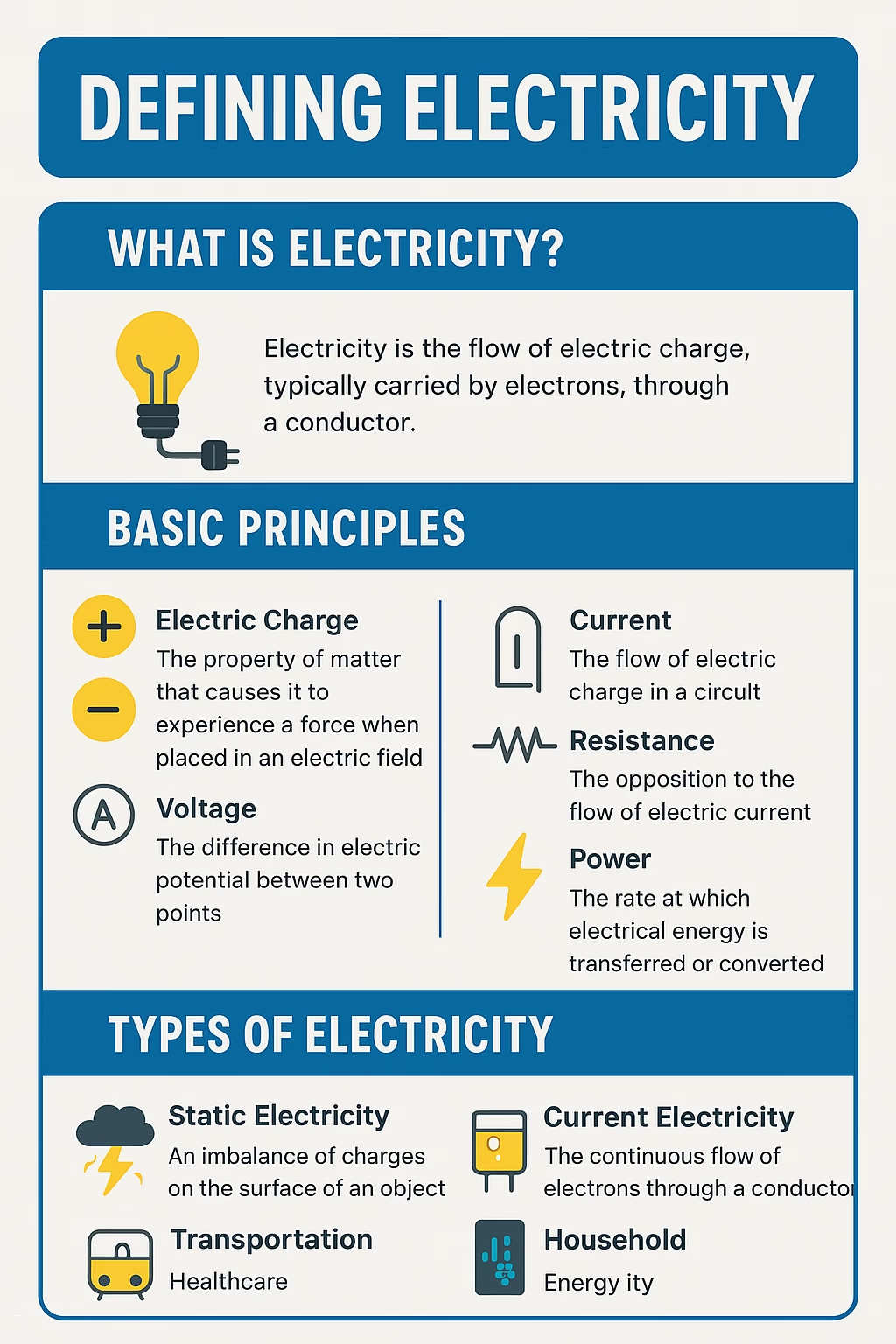
Before you start troubleshooting, you must understand the basic components and operation of an electrical system. A standard electrical system consists of:
- Power Source: Such as generators, transformers, or the main power grid.
- Conductors: Wires and cables that transmit electricity.
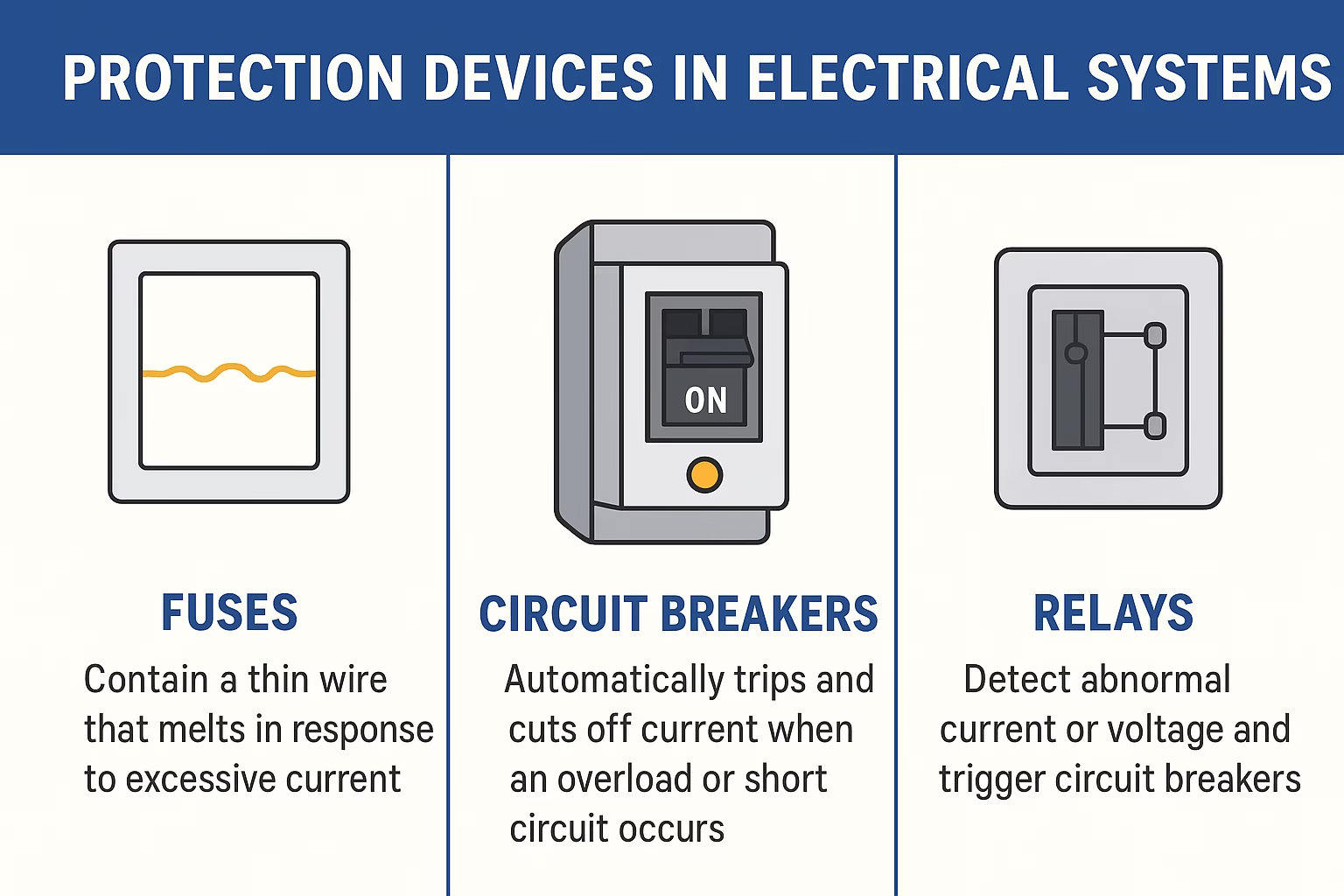
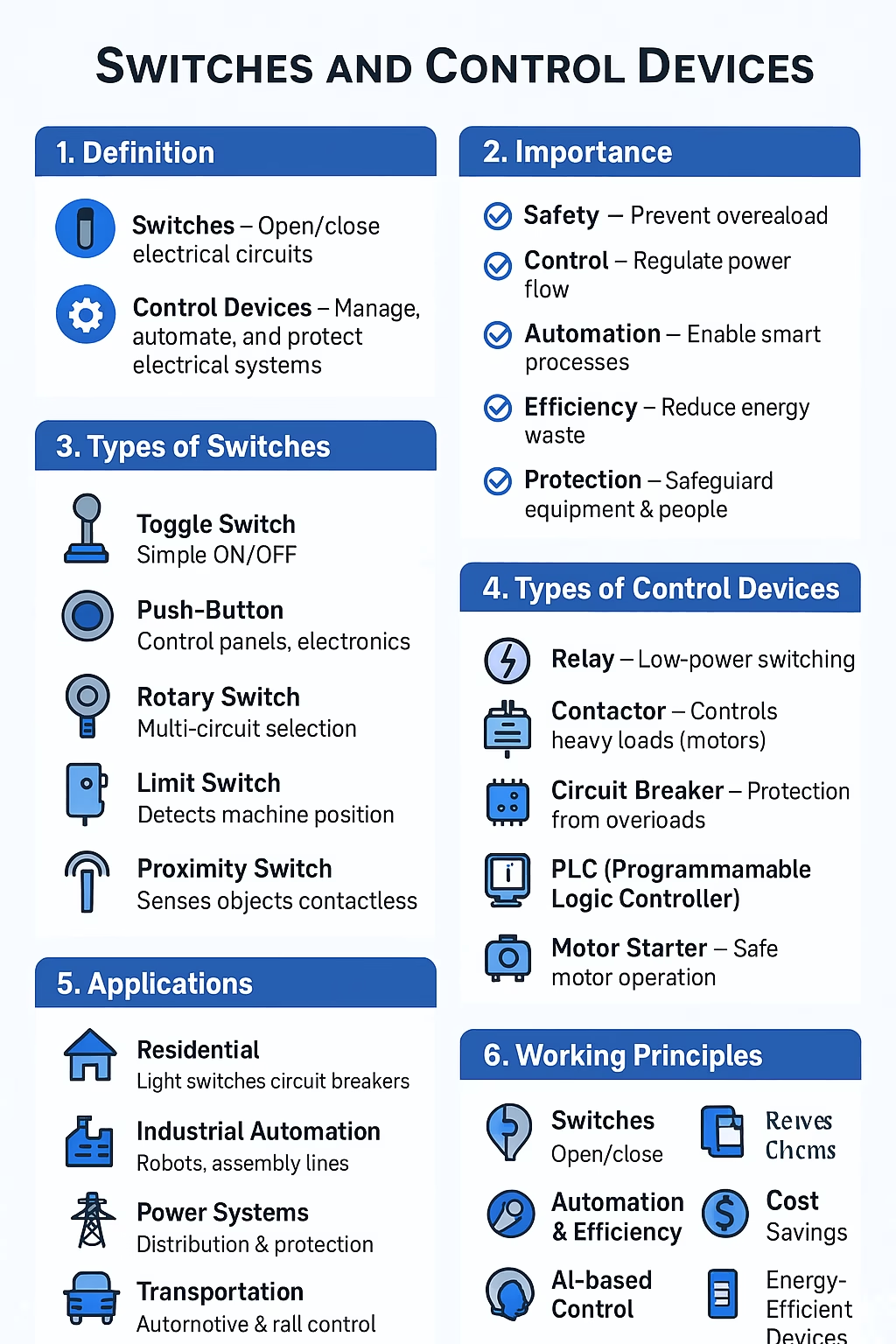
- Control Devices: Switches, relays, and circuit breakers that regulate current flow.
- Load Devices: Appliances, motors, lights, and other equipment that consume electricity.
- Protective Devices: Fuses, ground fault circuit interrupters (GFCIs), and surge protectors to prevent damage and hazards.
Understanding how these components interact helps you narrow down the possible causes when problems occur.
2. Common Electrical Problems
Electrical issues can arise from various causes, but some are more frequent than others:
- Power Outages or Voltage Drops – Often caused by faulty breakers, damaged wiring, or utility issues.
- Overloaded Circuits – Too many devices drawing power from the same circuit.
- Short Circuits – When a live wire touches a neutral or ground wire, causing a surge of current.
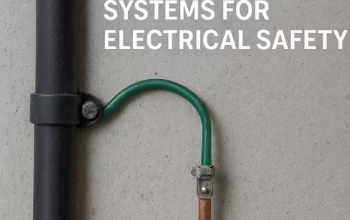
- Ground Faults – Unintended electrical paths to ground, often in wet environments.
- Component Failures – Burnt-out motors, damaged relays, or failed capacitors.
- Intermittent Problems – Loose connections or temperature-dependent faults.
3. Safety Precautions Before Troubleshooting Electrical Systems
Electrical troubleshooting involves working with potentially dangerous voltages and currents. Safety must always come first.
- Turn Off Power: Use lockout/tagout (LOTO) procedures before touching any circuit.
- Use Insulated Tools: Prevent accidental shocks.
- Wear Personal Protective Equipment (PPE): Such as gloves, safety glasses, and flame-resistant clothing.
- Test Before Touching: Use a voltage tester to confirm the circuit is de-energized.
- Avoid Wet Conditions: Moisture increases the risk of electric shock.
4. Essential Tools for Troubleshooting Electrical Systems
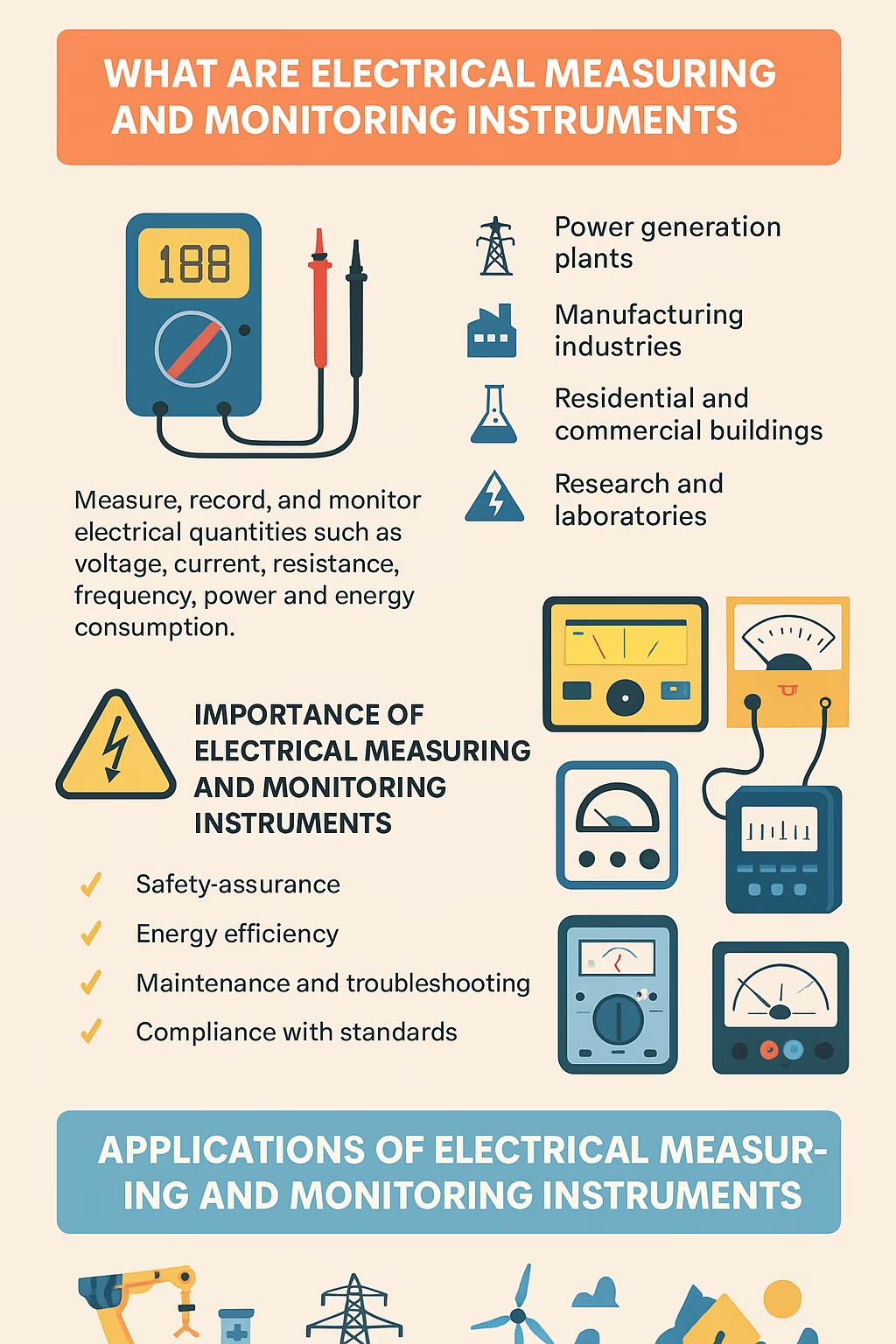
To diagnose and fix electrical issues, you will need a variety of tools, including:
- Multimeter: For measuring voltage, current, and resistance.
- Clamp Meter: For checking current without disconnecting wires.
- Insulation Resistance Tester (Megger): For detecting insulation breakdown.
- Continuity Tester: To check if a circuit is complete.
- Circuit Tracer: To locate wiring paths and faults inside walls.
- Thermal Imaging Camera: To identify overheating components.
5. Step-by-Step Troubleshooting Electrical Systems Process
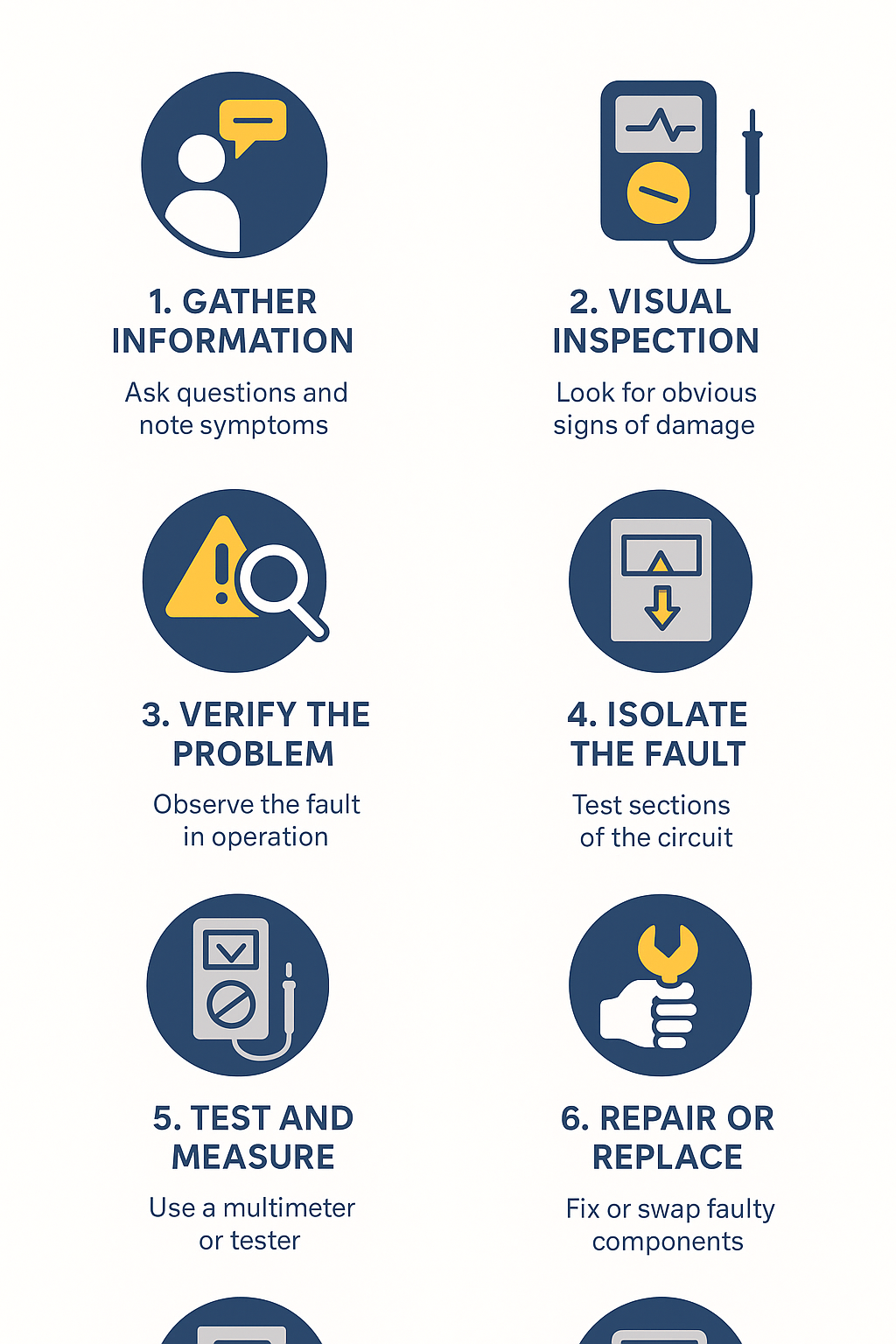
Step 1: Gather Information
Talk to the user or operator to understand the symptoms. Ask questions like:
- When did the problem start?
- Is it constant or intermittent?
- What changes were made before the problem occurred?
Step 2: Visual Inspection
Look for obvious signs such as burnt marks, loose wires, tripped breakers, or unusual smells.
Step 3: Verify the Problem
Turn on the system and observe the fault if it’s safe to do so. This helps you understand when and how the problem occurs.
Step 4: Isolate the Fault
Using your tools, test different sections of the circuit. Narrow down the location of the fault by checking from the power source toward the load.
Step 5: Test and Measure
Use a multimeter or other testing devices to measure voltage, resistance, and continuity. Compare your readings with normal operating values.
Step 6: Repair or Replace Faulty Components
Once you identify the faulty part, repair or replace it according to manufacturer specifications.
Step 7: Test the System Again
After repairs, restore power and test the system to ensure the problem is resolved.
Step 8: Document the Process
Record the issue, the steps taken, and the parts replaced for future reference and preventive maintenance.
6. Best Practices for Effective Troubleshooting Electrical Systems
- Follow a Logical Sequence: Avoid guessing and randomly replacing parts.
- Use Schematic Diagrams: These help you understand the circuit layout.
- Be Patient with Intermittent Faults: They may require extended observation.
- Regular Maintenance: Prevents many issues before they occur.
- Stay Updated: Learn new troubleshooting techniques and safety standards.

7. Troubleshooting Electrical Systems in Different Environments
Residential Systems
Common problems include blown fuses, tripped breakers, and faulty outlets.
Commercial Systems
Issues often involve lighting control systems, HVAC circuits, and backup generators.
Industrial Systems
Troubleshooting here may require more advanced tools and knowledge, as problems can involve large motors, programmable logic controllers (PLCs), and high-voltage equipment.
8. Preventive Measures to Reduce Future Problems
- Routine Inspections: Check connections, insulation, and grounding regularly.
- Load Balancing: Prevent overloads by distributing electrical loads evenly.
- Surge Protection: Protect sensitive electronics from voltage spikes.
- Training: Ensure personnel know basic troubleshooting and safety rules.
Conclusion of Troubleshooting Electrical Systems
Troubleshooting electrical systems is both a science and an art. With the right knowledge, tools, and safety measures, you can identify and resolve faults efficiently while keeping people and equipment safe. By following a systematic approach, you not only fix current issues but also prevent future problems, ensuring that electrical systems operate reliably for years to come.