



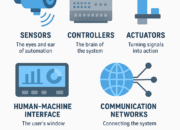
Components of automation, sensors, controllers, actuators, communication systems. Elements work together to improve efficiency, reliability, productivity.
industrial automation
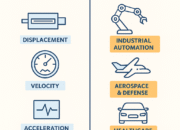
Motion Instrumentation: Principles, Applications, and Future Trends
Motion instrumentation, principles, applications, technologies, future trends. Measurement enhances automation, robotics, and precision engineering.
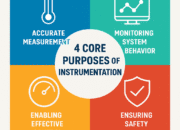
The Core Purpose of Instrumentation: Enhancing Control, Measurement, and Efficiency
Core Purpose of Instrumentation in engineering and industry. Learn how instrumentation improves measurement, control, safety, and efficiency in modern systems.
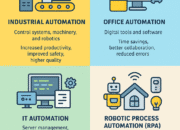
Types of Automation: A Comprehensive Guide to Modern Applications
Types of automation including industrial, office, IT, home automation. Learn how each type works, their benefits, and real-world applications in today’s world.
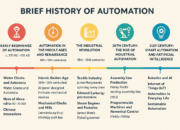
Brief History of Automation: From Ancient Innovations to Modern Industry
Brief history of automation, from early mechanical inventions to modern robotics and AI-driven systems shaping today’s industries.
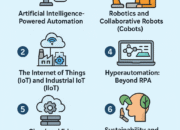
Future Trends in Automation: Shaping the Next Industrial Revolution
Future Trends in Automation, from AI and robotics to IoT and smart manufacturing. Learn how these innovations are shaping the next industrial revolution.
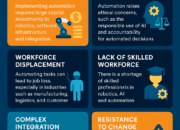
Challenges of Automation: Overcoming Barriers in the Modern Era
Challenges of automation, cost, workforce disruption, cybersecurity risks, implementation barriers. Strategies overcome these challenges industries worldwide.
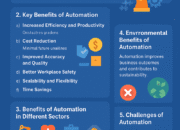
The Benefits of Automation: Transforming Industries and Daily Life
Benefits of automation in industries, businesses, and daily life. Learn how automation boosts efficiency, reduces costs, and improves productivity.
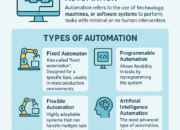
What is Automation? A Complete Guide to Understanding Its Role in Modern Technology
What is automation, types, benefits, applications in industries. Learn how automation improves efficiency, reduces costs, drives innovation in today’s world.
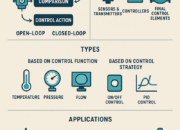
Control Instrumentation: Principles, Types, and Applications in Modern Industries
1. Introduction to Control Instrumentation Control instrumentation refers to the collection of devices, systems, and techniques used to monitor, measure, and control industrial processes. These instruments ensure that systems operate within desired parameters, maintaining efficiency, safety, and product quality.From temperature and pressure regulation to automated flow control, control instrument plays a crucial role in industries such as oil & gas,…
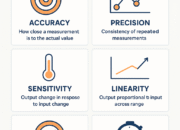
Principles of Instrumentation: Understanding the Fundamentals for Accurate Measurements
Principles of Instrumentation