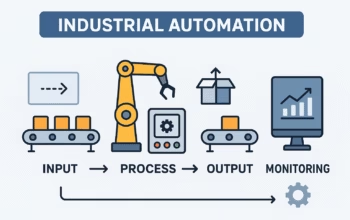
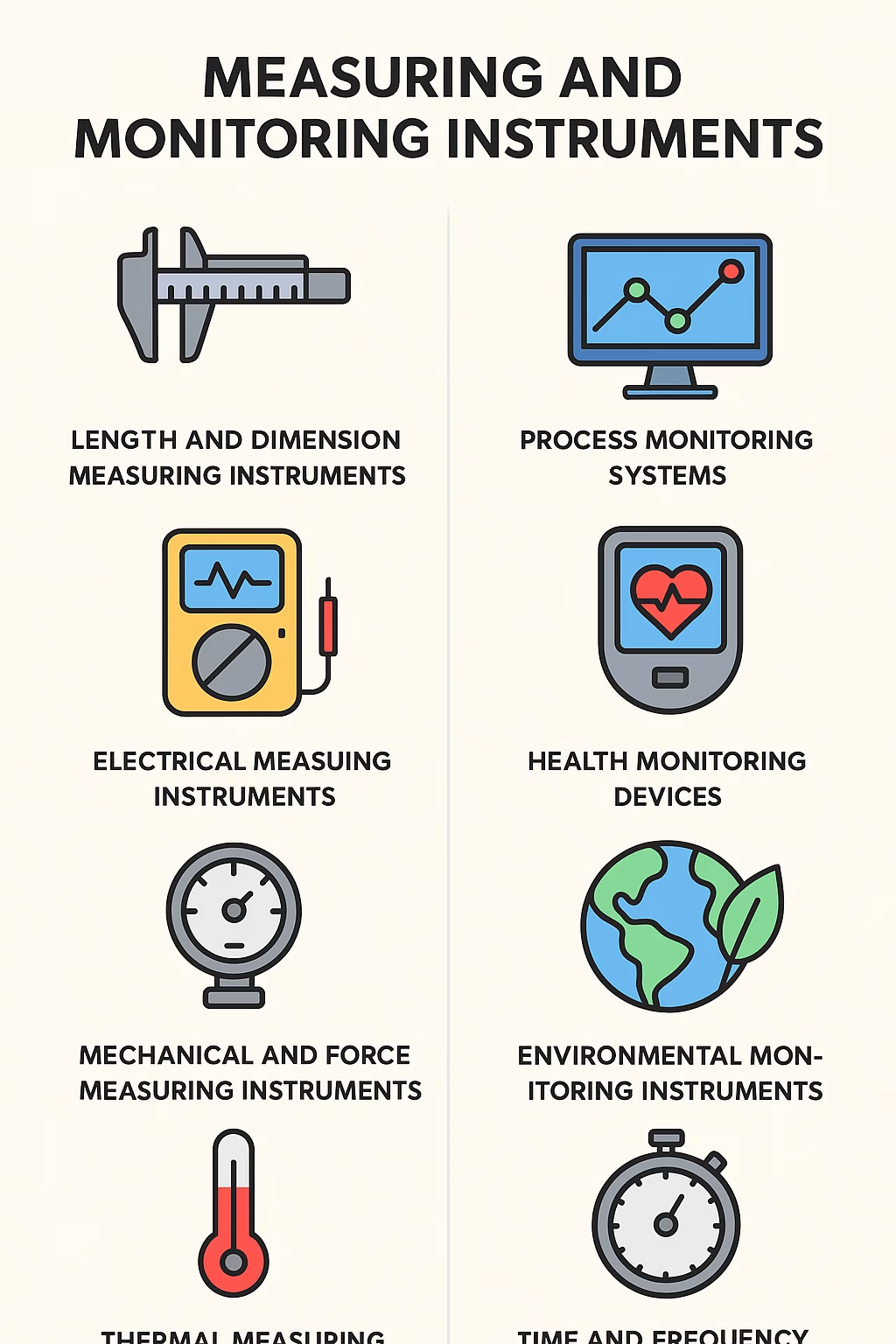
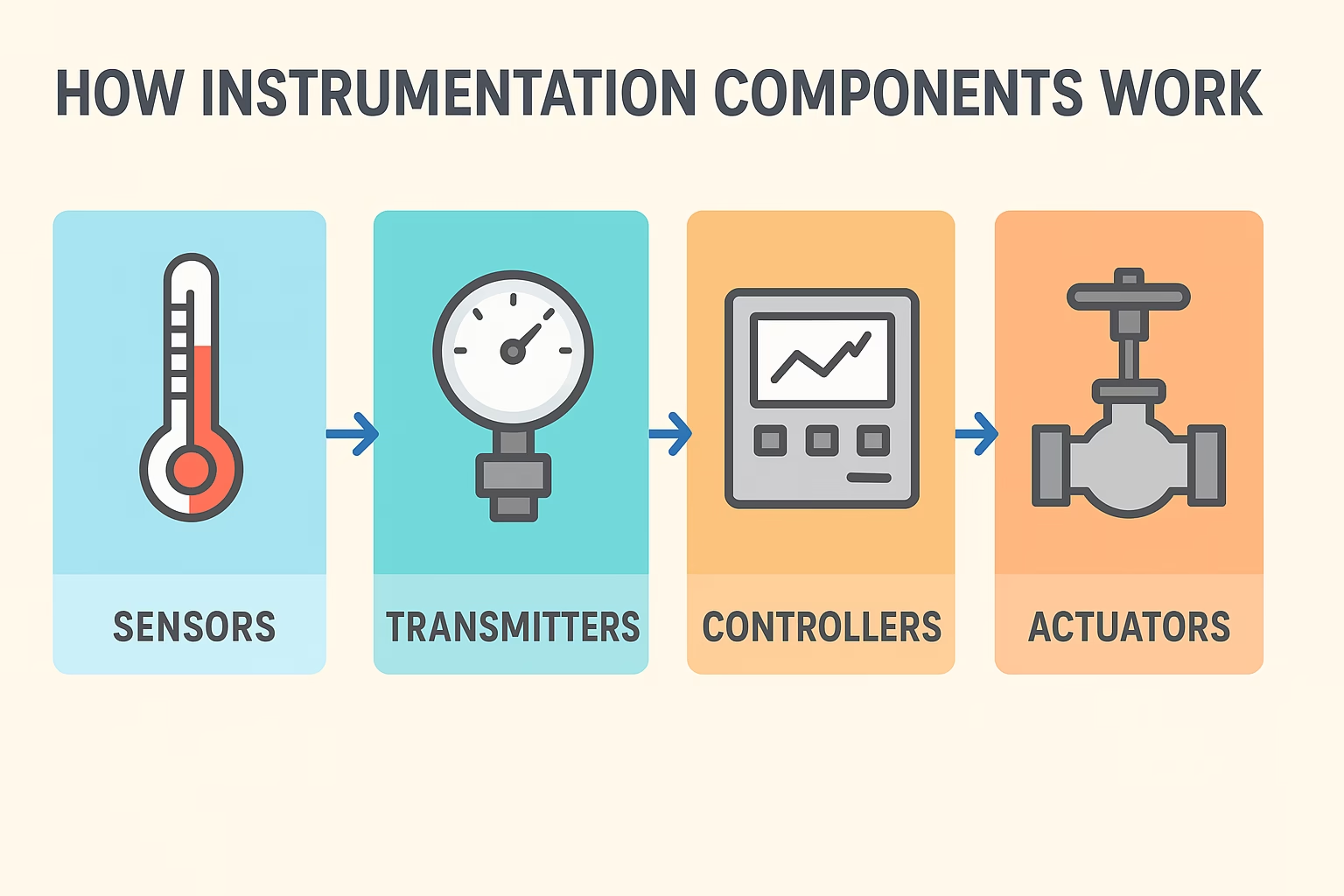
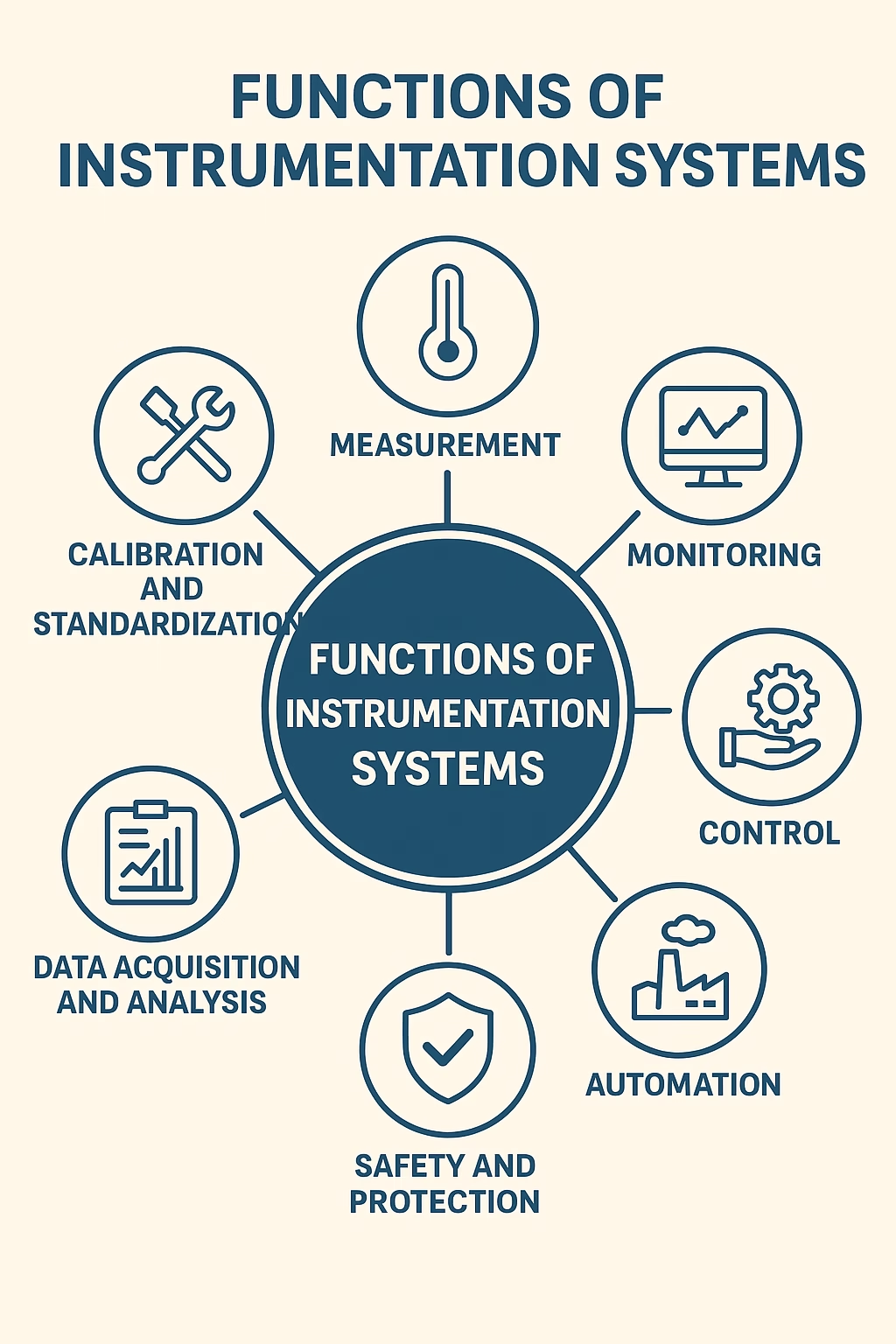
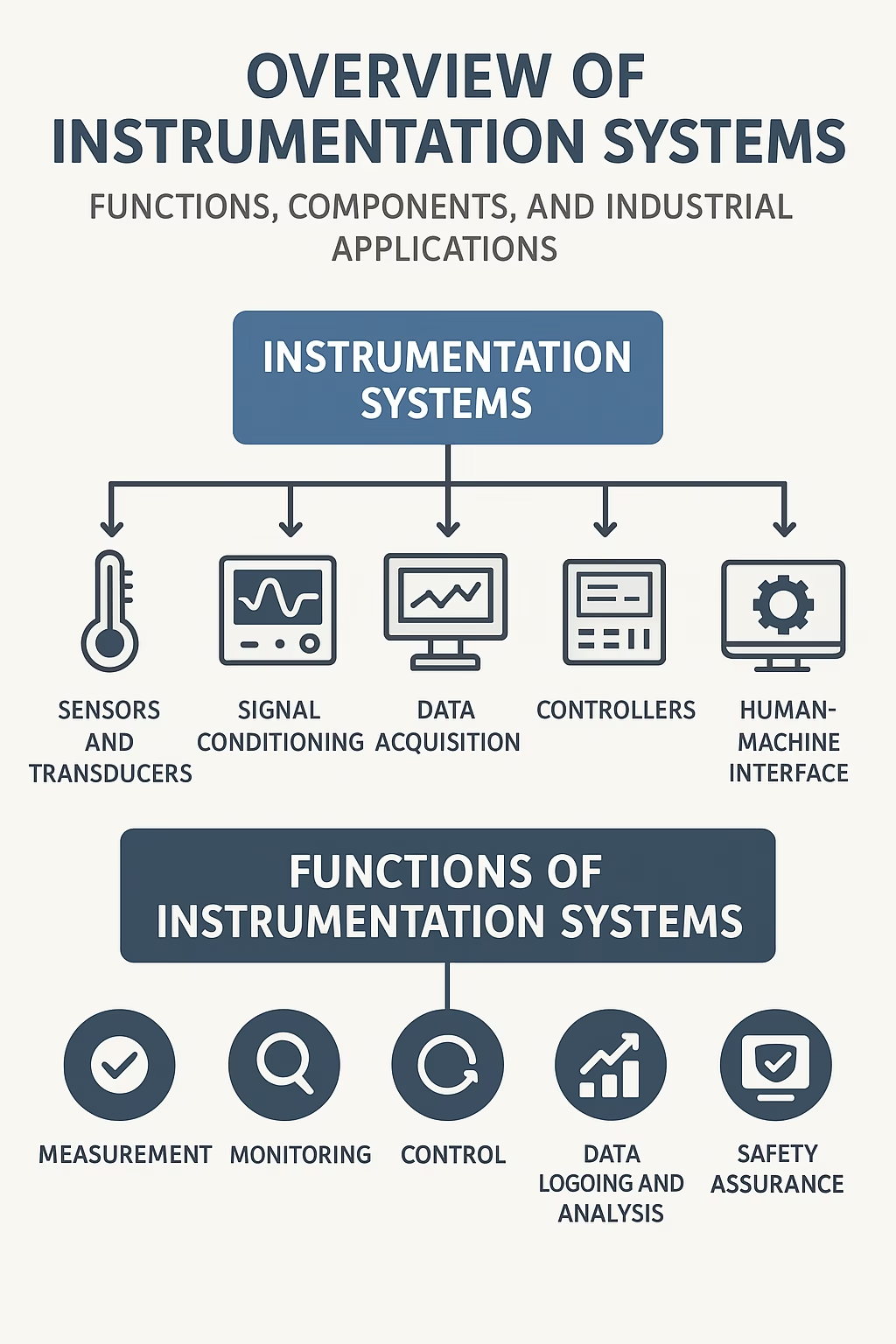
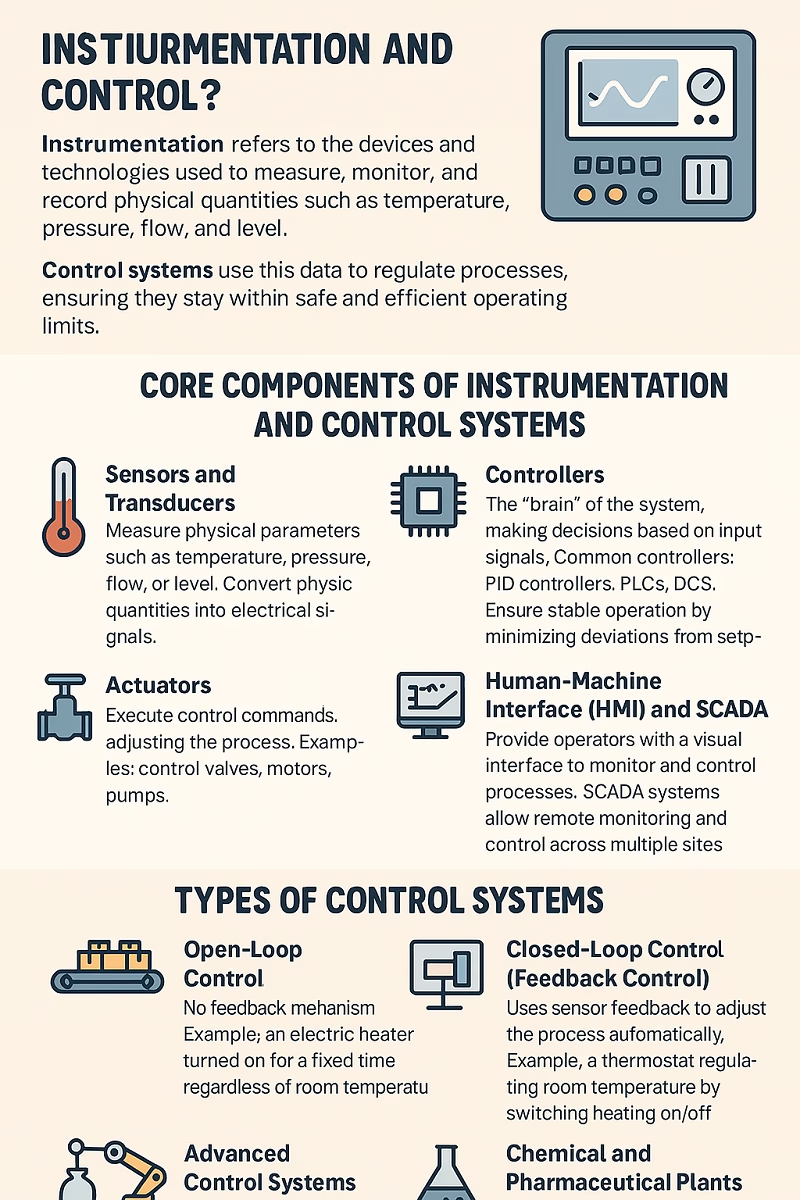
Instrumentation plays a critical role in modern industries, enabling accurate measurement, monitoring, and control of various processes. Choosing the right instrument for a specific application is not a simple task; it requires a thorough evaluation of several factors to ensure optimal performance, cost-effectiveness, and reliability. This article explores the essential selection criteria for instrumentation, providing engineers and decision-makers with a comprehensive guide to make informed choices.
1. Understanding the Importance of Instrument Selection
Selecting the right instrumentation is crucial for maintaining process efficiency, product quality, and operational safety. A poorly chosen instrument can lead to inaccurate data, frequent breakdowns, increased operational costs, and even safety hazards. Whether it’s for industrial automation, laboratory testing, or environmental monitoring, the right instrument ensures that measurements are precise, repeatable, and suitable for the intended application.
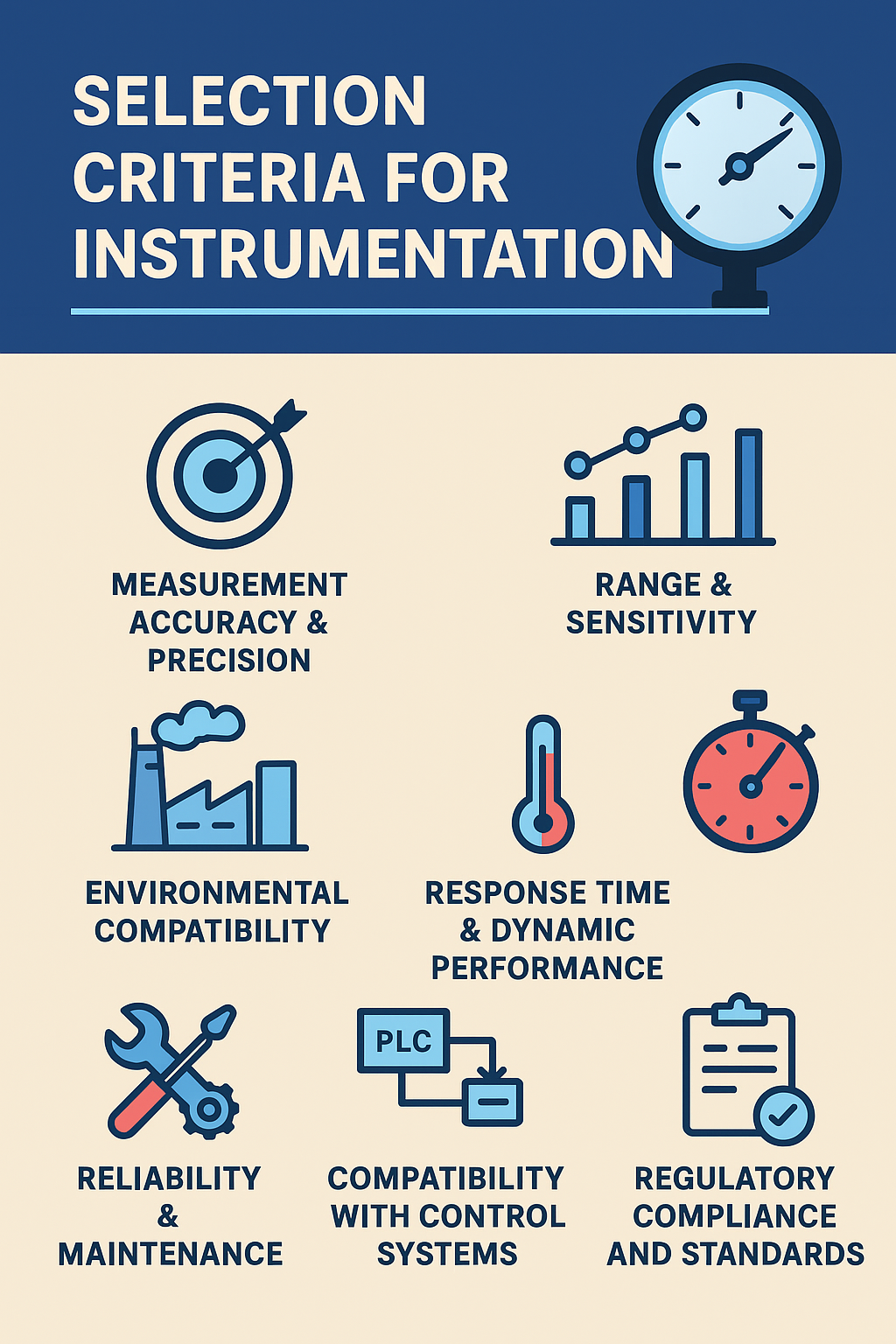
2. Key Selection Criteria for Instrumentation
The following factors should be carefully evaluated when selecting any type of instrumentation:
a. Measurement Accuracy and Precision
Accuracy defines how close a measurement is to the true value, while precision refers to the instrument’s ability to provide consistent results. For critical processes such as pharmaceutical manufacturing or aerospace engineering, even minor inaccuracies can lead to significant issues. Ensure the instrument meets or exceeds the required accuracy standards for the application.
Key Considerations:
- Calibration requirements and traceability
- Error margin and measurement tolerance
- Industry-specific accuracy standards (e.g., ISO, IEC)
b. Range and Sensitivity
The measurement range is the span between the minimum and maximum values the instrument can measure, while sensitivity indicates how well it responds to small changes in the measured variable. Instruments must be selected based on the expected operating conditions of the process.
Example:
A pressure transmitter used in high-pressure pipelines must have a suitable range to withstand extreme conditions while maintaining accurate readings.
c. Environmental Compatibility
Environmental factors such as temperature, humidity, vibration, and chemical exposure can greatly affect instrument performance. Instruments intended for outdoor use or harsh industrial environments must be robust and comply with environmental protection standards such as IP (Ingress Protection) ratings or NEMA enclosures.
Environmental Considerations:
- Operating temperature and humidity range
- Resistance to corrosion and contaminants
- Explosion-proof or intrinsically safe certifications for hazardous areas
d. Response Time and Dynamic Performance
Response time refers to how quickly an instrument reacts to changes in the measured variable. In dynamic processes, such as flow control in chemical reactors, a slow response time can lead to unstable control and inefficient operation. Ensure that the instrument can provide real-time or near-real-time data when required.
e. Reliability and Maintenance
Reliable instruments minimize downtime and reduce maintenance costs. Factors such as mean time between failures (MTBF), ease of maintenance, and availability of spare parts should be evaluated.
Best Practices:
- Choose reputable brands with proven track records
- Consider instruments with self-diagnostic features
- Ensure local technical support and spare parts availability
f. Compatibility with Control Systems
Modern industrial processes rely on integrated control systems such as SCADA, PLCs, and DCS. Instruments must be compatible with existing communication protocols (e.g., HART, Modbus, Profibus) to ensure seamless integration and data exchange.
g. Cost vs. Value
While cost is an important factor, it should not be the sole criterion. A low-cost instrument that fails prematurely or provides unreliable data can cost significantly more in the long run. Evaluate total cost of ownership (TCO), which includes purchase price, installation, calibration, operation, and maintenance costs.
h. Regulatory Compliance and Standards
Many industries, such as food and beverage, pharmaceuticals, and energy, require instruments to comply with specific regulatory standards. Ensure that the selected instrument meets all relevant certifications and industry regulations.
3. Steps to Selection Criteria for Instrumentation
- Define the Application Requirements:
Identify the process variable to be measured, its operating range, and required accuracy. - Assess Environmental Conditions:
Consider all external factors that could affect the instrument’s performance. - Evaluate Technical Specifications:
Compare technical data sheets from multiple suppliers and assess critical parameters. - Consider Lifecycle Costs:
Look beyond the initial cost and evaluate long-term operational and maintenance expenses. - Test and Validate:
Whenever possible, conduct field tests or request product demonstrations to ensure suitability.

4. Common Mistakes to Avoid in Instrument Selection
- Ignoring Future Expansion: Selecting instruments that cannot accommodate process changes can lead to premature replacement.
- Over-Specifying Requirements: While precision is important, selecting overly sophisticated instruments can result in unnecessary costs.
- Neglecting Calibration Needs: Instruments must be easy to calibrate to maintain accuracy over time.
5. Conclusion of Selection Criteria for Instrumentation
Choosing the right instrumentation involves more than just selecting a device that meets basic requirements. It requires a holistic evaluation of technical performance, environmental compatibility, integration capabilities, and long-term value. By considering these selection criteria, engineers and decision-makers can ensure that their processes remain efficient, safe, and cost-effective.
For more in-depth articles on instrumentation, industrial automation, and engineering solutions, visit Abi Royen.