

Electrical systems power our homes, industries, and cities, but they also pose serious hazards if not handled properly. Safety in electrical systems is a crucial aspect of engineering, maintenance, and daily operations. From preventing electric shocks to avoiding fires and ensuring equipment longevity, electrical safety protocols safeguard both people and assets.
This article will explore the importance of electrical safety, the types of hazards, preventive measures, and international standards that guide safe practices.
1. Why Safety in Electrical Systems Matters
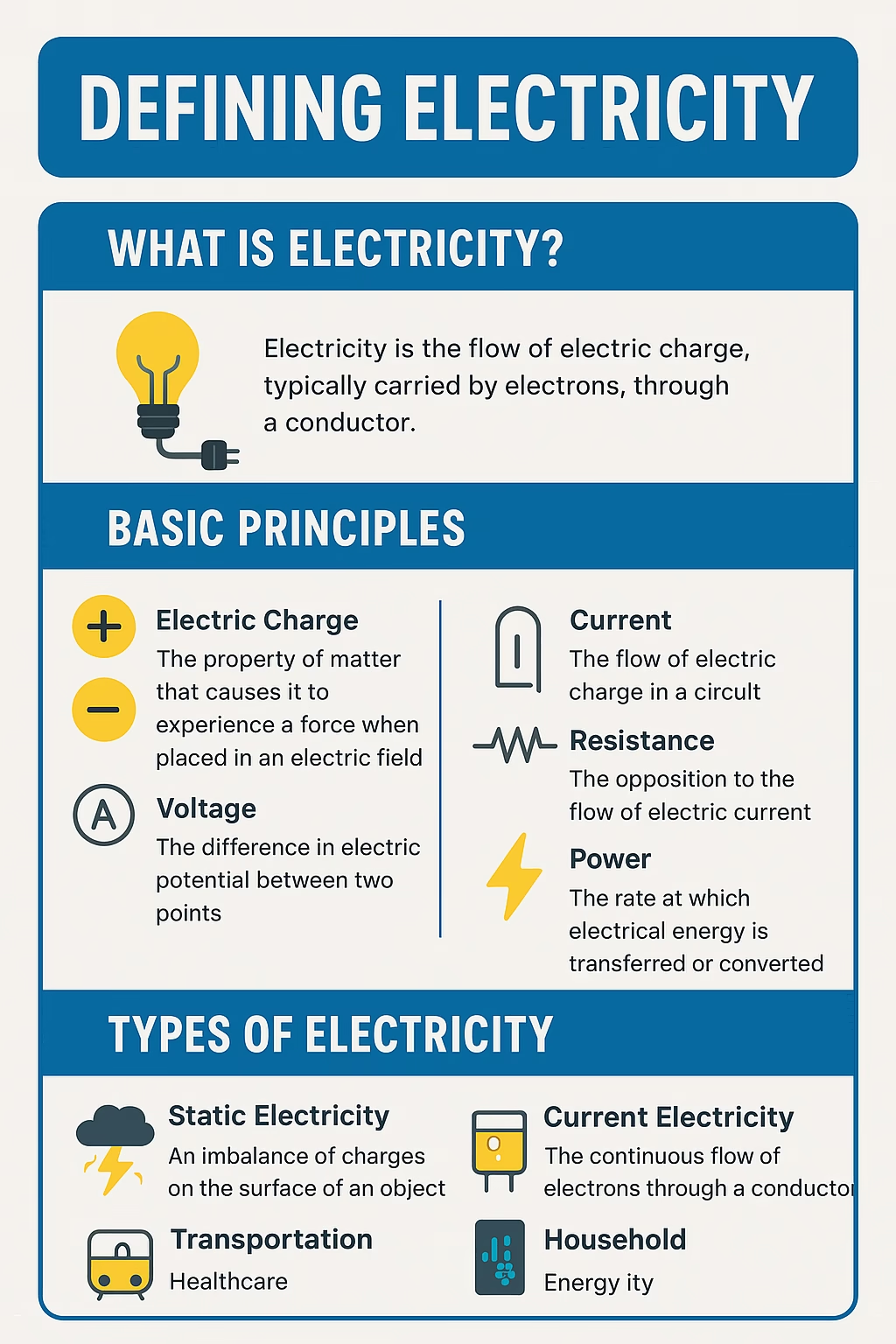
Electricity is essential for modern life, yet it can be dangerous when systems are improperly designed, installed, or maintained. Key reasons why electrical safety is vital include:
- Protection of Human Life – Prevents electrical shocks, burns, and fatalities.
- Prevention of Property Damage – Avoids electrical fires and equipment failures.
- Compliance with Regulations – Meets legal and safety requirements.
- System Reliability – Reduces downtime caused by electrical faults.
Without proper safety measures, a small wiring fault or equipment overload could lead to catastrophic consequences.
2. Common Safety in Electrical Systems Hazards
Understanding the main hazards in electrical systems is the first step toward prevention:
a) Safety in Electrical Systems: Electric Shock
Occurs when current flows through the human body, potentially causing severe injury or death. The severity depends on voltage, current, and exposure time.
b) Arc Flash
An intense electrical discharge between conductors that generates extreme heat, light, and pressure waves. It can cause severe burns and equipment damage.
c) Short Circuits
Happen when unintended connections cause high current flow, often leading to overheating, fire, or explosion.
d) Overloads
Exceeding the current capacity of wires or devices can lead to insulation failure and fire hazards.
e) Ground Faults
Occur when electricity unintentionally flows to the ground, posing shock risks.
f) Fire Hazards
Faulty wiring, overloaded circuits, and poor maintenance can ignite fires in residential and industrial settings.
3. Key Safety in Electrical Systems Measures
a) Proper System Design
- Follow electrical codes and standards during planning and installation.
- Use correct wire sizing and insulation ratings.
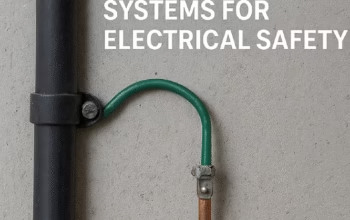
- Ensure proper grounding and bonding.
b) Regular Maintenance and Inspection
- Perform periodic inspections to identify wear, corrosion, or loose connections.
- Test protective devices such as circuit breakers and fuses.
- Clean and tighten connections to prevent overheating.
c) Use of Protective Devices
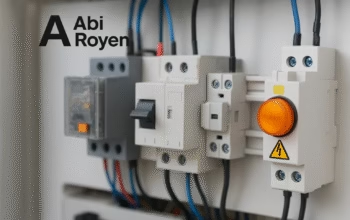
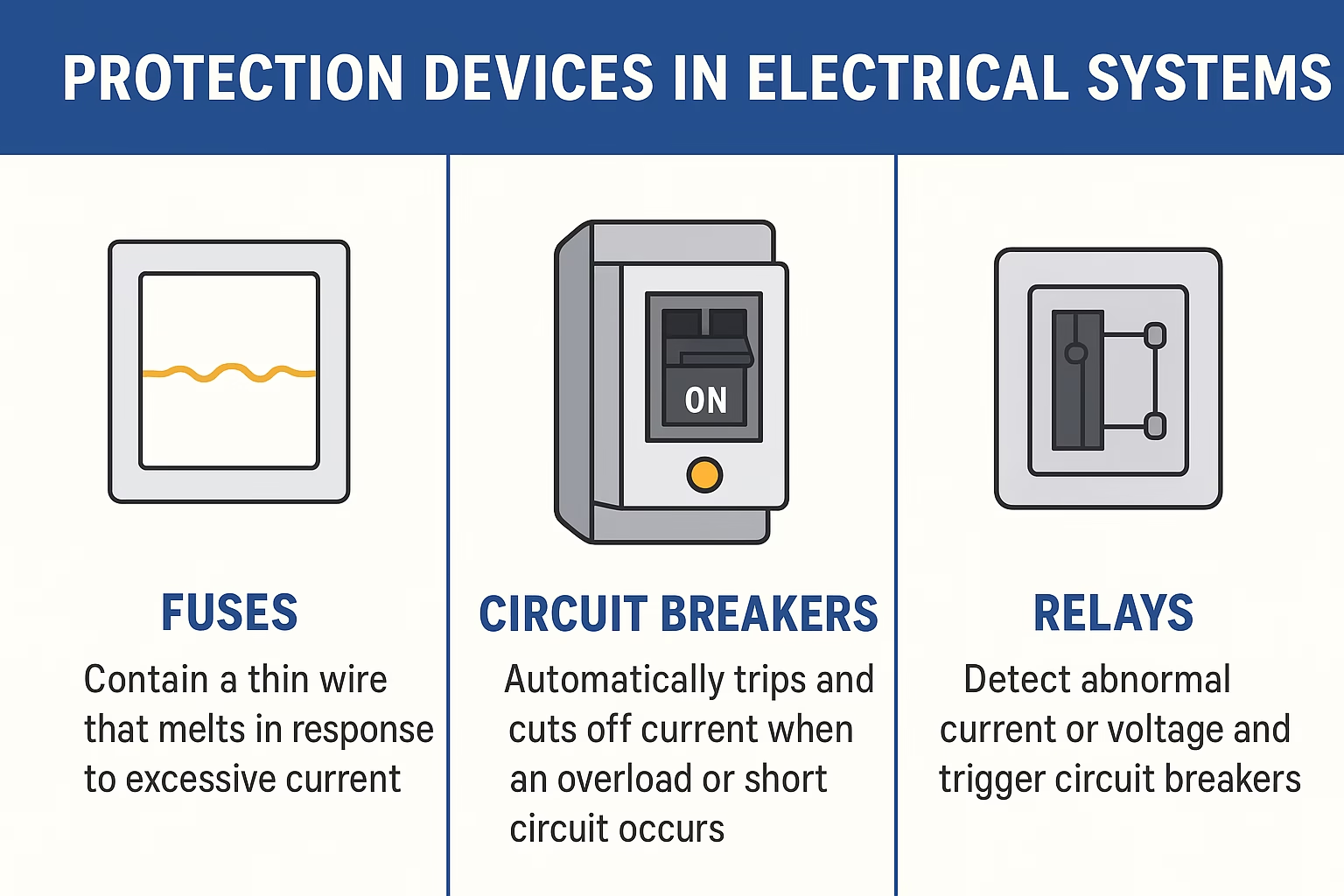
- Circuit Breakers – Automatically interrupt current during faults.
- Fuses – Provide overcurrent protection.
- Ground Fault Circuit Interrupters (GFCIs) – Protect against electric shocks.
- Surge Protectors – Prevent damage from voltage spikes.
d) Lockout/Tagout Procedures (LOTO)
- De-energize equipment before maintenance.
- Use locks and tags to prevent accidental re-energization.
e) Personal Protective Equipment (PPE)
- Insulated gloves, flame-resistant clothing, safety glasses, and face shields reduce injury risks.
f) Training and Awareness
- Educate workers on hazard recognition, emergency response, and safe operating practices.
4. International Safety in Electrical Systems Standards and Regulations
Adhering to recognized safety standards ensures compliance and reduces accident risks:
- IEC (International Electrotechnical Commission) – Provides global electrical safety guidelines.
- IEEE (Institute of Electrical and Electronics Engineers) – Offers safety recommendations for power systems.
- NFPA 70E (National Fire Protection Association) – Covers workplace electrical safety in the U.S.
- OSHA (Occupational Safety and Health Administration) – Regulates electrical safety requirements for workplaces.
- BS 7671 – British standard for electrical installation safety.
Compliance with these standards guarantees that electrical systems are safe, efficient, and reliable.
5. Safety in Electrical Systems Work Practices
a) Before Working on Electrical Equipment:
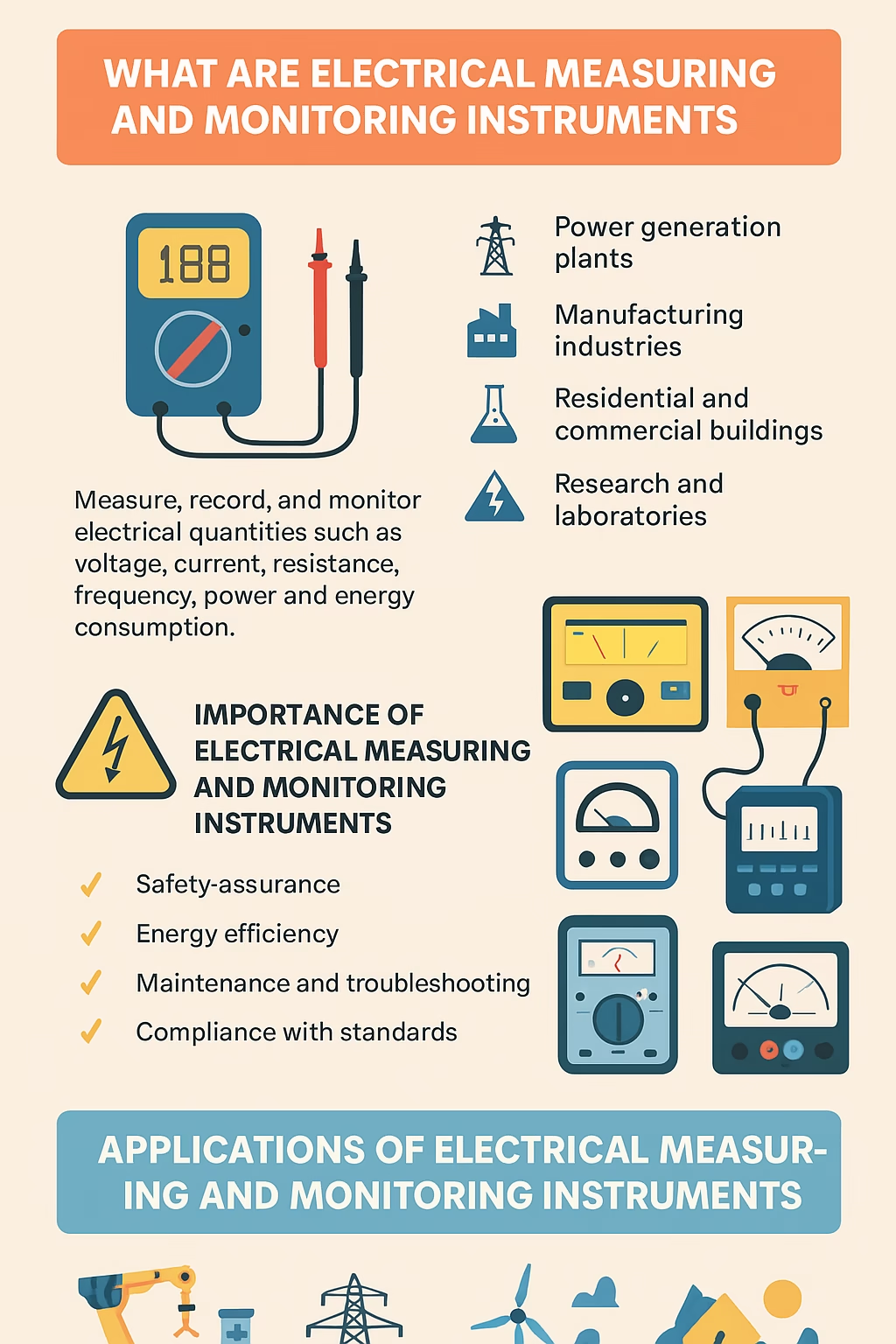
- Verify the absence of voltage using appropriate testing devices.
- Lock and tag all power sources.
- Wear PPE suitable for the voltage level.
b) During Maintenance:
- Maintain safe distances from live components.
- Use insulated tools and avoid conductive materials.
- Keep the work area dry and well-lit.
c) After Work Completion:
- Double-check connections before re-energizing.
- Remove tools, debris, and unused materials.
- Document all work done for future reference.
6. Safety in Electrical Systems in Different Environments
a) Residential Areas
- Install GFCIs in kitchens, bathrooms, and outdoor outlets.
- Avoid overloading extension cords.
- Inspect wiring periodically for wear and tear.
b) Industrial Facilities
- Implement strict lockout/tagout policies.
- Train all workers on arc flash prevention.
- Use explosion-proof equipment in hazardous locations.
c) Construction Sites
- Keep cables elevated to avoid damage.
- Use temporary power systems with GFCI protection.
- Conduct daily equipment inspections.


7. Emergency Response to Electrical Incidents
If an electrical accident occurs:
- Cut Power Supply – Shut off the circuit breaker or main switch.
- Do Not Touch the Victim if they are still in contact with electricity—use a non-conductive object to separate them from the source.
- Call Emergency Services immediately.
- Provide First Aid – If trained, perform CPR until help arrives.
8. The Future of Safety in Electrical Systems
With the rise of smart grids, renewable energy, and IoT devices, electrical safety measures are evolving. Modern systems include:
- Smart Circuit Breakers that provide real-time monitoring.
- Automated Fault Detection for faster response times.
- Predictive Maintenance using AI to prevent failures.
Conclusion of Safety in Electrical Systems
Safety in electrical systems is not optional—it’s a necessity. From proper design and installation to regular inspections, protective devices, and strict adherence to safety standards, every step plays a vital role in preventing accidents and ensuring reliable power delivery.
By following best practices, training personnel, and embracing modern safety technologies, individuals and organizations can create an environment where electrical hazards are minimized, and systems operate smoothly for years to come.