Introduction of Robotic Process Automation (RPA)
In today’s fast-paced digital world, organizations are under pressure to achieve more with fewer resources. Businesses face constant challenges such as cost optimization, efficiency improvement, and customer satisfaction. One of the most impactful technologies addressing these challenges is Robotic Process Automation (RPA).
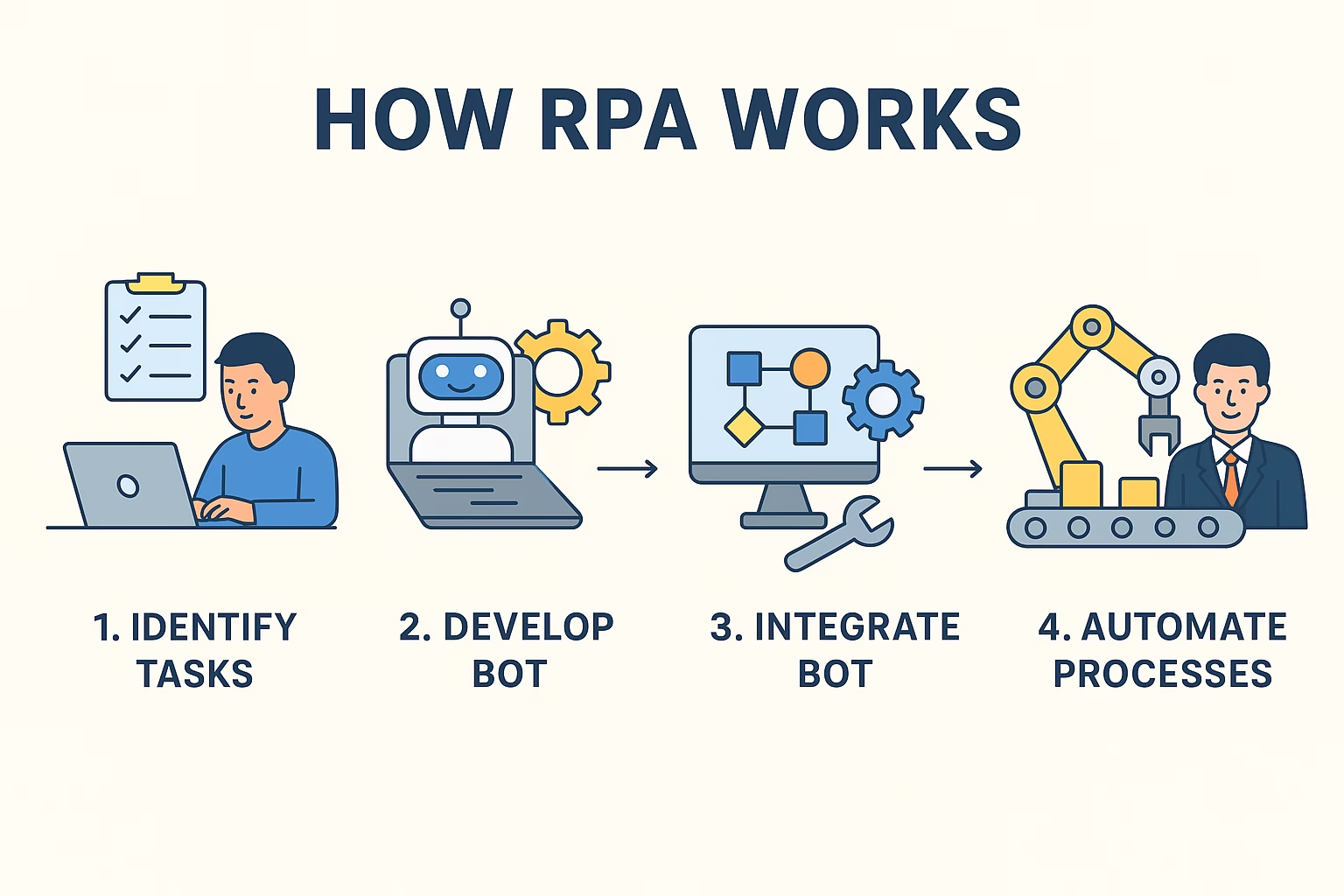
RPA leverages software robots—often referred to as “bots”—to perform repetitive, rule-based digital tasks that were traditionally handled by humans. From processing invoices to managing customer requests, RPA is redefining how organizations operate, offering a faster, error-free, and cost-effective approach to business processes.
This article explores the fundamentals of RPA, its benefits, applications across industries, implementation challenges, and its future in the era of digital transformation.
What is Robotic Process Automation (RPA)?
Robotic Process Automation (RPA) is a technology that uses software robots to mimic human interactions with digital systems. These bots can log into applications, move files, enter data, perform calculations, and communicate with other digital systems—just like humans, but faster and without errors.
Unlike traditional automation, which requires complex programming, RPA works with existing systems without the need for significant infrastructure changes. This flexibility makes RPA a highly attractive solution for businesses of all sizes.
Key Benefits of Robotic Process Automation (RPA)
1. Enhanced Productivity
RPA bots can operate 24/7 without breaks or fatigue. They complete tasks much faster than humans, which leads to improved overall productivity.
2. Cost Savings
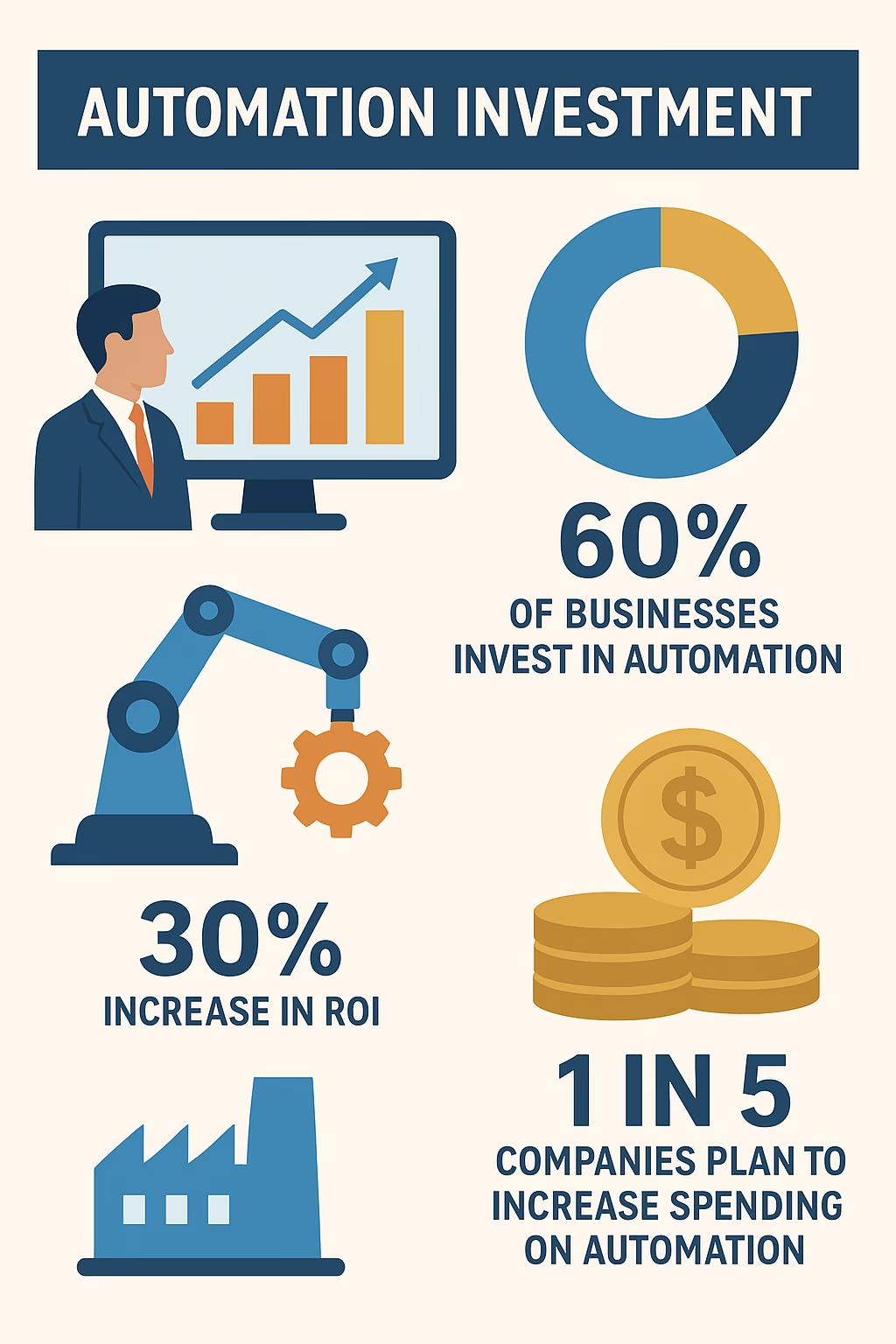
By automating repetitive processes, businesses can significantly reduce labor costs and operational expenses. RPA offers a higher return on investment (ROI) within a short period of implementation.
3. Error Reduction
Human errors in repetitive tasks are common. RPA bots follow strict rules, ensuring accuracy and compliance in processes such as financial reporting or regulatory submissions.
4. Scalability
Organizations can easily scale RPA by deploying additional bots during peak workloads, and scale down when the demand decreases.
5. Employee Empowerment
By automating mundane tasks, employees can focus on more strategic and creative work. This shift improves job satisfaction and innovation.
Applications of Robotic Process Automation (RPA) Across Industries
1. Banking and Financial Services
- Automating loan application processing
- Fraud detection and compliance reporting
- Account reconciliation and audit trail generation
2. Healthcare
- Patient data entry and claims processing
- Appointment scheduling and billing automation
- Regulatory compliance documentation
3. Retail and E-commerce
- Inventory management and order tracking
- Customer query handling through chatbots
- Automated invoice and returns management
4. Manufacturing
- Supply chain management
- Quality control reporting
- Automated procurement workflows
5. Telecommunications
- Customer onboarding and KYC verification
- Network monitoring and issue resolution
- Automated billing and payment processing
6. Government and Public Sector
- Tax and license application processing
- Social service management
- Public records maintenance
Challenges in Robotic Process Automation (RPA) Implementation
While RPA offers numerous benefits, organizations may face some challenges during adoption:
1. High Initial Investment
Though RPA reduces long-term costs, the initial setup and licensing fees can be substantial for smaller businesses.
2. Process Complexity
RPA works best with rule-based processes. Complex, judgment-based tasks may require AI integration, increasing implementation difficulty.
3. Change Management
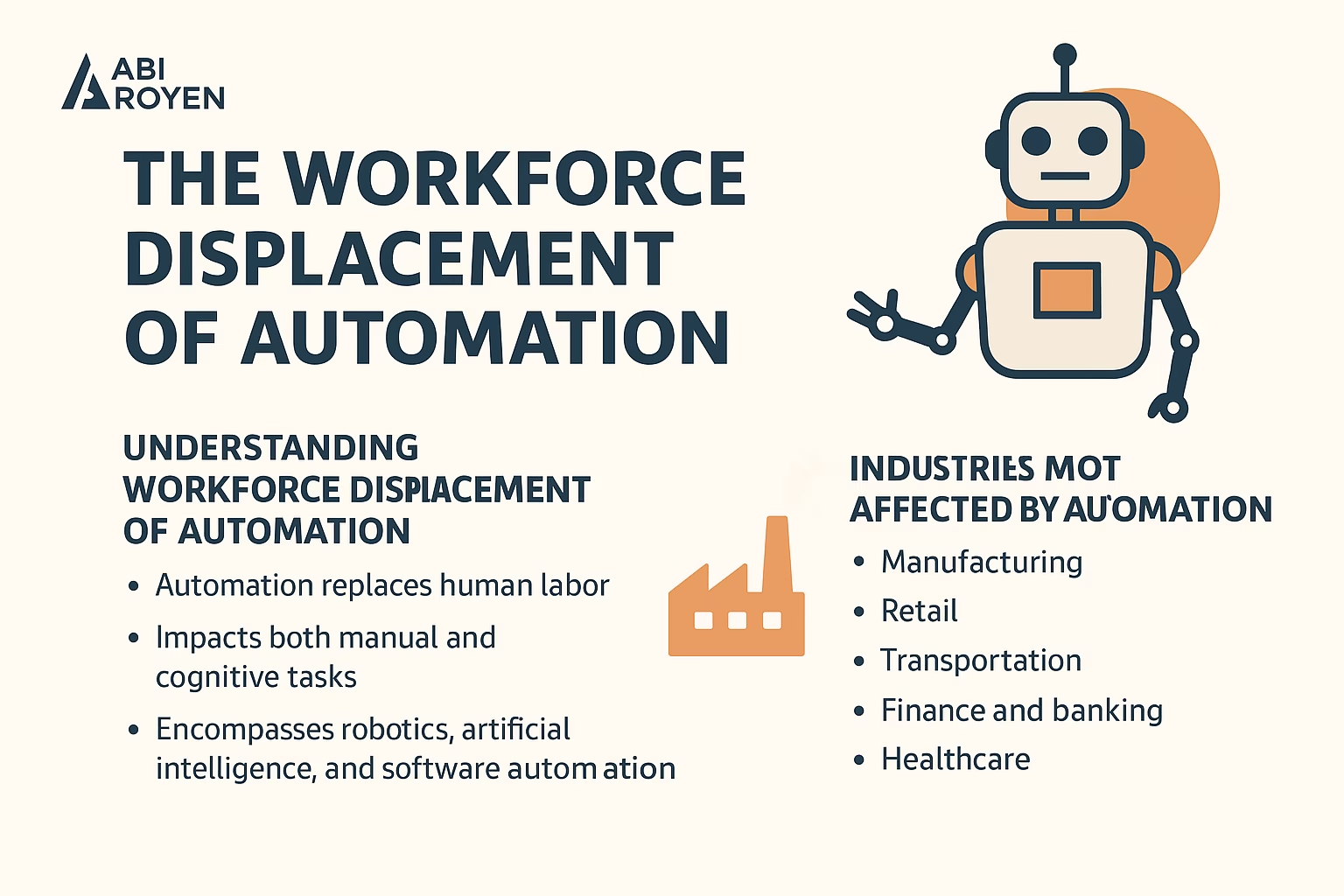
Employees may fear job loss due to automation. Proper communication, training, and reskilling are essential to ease this transition.
4. Security Risks
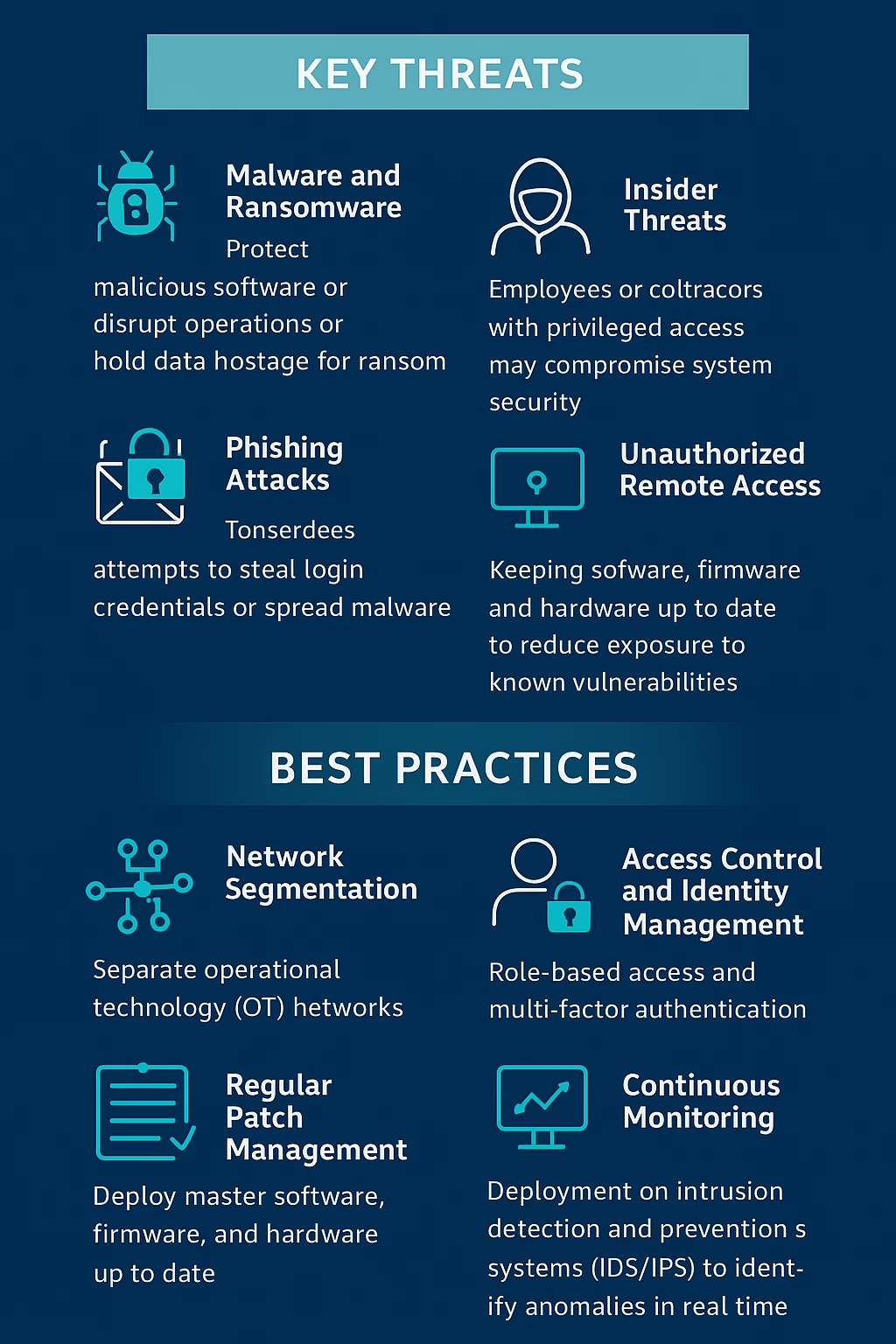
Since bots access sensitive systems, businesses must ensure strict security protocols, authentication, and audit controls.
5. Maintenance and Scalability
Like any software, RPA requires updates, monitoring, and adjustments as business processes evolve.

The Future of Robotic Process Automation (RPA): Intelligent Automation
The future of RPA lies in combining it with Artificial Intelligence (AI), Machine Learning (ML), and Natural Language Processing (NLP). This integration leads to Intelligent Automation or Hyperautomation, enabling bots not only to follow rules but also to learn, analyze, and make decisions.
Some emerging trends include:
- Cognitive RPA: Bots that can understand unstructured data such as emails, images, and voice inputs.
- Cloud-based RPA: More scalable and cost-efficient, enabling remote bot deployment.
- Process Mining and Analytics: Identifying areas for automation with data-driven insights.
- Integration with IIoT and ERP Systems: Enhancing automation in manufacturing and enterprise environments.
Conclusion of Robotic Process Automation (RPA)
Robotic Process Automation (RPA) is no longer just a technological trend—it is a strategic necessity for organizations aiming to thrive in the digital era. By automating repetitive and time-consuming processes, RPA enhances efficiency, reduces costs, and allows employees to focus on higher-value tasks.
Despite challenges in adoption, the benefits of RPA far outweigh the risks, especially when integrated with AI and machine learning for intelligent automation. As industries continue to evolve, RPA will remain at the forefront of digital transformation, enabling businesses to become more agile, competitive, and future-ready.