Introduction of Recording Instrumentation
In the modern industrial landscape, instrumentation plays a vital role in ensuring efficiency, safety, and quality. Among the various branches of instrumentation, recording instrumentation stands out as a crucial aspect of process monitoring and control. Recording instrumentation provides the ability to log, analyze, and store data from different sensors and control devices, which is essential for performance evaluation, troubleshooting, and compliance with industry standards.
This article explores the definition, principles, applications, and future trends of recording instrumentation, shedding light on why it remains one of the cornerstones of industrial automation and process control.
What is Recording Instrumentation?
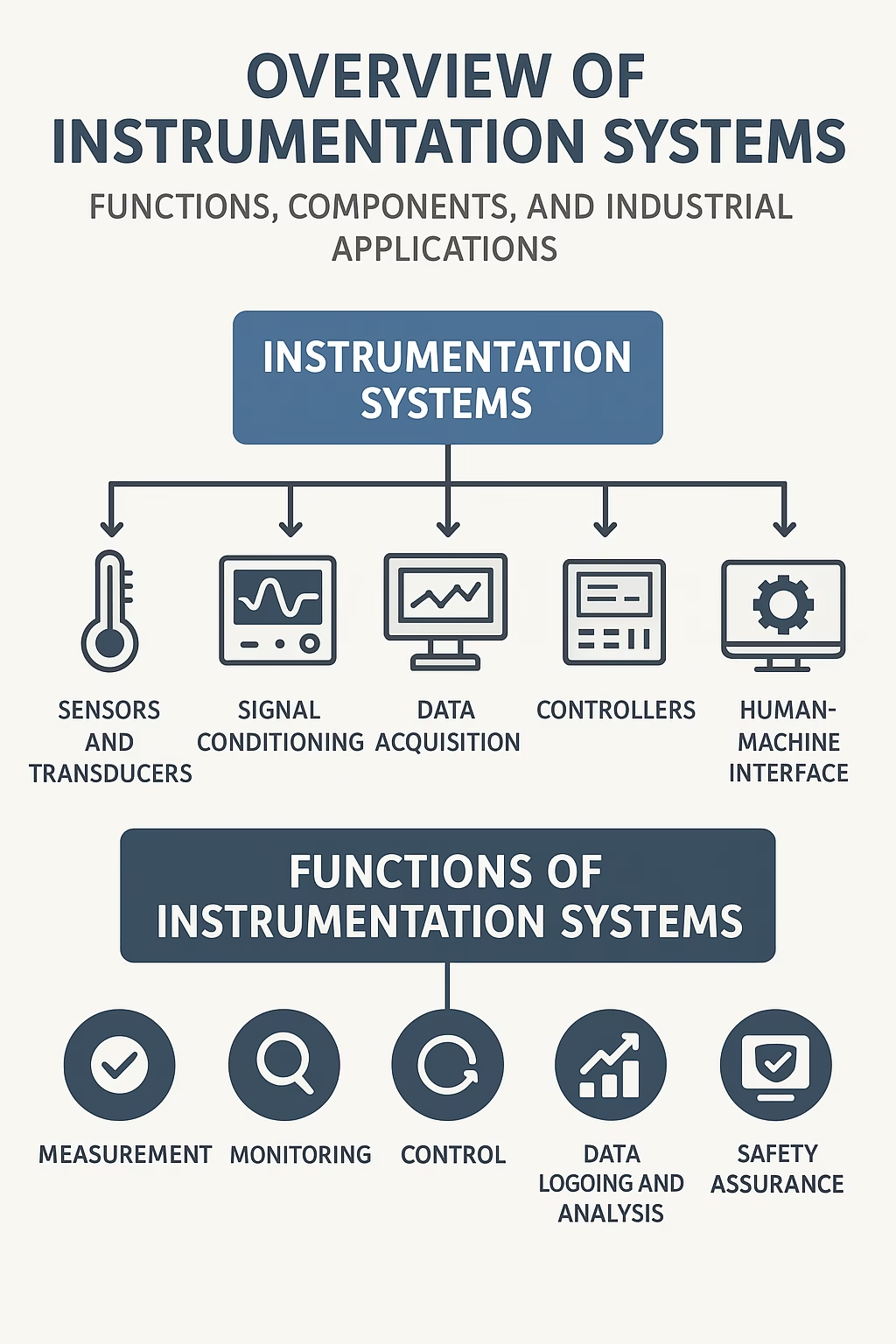
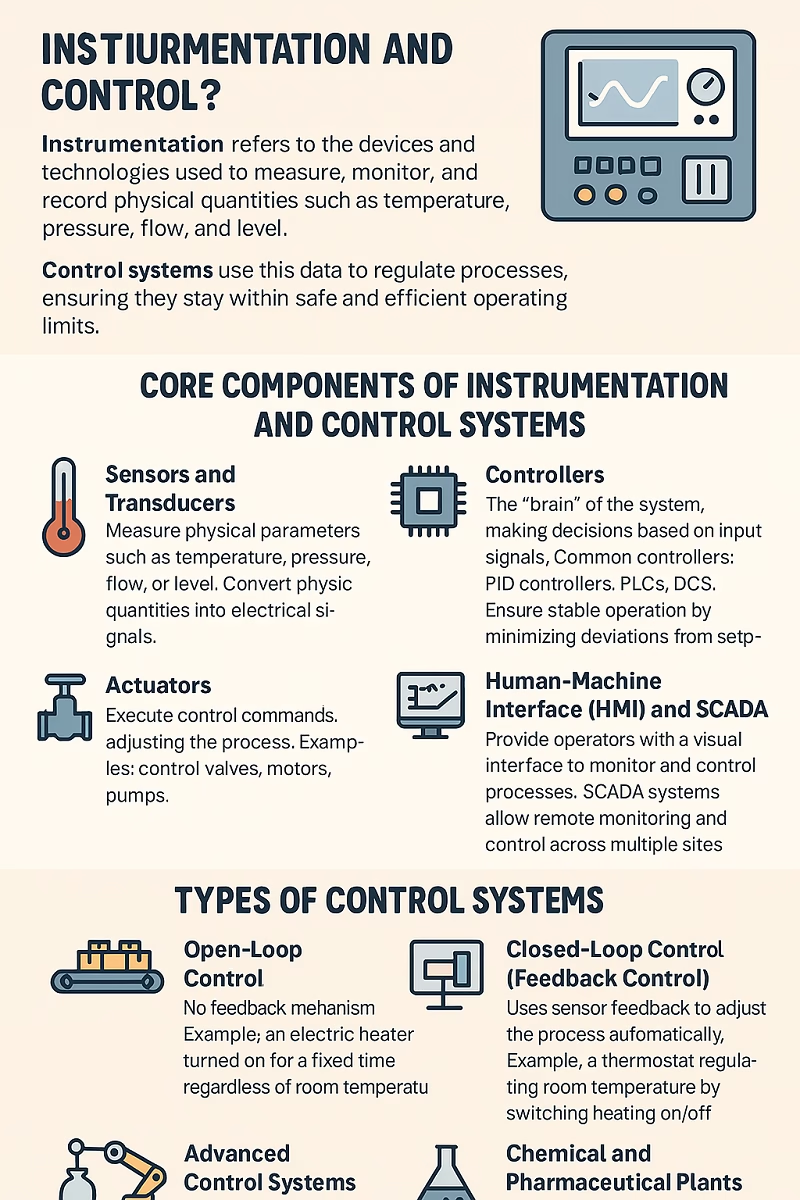
Recording instrumentation refers to devices and systems designed to capture, display, and store measurement data from sensors and transducers. These instruments transform raw signals (such as temperature, pressure, flow, or electrical variables) into readable and storable data for analysis and decision-making.
Unlike simple indicators or gauges that only display real-time values, recording instruments ensure that historical records of process conditions are available for evaluation. These records are essential for industries where data trends influence product quality, system reliability, and operational safety.
Core Functions of Recording Instrumentation
- Measurement Capture
Recording instruments collect data from primary sensors, such as thermocouples, flowmeters, or pressure transmitters. - Data Logging
They store measurements over time, allowing operators to view historical trends. - Display and Visualization
Data can be shown on analog charts, digital displays, or computer interfaces for real-time monitoring. - Analysis Support
Recorded data enables engineers to identify deviations, optimize processes, and prevent failures. - Compliance and Reporting
Many industries (such as pharmaceuticals or energy) require recorded documentation to comply with regulatory standards.
Types of Recording Instrumentation
1. Analog Recorders
Historically, analog chart recorders were widely used. They typically feature a moving pen or needle that traces measurements on rotating paper charts. Though simple, they are robust and easy to interpret.
2. Digital Recorders
Modern systems rely heavily on digital recording instrumentation, which captures data electronically and stores it in digital memory. This allows for large-scale data storage, integration with computers, and advanced analytics.
3. Single-Channel Recorders
Designed for monitoring and recording one parameter at a time, such as temperature or pressure.
4. Multi-Channel Recorders
Capable of logging multiple parameters simultaneously, making them ideal for complex industrial processes.
5. Hybrid Recorders
A combination of analog chart recording and digital storage. These instruments provide physical documentation while also storing digital copies for further processing.
Applications of Recording Instrumentation
Recording instrumentation is used across a wide range of industries, each with specific requirements. Below are some key applications:
1. Manufacturing
In manufacturing plants, recording instruments are used to monitor temperature, pressure, and flow rates to ensure product quality and consistency.
2. Energy Sector
Power plants use recording devices to log electrical parameters such as voltage, current, and frequency. This data helps maintain grid stability and efficiency.
3. Pharmaceuticals and Food Industry
Compliance with strict regulations requires continuous recording of process parameters like humidity and sterilization conditions. Recorded data is often audited for quality assurance.
4. Chemical Industry
Recording systems ensure that chemical reactions occur within safe temperature and pressure limits, preventing accidents and improving yield.
5. Transportation and Aerospace
Aircraft and automotive testing involve recording vital performance parameters during development and operation.
6. Environmental Monitoring
Recording instrumentation is also used for logging environmental data such as air quality, water pollution levels, and weather patterns.
Importance of Recording Instrumentation in Industry
- Process Optimization
Continuous data recording allows engineers to analyze operations and make improvements. - Predictive Maintenance
Recorded trends can signal potential equipment failures before they occur, reducing downtime. - Regulatory Compliance
Many industries must comply with ISO standards, FDA requirements, or environmental regulations. Recording systems provide verifiable data for audits. - Safety Assurance
In hazardous industries, recording instruments ensure critical parameters remain within safe limits. - Historical Analysis
Recorded data acts as a reference for troubleshooting and long-term performance analysis.


Key Features of Modern Recording Instrumentation
Today’s recording instruments offer advanced features that go beyond simple data logging:
- High Accuracy and Resolution
- Remote Monitoring via IoT Connectivity
- Data Export to SCADA or Cloud Platforms
- Alarms and Notifications for Out-of-Range Values
- User-Friendly Interfaces with Graphical Displays
- Secure Data Storage with Backup Options
Challenges in Recording Instrumentation
Despite their importance, recording instruments face several challenges:
- Data Overload: With the growth of IoT and digitalization, managing vast amounts of data is a challenge.
- Integration Issues: Ensuring compatibility with existing automation systems can be complex.
- Cost of Implementation: High-quality recorders with advanced features may be costly for small industries.
- Cybersecurity Risks: As more instruments connect to networks, protecting recorded data from breaches becomes essential.
Future Trends in Recording Instrumentation
- Cloud-Based Data Logging
More industries are moving towards cloud platforms for centralized data storage and global accessibility. - Artificial Intelligence and Machine Learning
Recorded data will increasingly be analyzed using AI to predict failures and optimize performance. - Wireless and Remote Recording
Wireless sensors and recorders reduce wiring complexity and enable monitoring in remote areas. - Integration with Digital Twins
Recording instruments will feed data into digital twin models for advanced simulations and predictive analysis. - Sustainability Focus
Recording systems will play a bigger role in monitoring energy efficiency and environmental impact.
Conclusion
Recording instrumentation is an indispensable component of modern industrial processes. From simple analog chart recorders to advanced digital and cloud-connected systems, these instruments provide critical data for monitoring, control, and compliance.
As industries continue to embrace automation, IoT, and AI technologies, the role of recording instrumentation will expand even further, shaping the way processes are monitored and optimized. For engineers and industrial professionals, mastering recording instrumentation is not just about operating tools—it’s about ensuring safety, efficiency, and long-term sustainability.