

In the maritime and oil & gas industries, safety and environmental protection are critical. One essential component that ensures both is the Pressure Vacuum Valve (PV Valve). Installed on cargo oil tanks, gas carriers, and chemical tankers, this valve plays a vital role in maintaining pressure balance and preventing explosions or structural damage due to overpressure or vacuum conditions.
In this comprehensive guide, Abi Royen explores the functionality, types, international standards, and maintenance practices of PV valves, making it a must-read for ship owners, marine engineers, safety inspectors, and shipyard professionals.
1. What Is a PV Valve?
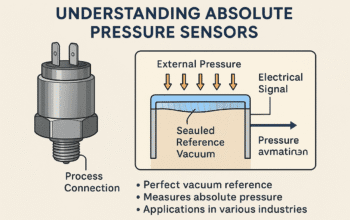
A PV Valves, or Pressure Vacuum Valve, is a specialized safety device used primarily on marine cargo tanks to regulate internal pressure. It is designed to:
- Relieve excessive pressure (positive pressure)
- Admit air in case of vacuum (negative pressure)
The valve opens automatically at preset pressure or vacuum settings to prevent tank rupture or implosion. It is also known as a breather valve or vent valve in various industries.
2. Why Are PV Valves Important?
A. Protect Structural Integrity
When loading or unloading liquids or gases in a tank, pressure can rapidly increase or decrease. Without a pressure relief mechanism, this can damage the tank’s structure.
B. Prevent Explosions
In oil tankers, the presence of flammable vapors makes it critical to avoid overpressure. PV valves work in tandem with inert gas systems (IGS) to keep the tank atmosphere within safe limits.
C. Environmental Compliance
Modern Pressure Vacuum Valve are often designed with flame arrestors and vapor emission controls, meeting international emissions regulations such as MARPOL Annex VI.
3. How Does a PV Valve Work?
PV valves are typically spring-loaded or weight-loaded and consist of two separate mechanisms:
A. Pressure Relief Mechanism
Opens when the pressure inside the tank exceeds the preset limit (usually around +21 mbar for tankers).
B. Vacuum Relief Mechanism
Opens to allow air in when internal pressure drops below ambient (typically around -2 mbar).
Optional Features:
- Flame Arrestor: Prevents flame propagation into the tank.
- Weather Hood: Shields from water ingress.
- Heaters: Prevent freezing in cold environments.
4. Construction and Materials
Pressure Vacuum Valve are constructed from materials suitable for corrosive environments and hazardous cargo, such as:
- Stainless Steel (316L/304)
- Bronze/Brass
- PTFE (for chemical compatibility)
- Aluminum Alloy
Sealing components may include Viton, Nitrile, or EPDM, depending on the type of liquid or gas stored.
5. Where Are PV Valve Used?
Pressure Vacuum Valve are installed in the venting system of storage or transportation tanks, especially:
A. Marine Applications
- Crude oil tankers
- Product and chemical tankers
- LNG carriers
- Bunkering vessels
B. Onshore Tanks
- Petroleum terminals
- Chemical storage tanks
- Biofuel processing plants
6. International Regulations and Standards
PV valves must comply with global maritime safety and environmental regulations. The most important ones include:
A. IMO Regulations
- SOLAS Chapter II-2: Fire protection and prevention
- IMO MSC/Circ.677: Guidelines for Inert Gas Systems
- IMO MSC.1/Circ.1324: Standards for PV valves
B. Classification Society Rules
- DNV, ABS, BV, LR, RINA: Approve PV valve designs and test certificates.
C. MARPOL Annex VI
- Limits on volatile organic compound (VOC) emissions from cargo tanks.
7. Types of PV Valve
PV Valves can be classified based on design and application:
A. Conventional PV Valve
Standard dual-vent design with pressure and vacuum relief.
B. High-Velocity PV Valve
Discharges vapors at high speed, dispersing them safely above the deck.
C. PV Valves with Flame Arrestor
Used for flammable cargoes to prevent backfire.
D. Vacuum Breaker Only
Used in tanks where vacuum is the main concern.
8. Example: PV Valve Operation on a Crude Oil Tanker
Scenario: A VLCC (Very Large Crude Carrier) is discharging oil at a high rate.
- Pressure Builds Up: Due to the inert gas system and temperature rise.
- Valve Opens: The pressure disc lifts and releases vapor to the atmosphere.
- Prevent Overpressure: Avoids risk of tank rupture or fire.
If the ship starts ballasting rapidly, the internal pressure drops:
- Vacuum Disc Opens: Admits air or inert gas into the tank.
- Maintains Structural Safety: Prevents tank collapse due to suction.
9. Inspection and Maintenance Guidelines PV Valve
Routine inspection and testing are essential for PV valves reliability:
A. Monthly Visual Inspection
- Check for corrosion, leaks, or deformation.
- Ensure flame screens are clean.
B. Functional Testing (Every 3–6 Months)
- Use calibrated pressure/vacuum testers.
- Confirm set pressure and reseating.
C. Annual Overhaul
- Replace seals and springs if necessary.
- Clean internals and check for mechanical wear.
Best Practice:
Record all maintenance in Planned Maintenance System (PMS).
10. Common Issues and Troubleshooting
| Issue | Possible Cause | Solution |
|---|---|---|
| Valve not opening | Stuck or corroded disc | Clean and lubricate |
| Continuous leaking | Damaged seal or spring | Replace defective parts |
| Audible whistling during voyage | Improperly set pressure limit | Recalibrate the valve |
| Flame arrestor blockage | Salt/dust accumulation | Clean and inspect regularly |
11. Sourcing Quality PV Valve
At Abi Royen, we offer access to reliable and certified Pressure Vacuum Valve systems for marine and industrial applications. Our valve range includes:
- IMO-compliant high-velocity valves
- Stainless steel models with flame arrestors
- Custom-engineered valves for chemical resistance
- Spare parts, gaskets, test kits, and calibration services
We also support on-board installation, retrofitting, and certification assistance.
Conclusion of PV Valve
Pressure Vacuum Valve may seem like a small component, but they play a critical role in ship safety, cargo integrity, and environmental compliance. Understanding how they work, ensuring proper installation, and maintaining them regularly are vital responsibilities in maritime operations.
Whether you’re a ship operator, safety officer, or marine supplier, choosing the right PV valve with proper certification ensures peace of mind and operational reliability.
Published by Abi Royen
Marine Systems & Safety Experts
Website: https://abiroyen.com/
Need a Pressure Vacuum Valve solution or marine safety consultation? Contact Abi Royen today for trusted technical support and equipment supply.