Maintenance of Electrical Systems ~ Electrical systems are the lifeblood of modern infrastructure, powering everything from household appliances to industrial machinery. Their continuous and safe operation is essential for productivity, comfort, and safety. However, like all engineered systems, electrical networks require regular maintenance to ensure optimal performance, prevent failures, and minimize risks.
In this article, we will explore the importance, methods, and best practices for maintaining electrical systems, helping you understand how to keep them efficient, safe, and long-lasting.
1. Why Maintenance of Electrical Systems is Important
Maintenance is not just about fixing problems when they occur; it’s about preventing them before they happen. Proper maintenance offers several key benefits:
- Safety – Prevents electrical fires, shocks, and equipment damage caused by faulty wiring or components.
- Reliability – Ensures uninterrupted power supply and reduces unexpected downtime.
- Cost Efficiency – Prevents costly repairs and equipment replacements by addressing issues early.
- Energy Efficiency – Well-maintained systems consume less power, reducing energy bills.
- Regulatory Compliance – Many industries require electrical systems to meet specific safety and operational standards.
2. Types of Maintenance of Electrical Systems
Electrical maintenance can be categorized into three main types:
a. Preventive Maintenance
A proactive approach involving regular inspections and servicing to prevent issues before they arise. Examples include:
- Checking for loose connections
- Cleaning circuit breakers
- Testing insulation resistance
b. Predictive Maintenance
Uses advanced monitoring tools to detect potential problems based on system performance trends. Common methods include:
- Thermal imaging to detect overheating
- Vibration analysis in motors
- Power quality monitoring
c. Corrective Maintenance
Reactive measures taken after a failure has occurred. While necessary, relying solely on corrective maintenance can be costly and risky.
3. Key Components That Require Regular Maintenance of Electrical Systems
Different components in electrical systems have unique maintenance requirements.
1. Wiring and Cables
- Inspect for wear, overheating, or physical damage.
- Replace frayed or aged wires immediately.
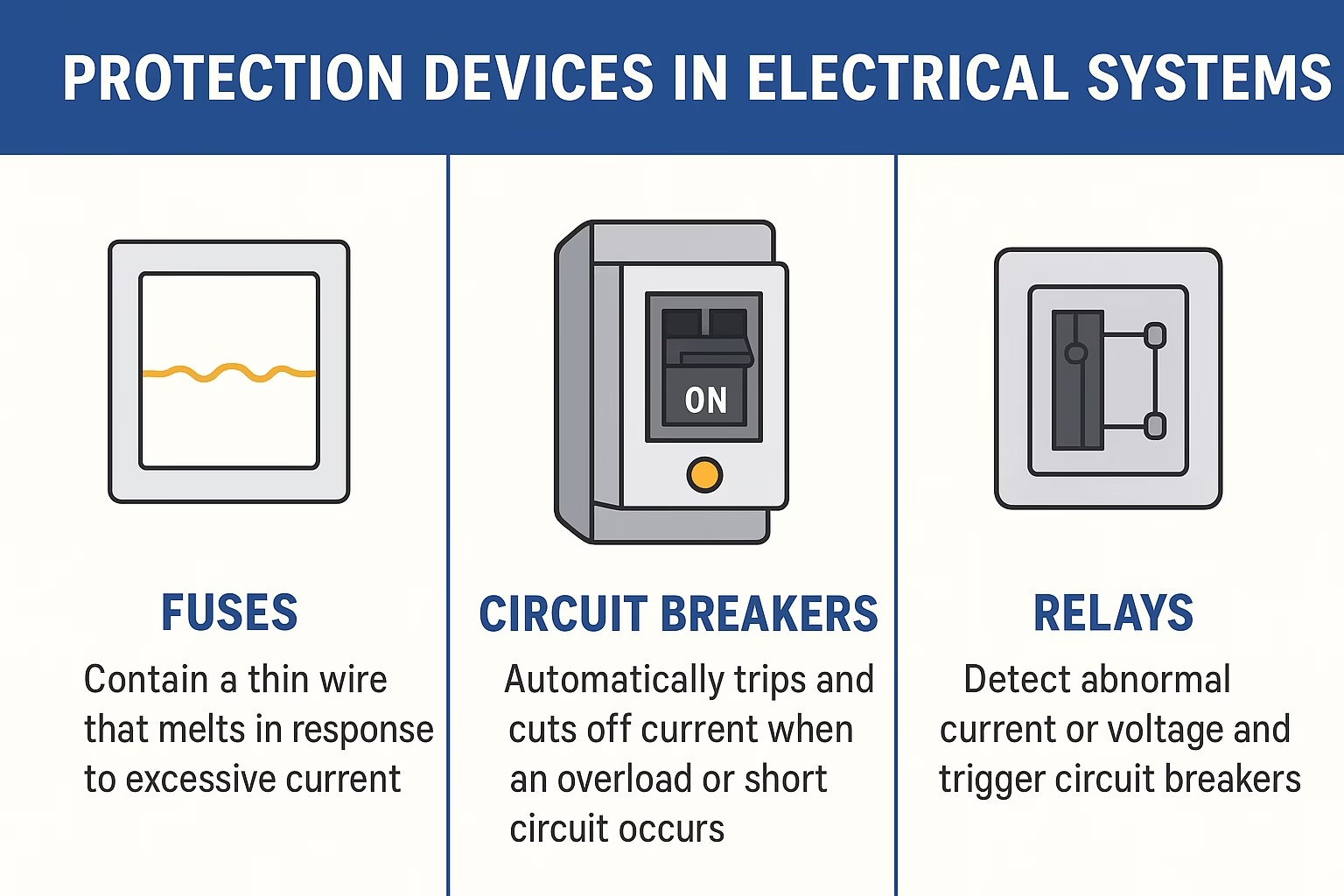
2. Circuit Breakers and Fuses
- Test periodically to ensure proper operation.
- Keep them free from dust and corrosion.
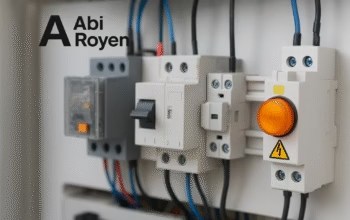
3. Switchgear and Distribution Panels
- Tighten loose connections.
- Check for signs of overheating or burnt marks.
4. Transformers
- Monitor oil levels and check for leaks.
- Perform insulation resistance tests.
5. Electric Motors
- Lubricate bearings regularly.
- Check alignment and balance.
6. Lighting Systems
- Replace faulty lamps and ballasts.
- Inspect for flickering, which can indicate deeper electrical issues.
4. Best Practices for Maintenance of Electrical Systems
Here are essential steps to ensure proper maintenance:
- Schedule Regular Inspections
Create a maintenance calendar to ensure all equipment is inspected at least once or twice a year. - Keep Records
Document all inspections, repairs, and replacements for reference and compliance purposes. - Train Personnel
Ensure that maintenance staff are properly trained to handle electrical components safely. - Use Proper Tools
Always use insulated tools and wear protective gear to reduce the risk of electrical shock. - Monitor Load Levels
Avoid overloading circuits, as this can cause overheating and damage. - Implement Safety Protocols
Lockout/tagout (LOTO) procedures should be followed before working on live systems.
5. Common Maintenance of Electrical Systems Mistakes to Avoid
Even experienced technicians can make mistakes that compromise safety and efficiency. Avoid the following:
- Ignoring warning signs like flickering lights or burning smells.
- Skipping maintenance schedules to save costs.
- Using incorrect replacement parts or substandard materials.
- Working without proper safety gear.
- Failing to update system diagrams after modifications.
6. The Role of Technology in Maintenance of Electrical Systems
Modern maintenance relies heavily on technology to improve accuracy and efficiency. Some key innovations include:
- Infrared Thermography – Detects hot spots in wiring and components.
- Automated Monitoring Systems – Sends alerts when abnormal readings occur.
- Drones for Inspection – Used in large facilities to inspect hard-to-reach areas.
- IoT-Enabled Devices – Provides real-time data on power usage and equipment health.


7. Maintenance of Electrical Systems in Industrial vs. Residential Settings
Industrial Maintenance
- Requires more frequent inspections due to higher loads and complex systems.
- Involves specialized equipment like high-voltage transformers and large switchgear.
Residential Maintenance
- Focuses on household wiring, outlets, and consumer electronics.
- Usually requires less frequent but still regular inspections.
8. Safety Precautions During Maintenance of Electrical Systems
Safety is paramount in electrical work. Always follow these guidelines:
- Disconnect power before working on circuits.
- Wear rubber gloves and insulated boots.
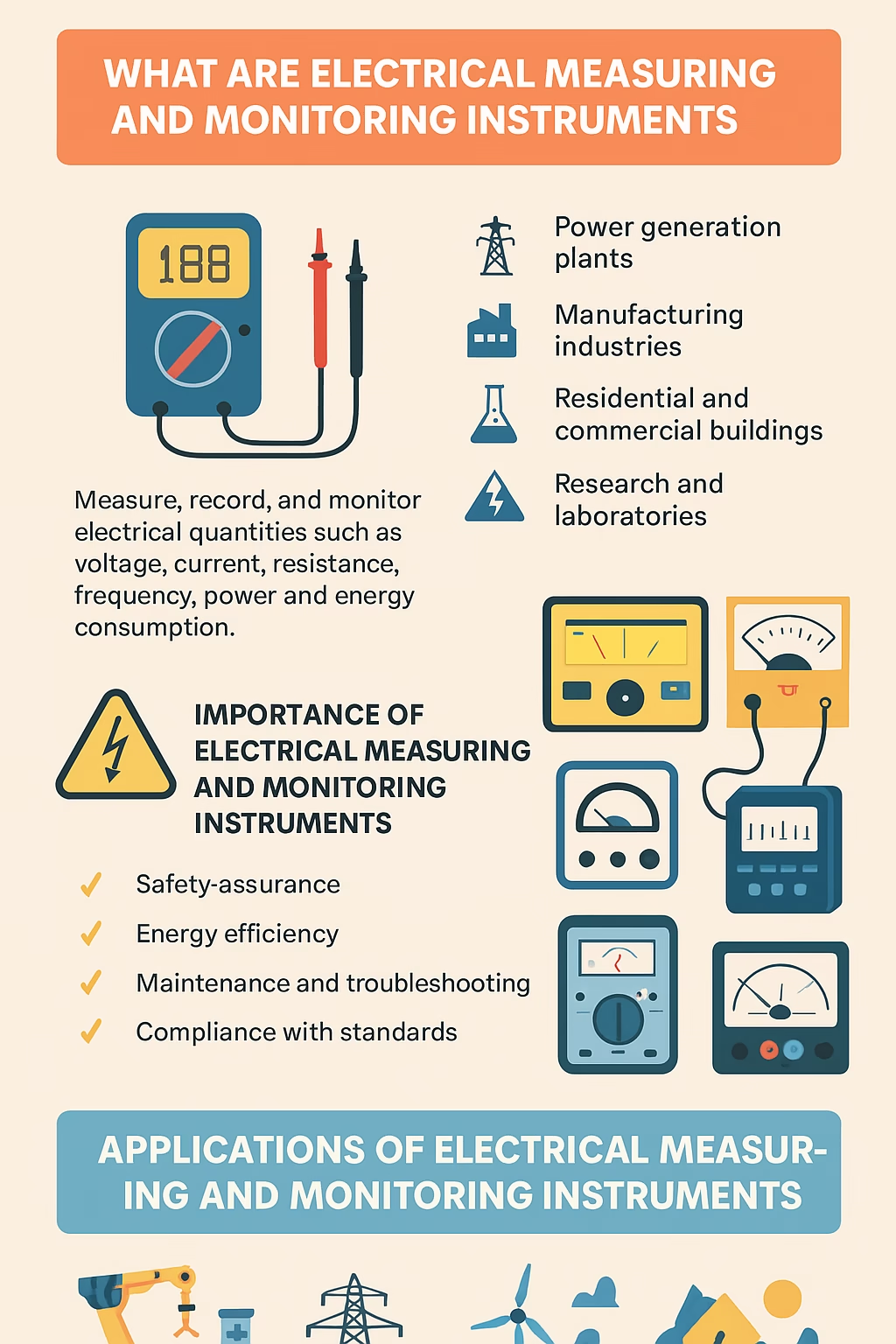
- Use voltage testers before touching wires.
- Avoid working in wet or damp conditions.
Conclusion
Maintenance of electrical systems is not just a technical requirement—it is a critical investment in safety, reliability, and efficiency. Whether for industrial facilities or residential buildings, adopting a preventive and predictive maintenance approach can save costs, prevent accidents, and extend the lifespan of your electrical infrastructure.
By implementing the best practices discussed in this guide, you can ensure your electrical systems operate smoothly and safely for years to come.