In today’s rapidly evolving world, industrial automation has become one of the most critical drivers of efficiency, productivity, and innovation. From manufacturing plants to energy systems, automation has transformed the way industries operate. By replacing repetitive manual tasks with advanced machines, robotics, and computer-controlled systems, businesses can achieve higher output, improved quality, and safer working conditions.
This article explores the definition, benefits, applications, challenges, and future trends of industrial automation—helping you understand why it is considered the backbone of modern industry.
What is Industrial Automation?
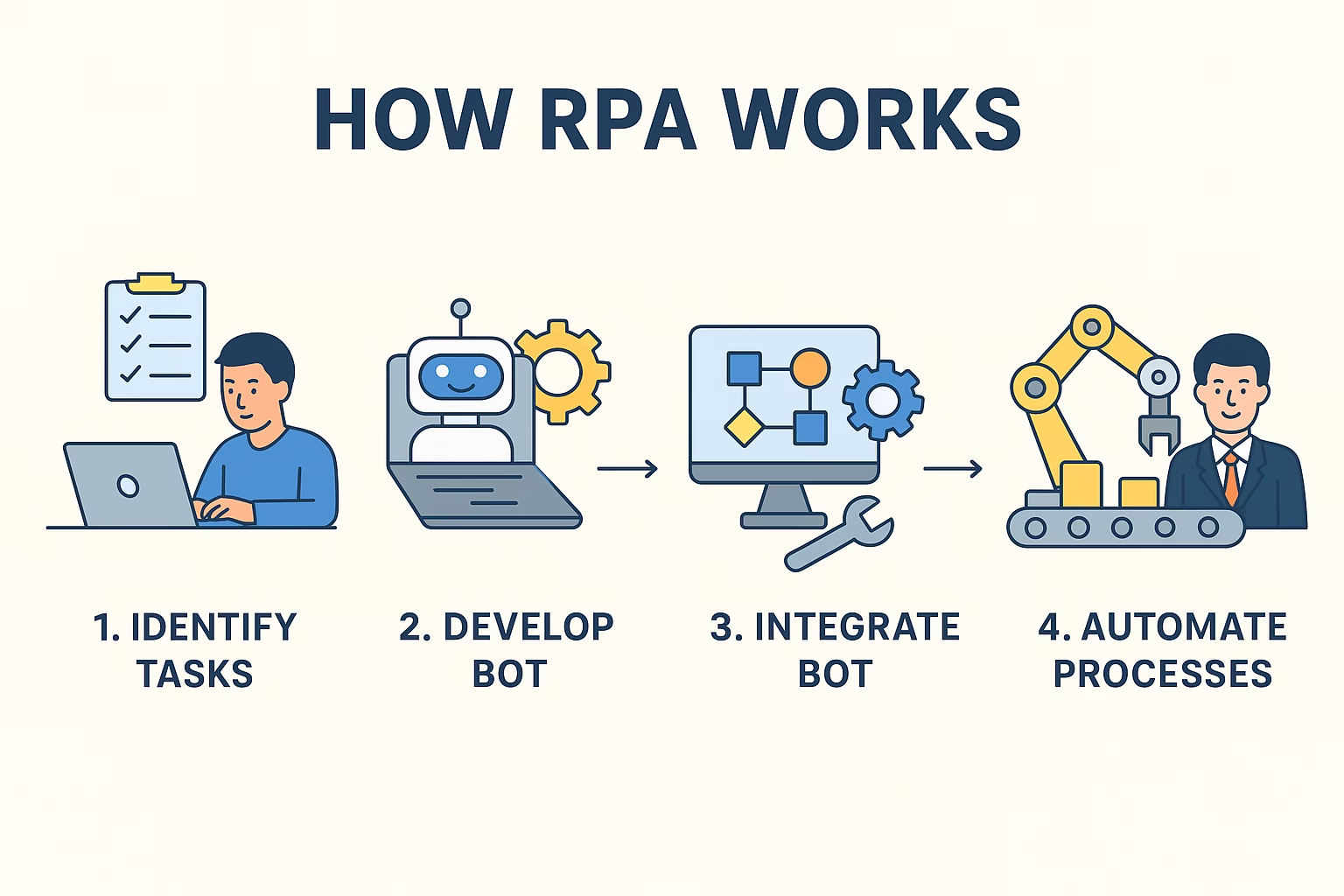
Industrial automation refers to the use of control systems, machines, robotics, and information technologies to handle different processes and tasks in industries with minimal or reduced human intervention. Instead of relying solely on workers, automation integrates programmable logic controllers (PLCs), sensors, robotics, and artificial intelligence (AI) to streamline production.
It is a key component of Industry 4.0, where smart factories use digitalization, the Internet of Things (IoT), and big data to optimize industrial operations.
Key Benefits of Industrial Automation
1. Increased Productivity
Automated systems can operate 24/7 without fatigue, significantly boosting production rates compared to manual labor.
2. Enhanced Quality and Consistency
Automation reduces human error, ensuring that products meet consistent standards of quality and precision.
3. Improved Safety
Hazardous tasks can be handled by robots, reducing workplace accidents and protecting employees.
4. Cost Savings
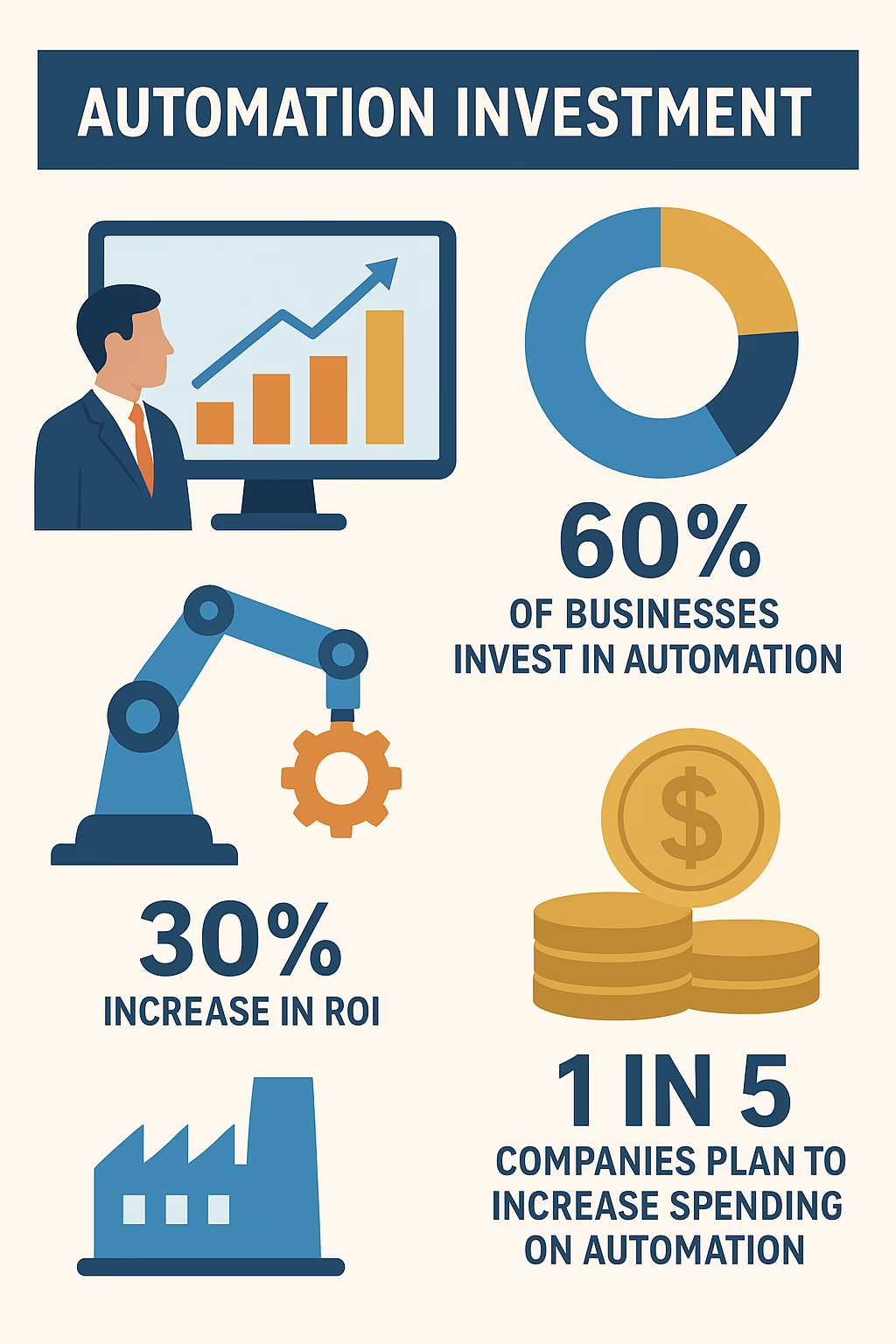
Although initial investment may be high, automation reduces long-term labor costs and waste, making it cost-effective.
5. Better Data Collection
Modern automated systems integrate sensors and IoT, enabling real-time monitoring, predictive maintenance, and better decision-making.
Types of Industrial Automation
Industrial automation can be classified into different categories based on complexity and application:
- Fixed Automation – Used for high-volume production with repetitive tasks (e.g., automotive assembly lines).
- Programmable Automation – Suitable for batch production where processes can be reprogrammed.
- Flexible Automation – Offers adaptability for multiple product designs with minimal setup time.
- Integrated Automation – Combines digital technologies, IoT, and AI for a fully connected smart factory.
Applications of Industrial Automation
1. Manufacturing Industry
Automation in manufacturing includes robotic arms, CNC machines, and conveyor systems that streamline assembly, welding, painting, and packaging.
2. Automotive Industry
Car production relies heavily on automation for precision assembly, robotic welding, and painting processes.
3. Food and Beverage Industry
Automation ensures hygiene, packaging, sorting, and quality control in large-scale food processing.
4. Pharmaceutical Industry
From drug manufacturing to packaging, automation ensures compliance with safety standards and improves productivity.
5. Energy Sector
Automation supports power plants, renewable energy systems, and oil refineries, ensuring efficiency and safety.
6. Logistics and Warehousing
Automated guided vehicles (AGVs), robotic sorting, and smart inventory management optimize logistics operations.


Challenges of Industrial Automation
Despite its advantages, automation comes with challenges:
- High Initial Investment: The cost of robots, PLCs, and smart systems can be high for small businesses.
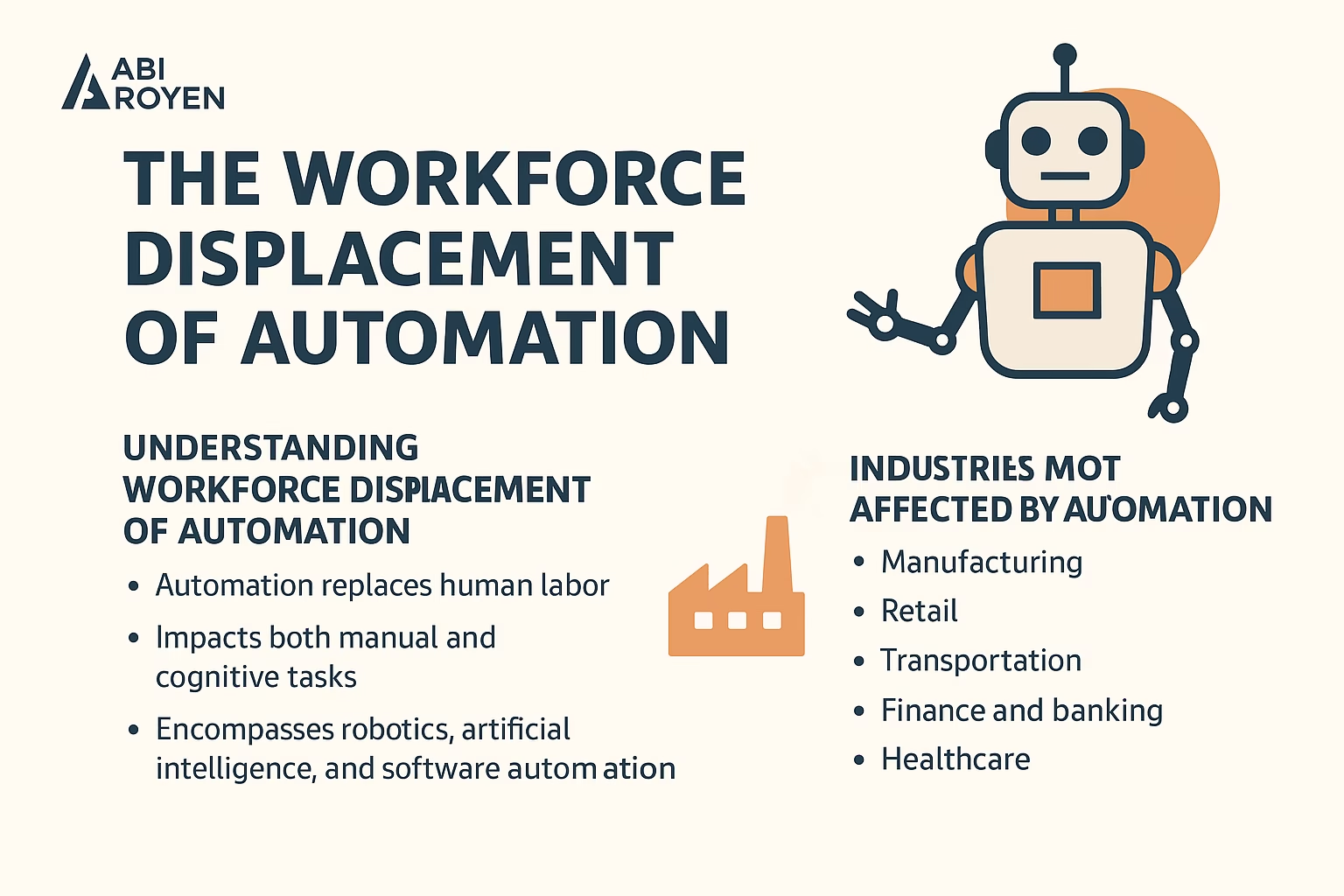
- Job Displacement: Automation may reduce demand for certain manual jobs.
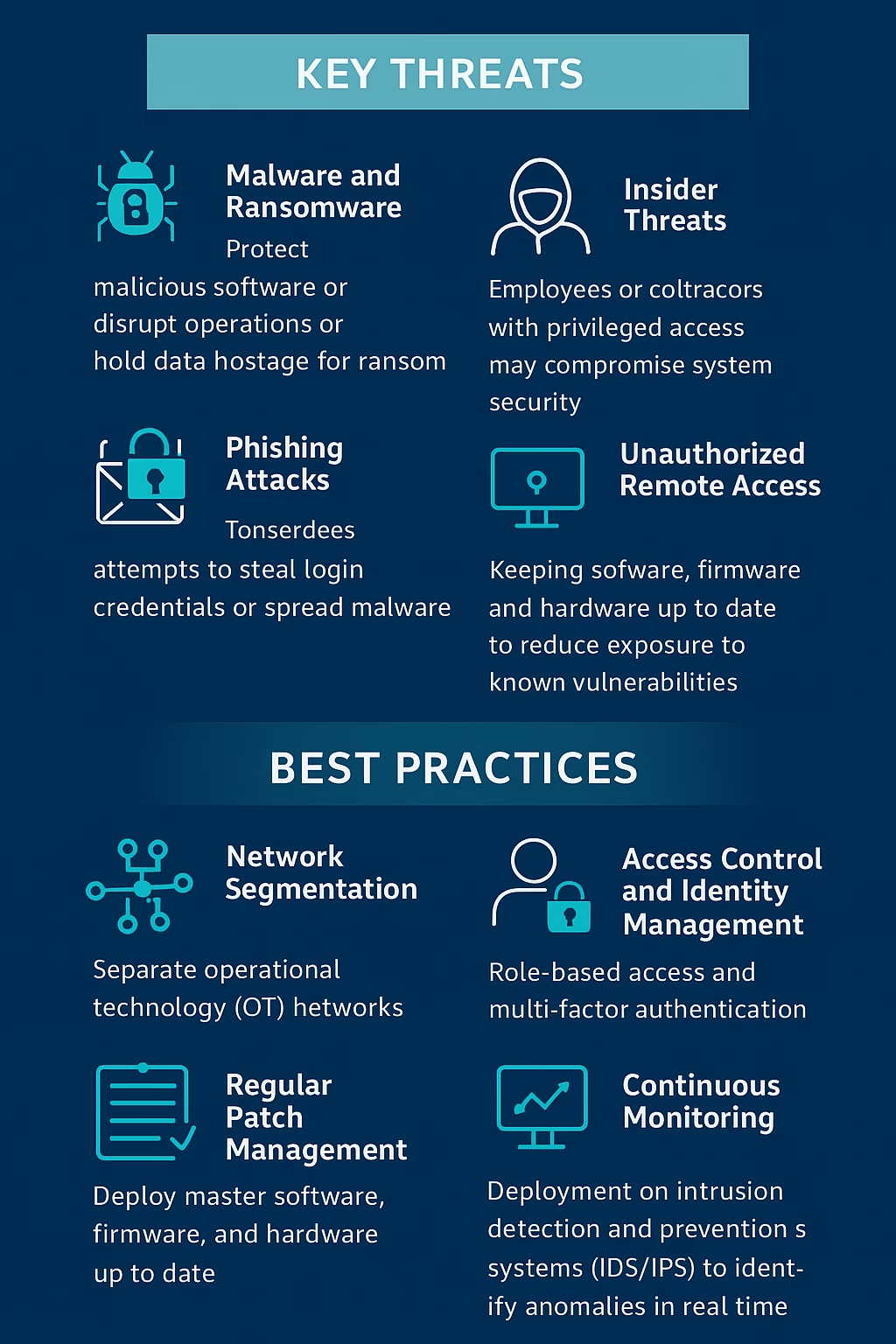
- Cybersecurity Risks: Connected systems are vulnerable to hacking and data breaches.
- Complex Maintenance: Advanced machines require skilled technicians for repair and upkeep.
The Future of Industrial Automation
Industrial automation continues to evolve with emerging technologies such as:
- Artificial Intelligence (AI) – enabling predictive analytics and adaptive systems.
- Internet of Things (IoT) – connecting machines and sensors for smart data-driven factories.
- Collaborative Robots (Cobots) – designed to work alongside humans safely.
- Digital Twins – creating virtual models of factories for simulation and optimization.
- 5G Connectivity – improving real-time communication between machines and control systems.
The future points toward hyper-automation, where AI, robotics, and big data seamlessly integrate for maximum efficiency.
Conclusion
Industrial automation is more than just machines replacing humans—it represents a strategic shift toward smarter, safer, and more efficient industrial systems. Its benefits span across manufacturing, healthcare, logistics, and energy, making it a cornerstone of Industry 4.0.
While challenges such as cost and cybersecurity remain, the advantages of automation far outweigh the drawbacks. Companies adopting automation today are not just improving productivity but also preparing for a more competitive and sustainable future.
As industries worldwide embrace digital transformation, industrial automation will continue to play a vital role in shaping modern economies and technologies.