Importance of Plumbing Systems ~ Plumbing is one of the most essential systems in any building, whether it is residential, commercial, or industrial. Often overlooked, plumbing provides more than just the convenience of running water and drainage. It plays a critical role in maintaining public health, protecting the environment, supporting sustainability, and ensuring the comfort and safety of occupants. Without proper plumbing, modern life as we know it would not be possible.
In this article, we will explore the importance of plumbing systems, their functions, and how they contribute to a healthier and more sustainable world.
1. What is a Plumbing System?
A plumbing system refers to the network of pipes, fixtures, and other equipment designed to distribute clean water for use and to remove wastewater safely. A standard plumbing system consists of:
- Water supply system: Brings clean water into the building from municipal sources or private wells.
- Drainage system: Removes wastewater and directs it to sewer lines or septic tanks.
- Fixtures and appliances: Sinks, toilets, showers, washing machines, and water heaters that rely on plumbing connections.
This interconnected system is vital to human health and environmental safety.
2. Plumbing and Public Health
One of the greatest contributions of plumbing is its role in public health. Clean and safe drinking water is a cornerstone of healthy living. Plumbing systems ensure the availability of safe water while removing contaminants through proper waste disposal.
- Prevents diseases: By safely disposing of sewage and waste, plumbing systems reduce the spread of diseases such as cholera, typhoid, and dysentery.
- Supports hygiene: Running water allows people to maintain proper hygiene through regular hand washing, bathing, and cleaning.
- Improves quality of life: Access to plumbing makes it easier to prepare food safely and maintain sanitary living conditions.
3. Comfort and Convenience
Plumbing systems provide the daily comfort that most people take for granted. Whether it is taking a hot shower, flushing a toilet, or washing clothes, these conveniences are made possible by plumbing technology.
- Hot water systems provide comfort during cold weather.
- Water filtration systems ensure safe drinking water directly from the tap.
- Modern fixtures such as smart toilets and energy-efficient dishwashers enhance living standards.
Without plumbing, life would be much more labor-intensive and inconvenient.
4. Safety and Structural Protection
Plumbing systems are also crucial for the safety of buildings and their occupants. Poorly designed or neglected plumbing can lead to water leaks, flooding, and structural damage.
- Leak detection systems help prevent water damage to walls, floors, and foundations.
- Fire suppression systems such as sprinklers rely on plumbing to function effectively.
- Proper drainage systems prevent flooding during storms and heavy rainfall.
By protecting infrastructure, plumbing ensures both safety and economic savings.
5. Plumbing and Sustainability
In the modern era, sustainability is becoming increasingly important, and plumbing is at the center of water conservation efforts.
- Low-flow fixtures reduce water consumption without compromising performance.
- Greywater recycling systems reuse wastewater from sinks and showers for irrigation or flushing toilets.
- Rainwater harvesting systems capture and store rainwater for future use.
These innovations not only conserve water but also lower utility bills, making plumbing a driver of environmental sustainability.
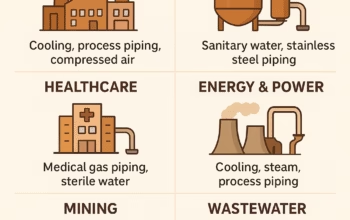
6. The Role of Plumbing in Different Sectors
Plumbing impacts almost every sector of society:
- Residential buildings: Homes rely on plumbing for daily living, comfort, and sanitation.
- Commercial spaces: Offices, hotels, and shopping centers need plumbing for restrooms, kitchens, and fire safety.
- Industrial facilities: Factories require specialized plumbing for cooling systems, chemical handling, and wastewater treatment.
- Healthcare facilities: Hospitals depend on advanced plumbing for sterilization, medical equipment, and clean water supply.
The importance of plumbing goes beyond private comfort—it supports essential industries and public services.
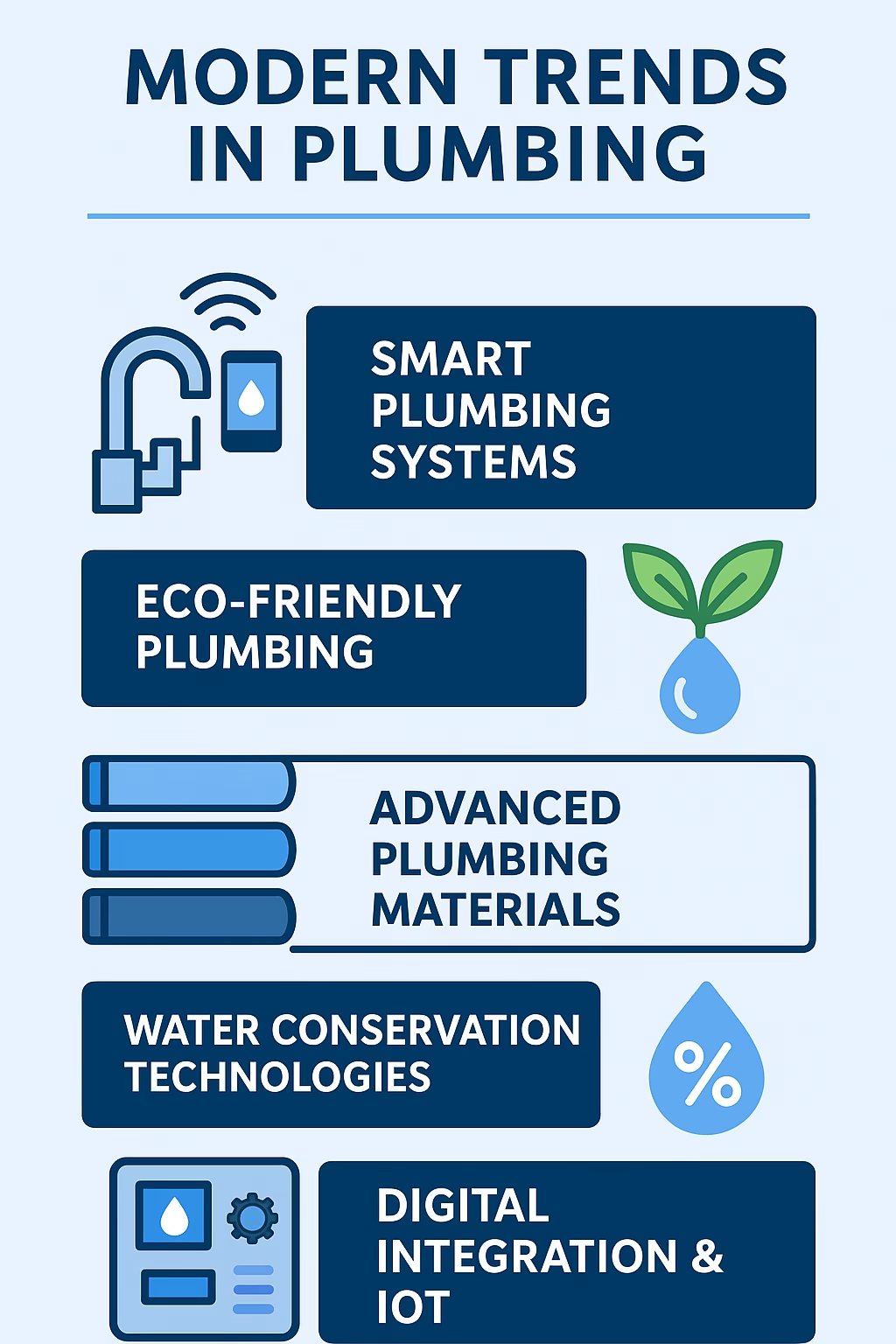
7. Modern Plumbing Technology
Advancements in technology have revolutionized plumbing systems, making them smarter, safer, and more efficient.
- Smart leak detectors notify homeowners of water leaks through mobile apps.
- Sensor-based faucets and toilets save water and reduce contamination risks.
- Pipe materials such as PEX and PVC improve durability and flexibility compared to traditional metal pipes.
These innovations contribute to cost savings, efficiency, and better water management.
8. Importance of Plumbing Maintenance
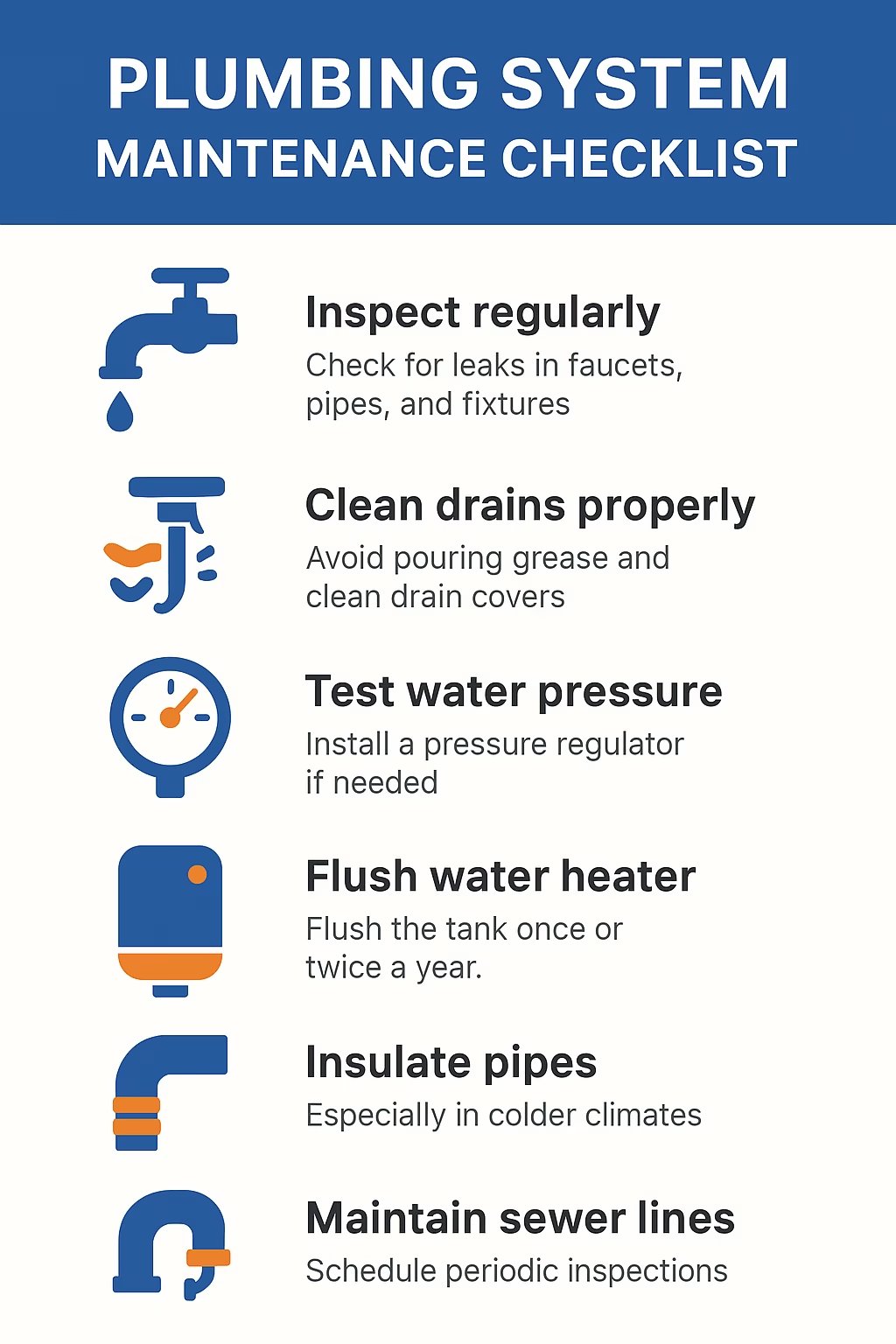
Even the most advanced plumbing system requires regular maintenance to function effectively. Neglected plumbing can lead to expensive repairs, water waste, and health hazards.
- Routine inspections can detect leaks and prevent water damage.
- Drain cleaning helps avoid blockages and backups.
- Timely repairs extend the lifespan of plumbing fixtures and appliances.
Investing in professional plumbing services ensures that systems remain reliable and efficient.
9. The Future of Plumbing Systems
As the world faces challenges such as climate change, water scarcity, and urbanization, plumbing systems will continue to evolve. Future trends include:
- Smart water grids for real-time monitoring of water supply and demand.
- Eco-friendly plumbing materials to reduce environmental impact.
- AI-driven maintenance systems that predict plumbing issues before they occur.
The integration of technology and sustainability will shape the future of plumbing infrastructure worldwide.


Conclusion of Importance of Plumbing Systems
Plumbing systems are much more than pipes and fixtures—they are a vital part of human health, safety, comfort, and sustainability. From providing clean water to managing waste, plumbing supports nearly every aspect of modern living. As technology advances and environmental challenges grow, plumbing will continue to evolve as a cornerstone of healthy, sustainable, and comfortable living.
Investing in proper plumbing installation, innovation, and maintenance is essential for ensuring a better quality of life for current and future generations.