Plumbing systems are the backbone of modern living, ensuring that water supply, waste removal, and sanitation run smoothly in homes, offices, and industrial buildings. Without efficient plumbing, daily activities such as bathing, cooking, cleaning, and even heating would be nearly impossible. Understanding the types of plumbing systems is essential for homeowners, contractors, and facility managers who want to maintain efficiency, safety, and sustainability in their buildings.
In this article, we will discuss the major categories of plumbing systems, their functions, advantages, and where they are commonly used.
Importance of Plumbing Systems
Before diving into the types, it is important to understand why plumbing systems are so vital:
- Clean Water Supply: Provides access to safe drinking water and water for daily use.
- Waste Removal: Removes wastewater and sewage to maintain hygiene.
- Efficiency: Modern systems reduce water waste and improve energy efficiency.
- Safety: Prevents contamination between clean water and wastewater.
- Comfort: Enhances the quality of life by ensuring convenience in residential and commercial settings.
Main Types of Plumbing Systems
Plumbing systems can be broadly classified into several types based on their function. The most common categories include:
1. Types of Plumbing Systems: Water Supply System
The water supply system delivers fresh, potable water to different parts of a building. It is the most essential plumbing system since it provides the water needed for drinking, cooking, cleaning, and sanitation.
Components of a water supply system include:
- Pipes (usually copper, PVC, or PEX)
- Valves and faucets
- Water storage tanks
- Pumps and pressure systems
Types of water supply systems:
- Direct System: Water is supplied directly from the main source to the taps.
- Indirect System: Water is stored in tanks before being distributed.
Common Uses: Homes, offices, industries, and commercial buildings.
2. Drainage System
The drainage system removes wastewater from buildings to municipal sewers or septic tanks. This system prevents flooding, protects health, and maintains hygiene by ensuring that contaminated water is safely discharged.
Key components:
- Drain pipes
- Traps (prevent foul odors from entering)
- Vent pipes
- Sewer lines
Types of drainage systems:
- Single-pipe system: Both wastewater and soil water (toilets) are discharged through one pipe.
- Two-pipe system: Wastewater and soil water are separated for better efficiency.
3. Stormwater Drainage System
Stormwater systems are designed to handle rainwater and prevent flooding around homes and buildings. Without proper stormwater drainage, rain can cause waterlogging, soil erosion, and structural damage.
Main features include:
- Gutters and downpipes
- Stormwater drains
- Catch basins
- Underground stormwater lines
Importance: Protects properties from water damage and helps manage excess rainfall in urban areas.
4. Gas Plumbing System
In addition to water, plumbing systems can also transport natural gas or propane. This system is essential in buildings where gas is used for cooking, heating, or hot water systems.
Components include:
- Gas pipelines
- Regulators and meters
- Valves and fittings
Note: Gas plumbing must always be handled by licensed professionals due to safety risks.
5. Hot Water Plumbing System
Hot water is essential for bathing, cooking, and heating. A hot water plumbing system ensures the efficient distribution of heated water throughout a building.
Key parts:
- Water heaters (tank-type or tankless)
- Hot water pipes
- Safety valves
Common Applications: Residential homes, hotels, hospitals, and commercial kitchens.
6. Sanitary Plumbing System
This system specifically deals with the removal of human waste through toilets and urinals. It ensures that waste is directed safely to the main sewer line or septic tank.
Key aspects:
- Toilet connections
- Soil pipes
- Ventilation systems to avoid foul smells
7. Types of Plumbing Systems: Fire Protection Plumbing System
In commercial buildings, factories, and large residential complexes, fire protection plumbing is installed for safety.
Includes:
- Fire hydrant systems
- Sprinkler systems
- Water storage for firefighting
This system ensures rapid response in case of fire emergencies.


Choosing the Right Plumbing System
When deciding on a plumbing system, several factors must be considered:
- Type of Building: Residential, commercial, or industrial.
- Water Source: Municipal supply or private well.
- Budget: Installation and maintenance costs.
- Local Regulations: Compliance with plumbing codes and safety standards.
- Sustainability: Systems that reduce water and energy consumption.
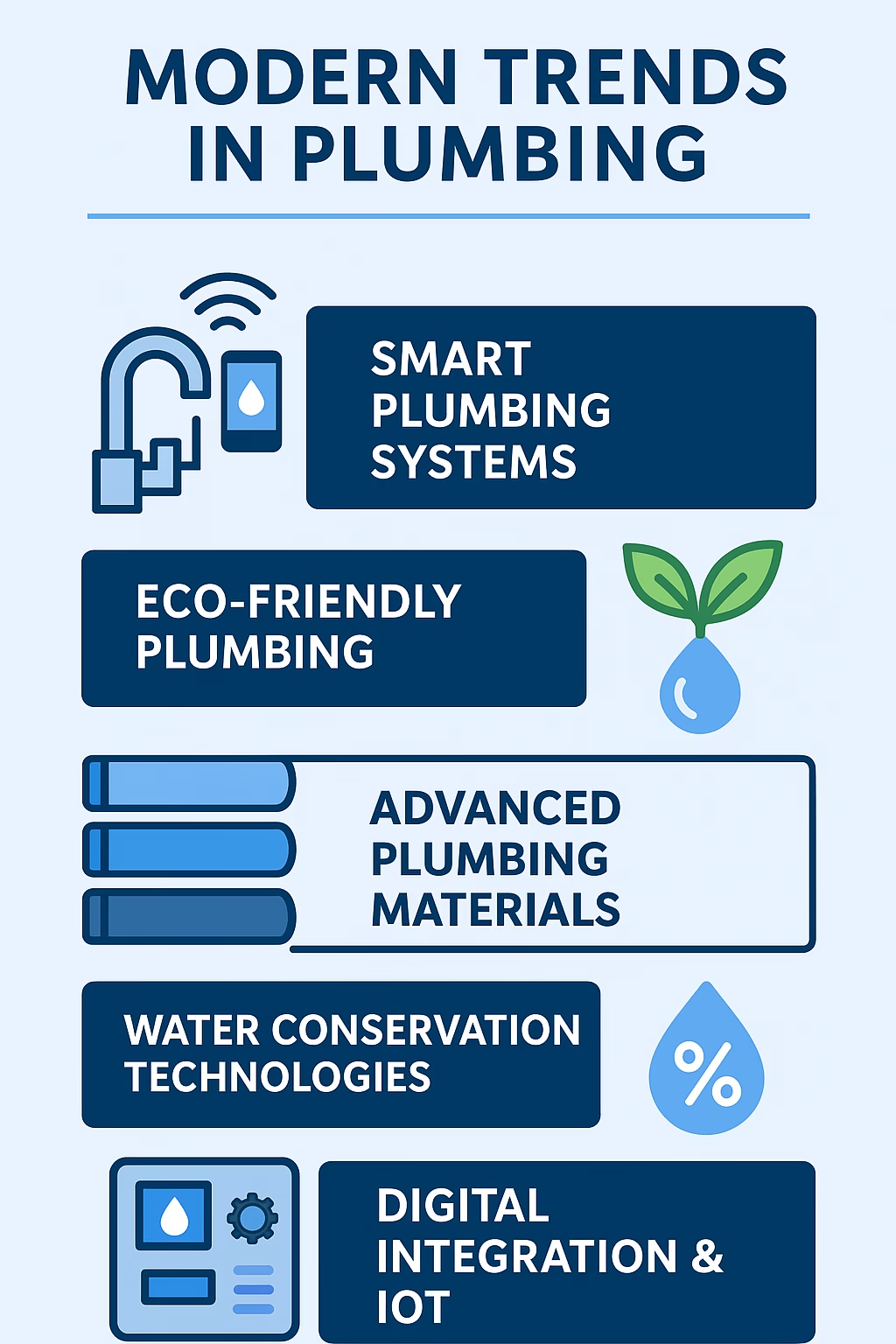
Modern Trends in Plumbing Systems
Plumbing technology continues to evolve with innovations designed to improve efficiency and sustainability. Some trends include:
- Smart plumbing systems that detect leaks and monitor water usage.
- Eco-friendly fixtures like low-flow faucets and dual-flush toilets.
- Rainwater harvesting systems integrated with plumbing.
- Greywater recycling systems to reuse water for irrigation and flushing.
Conclusion of Types of Plumbing Systems
Plumbing systems are a vital part of every modern building, ensuring a safe and reliable supply of water while managing wastewater and stormwater effectively. By understanding the different types of plumbing systems—from water supply and drainage to fire protection and hot water systems—homeowners and businesses can make informed decisions for better functionality, safety, and sustainability.
For more guides and detailed information about plumbing and construction systems, visit Abi Royen.