

Electrical power distribution is a critical part of the electrical energy supply chain. After power is generated in power plants, it must be transmitted over long distances and then distributed to homes, offices, factories, and other facilities. This process requires a carefully designed system to ensure reliable, efficient, and safe delivery of electricity to consumers.
In this article, we will explore the principles of electrical power distribution, the main components, different distribution system types, and common applications in various industries.
1. Understanding Electrical Power Distribution
Electrical power distribution refers to the final stage in the delivery of electrical energy. It involves delivering electricity from the transmission system to individual consumers through a network of substations, transformers, and distribution lines.
While transmission systems carry high-voltage electricity over long distances, distribution systems step down the voltage to safer, usable levels for end users.
Key purposes of electrical distribution systems include:
- Voltage regulation – ensuring electricity is delivered at the required voltage.
- Reliability – minimizing outages and ensuring uninterrupted supply.
- Safety – preventing accidents and hazards through proper design and protection devices.
- Efficiency – reducing losses during distribution.
2. Main Components of a Power Distribution System
A well-designed electrical distribution system consists of several key components:
a. Distribution Substation
A distribution substation is where high-voltage electricity from the transmission network is transformed to medium or low voltage for local distribution. It includes transformers, switchgear, circuit breakers, and control equipment.
b. Distribution Lines
These lines carry electricity from substations to consumers. They can be:
- Overhead lines – supported by poles, cost-effective but exposed to weather conditions.
- Underground cables – more expensive but safer and aesthetically pleasing.
c. Transformers
Transformers reduce voltage levels in stages:
- Primary distribution transformers – step down from transmission voltage to medium voltage.
- Secondary distribution transformers – step down further to low voltage for household or commercial use.
d. Switchgear
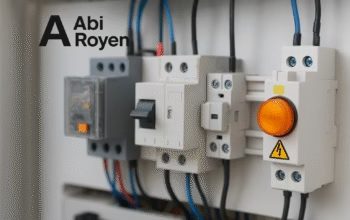
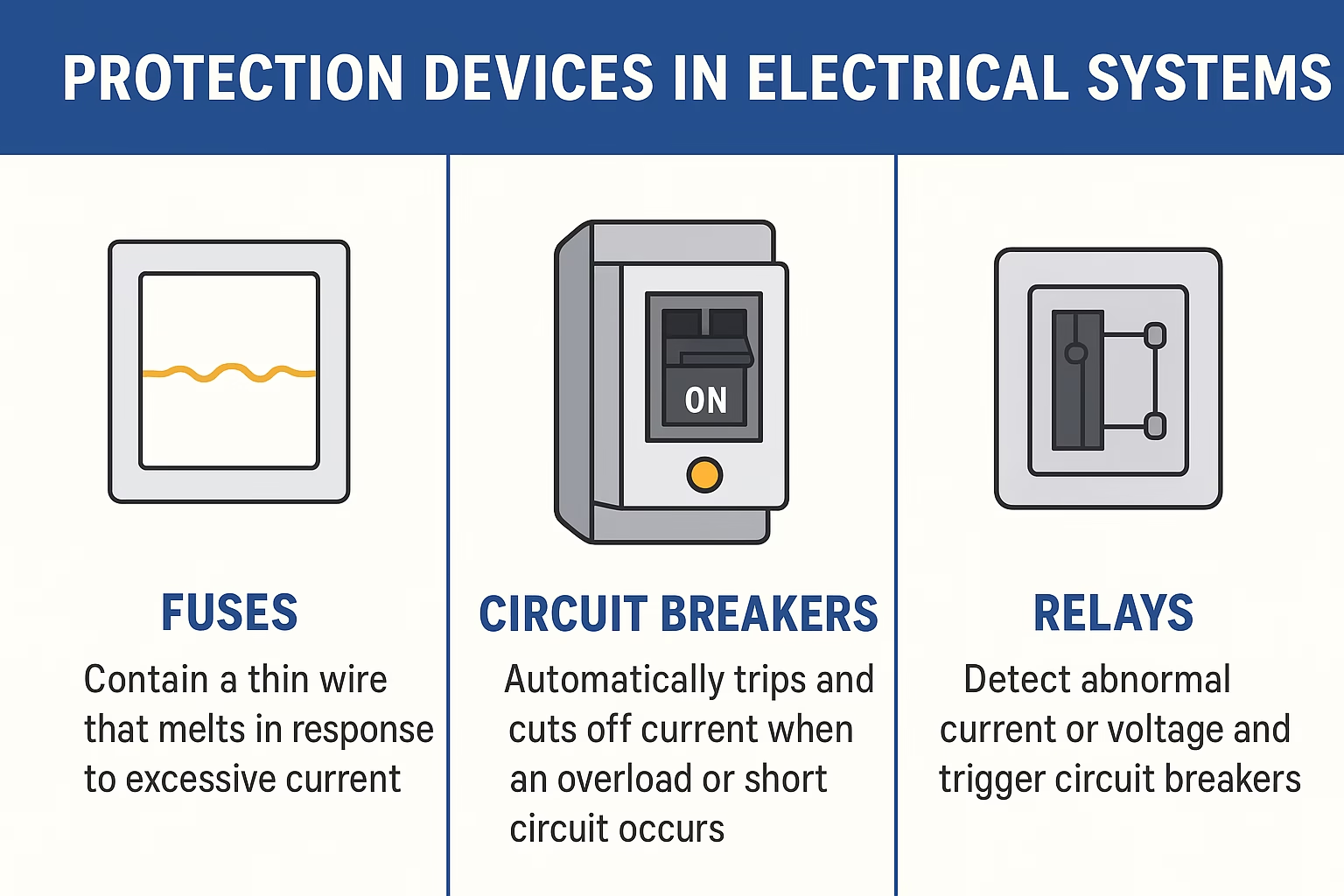
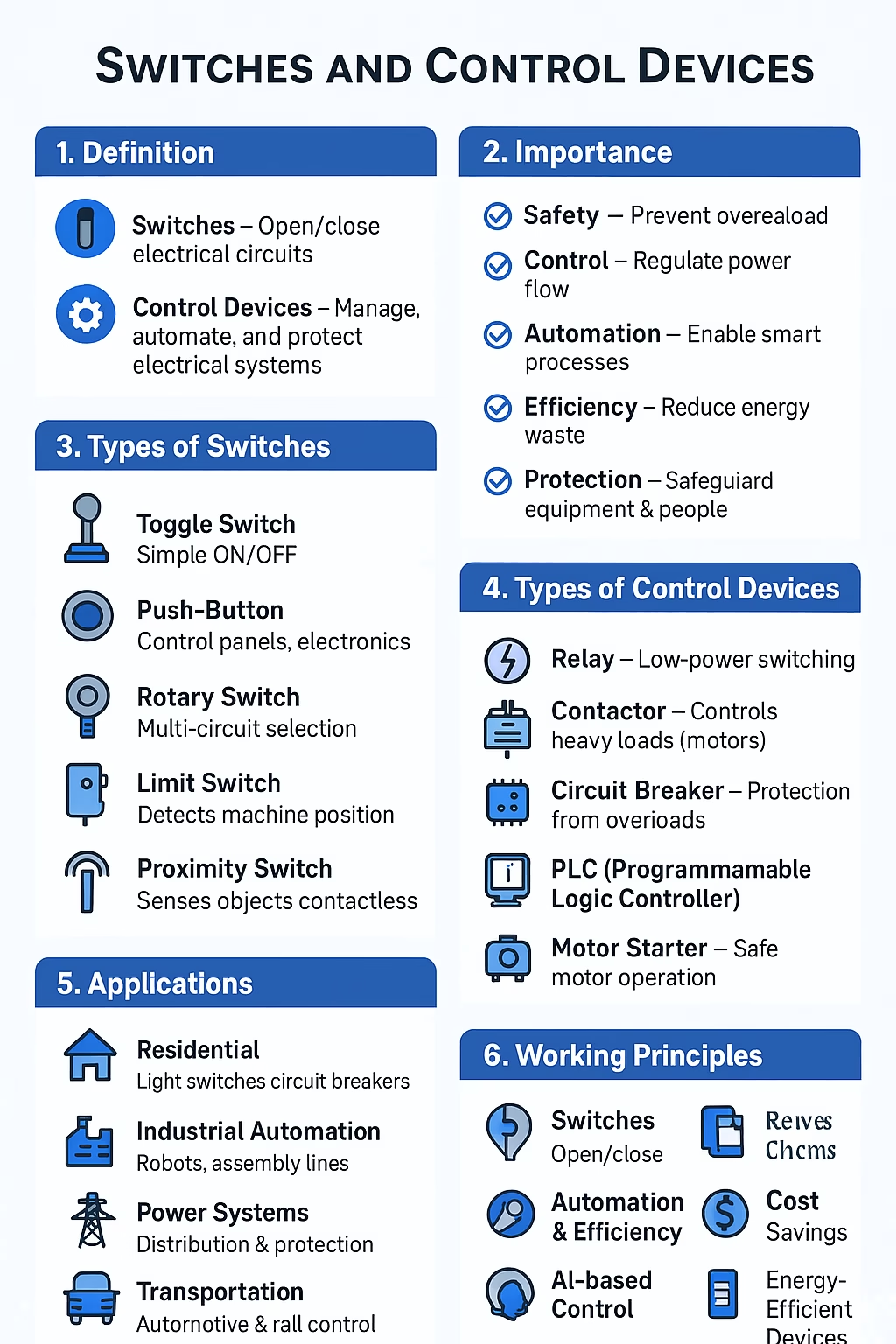
Switchgear includes circuit breakers, switches, and fuses that control, protect, and isolate equipment during maintenance or fault conditions.
e. Protective Devices
These include fuses, relays, and surge arresters to protect the system from overloads, short circuits, and lightning strikes.
3. Types of Electrical Power Distribution Systems
Distribution systems are classified based on the voltage level and network configuration.
a. Based on Voltage Level
- Primary Distribution – Typically 4 kV to 35 kV; supplies electricity from substations to local distribution transformers.
- Secondary Distribution – Typically 120V to 480V; delivers electricity from transformers directly to consumers.
b. Based on Network Configuration
- Radial System – A single path from substation to consumer; cost-effective but less reliable.
- Loop System – Creates a loop for alternative supply paths; more reliable.
- Network System – Multiple interconnections providing high reliability, used in dense urban areas.
4. Electrical Power Distribution Process
The process of delivering electricity involves several stages:
- Power Generation – Electricity is produced in power plants using fossil fuels, nuclear energy, or renewable sources.
- High-Voltage Transmission – Power is transmitted over long distances at high voltages (110 kV to 765 kV) to minimize losses.
- Step-Down at Substation – Voltage is reduced for local distribution.
- Medium Voltage Distribution – Power is carried to neighborhoods or industrial zones.
- Final Step-Down – Voltage is reduced again for direct use by consumers.
5. Applications of Electrical Power Distribution
Electrical distribution systems are used in various sectors:
- Residential Areas – Homes require low voltage for lighting, appliances, and electronics.
- Commercial Buildings – Offices, malls, and hospitals depend on stable power for lighting, HVAC, and equipment.
- Industrial Facilities – Factories use medium voltage for machinery and processes.
- Public Infrastructure – Street lighting, traffic signals, and public transportation systems rely on distribution networks.
6. Challenges in Electrical Power Distribution
Despite technological advancements, power distribution systems face challenges:
- Power Losses – Energy lost as heat in conductors and transformers.
- Equipment Aging – Old infrastructure can lead to reliability issues.
- Load Variations – Sudden increases in demand can cause voltage drops.
- Environmental Factors – Storms, lightning, and earthquakes can damage distribution lines.
- Cybersecurity Risks – Modern smart grids are vulnerable to digital attacks.


7. Innovations in Electrical Distribution Systems
Modern power distribution is evolving with the integration of new technologies:
- Smart Grids – Use digital communication to monitor and control electricity flow in real time.
- Renewable Integration – Solar and wind power are connected directly to local distribution networks.
- Energy Storage Systems – Batteries help balance supply and demand.
- Automated Fault Detection – Improves response times and minimizes outages.
8. Safety Considerations in Power Distribution
Safety is a top priority in electrical distribution. Common practices include:
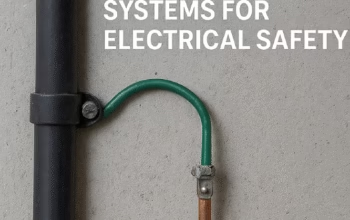
- Proper grounding to prevent electric shock.
- Regular maintenance and inspections.
- Installing surge protectors and lightning arresters.
- Using insulated cables and protective barriers.
Conclusion
Electrical power distribution is the bridge between electricity generation and consumption, ensuring that power reaches homes, businesses, and industries reliably and safely. By understanding its principles, components, and applications, engineers and technicians can design systems that meet the growing demands for electricity while integrating new technologies for efficiency and sustainability.
With the rise of renewable energy and smart grid technologies, the future of electrical power distribution is set to become more efficient, reliable, and environmentally friendly.