Introduction of Cables and Accessories Radio
Cables and Accessories Radio ~ In the world of radio communication, cables and accessories play a crucial role in ensuring reliable signal transmission and optimal system performance. From professional broadcasting stations and amateur radio setups to marine and aviation communication systems, the quality and suitability of cables and accessories can make the difference between clear communication and disruptive interference.
This article explores the importance of radio cables and accessories, their different types, applications, and best practices for choosing the right equipment. Whether you are a hobbyist, a professional, or a business owner, understanding these components will help you build a more efficient and long-lasting radio system.
The Role of Cables in Radio Communication
Cables act as the physical medium that carries electrical signals between radio equipment components, such as transmitters, receivers, antennas, and amplifiers. Without the right type of cable, even the most advanced radio system can suffer from signal loss, interference, or degraded performance.
The two most commonly used cable types in radio communication are:
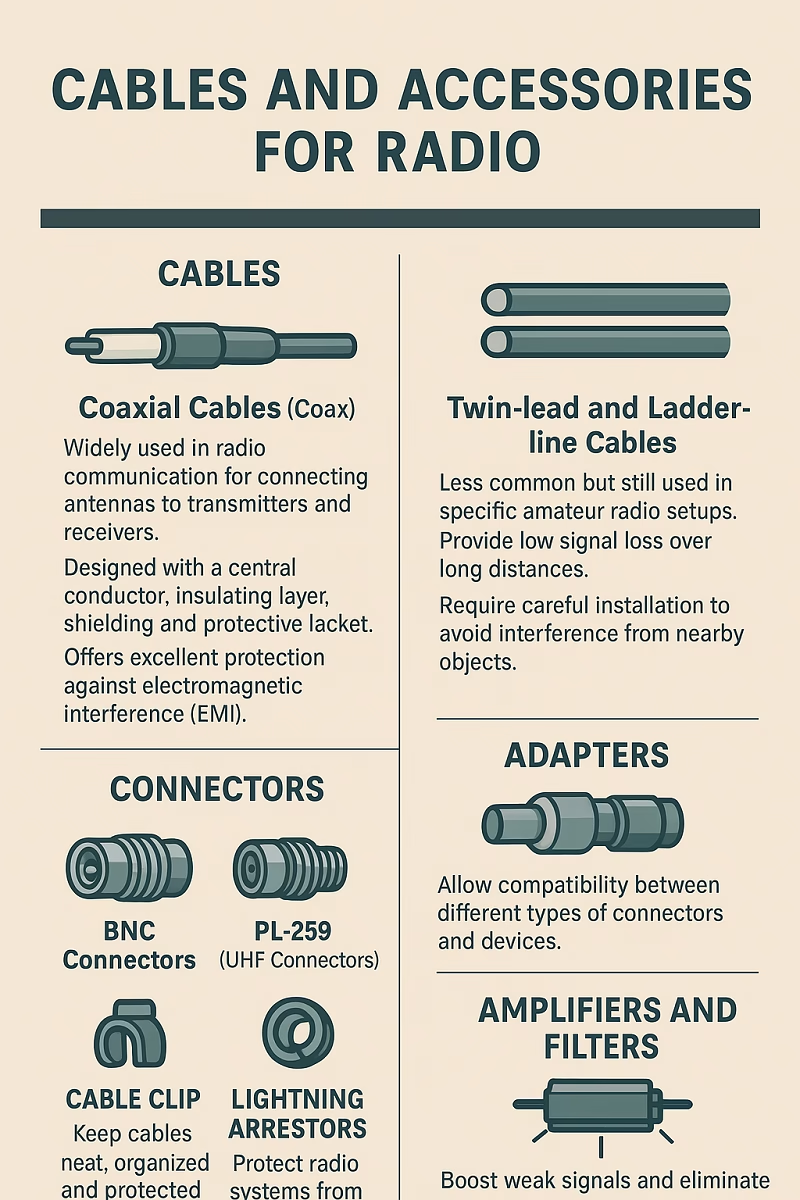
- Coaxial Cables (Coax):
- Widely used in radio communication for connecting antennas to transmitters and receivers.
- Designed with a central conductor, insulating layer, shielding, and protective jacket.
- Offers excellent protection against electromagnetic interference (EMI).
- Twin-lead and Ladder-line Cables:
- Less common but still used in specific amateur radio setups.
- Provide low signal loss over long distances.
- Require careful installation to avoid interference from nearby objects.
Cables and Accessories Radio Systems
Alongside cables, accessories ensure stability, durability, and improved performance of a radio communication system. The following are essential accessories that complement radio cables:
1. Connectors
Connectors are the interface between cables and radio devices. Popular types include:
- BNC Connectors: Quick-connect type, often used in test equipment and shortwave applications.
- PL-259 (UHF Connectors): Widely used in amateur and CB radios.
- N-Type Connectors: Offer low signal loss at high frequencies, ideal for professional setups.
- SMA Connectors: Compact and reliable, commonly used in handheld radios.
2. Adapters
Adapters allow compatibility between different types of connectors and devices. For example, converting an SMA connector to BNC enables the use of multiple equipment types without replacing cables.
3. Cable Clips and Management Tools
Proper cable management is essential to avoid tangling, wear, and signal degradation. Clips, ties, and sleeves keep cables neat, organized, and protected from physical damage.
4. Lightning Arrestors and Surge Protectors
Since antennas are exposed to outdoor conditions, lightning arrestors are crucial accessories to protect radio systems from electrical surges.
5. Amplifiers and Filters
Though not always categorized as accessories, amplifiers boost weak signals, and filters eliminate unwanted interference, both enhancing overall communication quality.
Factors to Consider When Choosing Cables and Accessories Radio
Selecting the right cable and accessory requires careful consideration. Below are the main factors to keep in mind:
- Frequency Range: Ensure that the cable and connectors support the frequency range of your radio system. Higher frequencies demand cables with lower signal loss.
- Cable Length: Longer cables increase signal loss. Use the shortest possible length to maintain performance.
- Shielding Quality: Proper shielding prevents interference from nearby electronic devices and power lines.
- Connector Compatibility: Ensure connectors and adapters match your radio equipment specifications.
- Durability: Outdoor installations require weather-resistant cables and accessories to withstand harsh conditions.
- Budget and Application: While professional-grade cables may be more expensive, they provide long-term reliability compared to cheaper alternatives.
Best Practices for Installation and Maintenance
Even high-quality cables and accessories can underperform without proper installation and care. Follow these best practices:
- Avoid Sharp Bends: Sharp bends can damage cable shielding and increase signal loss.
- Keep Away from Power Lines: Running cables parallel to power lines increases interference.
- Use Proper Grounding: Protects equipment from lightning strikes and reduces static buildup.
- Regular Inspections: Check for wear, corrosion, or loose connections periodically.
- Replace Damaged Parts Promptly: Small defects can lead to significant performance issues.

Applications of Cables and Accessories Radio
Cables and accessories are used across multiple industries and personal communication setups, such as:
- Amateur (Ham) Radio: For personal communication, experiments, and community service.
- Broadcasting Stations: Ensure clear signal transmission to wide audiences.
- Marine and Aviation: Provide reliable communication for navigation and safety.
- Emergency Services: Essential for uninterrupted communication during rescue missions.
- Military and Defense: Require high-durability and secure communication systems.
Future Trends in Cables and Accessories Radio
With the rapid advancement of communication technologies, radio cables and accessories are evolving as well. Some emerging trends include:
- Low-loss Cables for High Frequencies (5G and beyond).
- Miniaturized Connectors for compact devices.
- Durable, weather-resistant materials for outdoor installations.
- Integration with digital monitoring systems for performance tracking.
These innovations aim to improve efficiency, reliability, and adaptability to modern communication demands.
Conclusion
Cables and accessories are the unsung heroes of radio communication systems. While transmitters, receivers, and antennas often get the spotlight, it is the cables and supporting accessories that ensure stable, reliable, and interference-free connections. By understanding their roles, types, and best practices, you can significantly enhance the performance of your radio setup.
Whether for amateur radio enthusiasts, professional broadcasters, or emergency services, investing in high-quality cables and accessories is essential for achieving consistent and dependable communication.