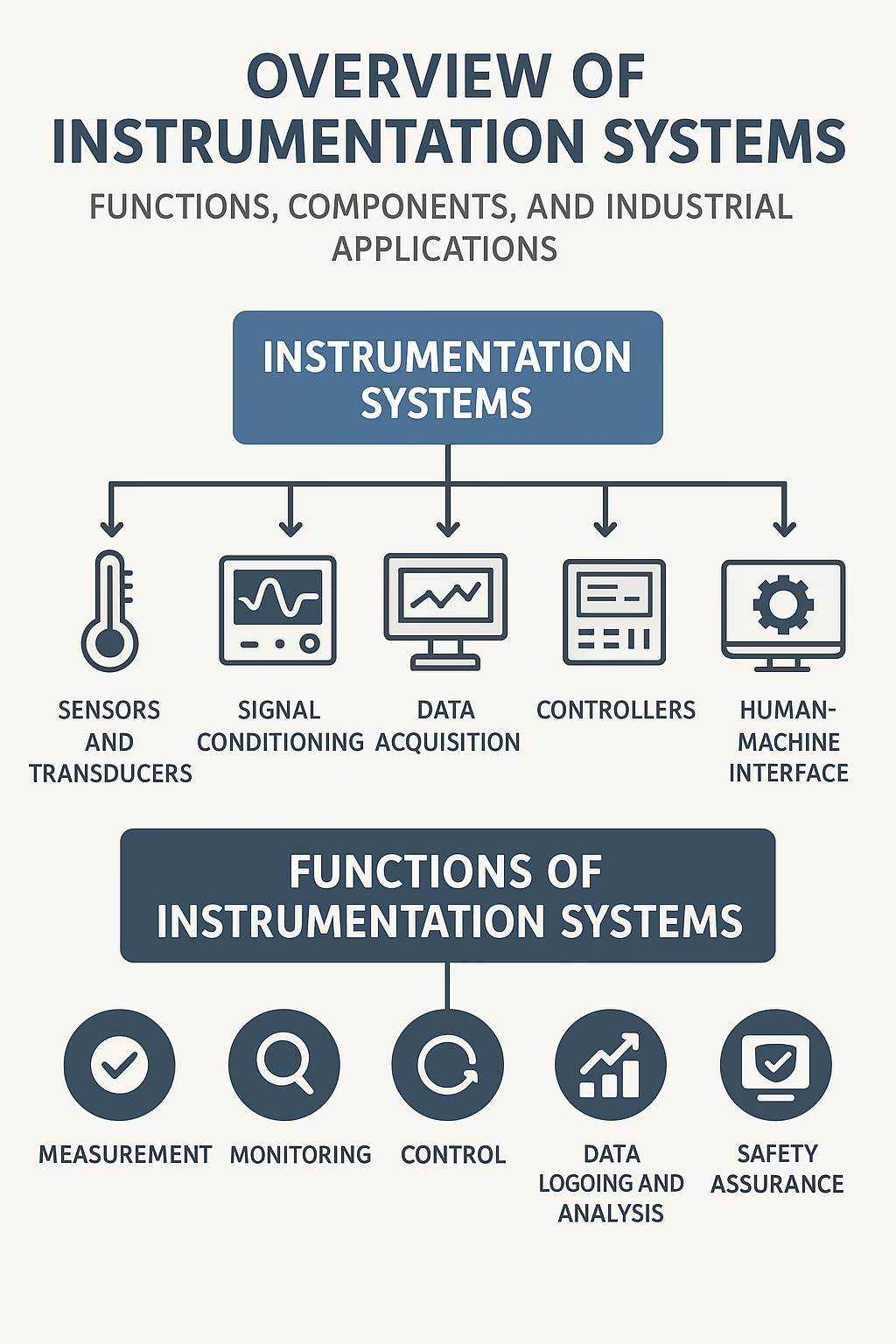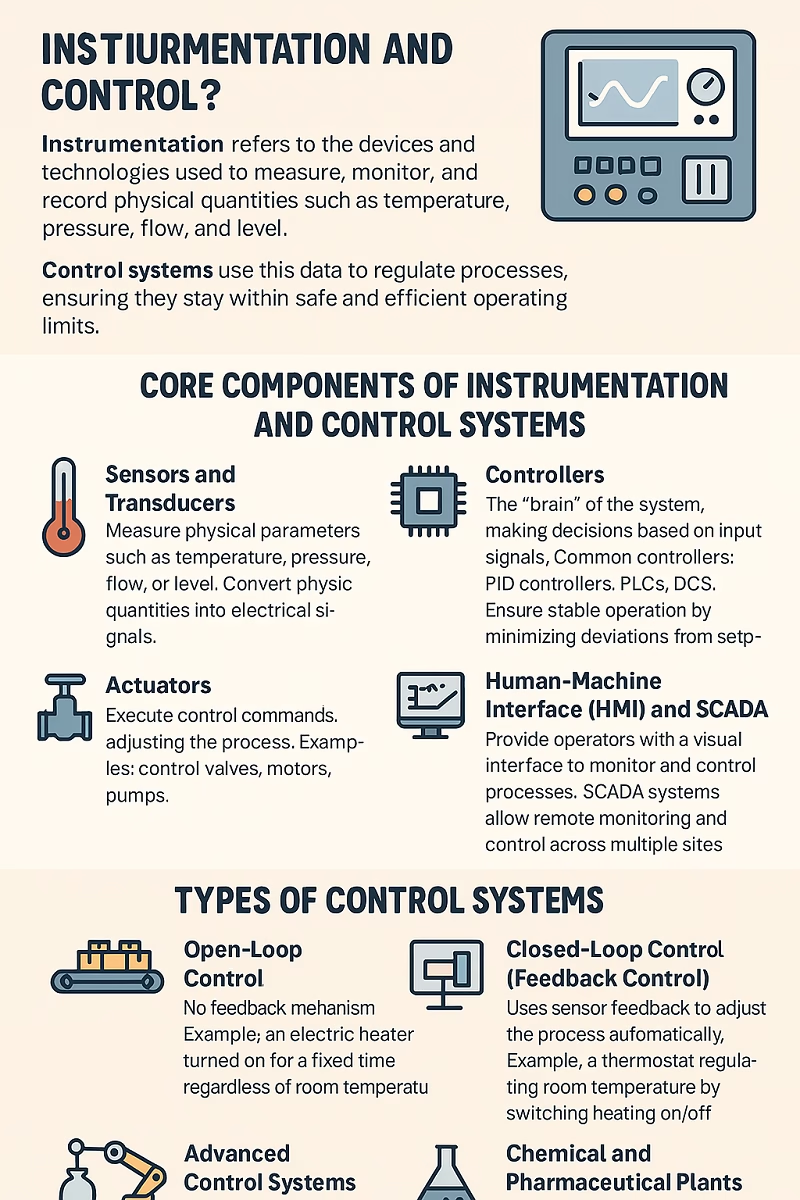


Applications of instrumentation ~ Instrumentation is the science and technology of measuring, monitoring, and controlling variables in processes and systems. From manufacturing plants to hospitals, and from environmental monitoring to space exploration, instrumentation plays a crucial role in ensuring operations run smoothly, efficiently, and safely.
In today’s highly automated and data-driven world, the applications of instrumentation have expanded significantly, integrating with advanced technologies such as IoT, AI, and wireless communication. This article explores the major applications of instrumentation across different industries and explains why it is so critical in modern operations.
1. Understanding Instrumentation and Its Importance
Before diving into the applications, it’s important to understand what instrumentation entails.
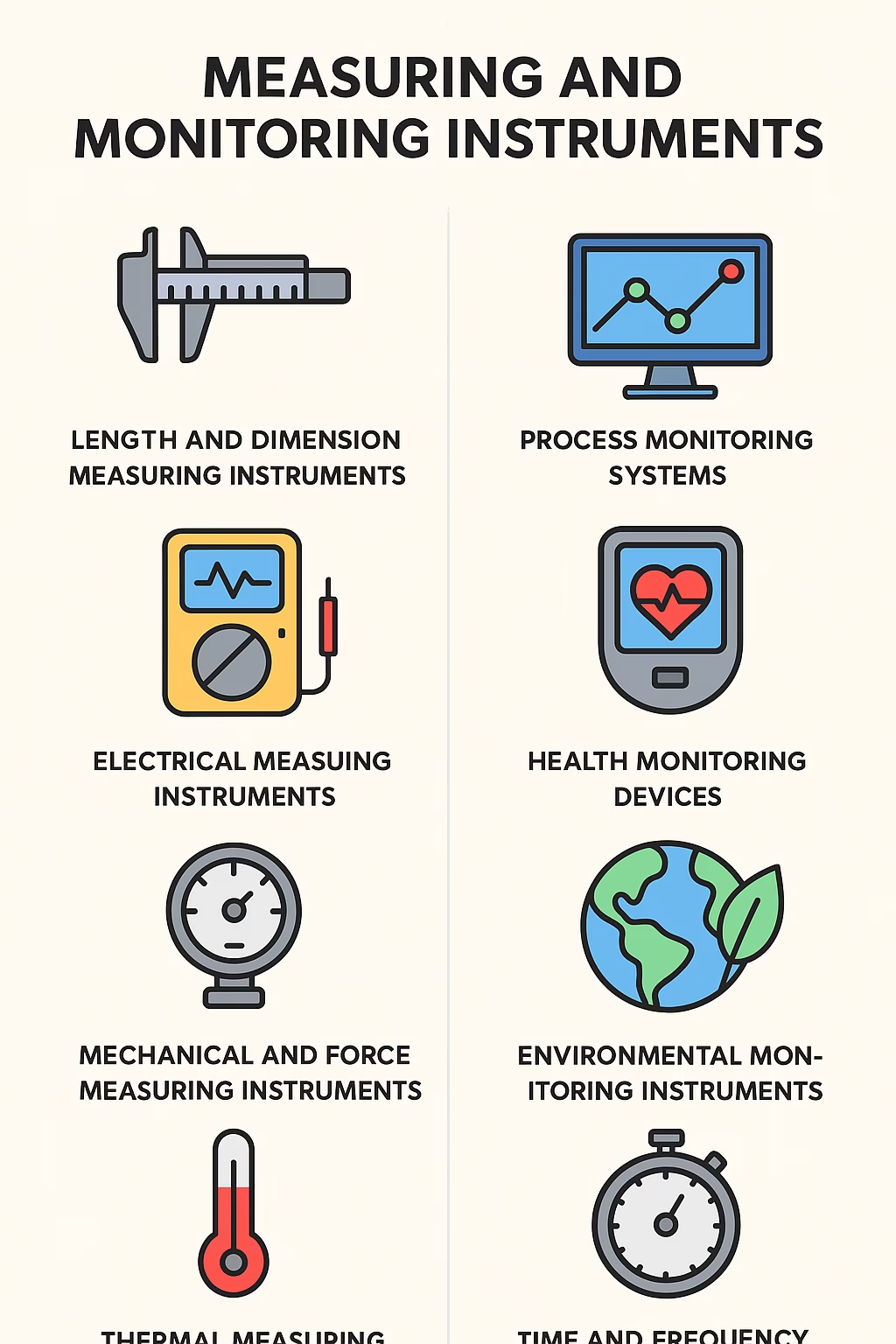
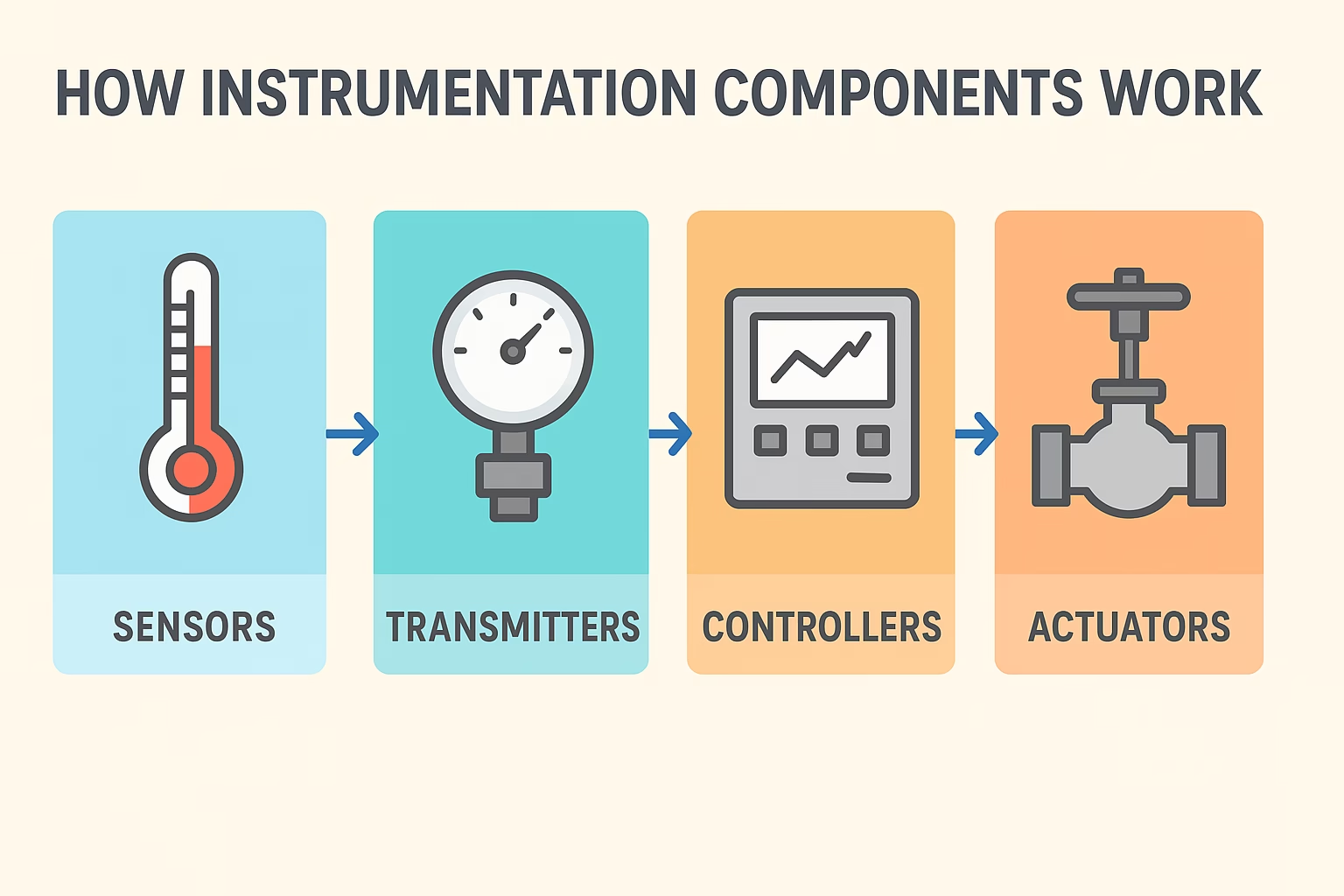
Instrumentation involves devices and systems that measure physical quantities such as temperature, pressure, flow, level, and speed. These measurements are essential for process control, quality assurance, safety compliance, and optimization.
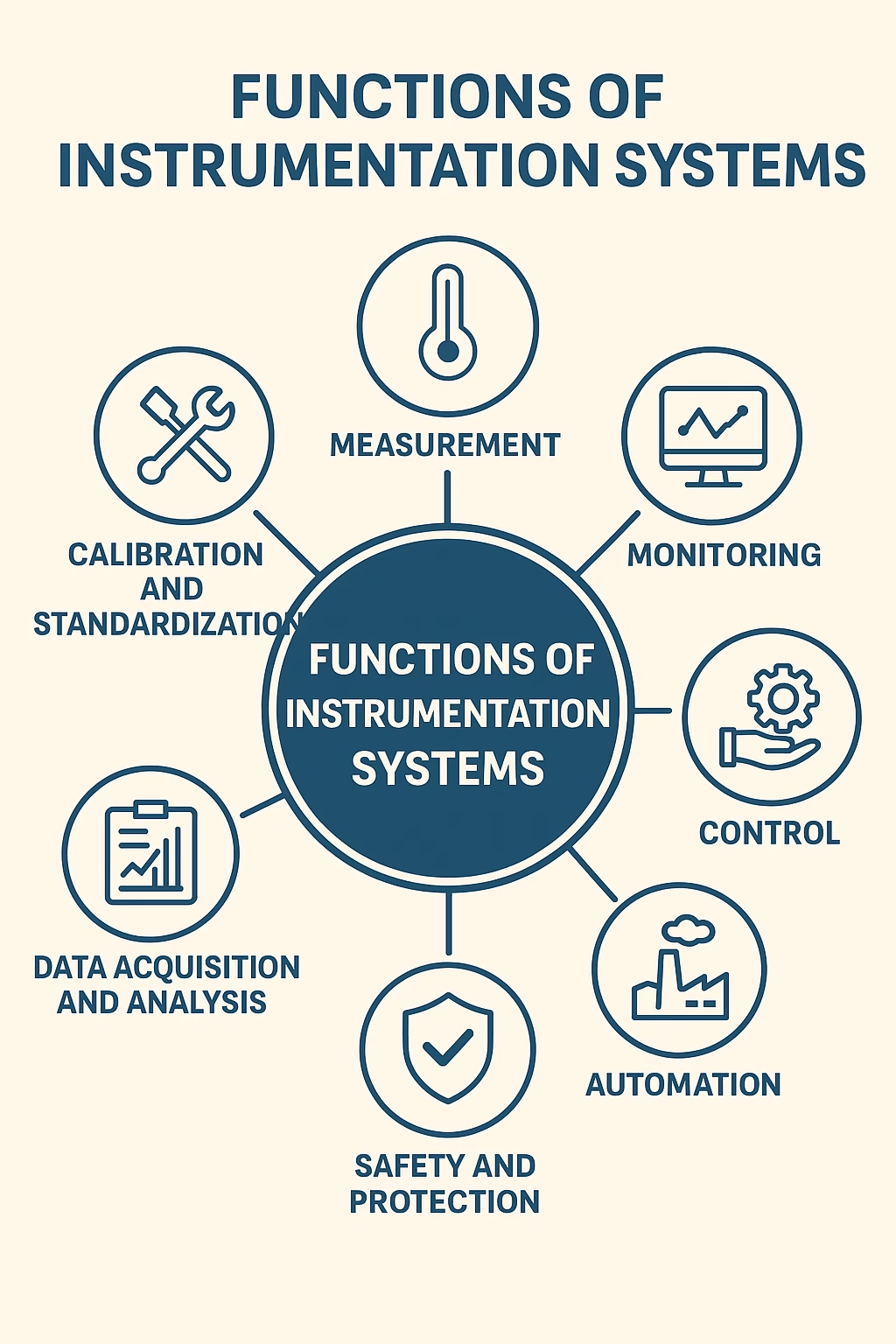
Key benefits of instrumentation include:
- Accuracy: Ensures reliable and consistent data.
- Safety: Monitors hazardous conditions and prevents accidents.
- Efficiency: Optimizes processes, reducing waste and energy usage.
- Automation: Enables complex operations to be managed with minimal human intervention.
2. Applications of Instrumentation Across Industries
2.1 Manufacturing and Industrial Automation
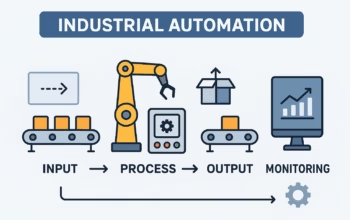
In manufacturing, instrumentation is the backbone of process control. It ensures that products are made to specification, reduces downtime, and increases efficiency.
Examples include:
- Temperature control systems in food processing plants to ensure product quality.
- Pressure sensors in chemical processing to maintain safe operating conditions.
- Flow meters in beverage production lines for accurate filling operations.
- Level sensors in oil and gas tanks to prevent overflows.
Modern industrial plants rely heavily on SCADA (Supervisory Control and Data Acquisition) systems and PLC (Programmable Logic Controller)-based instrumentation to automate and monitor processes in real-time.
2.2 Healthcare and Medical Applications
Instrumentation in healthcare saves lives by enabling accurate diagnosis, monitoring, and treatment.
Common applications include:
- Medical imaging equipment such as MRI, CT, and ultrasound scanners.
- Patient monitoring systems to track heart rate, oxygen levels, and blood pressure in real time.
- Laboratory analyzers for blood and urine testing.
- Infusion pumps for precise delivery of medications.
Instrumentation in medicine must adhere to strict regulatory standards to ensure patient safety and accurate results.
2.3 Applications of Instrumentation: Energy and Power Generation
Power plants, whether nuclear, thermal, hydro, or renewable, depend on precise instrumentation to maintain stable and safe operations.
Examples include:
- Turbine monitoring systems to track performance and efficiency.
- Temperature and pressure sensors in boilers and steam systems.
- Smart grid instrumentation for real-time power demand and distribution monitoring.
- Vibration sensors for predictive maintenance of generators and rotating machinery.
Accurate measurements help prevent breakdowns, improve efficiency, and reduce environmental impact.
2.4 Applications of Instrumentation: Environmental Monitoring and Control
Environmental instrumentation plays a critical role in protecting ecosystems and ensuring compliance with environmental laws.
Applications include:
- Air quality monitoring stations to measure pollutants like CO₂, NOx, and particulate matter.
- Water quality sensors for detecting contaminants in rivers, lakes, and industrial effluents.
- Weather stations for temperature, humidity, and wind speed measurements.
- Noise level meters for monitoring sound pollution in urban areas.
These systems help governments, industries, and researchers make informed decisions to protect the environment.
2.5 Applications of Instrumentation: Aerospace and Defense Applications
Aerospace and defense industries require highly reliable and precise instrumentation due to the extreme conditions and high safety requirements involved.
Examples include:
- Flight data recorders (black boxes) in aircraft.
- Navigation instruments like gyroscopes and accelerometers.
- Radar and sonar systems for defense surveillance.
- Space mission instrumentation for measuring radiation, atmospheric conditions, and spacecraft performance.
Instrumentation in these fields often needs to withstand extreme temperatures, vibrations, and pressures.
2.6 Applications of Instrumentation: Transportation and Automotive Industry
In modern vehicles, instrumentation is used for both performance monitoring and safety.
Applications include:
- Engine control sensors for optimizing fuel efficiency.
- Tire pressure monitoring systems (TPMS) to enhance safety.
- GPS navigation systems integrated with real-time traffic updates.
- Emission control systems to meet environmental regulations.
The rise of electric and autonomous vehicles has further expanded the role of instrumentation in transportation.


3. Integration and Applications of Instrumentation with Modern Technologies
The future of instrumentation lies in its integration with digital and wireless technologies.
Trends include:
- IoT-based sensors for remote monitoring.
- Artificial Intelligence (AI) for predictive maintenance and anomaly detection.
- Wireless instrumentation to reduce installation costs and improve flexibility.
- Cloud-based analytics for real-time decision-making.
These advancements enable faster data processing, improved operational efficiency, and reduced downtime.
4. Conclusion Applications of Instrumentation
Instrumentation is the silent backbone of modern industries, ensuring that processes are accurate, efficient, and safe. Whether it’s in a factory, a hospital, a power plant, or a spacecraft, the role of instrumentation is indispensable.
With the rise of automation, IoT, and AI, the applications of instrumentation will continue to expand, shaping a smarter and more connected future.