

What is Plumbing? ~ Plumbing is one of the most fundamental aspects of modern civilization. Without it, we would not have access to clean water for drinking, bathing, or cooking, nor would we have a safe and hygienic way to dispose of wastewater. While most people only notice plumbing when there’s a leak or a clogged pipe, the plumbing system is a complex and vital infrastructure that supports our daily lives.
In this article, we will explore what plumbing is, its definition, systems, components, and importance for both residential and commercial applications.
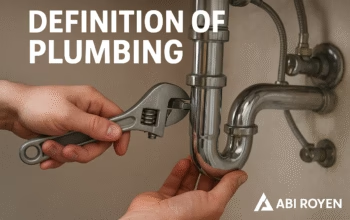
Definition of Plumbing
Plumbing refers to the system of pipes, fixtures, valves, and fittings installed in buildings to distribute clean water and remove wastewater. It ensures that water is supplied where it is needed and disposed of safely after use.
According to the World Health Organization (WHO), plumbing is not just about pipes—it is a key factor in maintaining public health, hygiene, and safety. Without plumbing, urban areas would face waterborne diseases, poor sanitation, and unsafe living conditions.
The Importance of Plumbing
Plumbing goes far beyond convenience; it is essential for survival and quality of life. Some of its major benefits include:
- Access to Clean Water
Plumbing delivers safe drinking water to homes, schools, and industries. - Sanitation and Hygiene
Proper drainage systems remove wastewater efficiently, reducing the spread of bacteria and diseases. - Comfort and Convenience
Modern plumbing provides hot water, showers, dishwashers, and toilets that improve living standards. - Energy Efficiency
Advanced plumbing systems help conserve water and energy through efficient designs and eco-friendly fixtures. - Public Health Protection
Cities rely on plumbing to prevent contamination of drinking water and ensure proper sewage treatment.
Basic Plumbing Systems
Plumbing systems can be divided into two main categories: water supply systems and drainage systems.
1. Water Supply System
The water supply system delivers clean, pressurized water into buildings. It consists of:
- Pipes: Carry water from municipal supplies or wells.
- Valves: Control the flow and shut off water in case of repairs.
- Pumps: Maintain water pressure in large or multi-story buildings.
- Fixtures: Faucets, showers, and appliances that dispense water.
2. Drainage System
The drainage system removes wastewater and directs it to municipal sewers or septic tanks. Key components include:
- Drain Pipes: Carry wastewater away.
- Traps: Prevent sewer gases from entering buildings.
- Vent Pipes: Allow air circulation to prevent vacuum and ensure smooth flow.
- Sewage Systems: Transport waste to treatment plants.
Key Components of Plumbing
A functioning plumbing system relies on various components working together:
- Pipes and Tubes
Made from materials such as PVC, copper, or PEX, pipes are the backbone of plumbing. - Fittings and Valves
Connect pipes and regulate water flow. - Fixtures and Appliances
Sinks, toilets, showers, bathtubs, dishwashers, and washing machines. - Water Heaters
Provide hot water for comfort and sanitation. - Pumps and Tanks
Maintain water pressure and storage in high-demand applications.
Types of Plumbing Systems
Plumbing systems can be classified based on their application:
- Residential Plumbing
Found in houses and apartments, including bathrooms, kitchens, and laundry rooms. - Commercial Plumbing
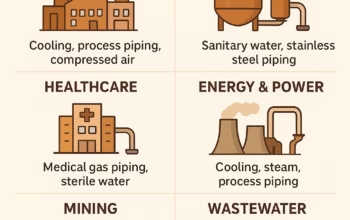
Installed in offices, malls, hospitals, and hotels, requiring more complex designs. - Industrial Plumbing
Supports factories and plants, often involving high-pressure water and specialized systems. - Public Infrastructure Plumbing
Includes municipal water supply, sewage systems, and stormwater management.
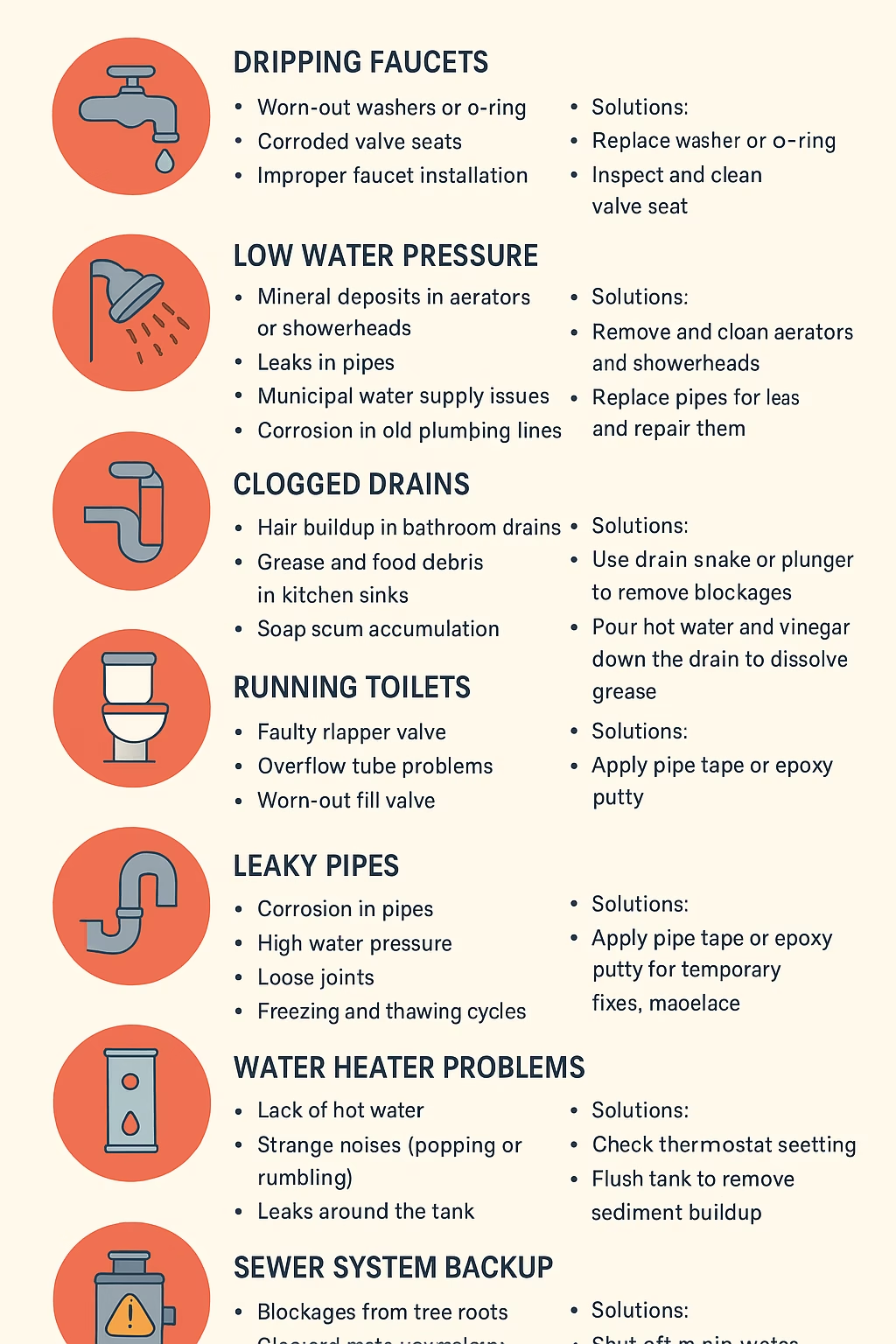
Common Plumbing Problems
Even with proper installation, plumbing systems may face issues over time:
- Leaks and Dripping Faucets: Caused by worn-out seals or damaged pipes.
- Clogged Drains: Due to grease, hair, or foreign objects.
- Low Water Pressure: Often from sediment buildup or pipe leaks.
- Running Toilets: Waste water and increase utility bills.
- Burst Pipes: Usually in cold climates due to freezing water.
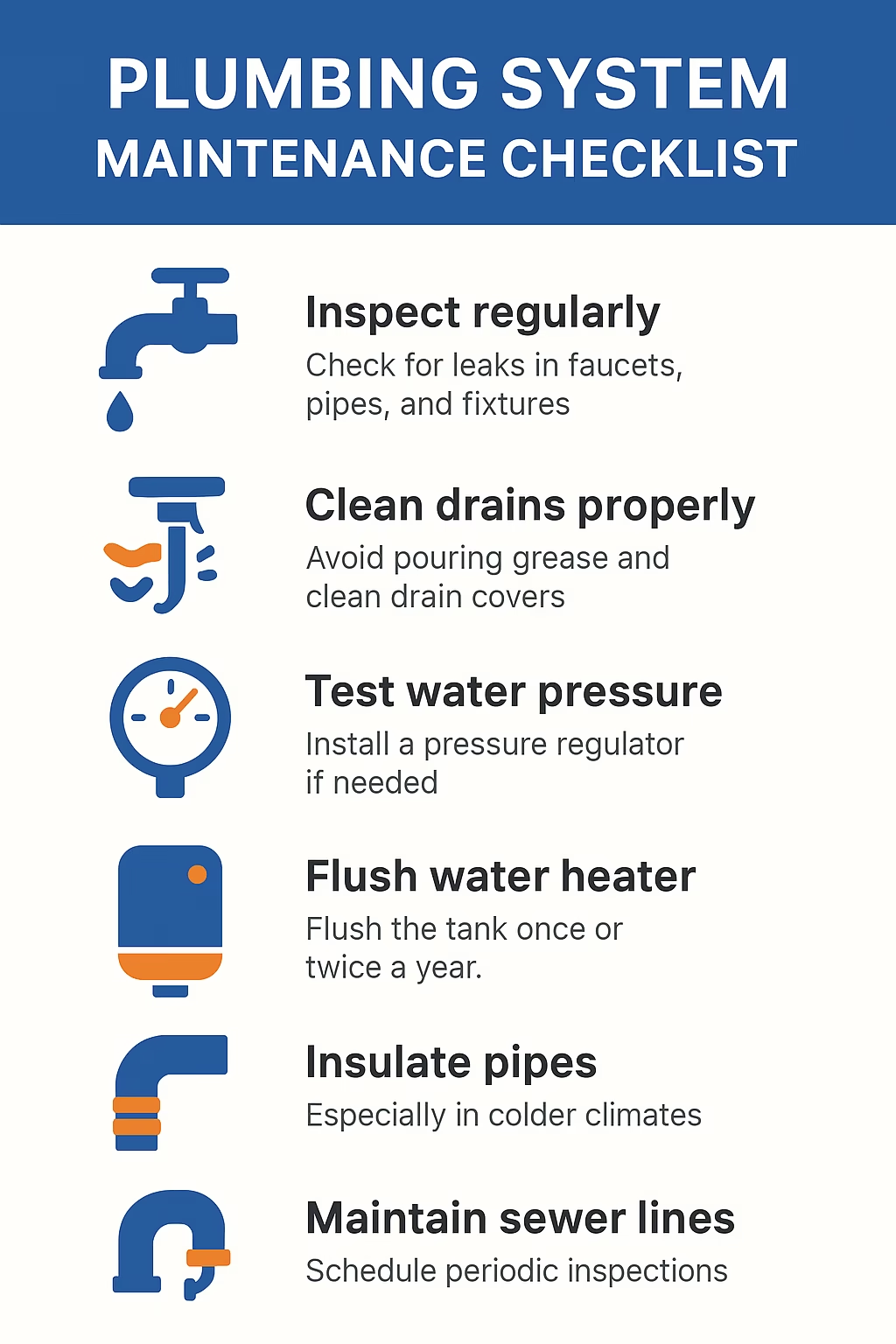
Proper maintenance can prevent costly repairs and extend the life of plumbing systems.


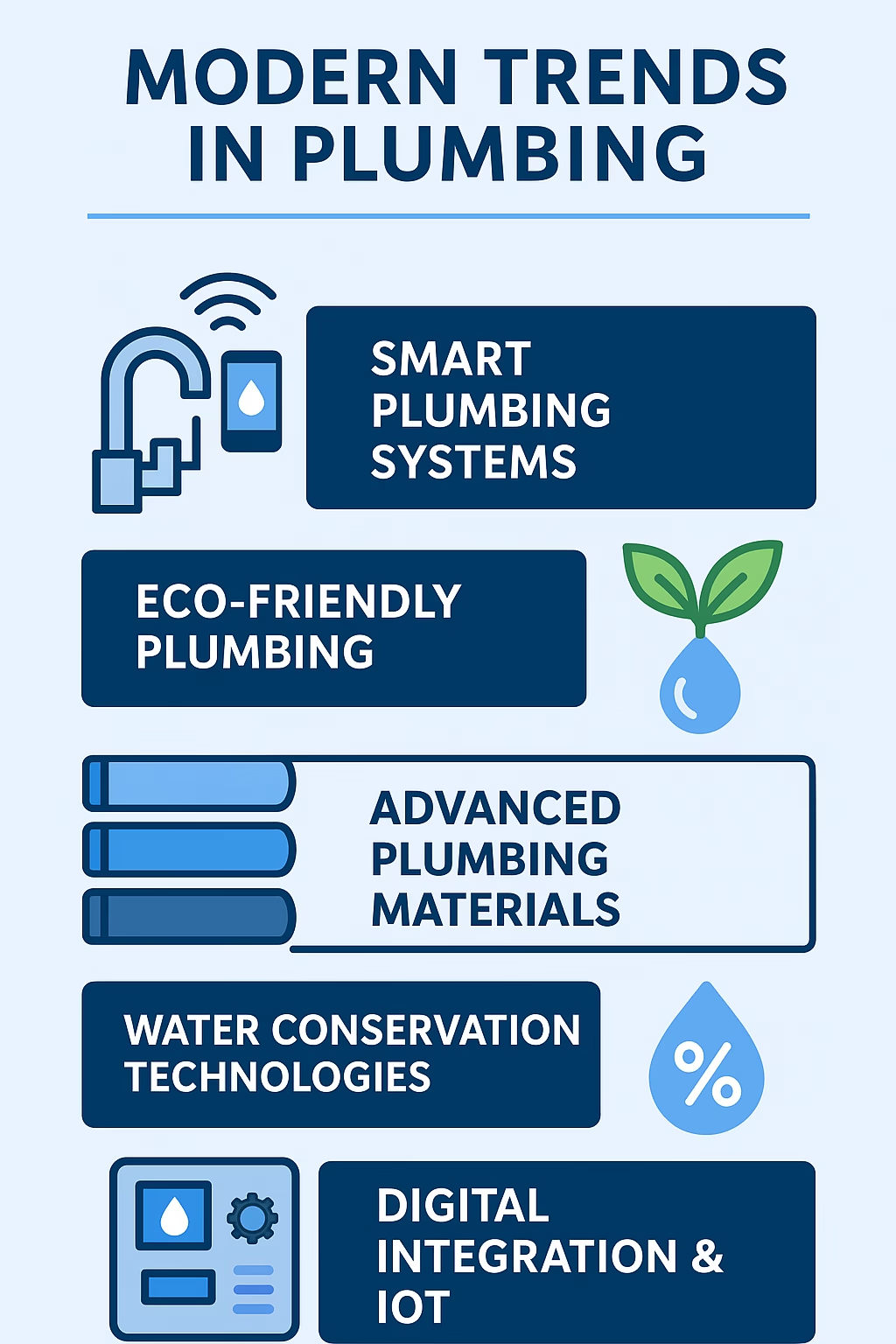
Modern Trends in Plumbing
Plumbing technology continues to evolve with new innovations:
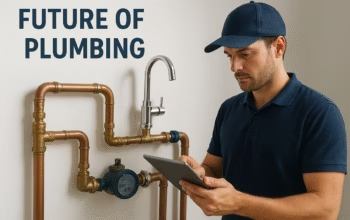
- Smart Plumbing
Sensors and smart devices detect leaks, monitor water usage, and improve efficiency. - Eco-Friendly Fixtures
Low-flow toilets, water-saving faucets, and greywater recycling systems reduce waste. - Sustainable Materials
Use of PEX and recycled plastics instead of traditional materials. - Tankless Water Heaters
Provide hot water on demand while saving energy.
Plumbing Safety and Regulations
Plumbing is strictly regulated to ensure safety and hygiene. Codes and standards vary by country but generally cover:
- Pipe materials and installation methods
- Water quality standards
- Backflow prevention
- Sewage disposal regulations
Professional plumbers must adhere to these codes to protect public health.
Why Professional Plumbing Services Matter
While DIY plumbing may seem cost-effective, professional plumbers provide:
- Expertise in diagnosing and solving complex problems.
- Compliance with building codes and safety standards.
- Long-term reliability by using quality materials and techniques.
- Emergency services for leaks, bursts, and backups.
Conclusion of What is Plumbing?
Plumbing is much more than just pipes—it is the lifeline of modern living. From delivering clean water to removing waste safely, plumbing ensures health, hygiene, and comfort in every building.
By understanding what plumbing is, how its systems work, and why it is essential, we gain greater appreciation for this often-overlooked field of engineering. As technology advances, plumbing will continue to play a vital role in creating sustainable, safe, and efficient living environments.