Introduction: Smart Devices and IoT
The modern world is experiencing a technological revolution driven by the rapid rise of Smart Devices and IoT. From smartphones and smartwatches to connected appliances, autonomous vehicles, and industrial sensors, IoT has become a core driver of innovation. By connecting everyday objects to the internet, IoT creates a seamless network that collects, shares, and analyzes data in real time.
This article explores the rise of smart devices and IoT, their impact on various industries, benefits for consumers, potential challenges, and what the future holds for connected technologies.
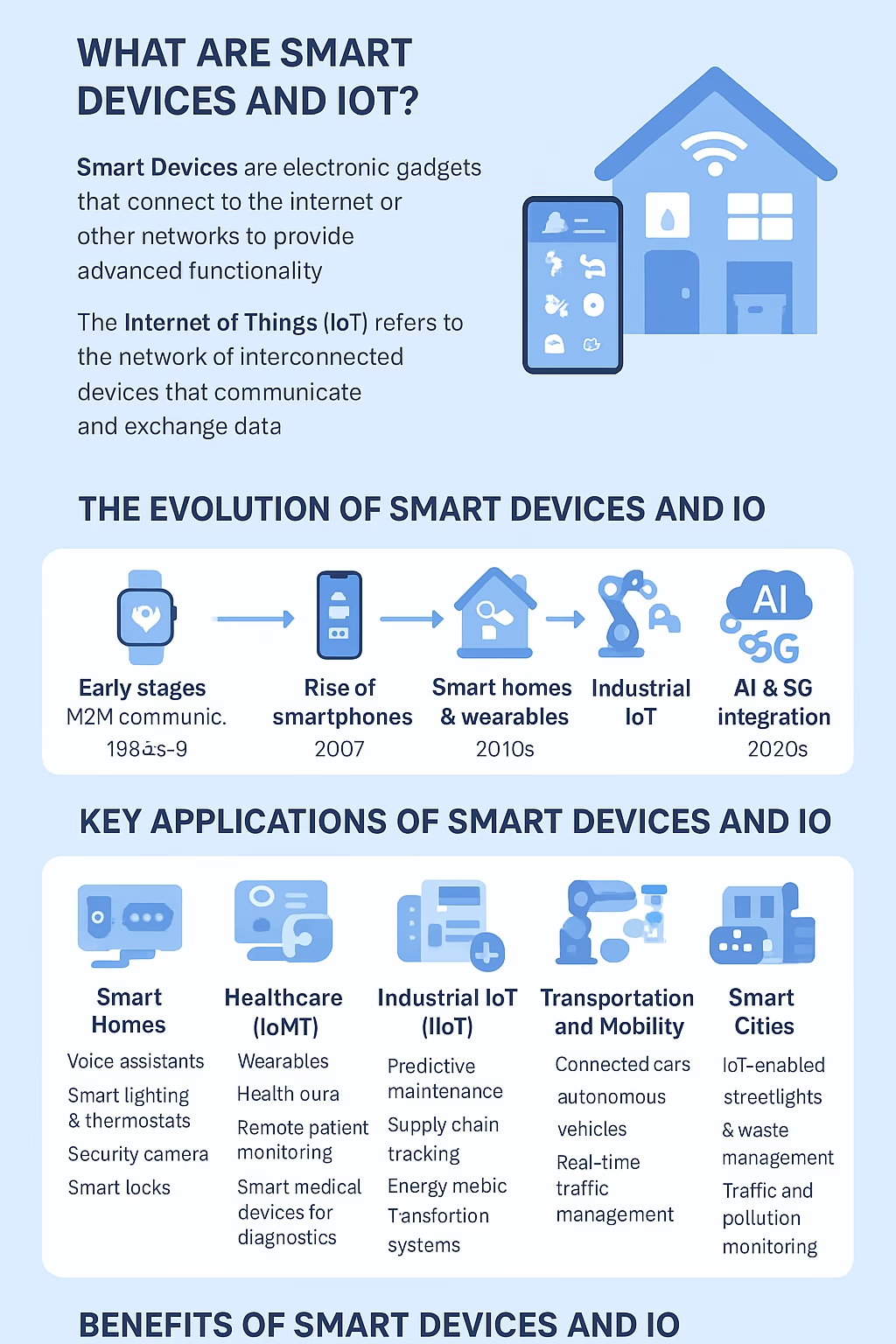
What Are Smart Devices and IoT?
- Smart Devices are electronic gadgets that connect to the internet or other networks to provide advanced functionality. Examples include smartphones, smart TVs, fitness trackers, and home automation systems.
- The Internet of Things (IoT) refers to the network of interconnected devices that communicate and exchange data. This includes everything from consumer electronics to industrial machinery, vehicles, and even smart cities infrastructure.
IoT is not just about connectivity—it’s about enabling devices to make intelligent decisions based on the data they collect.
The Evolution of Smart Devices and IoT
- Early Stages: The concept of connected devices began with basic machine-to-machine (M2M) communication in the 1980s and 1990s.
- Rise of Smartphones (2007): The launch of the iPhone marked a turning point, making mobile devices smarter and more connected.
- Smart Homes & Wearables (2010s): Products like Amazon Alexa, Google Nest, and Fitbit expanded IoT into everyday life.
- Industrial IoT (IIoT): Manufacturing, logistics, and energy sectors adopted IoT for automation, predictive maintenance, and efficiency improvements.
- AI & 5G Integration (2020s): Artificial Intelligence and 5G networks enhance IoT capabilities with real-time analytics, faster data transfer, and smarter automation.
Key Applications of Smart Devices and IoT
1. Smart Homes
- Voice assistants (Amazon Alexa, Google Assistant)
- Smart lighting and thermostats
- Security cameras and smart locks
- Energy-efficient appliances
2. Healthcare (IoMT – Internet of Medical Things)
- Wearable health monitors
- Remote patient monitoring
- Smart medical devices for diagnostics
- AI-powered healthcare apps
3. Industrial IoT (IIoT)
- Predictive maintenance for machinery
- Supply chain tracking
- Energy management
- Smart factories and robotics
4. Transportation and Mobility
- Connected cars and autonomous vehicles
- Real-time traffic management
- Smart public transportation systems
5. Smart Cities
- IoT-enabled streetlights and waste management
- Traffic and pollution monitoring
- Smart grids for energy efficiency
Benefits of Smart Devices and IoT
- Convenience and Efficiency
IoT automates daily tasks, from adjusting thermostats to reordering groceries. - Cost Savings
Smart energy systems reduce electricity bills, while predictive maintenance cuts repair costs. - Health and Safety
IoT devices monitor patient health, detect anomalies, and improve workplace safety. - Business Transformation
Industries use IoT for data-driven decision-making, boosting productivity and innovation. - Sustainability
Smart grids and connected devices reduce energy waste and optimize resource use.

Challenges of Smart Devices and IoT
Despite its benefits, IoT faces several challenges:
- Security Risks: Connected devices are vulnerable to cyberattacks.
- Privacy Concerns: Constant data collection raises questions about personal privacy.
- Compatibility Issues: Devices from different brands may not integrate seamlessly.
- High Costs: Initial setup and infrastructure investment can be expensive.
- Data Overload: Managing and analyzing massive amounts of IoT data is complex.
The Future of Smart Devices and IoT
The future of IoT looks promising, with new trends shaping its evolution:
- Artificial Intelligence (AI): Smarter analytics, predictive modeling, and autonomous systems.
- 5G Networks: Faster connectivity enabling real-time IoT applications.
- Edge Computing: Processing data closer to devices, reducing latency.
- Blockchain for IoT Security: Decentralized solutions for protecting IoT ecosystems.
- Green IoT: Energy-efficient technologies for sustainable development.
By 2030, experts predict that over 25 billion IoT devices will be connected worldwide, transforming how we live, work, and interact with technology.
Conclusion
The rise of smart devices and IoT is not just a trend—it’s a technological revolution shaping the digital future. From homes and healthcare to industries and cities, IoT is driving efficiency, innovation, and sustainability. However, addressing security, privacy, and interoperability challenges is crucial for realizing the full potential of this connected world.
As IoT continues to evolve, it promises to make our lives smarter, safer, and more efficient—paving the way for a truly interconnected society.