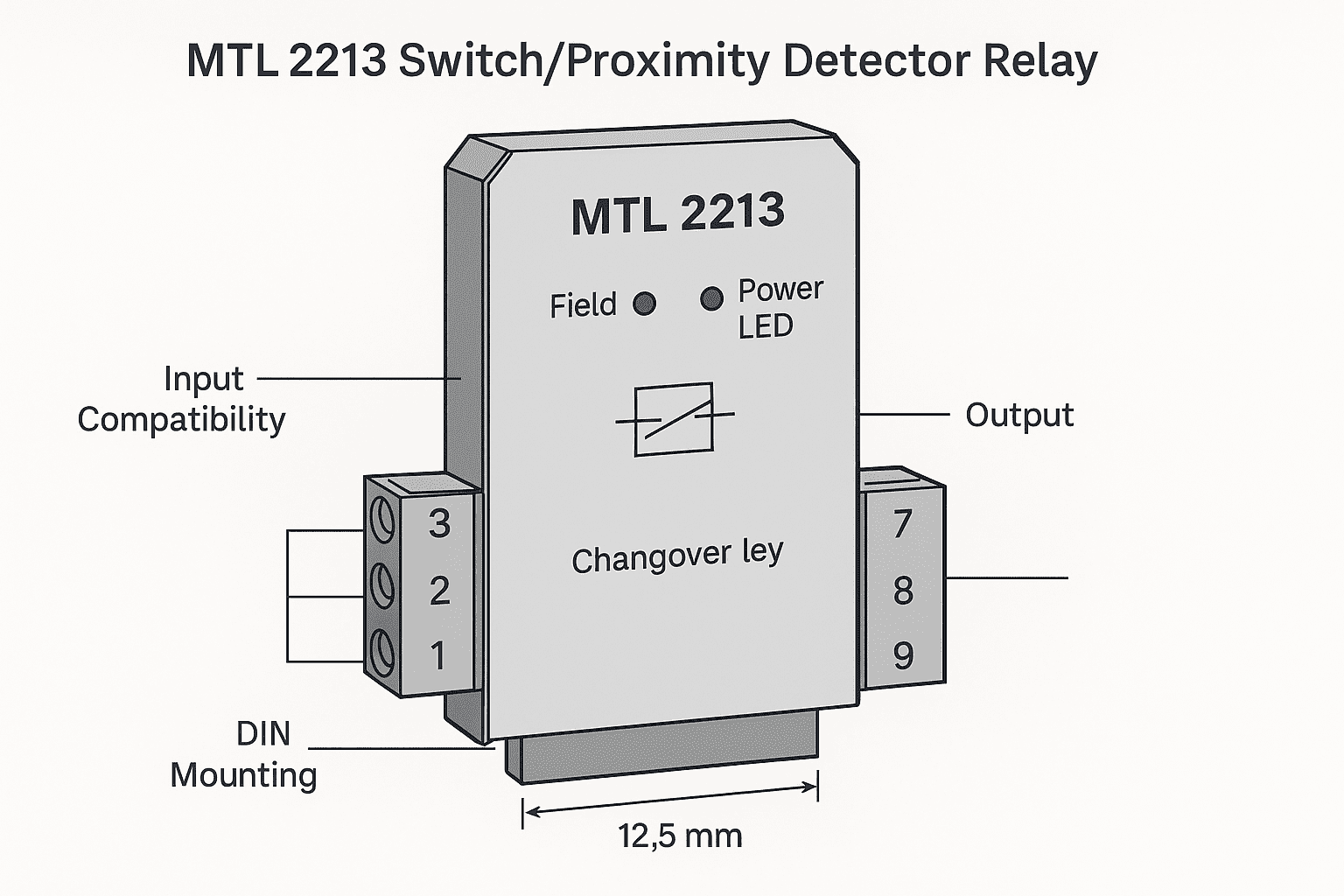
In today’s world of advanced machinery and industrial automation, ensuring the safety of both equipment and personnel is a top priority. One critical technology that contributes significantly to this objective is the Safety Device Engine. Whether in a marine engine room, a power plant, or an automated factory, safety devices serve as vital components that detect faults, prevent damage, and safeguard lives.
This article explores the fundamentals of Safety Device Engines, their operational principles, components, types, and where they are typically used.
What Is a Safety Device Engine?
A Safety Device Engine refers to a collection of engineered components and control logic integrated into engines or systems to automatically detect unsafe conditions and respond accordingly. These devices are designed to either alert operators, reduce operational risk, or completely shut down the engine/system to prevent catastrophic failures or injuries.
Why Safety Device Engines Are Crucial
Safety device engines are critical for several reasons:
- Personnel Protection – Prevents injury or loss of life due to system failure.
- Equipment Protection – Minimizes mechanical damage during fault conditions.
- Environmental Protection – Prevents leaks or emissions during malfunctions.
- Compliance with Regulations – Meets international safety standards such as ISO, OSHA, and IEC.
- Reduced Downtime – Identifies issues early to reduce system failure and improve uptime.
Core Functions of Engine Safety Devices
Safety devices integrated into engine systems perform various functions:
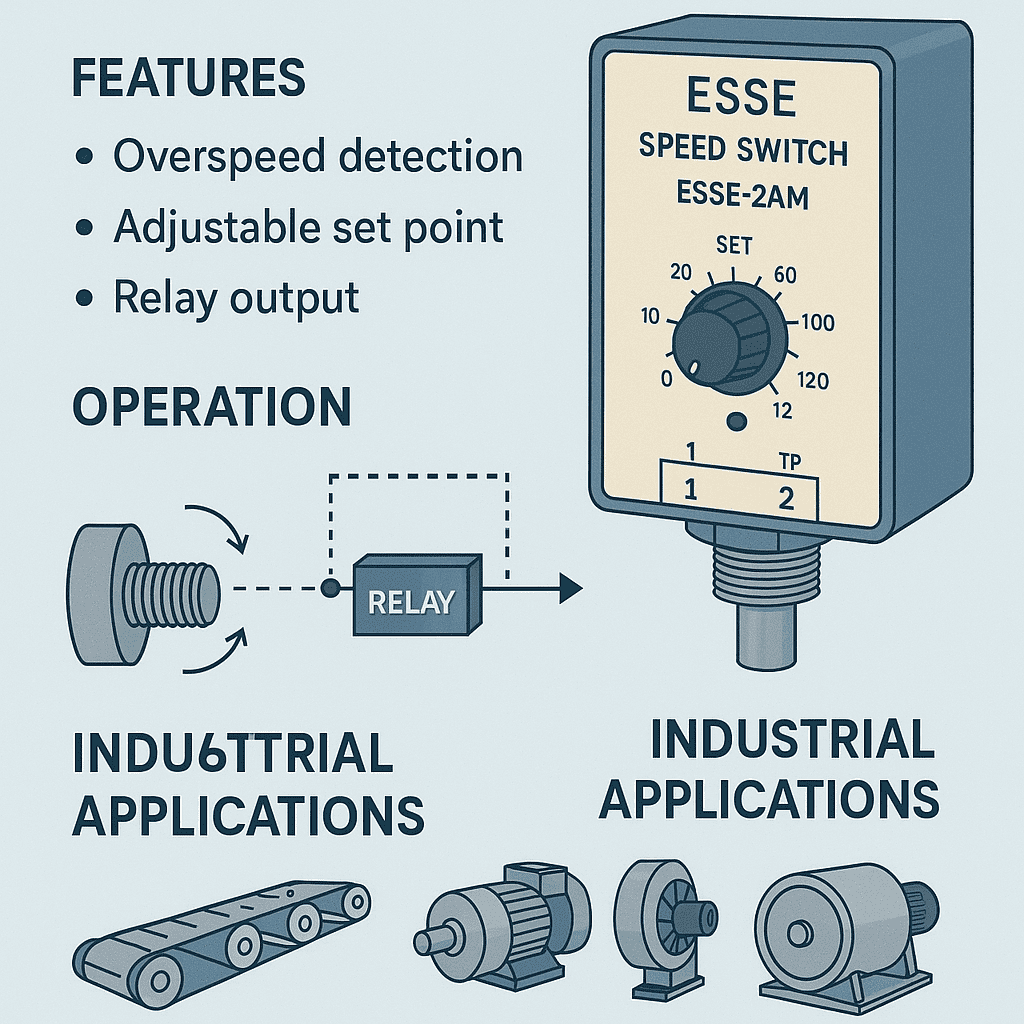
- Over-Speed Protection
- High Temperature Cut-Off
- Low Oil Pressure Shutdown
- Excessive Vibration Detection
- Emergency Stop Systems
- Flame and Smoke Detection (in combustion systems)
Key Components of a Safety Device Engine System
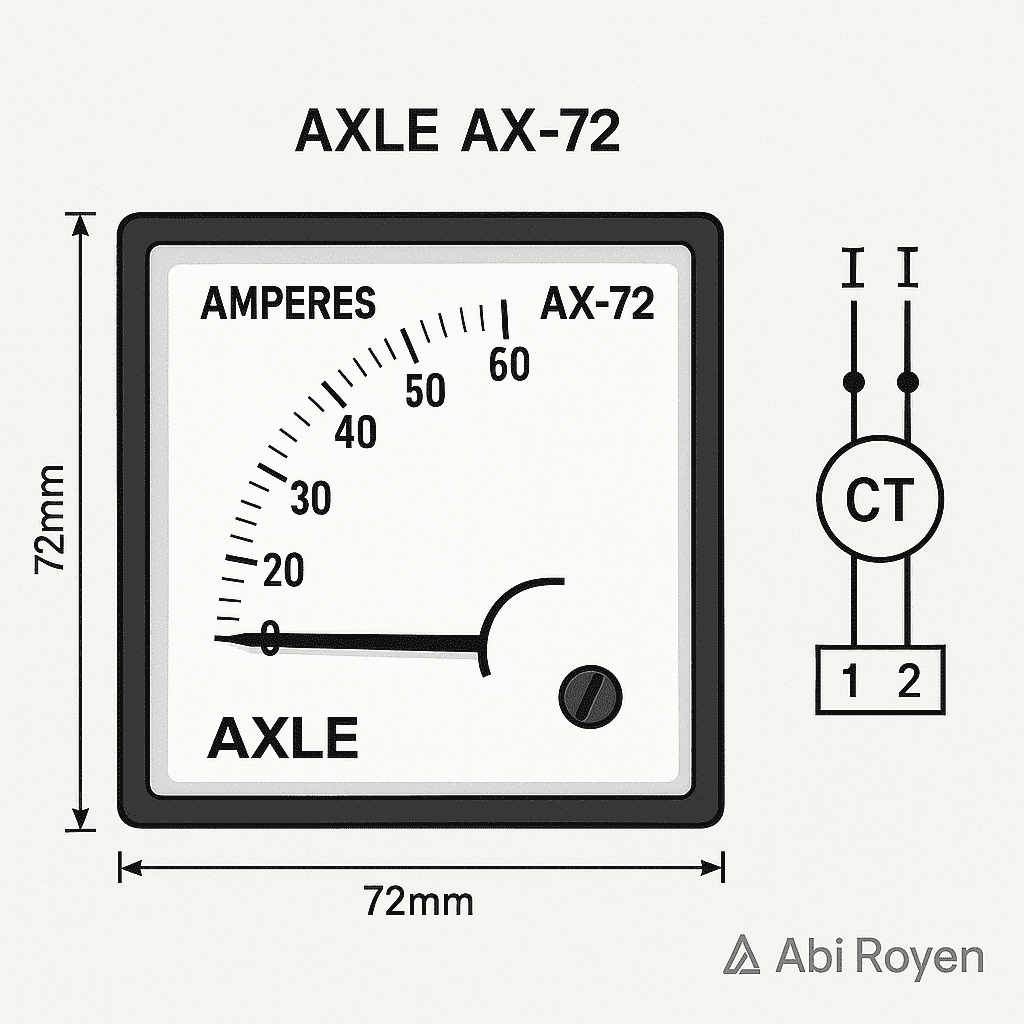
- Sensors
These detect abnormal parameters such as pressure, temperature, RPM, vibration, or fluid levels. - Controllers or PLCs (Programmable Logic Controllers)
These process signals from sensors and execute appropriate actions based on predefined logic. - Actuators
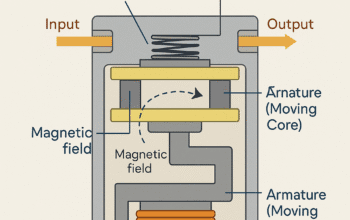
These include valves, relays, or shutdown systems that physically respond to controller commands. - Alarm Systems
Includes lights, sirens, or message displays that warn of dangerous conditions. - Shutdown Devices
Automatically stop the engine or process when a critical limit is exceeded. - Manual Override or E-Stop
Allows operators to shut down the system manually in emergencies.
Types of Safety Device Engine
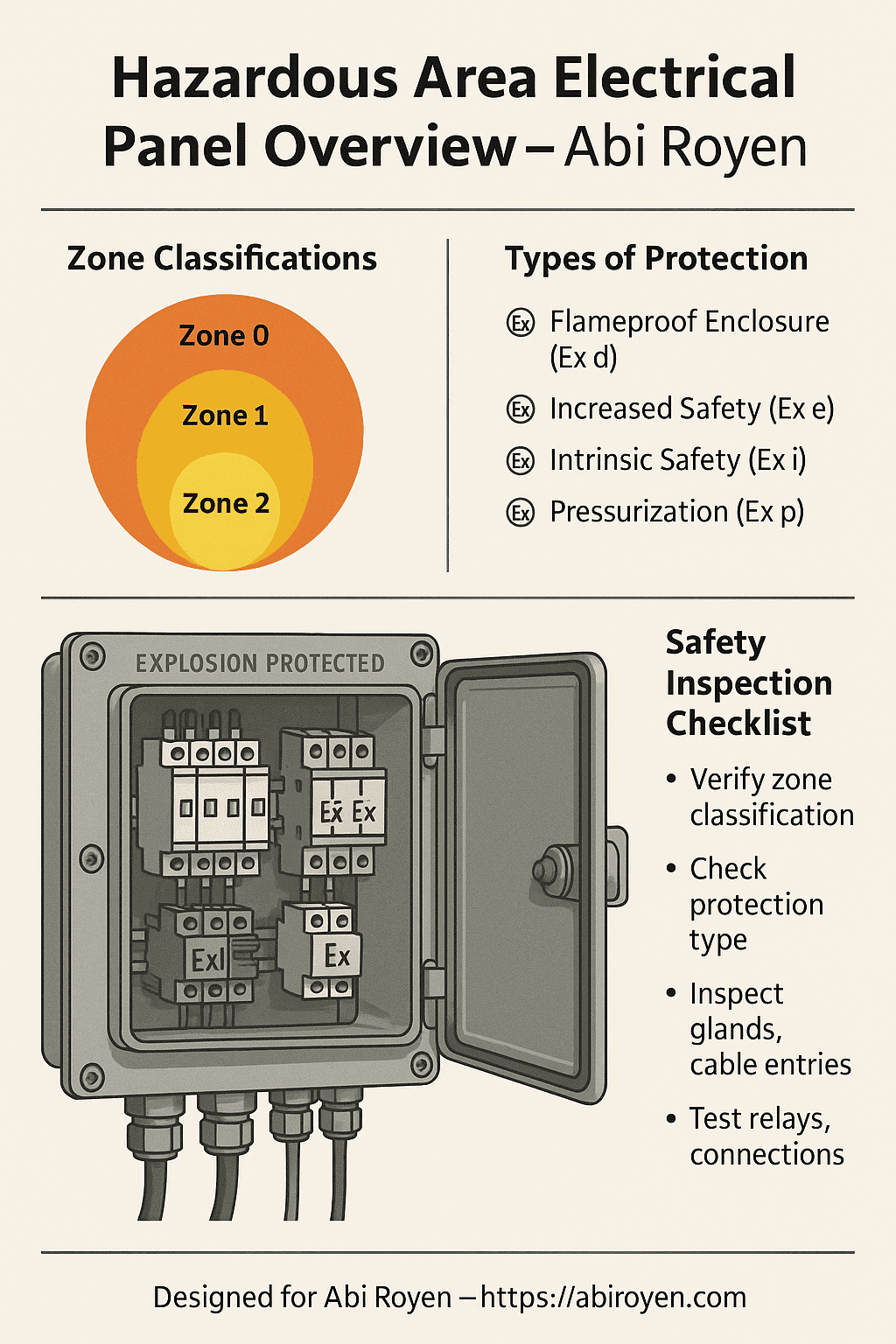
Depending on the complexity of the system, safety devices can be mechanical, electrical, or digital. Common types include:
1. Mechanical Safety Devices
- Pressure relief valves
- Centrifugal governors
2. Electrical Safety Devices
- Circuit breakers
- Emergency stop switches
3. Electronic/Digital Safety Devices
- PLC-based safety systems
- Engine control units (ECUs) with diagnostic features
- Smart sensors with self-check features
Applications of Safety Device Engine Systems
Safety Device Engines are used across a wide range of industries, including:
🚢 Marine Industry
- Prevents diesel engine overheat or overspeed in ships
- Engine room fire detection and suppression systems
🏭 Manufacturing Plants
- Automated machinery with motion safety
- Boiler and generator protection systems
⚡ Power Generation
- Gas turbine and diesel generator shutdown systems
- High voltage equipment isolation
🛢️ Oil & Gas
- Wellhead pressure control
- Blowout preventers (BOPs) in drilling rigs
🚜 Heavy Equipment & Construction
- Excavators and bulldozers with automatic engine kill switch
- Operator presence control systems
How Safety Device Engine Work (Simplified Workflow)
- Detection
A sensor detects an abnormal condition (e.g., high engine temperature). - Signal Transmission
The sensor sends data to the controller/PLC. - Logic Evaluation
The controller compares the data with preset safety limits. - Action Execution
If a danger is detected, the system:- Triggers alarms
- Initiates shutdown
- Activates safety relays
- Logging & Diagnosis
Advanced systems log the event for troubleshooting and maintenance.
Benefits of Using Safety Device Engine
- Increases lifespan of equipment
- Reduces operating costs by preventing failures
- Ensures workplace safety compliance
- Improves operator confidence
- Enables predictive maintenance
Modern Trends in Safety Device Engine Systems
In recent years, safety device engines have become smarter and more connected:
- IoT Integration – Real-time monitoring via cloud and mobile apps.
- Self-Diagnostic Features – Continuous self-check and fault alerting.
- AI-Powered Predictive Maintenance – Uses machine learning to anticipate failures.
- Wireless Safety Solutions – Enables safer and cleaner installations.
Installation & Maintenance Tips
To maximize the reliability of safety device engines:
- Regularly calibrate and test sensors.
- Check software/firmware updates for controllers.
- Use certified components compliant with safety standards.
- Train operators on manual emergency actions.
- Inspect wiring, relays, and mechanical safety valves routinely.
Conclusion for Safety Device Engine
In every environment where engines or industrial systems operate, safety is not optional—it’s a necessity. Safety Device Engines represent a powerful blend of mechanical reliability, electronic precision, and smart automation to protect people, machines, and the environment.
By investing in and maintaining proper safety device systems, industries can not only avoid disasters but also improve their operational efficiency and regulatory compliance. As technology continues to advance, the role of safety in engine systems will become even more intelligent and proactive.
✅ For More Information
Looking for advanced safety device solutions for your industrial or marine applications? Visit Abi Royen — your trusted source for industrial automation, safety devices, and engineering excellence.