

Introduction to Plumbing Installation
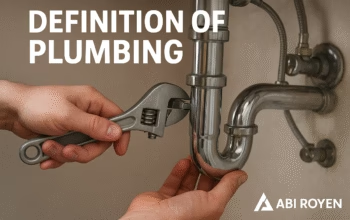
Plumbing Installation ~ Plumbing is one of the most crucial aspects of any building, whether it is a small residential house, a large commercial property, or an industrial facility. A properly designed and installed plumbing system ensures the safe and efficient distribution of water and the removal of wastewater. Without a reliable plumbing system, daily activities such as cooking, cleaning, bathing, and sanitation would be impossible to manage effectively.
This article provides a comprehensive guide to plumbing installation, including its importance, essential components, materials, methods, and tips to achieve a reliable system for both homes and businesses.
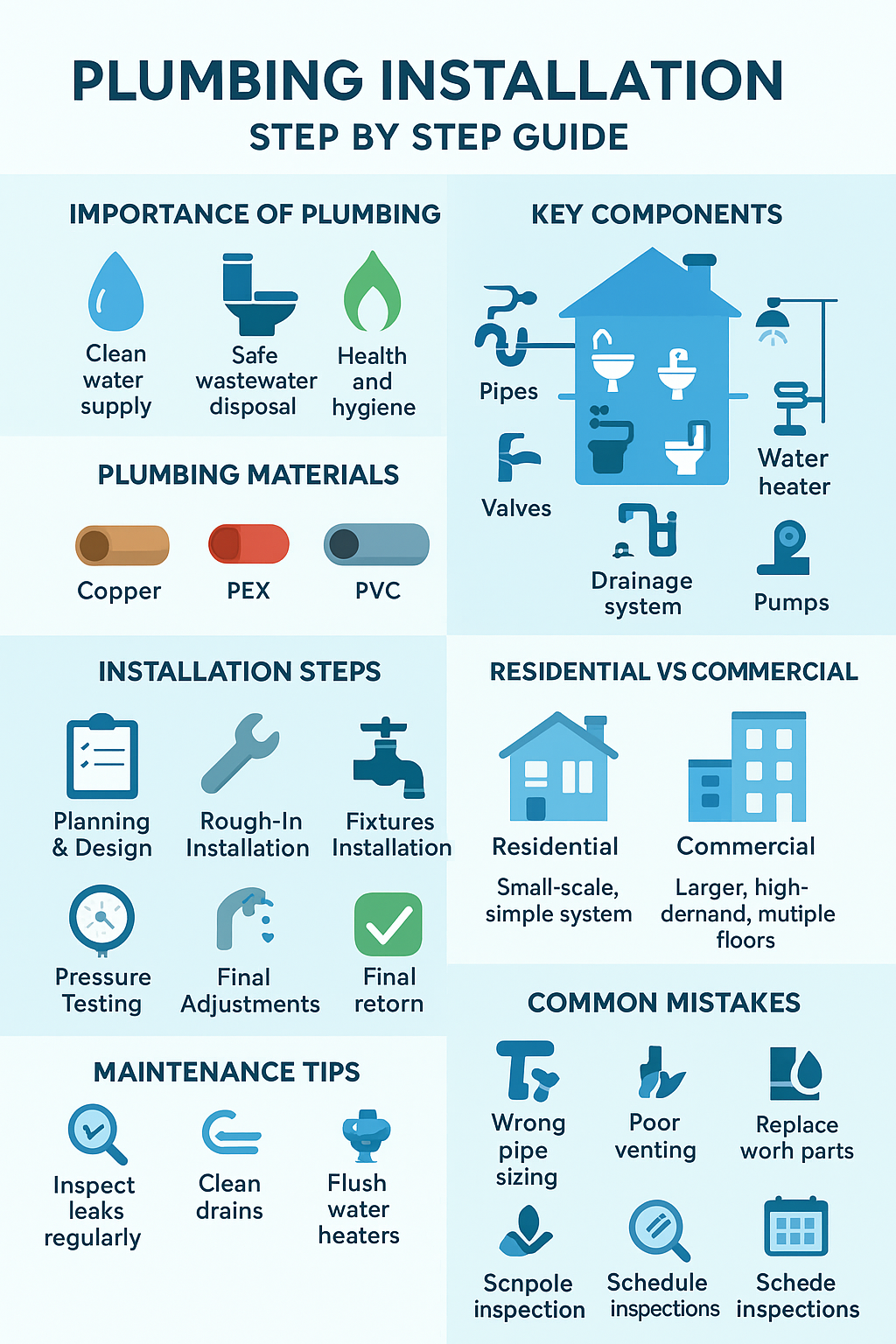
Why Plumbing Installation is Important
Plumbing is more than just pipes hidden behind walls. A well-designed installation provides:
- Clean Water Supply – Ensures fresh water reaches every fixture, from sinks to showers.
- Wastewater Disposal – Safely removes sewage and greywater to maintain hygiene.
- Health and Safety – Prevents water contamination and reduces risks of leaks or flooding.
- Energy Efficiency – Supports heating systems and water conservation.
- Property Value – A reliable plumbing system increases the overall value of a building.
Key Components of a Plumbing System
To understand plumbing installation, it’s essential to know the basic components:
- Pipes and Tubes – Transport water and waste. Common materials include copper, PVC, PEX, and galvanized steel.
- Fixtures – Devices like sinks, toilets, showers, and faucets where water is used.
- Valves – Control the flow and pressure of water.
- Water Heater – Provides hot water for various applications.
- Drainage System – Carries wastewater away through traps and vents.
- Pumps – Improve water pressure or assist in moving wastewater in complex systems.
Types of Plumbing Materials
The choice of materials plays a vital role in the durability and efficiency of plumbing systems.
- Copper Pipes – Durable and resistant to corrosion, ideal for both hot and cold water.
- PEX (Cross-linked Polyethylene) – Flexible, easy to install, and cost-effective.
- PVC (Polyvinyl Chloride) – Commonly used for drain and vent systems.
- Galvanized Steel – Strong but prone to rust, mostly used in older systems.
- Cast Iron – Heavy-duty, often used for sewer lines due to noise reduction.
Step-by-Step Plumbing Installation Process
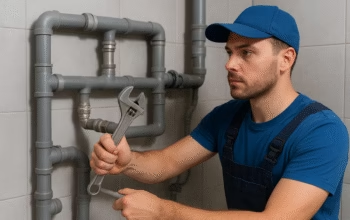
Whether for a new home or commercial building, the plumbing installation process generally follows these steps:
1. Planning and Design
- Analyze water supply requirements.
- Identify fixture locations.
- Plan drainage routes and venting systems.
- Ensure compliance with building codes and regulations.
2. Rough-In Installation
- Install pipes for water supply and drainage before walls and floors are finished.
- Position valves and main connections.
- Leave proper allowances for fixtures.
3. Installing Fixtures
- Connect sinks, toilets, bathtubs, and showers.
- Install faucets and water heaters.
- Ensure correct alignment and sealing.
4. Pressure Testing
- Check for leaks and ensure proper water pressure.
- Test hot water systems.
5. Final Adjustments
- Calibrate valves and pumps.
- Seal joints and inspect traps.
- Conduct a final inspection for safety and efficiency.
Residential vs. Commercial Plumbing
Plumbing installation differs between homes and commercial buildings:
- Residential Plumbing – Typically simpler, focusing on kitchens, bathrooms, and laundry areas. Uses smaller pipe diameters and requires less pressure.
- Commercial Plumbing – More complex, with larger pipe systems, higher water demand, and strict code compliance. Includes systems for multiple floors, fire sprinklers, and industrial-grade fixtures.
Common Plumbing Installation Mistakes to Avoid
- Incorrect Pipe Sizing – Can cause low water pressure or blockages.
- Poor Venting – Leads to slow drainage and foul odors.
- Using Wrong Materials – May cause leaks or corrosion.
- Ignoring Building Codes – Results in fines and costly rework.
- Skipping Pressure Testing – Leads to hidden leaks and water damage.

Maintenance Tips for a Long-Lasting Plumbing System
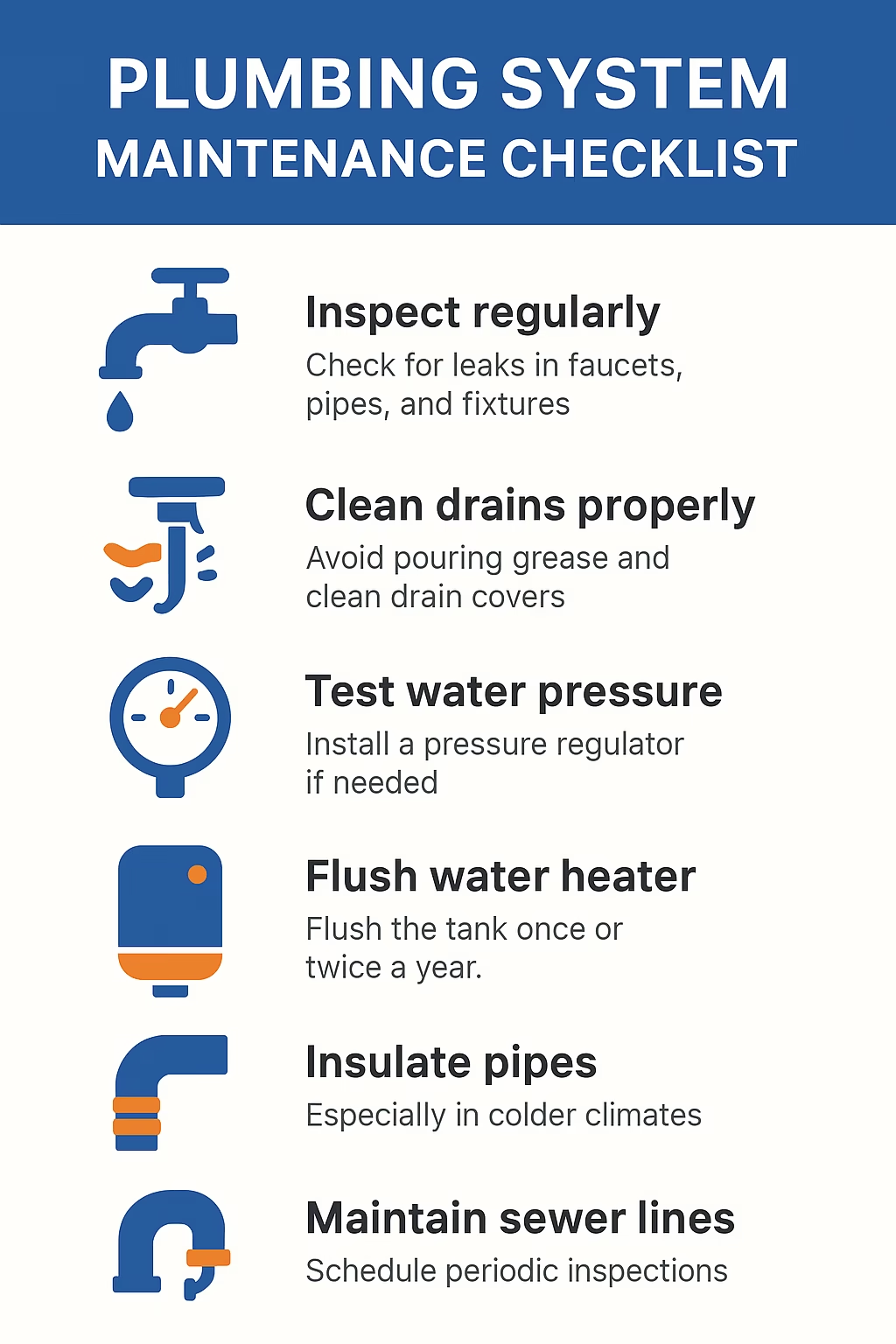
- Inspect pipes regularly for leaks or corrosion.
- Clean drains to prevent clogging.
- Flush water heaters to remove sediment buildup.
- Replace worn-out valves and fixtures.
- Schedule professional inspections annually.
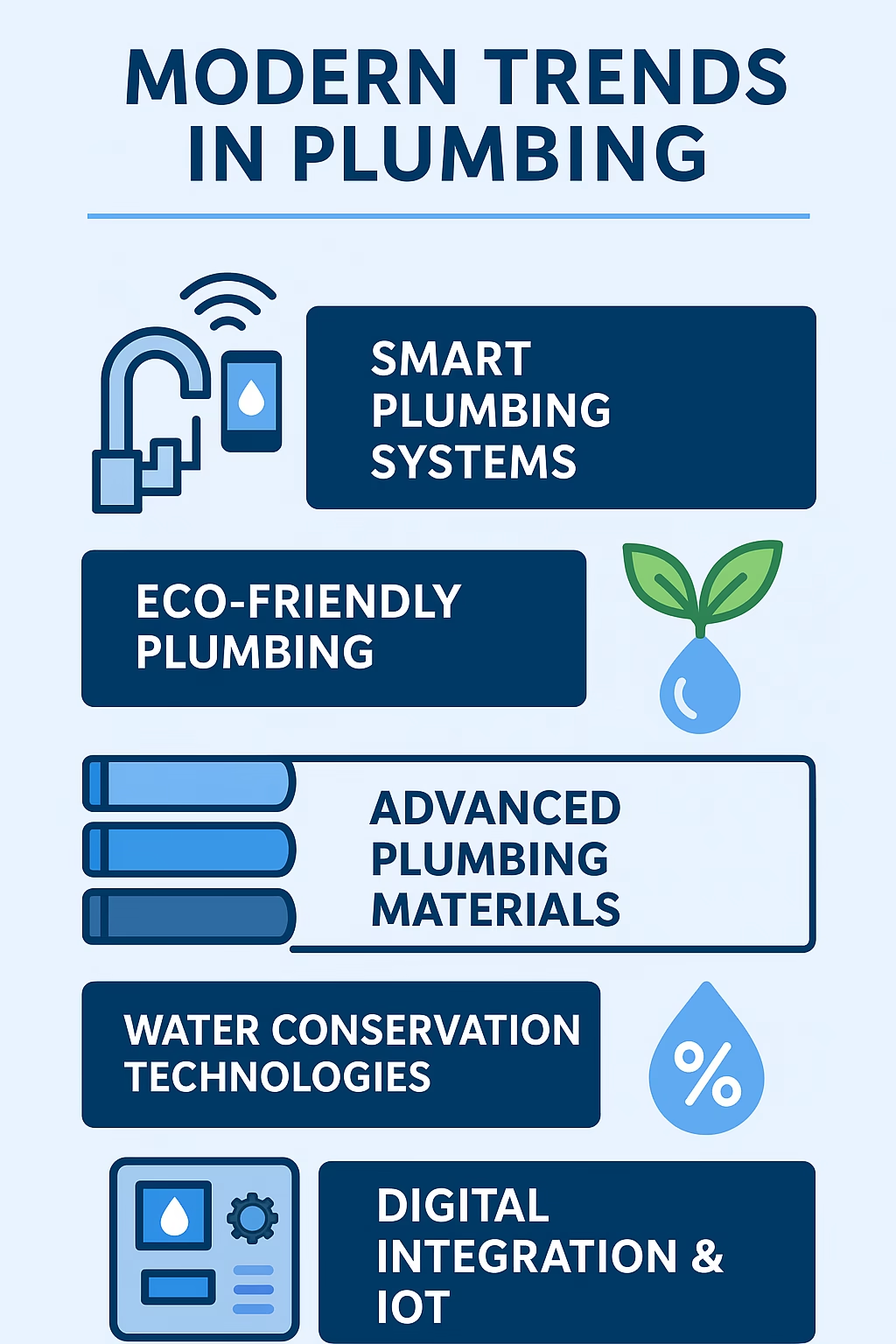
Future Trends in Plumbing Installation
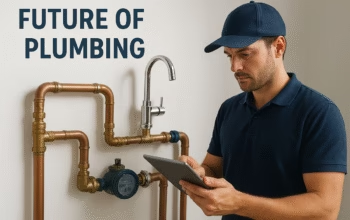
The plumbing industry is evolving with technology and sustainability:
- Smart Plumbing Systems – Use sensors to detect leaks and monitor water usage.
- Eco-Friendly Materials – Non-toxic and recyclable pipes.
- Water-Saving Fixtures – Low-flow toilets and faucets reduce water consumption.
- Solar Water Heaters – Provide sustainable hot water solutions.
Conclusion
Plumbing installation is a vital part of modern construction, ensuring that buildings are functional, safe, and sustainable. Whether for a home or a commercial facility, understanding the basics of plumbing installation helps in making informed decisions about materials, designs, and maintenance. By following proper procedures and avoiding common mistakes, property owners can enjoy efficient water supply and drainage systems for years to come.