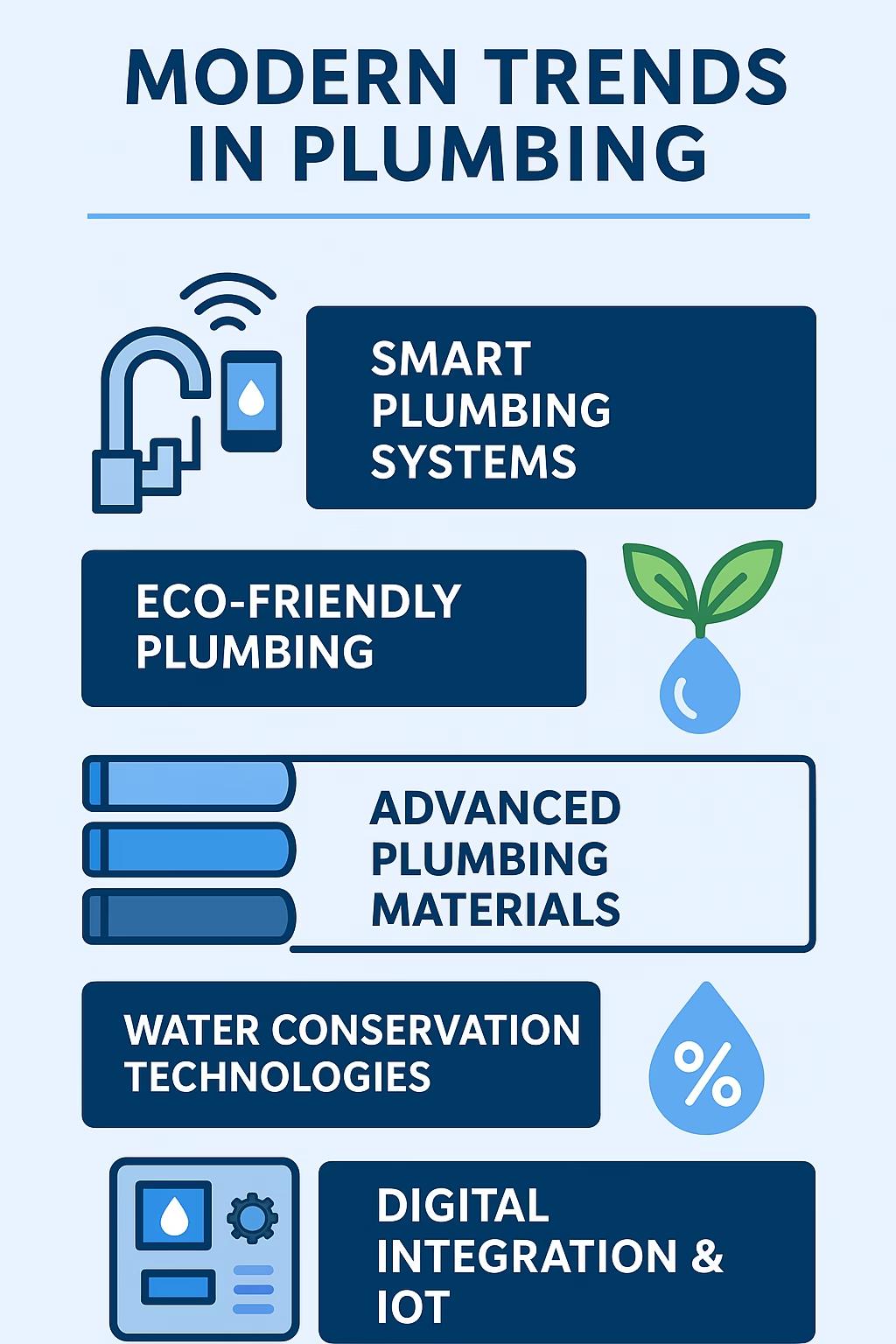
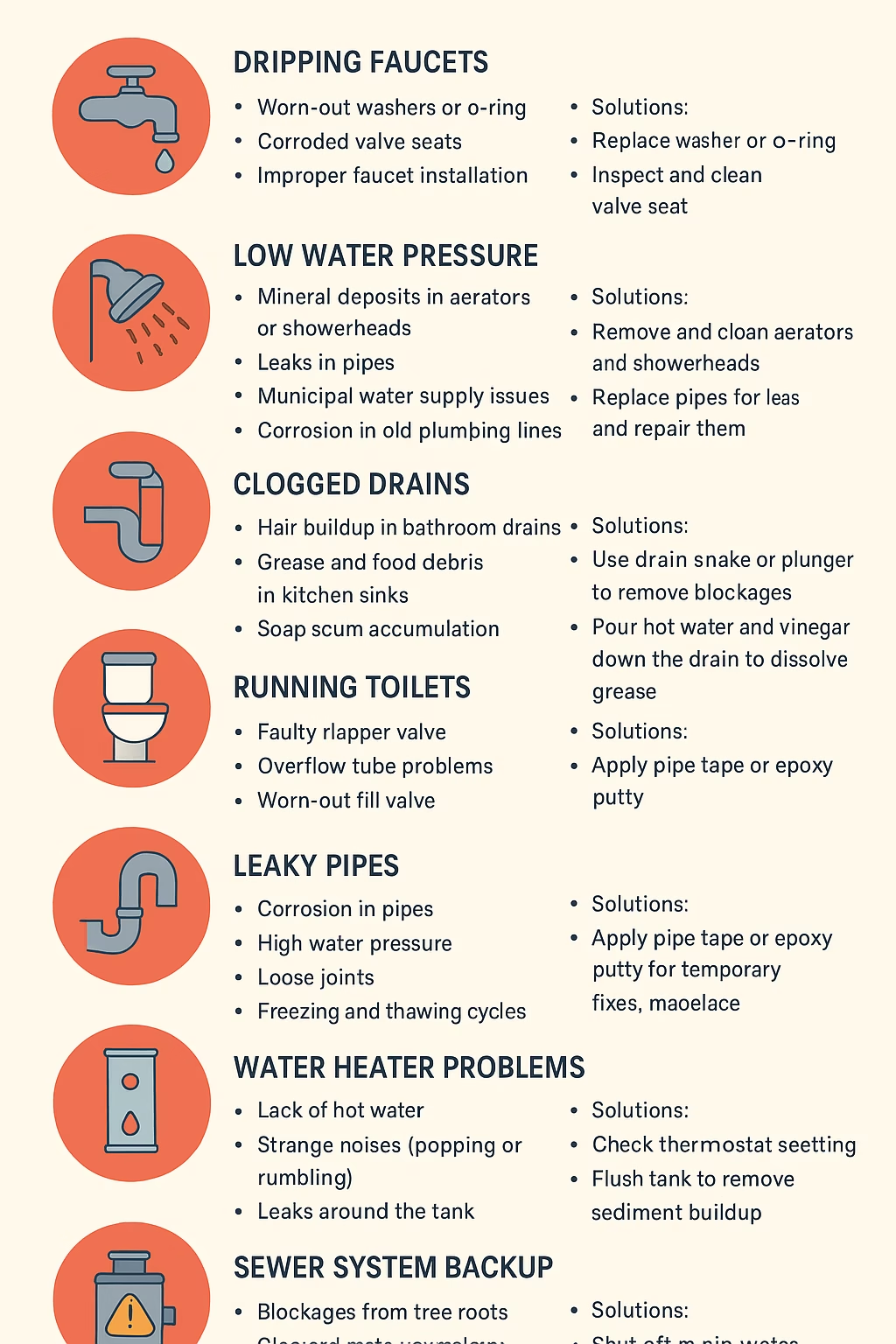
Plumbing is one of the most essential infrastructures in modern society, ensuring access to clean water and efficient wastewater management. However, with growing urban populations, climate change challenges, and the need for sustainable living, the plumbing industry is undergoing a major transformation. The future of plumbing will not only focus on delivering water but also on integrating smart technologies, eco-friendly materials, and sustainable water management practices.
This article explores how plumbing is evolving and what we can expect in the coming decades.

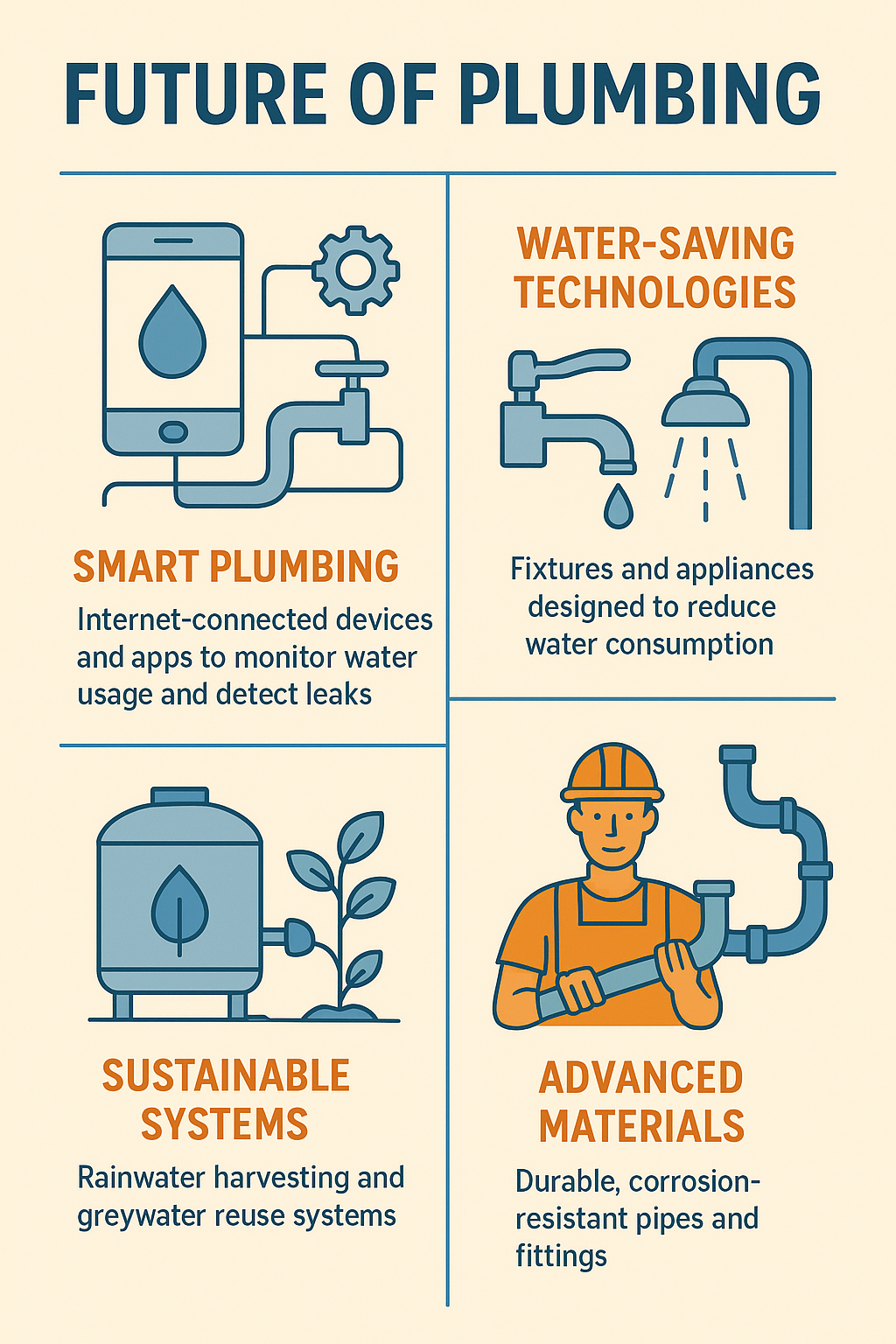
1. Future of Plumbing: The Shift Toward Smart Plumbing Systems
Smart technology is changing how we interact with everyday utilities, and plumbing is no exception. Future plumbing systems will integrate sensors, automation, and AI-driven monitoring to improve efficiency and reduce waste.
Key Smart Plumbing Innovations
- Leak Detection Sensors: Advanced sensors can identify small leaks before they turn into costly water damage. These systems alert homeowners via smartphone apps.
- Smart Water Heaters: New-generation heaters can adjust water temperature based on usage patterns, reducing energy consumption.
- Automated Shut-Off Valves: In case of a burst pipe or major leak, smart valves can automatically cut off water supply.
- Water Usage Analytics: Users will be able to track water consumption in real-time, helping households and businesses save water.
These innovations not only enhance convenience but also support water conservation efforts, which will be crucial in the future.
2. Future of Plumbing: Sustainable Materials in Plumbing
Traditionally, plumbing systems relied on materials like copper, PVC, and steel. While effective, some of these materials are not environmentally friendly. The future will see a shift toward sustainable alternatives that are both durable and eco-conscious.
Eco-Friendly Plumbing Materials
- PEX (Cross-Linked Polyethylene): Flexible, durable, and more sustainable than traditional metal pipes.
- Recycled Materials: Manufacturers are exploring pipes made from recycled plastics and metals.
- Lead-Free Fixtures: To ensure healthier water quality, regulations will continue to push for lead-free plumbing systems.
Sustainable plumbing materials will play a vital role in reducing environmental impact while maintaining efficiency.
3. Future of Plumbing: Water Conservation and Recycling
With increasing global water scarcity, water conservation is becoming a priority in plumbing innovations. Future plumbing systems will focus on recycling, reusing, and minimizing water wastage.
Water Conservation Trends
- Greywater Recycling: Future homes may use greywater systems to reuse water from sinks, showers, and laundry for irrigation or flushing toilets.
- Rainwater Harvesting: Advanced rainwater collection systems integrated with plumbing will reduce reliance on municipal water supplies.
- Low-Flow Fixtures: Faucets, showers, and toilets with low-flow designs will become standard, reducing water consumption without compromising performance.
These systems align with sustainable living goals while ensuring households remain resilient during water shortages.
4. Integration of Renewable Energy in Plumbing Systems
Energy efficiency is another critical factor shaping the future of plumbing. Systems that combine plumbing with renewable energy sources will be more common.
- Solar-Powered Water Heaters: Solar panels can heat water, reducing dependence on electricity or gas.
- Geothermal Heating Systems: Some advanced plumbing systems will integrate geothermal technology for efficient heating and cooling.
- Energy Recovery Systems: Plumbing systems may capture energy from hot wastewater and reuse it for heating purposes.
This integration not only cuts costs but also supports carbon reduction goals.
5. Future of Plumbing: The Role of IoT and Artificial Intelligence
The Internet of Things (IoT) and Artificial Intelligence (AI) will play a transformative role in plumbing. With smart devices connected through IoT, plumbing systems will become more predictive and adaptive.
AI and IoT Applications in Plumbing
- Predictive Maintenance: AI algorithms can analyze sensor data to predict when a plumbing system might fail, preventing costly repairs.
- Automated Irrigation Systems: Plumbing connected with AI-driven irrigation ensures optimal water usage for landscaping.
- Smart Home Integration: Plumbing will seamlessly connect with other smart home systems like HVAC and energy management.
These integrations will redefine convenience and efficiency for homeowners and businesses alike.
6. Urban Plumbing Challenges and Smart Cities
As cities grow denser, plumbing systems will need to handle higher demand and more complex infrastructure. Smart city initiatives will play a role in shaping the future of plumbing at a larger scale.
- Smart Water Grids: Cities may adopt intelligent water distribution systems that monitor supply, detect leaks, and optimize pressure.
- Wastewater Treatment Innovations: Urban plumbing systems will integrate advanced filtration and recycling for sustainability.
- Infrastructure Resilience: Plumbing networks will need to withstand extreme weather events caused by climate change.
The future of urban plumbing will be about scalability, resilience, and sustainability.
7. The Human Factor: Training and Workforce Evolution
With new technologies entering the plumbing industry, the role of plumbers will evolve. Professionals will need training in digital tools, smart system installations, and sustainable plumbing practices.
- Tech-Savvy Plumbers: Future plumbers will be skilled in IoT systems, automation, and AI-driven diagnostics.
- Sustainability Experts: Plumbers will advise clients on eco-friendly installations and water-saving practices.
- Collaboration with Engineers and Architects: Plumbing will become more integrated into sustainable building designs.
This shift will elevate the plumbing profession, making it both technical and environmentally impactful.
8. Future Trends to Watch
- 3D-Printed Plumbing Components: On-demand production of plumbing parts may reduce supply chain challenges.
- Self-Healing Pipes: Experimental materials may allow pipes to repair minor cracks automatically.
- Decentralized Water Systems: Communities may adopt independent water treatment and supply systems.
These futuristic developments may seem far off, but they are already being researched and tested today.
Conclusion: Future of Plumbing
The future of plumbing is not just about pipes and faucets—it is about creating sustainable, efficient, and intelligent systems that support modern lifestyles. With smart technology, eco-friendly materials, and advanced water management strategies, plumbing will play a central role in shaping healthier and more sustainable communities.
As technology advances and environmental challenges grow, the plumbing industry will continue to evolve, ensuring that one of humanity’s oldest infrastructures remains vital in the modern world.