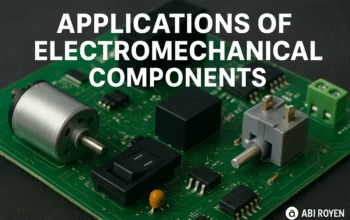


Electromechanical components are fundamental building blocks in many modern machines and systems. They combine electrical and mechanical processes to perform essential operations such as switching, actuation, sensing, and controlling energy flow. Whether in industrial automation, automotive electronics, or consumer appliances, electromechanical components bridge the gap between digital signals and physical movement.
In this article, we explore the different types of electromechanical components, their working principles, use cases, and importance in modern engineering.
What Are Electromechanical Components?
Electromechanical components are devices that involve both electrical and mechanical processes. Unlike purely electrical components (such as resistors or capacitors), these components respond to electrical signals with mechanical movement or vice versa.
They are used in applications where motion needs to be controlled by electricity or where mechanical movement generates an electrical signal.
Key Types of Electromechanical Components
Below are the most common electromechanical components used across various industries:
1. Relays
Relays are electrically operated switches. They allow a low-power signal to control a higher power circuit, providing isolation and automation capabilities in control systems.
Types of Relays:
- Electromechanical Relays (EMRs)
- Solid State Relays (SSRs)
- Reed Relays
- Thermal Relays
Applications:
- Circuit protection
- Automotive control
- Industrial automation
- Home appliances
2. Solenoids
Solenoids are coils that convert electrical energy into linear mechanical motion. When current flows through the coil, it generates a magnetic field, moving a metal plunger.
Types of Solenoids:
- Linear Solenoids
- Rotary Solenoids
- Push-Pull Solenoids
Applications:
- Locking systems
- Valves and actuators
- Vending machines
- Fuel injectors
3. Electromechanical Switches
These are mechanical devices that control the flow of electricity by physically making or breaking electrical contacts.
Common Types:
- Toggle switches
- Pushbutton switches
- Limit switches
- DIP switches
Applications:
- Manual control panels
- Safety interlocks
- Elevators and conveyors
4. Electric Motors
Electric motors convert electrical energy into rotational mechanical energy. They are one of the most widely used electromechanical devices in the world.
Motor Types:
- DC Motors
- AC Motors
- Stepper Motors
- Servo Motors
Applications:
- Robotics
- HVAC systems
- Industrial machinery
- Electric vehicles
5. Contactors
Contactors are heavy-duty switches used to control electric motors or high-current loads. Similar to relays but designed for higher power applications.
Features:
- Arc suppression
- Overload protection
- Auxiliary contacts
Applications:
- Motor control circuits
- Lighting systems
- Industrial automation
6. Electromechanical Sensors
These sensors convert mechanical changes (such as position, pressure, or motion) into electrical signals.
Examples:
- Limit switches
- Rotary encoders
- Pressure switches
- Tactile switches
Applications:
- Position sensing in robotics
- Safety devices
- Industrial feedback systems
Working Principles of Electromechanical Components
The core principle of electromechanical devices is the conversion of energy:
- Electrical to Mechanical: For example, motors and solenoids use electrical input to create motion.
- Mechanical to Electrical: Sensors and switches detect physical movement and generate electrical output.
This bidirectional interaction allows integration into automated systems, robotics, and industrial machinery for real-time control and feedback.
Advantages of Electromechanical Components
- High Reliability: Proven and rugged designs for industrial use.
- Precision Control: Enable accurate switching and actuation.
- Wide Compatibility: Can be used in both analog and digital systems.
- Cost-effective: Readily available and affordable for most applications.
- Feedback Capability: Sensors and limit switches provide real-time system status.
Challenges and Considerations
While electromechanical components are highly useful, engineers must consider:
- Wear and Tear: Mechanical parts are subject to physical degradation over time.
- Response Time: Slower than pure electronic solutions.
- Environmental Conditions: Susceptible to dust, moisture, and vibration.
Choosing the right component requires a balance between mechanical durability, electrical performance, and environmental compatibility.
Applications Electromechanical Components in Industrial and Everyday Systems
Electromechanical components are used in a wide variety of applications, such as:
Industrial Automation
- Conveyor belt controls
- PLC interfaces
- Safety interlocks
Automotive Systems
- Power window motors
- Fuel system solenoids
- Dashboard switchgear
Consumer Electronics
- Washing machine actuators
- Microwave door interlocks
- Remote-controlled toys
Medical Equipment
- Precision actuators
- Pump control systems
- Diagnostic sensors
Future of Electromechanical Components
With advancements in automation, IoT, and mechatronics, electromechanical components are evolving into more compact, efficient, and intelligent devices. For instance, modern relays now integrate microcontrollers for enhanced diagnostic and communication capabilities.
Additionally, hybrid systems are emerging that combine electromechanical and solid-state technologies to improve performance and longevity.
Conclusion of Electromechanical Components
Electromechanical components play a critical role in linking the digital world of electronics with the physical world of motion and control. Their versatility and robustness make them indispensable in both industrial and everyday technologies.
Whether you’re designing an automated assembly line or building a simple sensor system, understanding these components is key to developing reliable and efficient solutions.
Published by Abi Royen – Your Trusted Source for Industrial and Electronic Knowledge
Visit abiroyen.com for more guides, product info, and technical insights.