

Introduction of Applications of Transformers
Applications of Transformers ~ Transformers are essential devices in modern electrical and industrial systems. They play a key role in transferring electrical energy between circuits while adjusting voltage and current levels. Without transformers, the global power distribution system would be inefficient and unsafe. From high-voltage transmission lines to small electronic gadgets, transformers are everywhere, ensuring electricity flows smoothly and reliably.
In this article, we will explore the applications of transformers in different fields, including power generation, transmission, industrial processes, and everyday electronics. By the end, you will understand why transformers are considered one of the most critical innovations in electrical engineering.
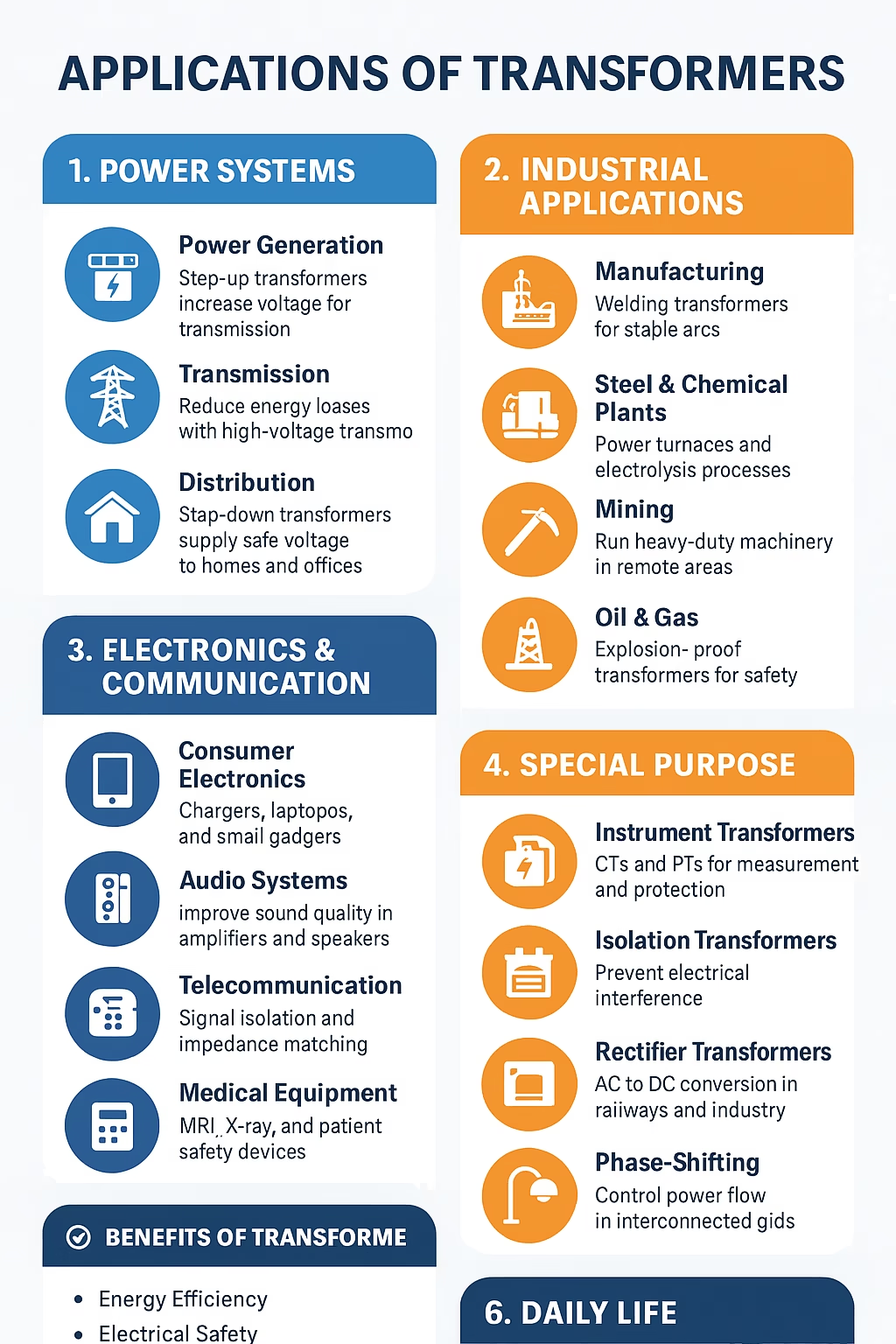
1. Applications of Transformers in Power Systems
Transformers are the backbone of electricity distribution. They ensure that power generated in power plants reaches homes, offices, and industries efficiently.
1.1 Power Generation
Electricity generated at power plants usually has a medium voltage level (11–25 kV). To transport this power over long distances, transformers are used to step up the voltage to very high levels (110 kV, 220 kV, or even 765 kV). Higher voltages reduce energy loss during transmission.
1.2 Power Transmission
In transmission networks, step-up transformers increase voltage, and step-down transformers reduce it for safe distribution. For example:
- Transmission at 220 kV or higher reduces current, minimizing heat losses.
- Before electricity enters residential or commercial areas, step-down transformers reduce voltage to 220 V or 110 V, depending on the country.
1.3 Power Distribution
At the final stage, distribution transformers supply electricity to consumers. These transformers convert medium-voltage electricity (11 kV or 33 kV) to usable levels for homes and businesses. Without them, household appliances would be damaged by high voltages.
2. Industrial Applications of Transformers
Industries depend heavily on transformers to power their machines and processes.
2.1 Heavy Manufacturing
Factories that use welding machines, furnaces, and motors rely on transformers to regulate power. Welding transformers, for instance, adjust current levels to provide stable arcs during welding.
2.2 Steel and Chemical Industries
High-capacity transformers power arc furnaces used in steel production. Similarly, in chemical plants, transformers support electrolysis processes, ensuring consistent current flow.
2.3 Mining Industry
Mining operations use specialized transformers to power heavy machinery such as conveyor belts, crushers, and pumps in remote areas.
2.4 Oil and Gas
Offshore platforms and refineries require explosion-proof transformers to ensure safety in hazardous environments.
3. Applications of Transformers in Electronics and Communication
Small transformers are vital in electronics, communication systems, and devices we use daily.
3.1 Consumer Electronics
Chargers for laptops, smartphones, and other gadgets contain miniature transformers to reduce voltage from mains supply to a safe DC level.
3.2 Audio Systems
Audio transformers improve sound quality and isolate circuits in microphones, amplifiers, and speakers.
3.3 Communication Devices
In telephone networks and modems, transformers provide impedance matching and prevent signal distortion.
3.4 Medical Equipment
Sensitive medical instruments such as MRI machines, X-ray machines, and life-support systems use isolation transformers to protect patients and operators from electrical shocks.
4. Applications of Transformers in Special Purpose
Besides power and industry, transformers also serve in specialized applications.
4.1 Instrument Transformers
- Current Transformers (CTs): Measure high currents by reducing them to manageable levels for meters.
- Potential Transformers (PTs): Step down high voltages for safe measurement.
These are essential in monitoring, metering, and protection systems in electrical grids.
4.2 Isolation Transformers
Used in laboratories, data centers, and hospitals, these transformers isolate sensitive equipment from the main power supply to prevent electrical noise and interference.
4.3 Rectifier Transformers
Found in electrochemical industries and railway traction systems, they supply power to rectifiers for converting AC to DC.
4.4 Phase-Shifting Transformers
Used in interconnected power grids to control the direction and flow of power between networks.
5. Applications of Transformers in Renewable Energy
The growth of renewable energy has increased the importance of transformers.
5.1 Solar Power Systems
Transformers in solar farms step up the voltage from inverters before feeding power into the grid.
5.2 Wind Energy
Wind turbines generate variable voltages. Transformers stabilize and adjust these voltages for grid integration.
5.3 Hydropower Plants
Step-up transformers connect hydropower generation units to transmission lines, enabling long-distance distribution.
6. Applications of Transformers in Daily Life
Even outside industries and power plants, transformers play a hidden role in our daily routines.
- Street lighting systems use transformers to control voltage levels.
- Doorbells, televisions, and radios often have miniature transformers inside.
- Refrigerators and air conditioners depend on transformers in their control circuits.

7. Benefits of Using Transformers
The wide applications of transformers come with several advantages:
- Energy Efficiency: Reduce losses in transmission.
- Safety: Provide voltage control and electrical isolation.
- Reliability: Ensure stable operation of industrial and electronic systems.
- Versatility: Serve in power systems, industries, and consumer devices.
Conclusion of Applications of Transformers
Transformers are truly indispensable in modern life. From generating and transmitting electricity across continents to powering industrial processes and household gadgets, their applications are vast and critical. Whether it’s step-up transformers in transmission lines or tiny transformers in smartphone chargers, these devices ensure safe, efficient, and reliable use of electrical energy.
As the world moves toward smart grids and renewable energy systems, the role of transformers will become even more significant. Understanding their applications allows industries, engineers, and consumers to appreciate how this invention shapes our daily lives and future energy systems.