Plumbing is one of the most essential aspects of modern civilization, playing a vital role in maintaining hygiene, comfort, and efficiency in homes, commercial buildings, and industrial facilities. Without plumbing, access to clean water, safe sanitation, and efficient waste disposal would not be possible. This article provides an in-depth look into the world of plumbing, its history, systems, components, installation practices, maintenance, and the future of plumbing technology.
What is Plumbing?
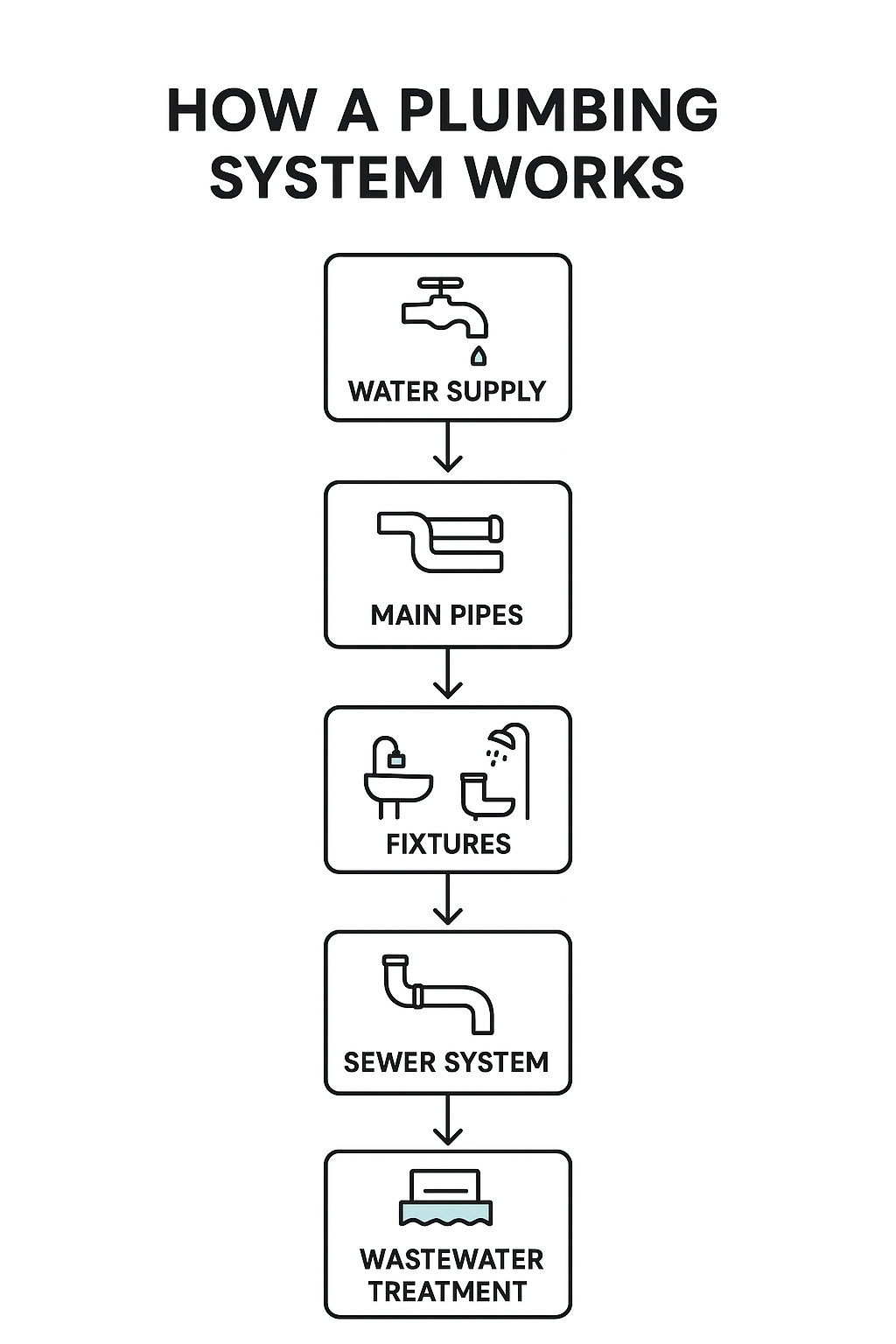
Plumbing refers to the system of pipes, fixtures, tanks, valves, and other apparatuses used to distribute water for drinking, washing, heating, and remove wastewater safely from a building. The word “plumbing” originates from the Latin word plumbum, meaning lead, since early pipes were made from lead materials.
Today, plumbing has advanced significantly with the use of copper, PVC, PEX, stainless steel, and other durable materials that ensure safety, efficiency, and sustainability.
The explanation is here: What is Plumbing? A Complete Guide to Systems, Components, and Importance
Importance of Plumbing
Plumbing are critical to modern life for several reasons:
- Clean Water Supply – Ensures households and industries have continuous access to potable water.
- Sanitation and Hygiene – Prevents the spread of diseases by enabling efficient sewage disposal.
- Comfort and Convenience – Provides hot and cold water, central heating, and proper drainage.
- Industrial Applications – Plays a crucial role in manufacturing, food processing, and chemical industries.
- Sustainability – Modern plumbing incorporates eco-friendly practices, such as water recycling and low-flow fixtures.
The explanation is here: The Importance of Plumbing: Ensuring Comfort, Safety, and Sustainability
Types of Plumbing
Plumbing can be broadly divided into several categories, each serving a specific purpose:
1. Potable Water System
This system is designed to deliver clean and safe drinking water to households and businesses. It includes pipes, pumps, and valves that connect to municipal water supply networks.
2. Sanitary Drainage System
Responsible for the removal of wastewater and sewage. It consists of drain pipes, sewer lines, and venting systems to ensure safe disposal.
3. Stormwater Drainage System
Handles rainwater and prevents flooding by channeling water into storm drains or natural water bodies.
4. Gas Plumbing
Supplies natural gas or propane to heating appliances, stoves, and industrial equipment. This system requires careful design and regular maintenance due to safety concerns.
5. Irrigation and Outdoor Plumbing
Used in agriculture, landscaping, and gardens to provide controlled water distribution.
The explanation is here: Understanding Different Types of Plumbing: A Complete Guide
Key Components of a Plumbing System
Plumbing are made up of various interconnected components, including:
- Pipes (PVC, copper, galvanized steel, PEX, CPVC)
- Fittings (elbows, tees, couplings)
- Fixtures (sinks, toilets, showers, bathtubs)
- Valves (control flow of water and gas)
- Water Heaters (tank and tankless systems)
- Pumps (boosters and sump pumps)
- Meters (measure water consumption)
- Traps and Vents (prevent sewer gases from entering buildings)
The explanation is here: Components of Plumbing: A Complete Guide for Homes and Buildings
Plumbing Installation: Best Practices
Installing a plumbing requires expertise, proper planning, and compliance with building codes. Some best practices include:
- Design Before Installation – Create a plumbing blueprint to map out water supply and drainage routes.
- Use Quality Materials – Ensure longevity and safety by choosing durable pipes and fixtures.
- Proper Slope in Drainage – Maintain correct pipe slope to allow smooth flow of wastewater.
- Pressure Testing – Before finalizing installation, test pipes for leaks.
- Code Compliance – Follow local and international plumbing standards to avoid legal and safety issues.
The explanation is here: Plumbing Installation: A Complete Guide for Homes and Businesses
Common Plumbing Problems and Solutions
Plumbing issues are inevitable but can often be resolved with timely intervention. Some common problems include:
- Leaky Faucets and Pipes – Usually caused by worn-out seals or joints.
- Clogged Drains – Due to grease, hair, or debris buildup.
- Low Water Pressure – Often results from mineral deposits or leaks.
- Running Toilets – Wasteful and caused by faulty flappers or valves.
- Water Heater Issues – May involve sediment buildup, faulty thermostats, or heating elements.
Solutions range from simple DIY fixes like cleaning drains to professional intervention for pipe replacement or heater repairs.
The explanation is here: Plumbing Problems and Solutions: A Complete Guide for Homeowners
Modern Trends in Plumbing
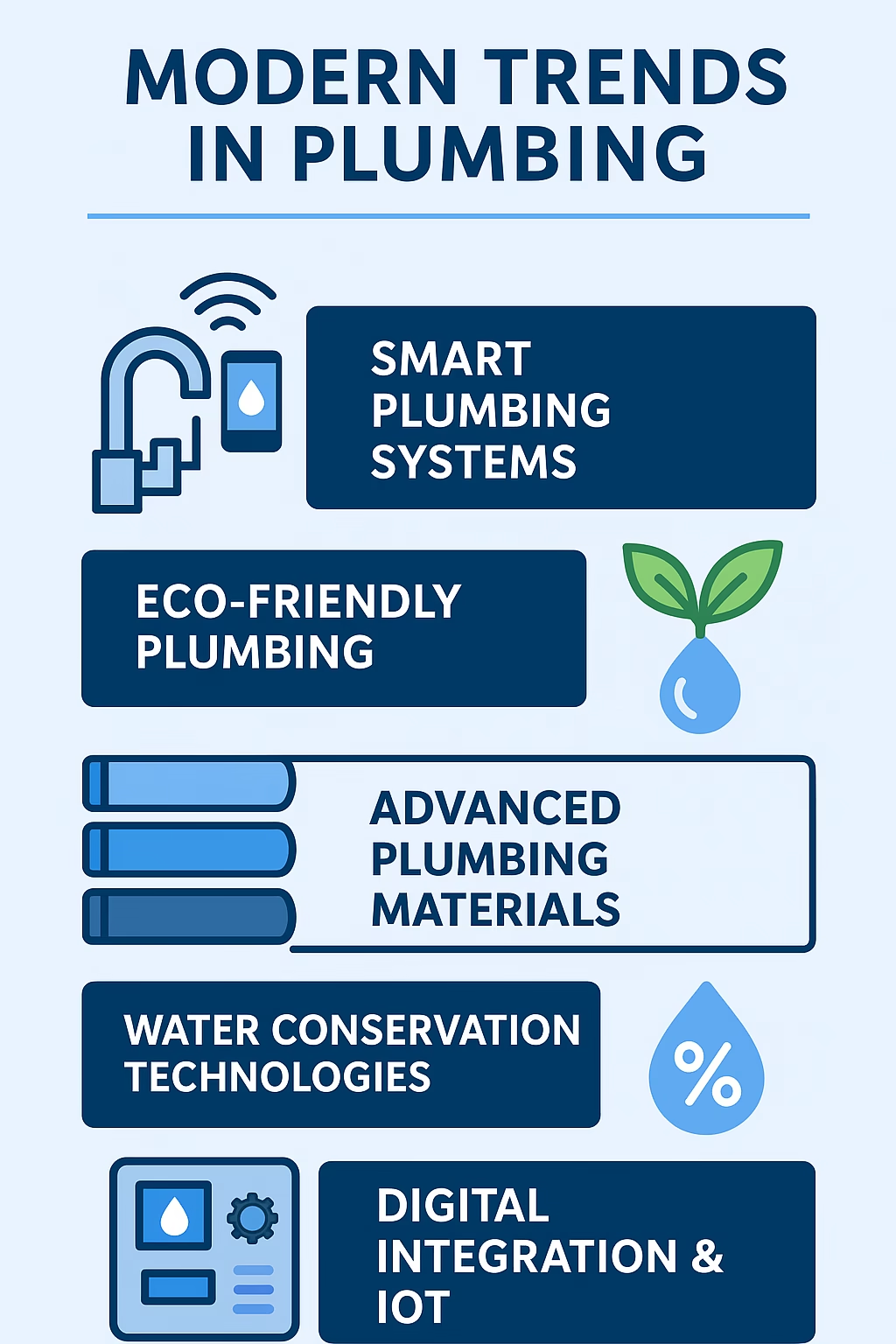
Plumbing has evolved significantly to adapt to environmental and technological demands. Modern innovations include:
- Smart Plumbing – IoT-enabled leak detectors and water monitors.
- Tankless Water Heaters – Provide hot water on demand, saving energy.
- Eco-Friendly Fixtures – Low-flow toilets and faucets reduce water consumption.
- Greywater Recycling – Reusing water from sinks and showers for irrigation.
- Sustainable Piping Materials – PEX and CPVC are replacing older, less durable options.
The explanation is here: Modern Trends in Plumbing: Innovations Shaping the Future of Water Systems
Industrial Applications of Plumbing
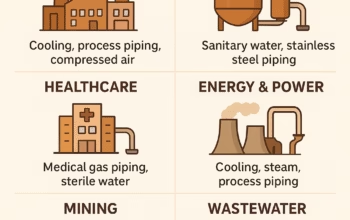
Plumbing is not just limited to households; industries rely heavily on advanced plumbing. For instance:
- Food Industry – Requires sanitary piping systems for clean water and waste disposal.
- Chemical Plants – Need corrosion-resistant piping for safe fluid transport.
- Power Plants – Depend on steam and water circulation systems.
- Hospitals and Laboratories – Require sterile and reliable water distribution networks.
The explanation is here: Industrial Applications of Plumbing: Enhancing Efficiency in Modern Industries
Maintenance of Plumbing Systems
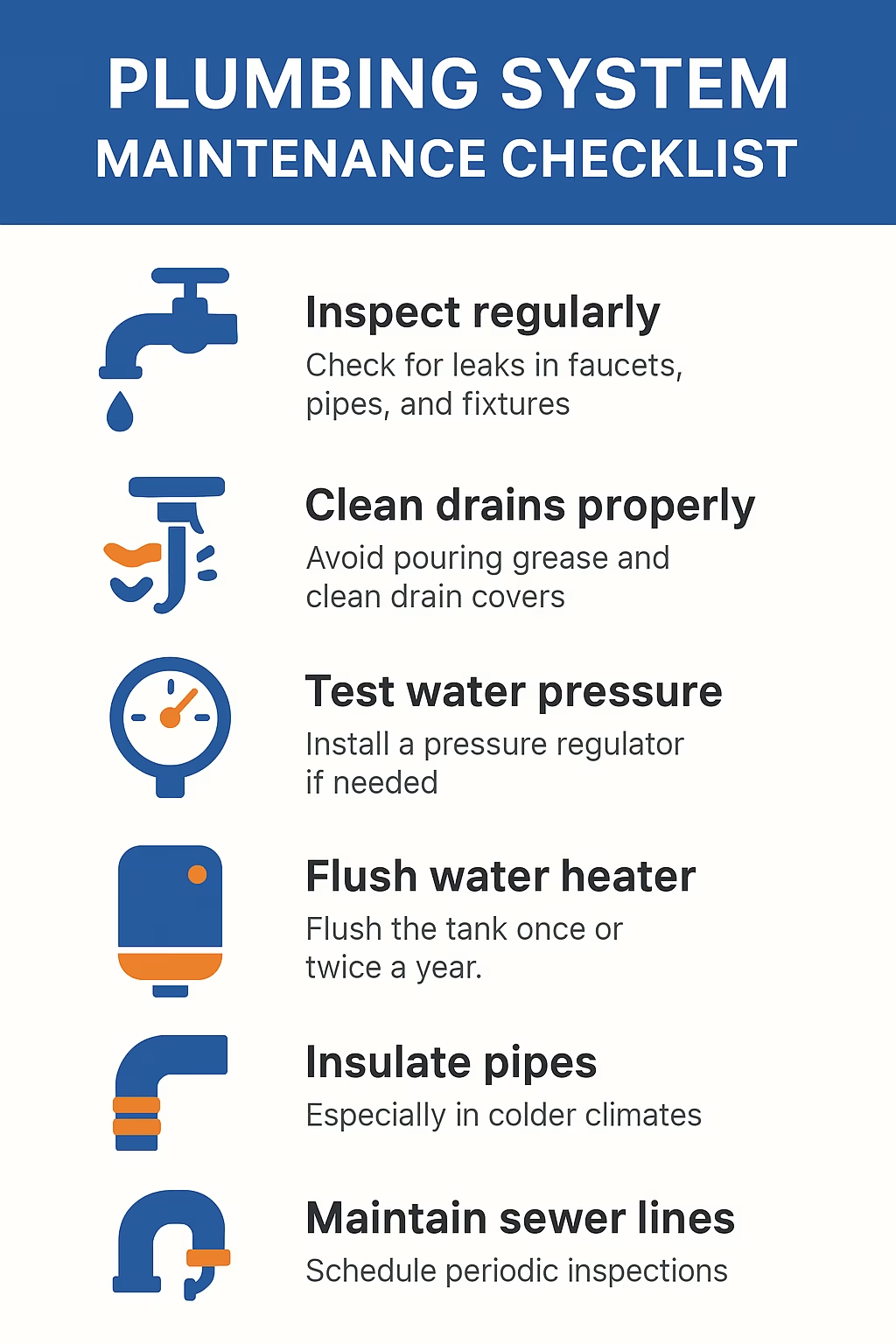
Proper maintenance ensures a plumbing runs efficiently and avoids costly breakdowns. Recommended practices include:
- Regularly inspecting pipes and joints for leaks.
- Cleaning drains with safe, non-corrosive solutions.
- Servicing water heaters annually.
- Installing water softeners to prevent mineral buildup.
- Scheduling professional plumbing inspections.
The explanation is here: Maintenance of Plumbing: A Complete Guide for Efficiency and Longevity
The Future of Plumbing
The future of plumbing focuses on sustainability, efficiency, and smart technology. Water scarcity and climate change are pushing for innovations like water-saving fixtures, AI-powered leak detection, and advanced recycling systems. The integration of green building standards ensures plumbing continues to support both human needs and environmental protection.
The explanation is here: The Future of Plumbing: Innovations, Smart Systems, and Sustainable Solutions
Conclusion
Plumbing is more than just pipes and faucets—it is the backbone of modern living, health, and industry. From delivering clean water to ensuring proper sanitation and supporting industrial operations, plumbing plays an irreplaceable role in society. As technology advances, the plumbing industry is becoming smarter, more sustainable, and more efficient, ensuring that the systems we rely on today will meet the demands of tomorrow.
Reference Article: Plumbing System