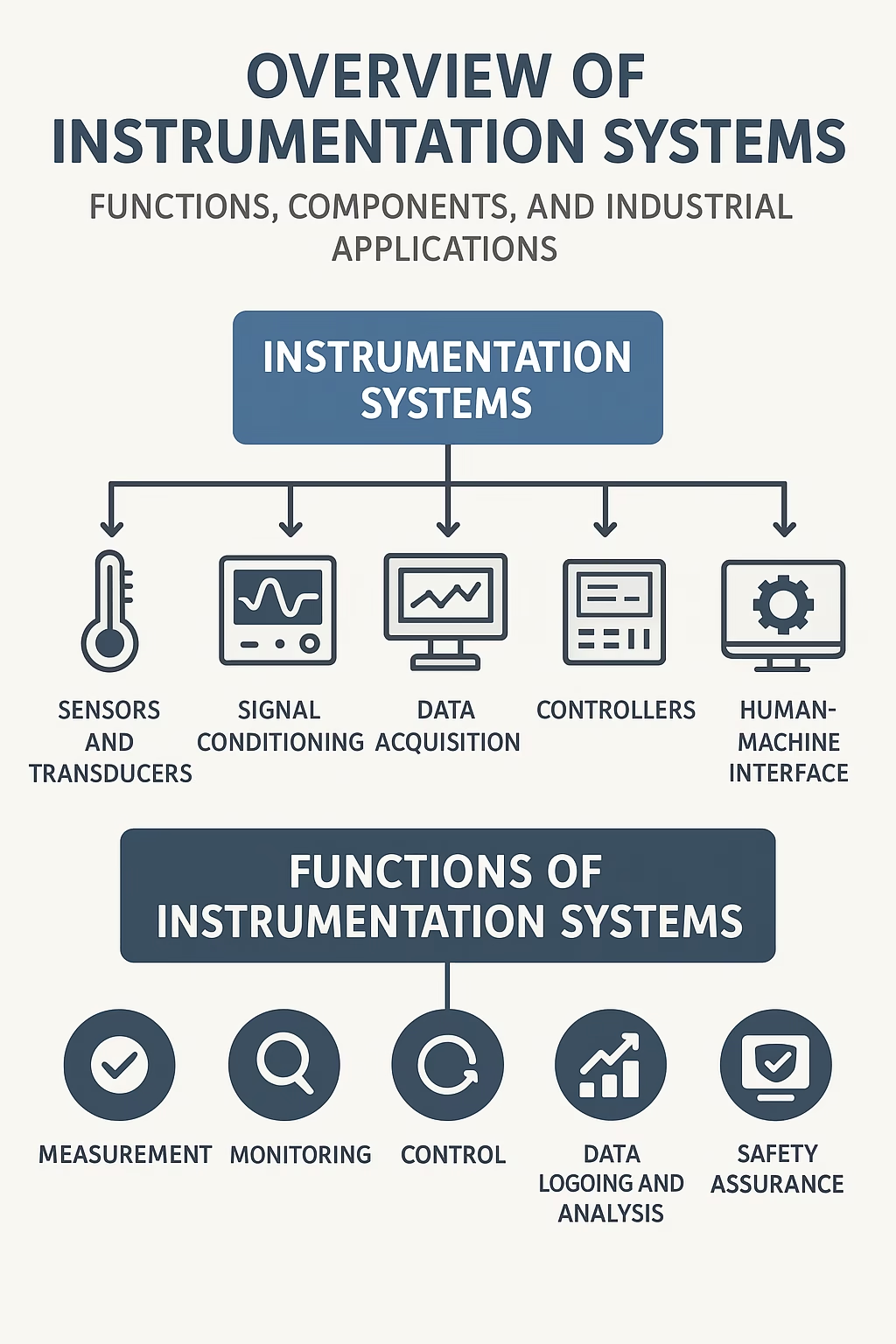
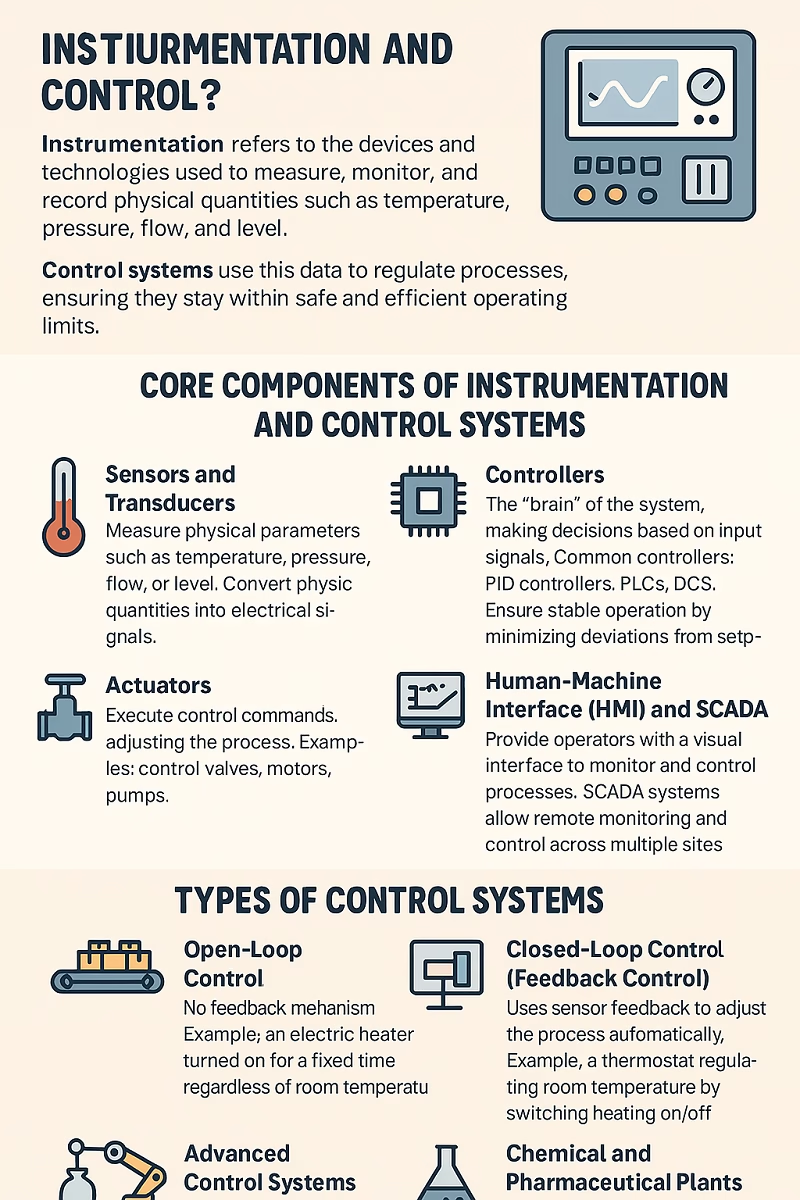
Instrumentation plays a pivotal role in modern industry by enabling the accurate measurement and control of various physical parameters. From simple thermometers to advanced digital transmitters, the types of instrumentation available today are diverse and highly specialized. These instruments are essential in ensuring safety, efficiency, productivity, and consistency in industrial processes.
In this comprehensive guide, we will explore the different types of instrumentation commonly used in various industries such as manufacturing, oil and gas, power generation, pharmaceuticals, and R&D labs.
1. What Is Instrumentation?
Instrumentation refers to the science and technology of measurement and control of process variables within a production or manufacturing area. These process variables may include:
- Temperature
- Pressure
- Flow
- Level
- pH
- Humidity
- Vibration
- Speed
Instruments are the tools used to monitor and control these variables, allowing systems to operate within desired parameters for quality and safety.
Read More: What is Instrumentation? A Complete Guide to Principles, Types, and Applications
2. Main Categories of Instrumentation
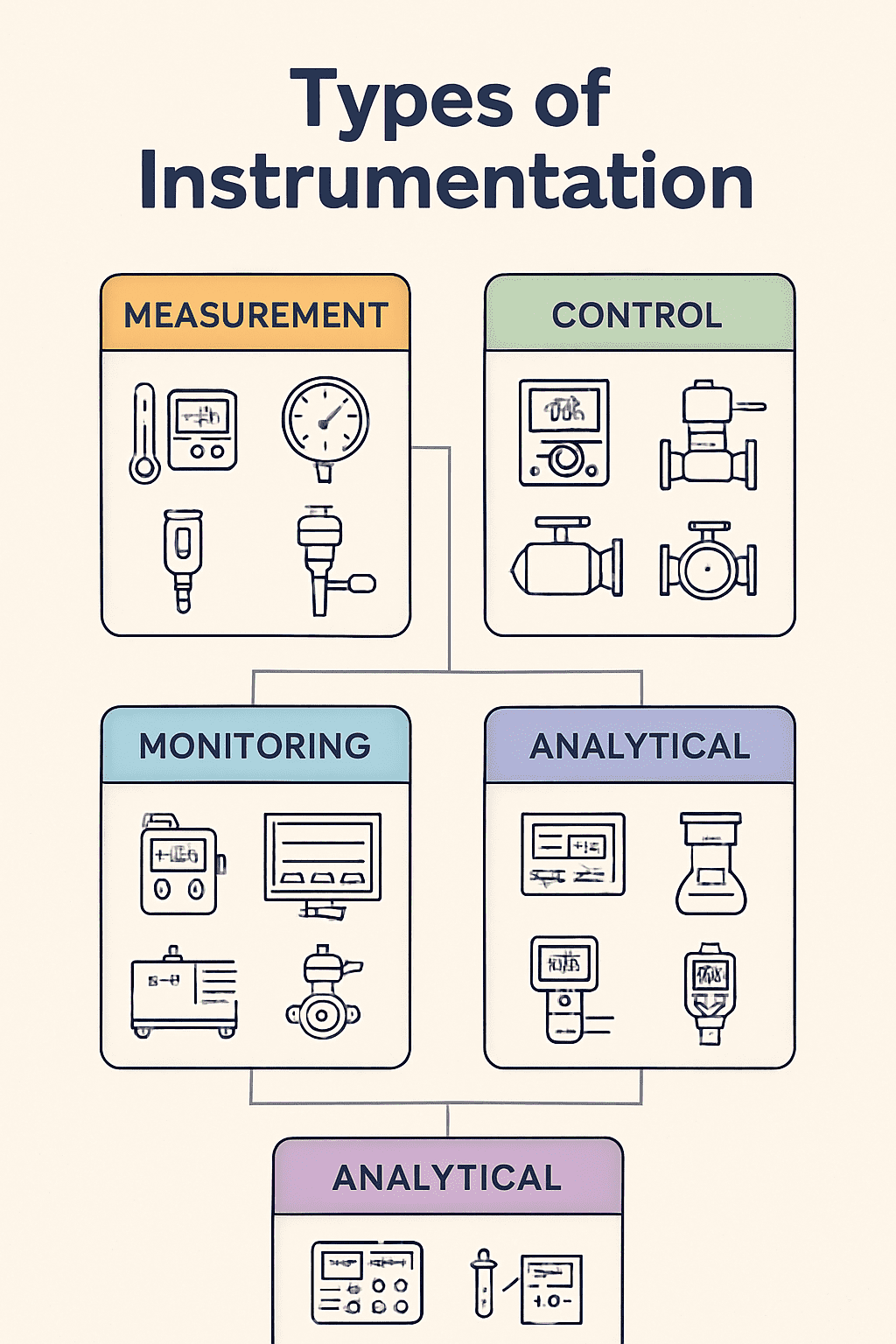
Instrumentation can be broadly categorized into the following types:
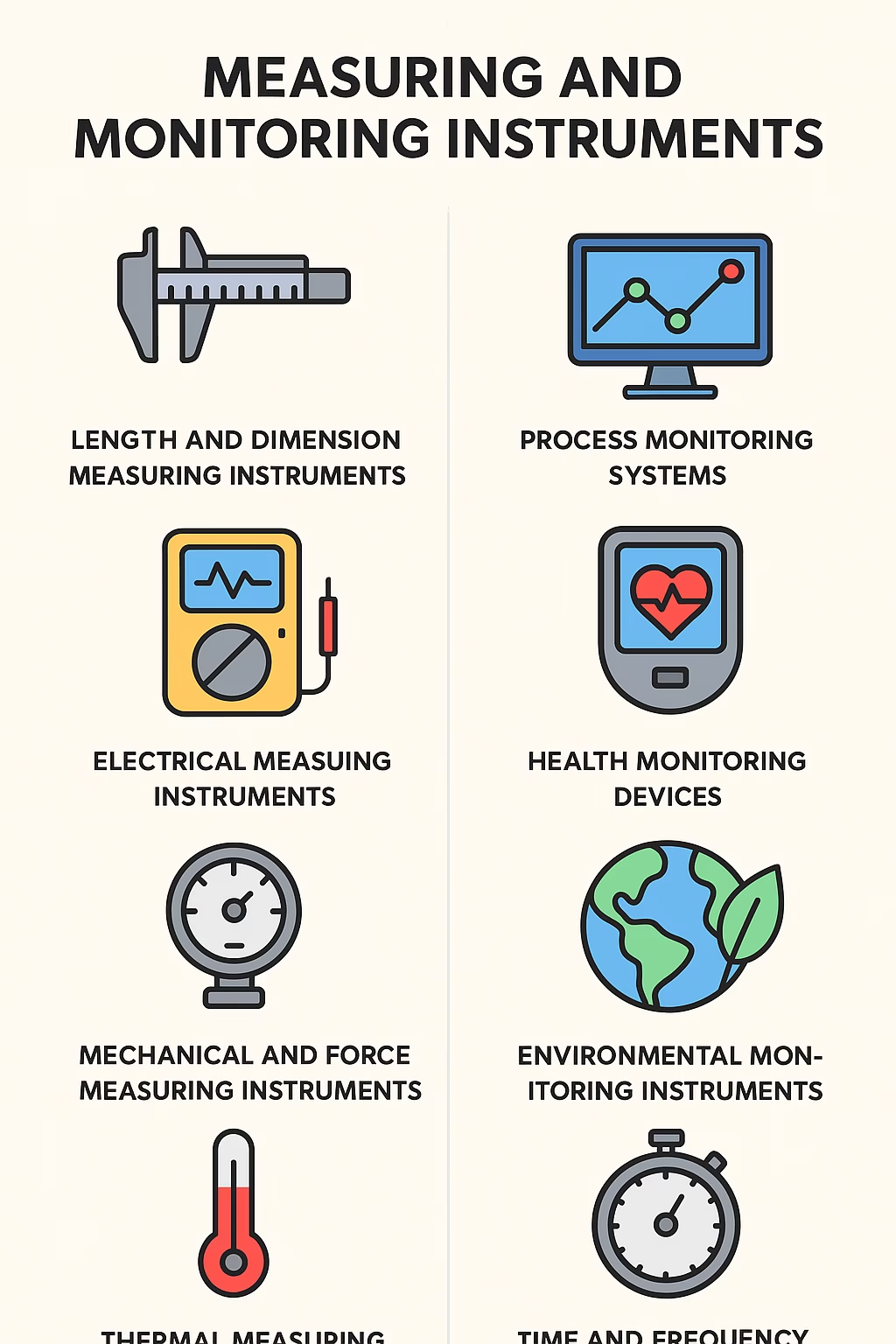
A. Types of Instrumentation: Measurement Instruments
These instruments are used to measure physical quantities such as:
- Temperature Instruments
- Thermocouples
- Resistance Temperature Detectors (RTDs)
- Bimetallic sensors
- Infrared thermometers
- Pressure Instruments
- Bourdon tube pressure gauges
- Diaphragm pressure sensors
- Differential pressure transmitters
- Flow Instruments
- Electromagnetic flow meters
- Turbine flow meters
- Ultrasonic flow meters
- Coriolis flow meters
- Level Instruments
- Float level sensors
- Ultrasonic level detectors
- Radar level transmitters
- Capacitance level sensors
- Humidity Instruments
- Hygrometers
- Psychrometers
- Capacitive humidity sensors
These instruments typically convert physical parameters into electrical signals for monitoring or data logging.
B. Types of Instrumentation: Control Instruments
Control instruments are used to regulate the process variables to desired values. These include:
- Controllers
- PID Controllers (Proportional-Integral-Derivative)
- PLCs (Programmable Logic Controllers)
- DCS (Distributed Control Systems)
- Actuators
- Electric actuators
- Pneumatic actuators
- Hydraulic actuators
- Valves
- Control valves
- Solenoid valves
- Butterfly valves
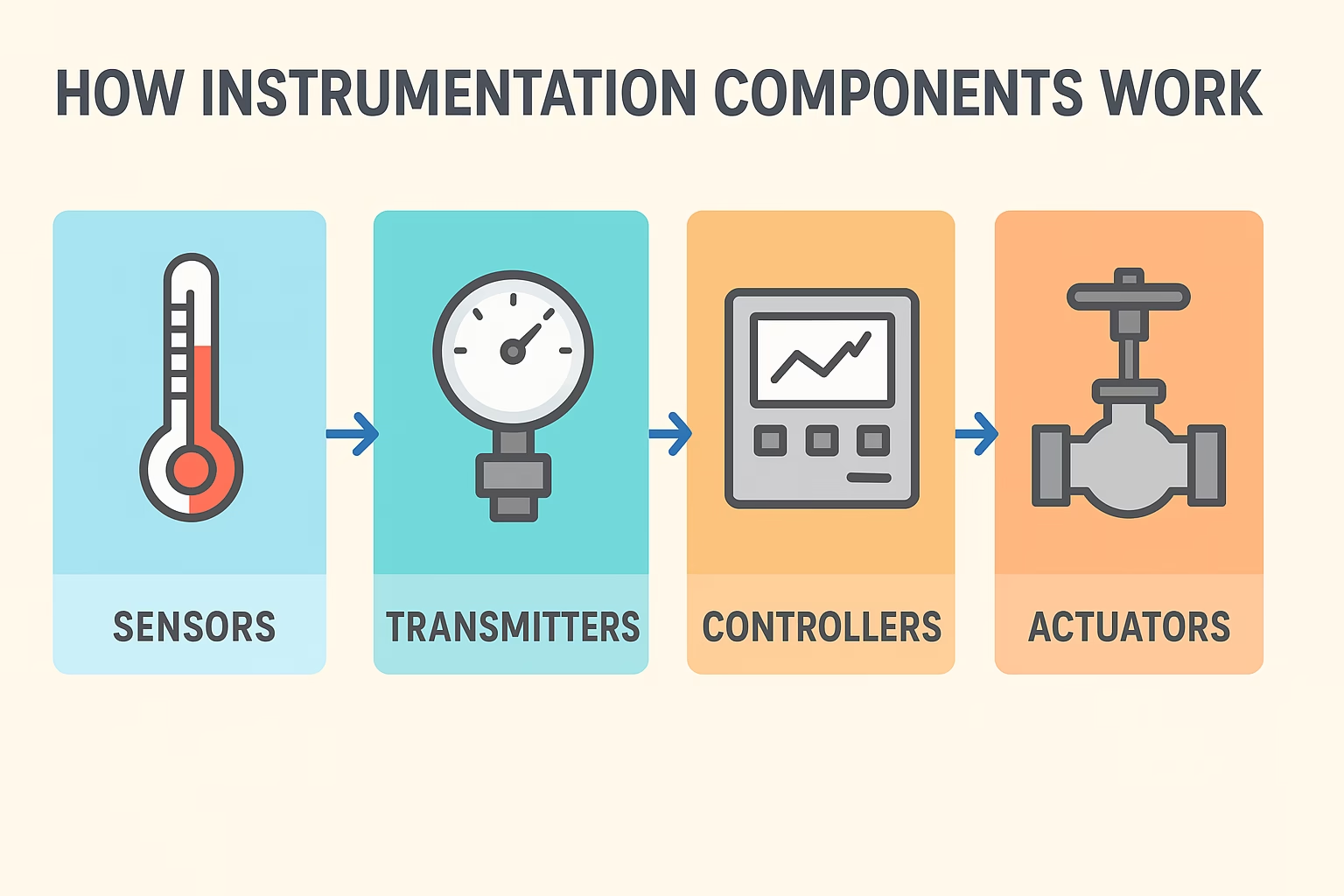
The controller compares the actual value from a sensor to a desired setpoint and makes decisions to adjust the process via actuators or valves.
C. Types of Instrumentation: Monitoring Instruments
These instruments help in visualizing and analyzing data:
- Data Loggers
- Digital Displays
- HMI (Human-Machine Interface)
- SCADA Systems (Supervisory Control and Data Acquisition)
They allow operators to monitor the status of a process in real time and analyze historical data for diagnostics and optimization.
D. Types of Instrumentation: Analytical Instruments
Analytical instrumentation is used to measure the chemical composition of substances. Common types include:
- Gas Chromatographs (GC)
- Mass Spectrometers (MS)
- pH Meters
- Dissolved Oxygen Meters
- Conductivity Meters
These instruments are critical in industries like pharmaceuticals, environmental monitoring, and chemical manufacturing.
3. Specialized Types of Instrumentation
Some instruments are industry-specific or designed for niche applications:
Biomedical Instrumentation
Used in healthcare for diagnostics and monitoring:
- ECG Machines
- Blood pressure monitors
- Pulse oximeters
- Medical imaging devices
Aerospace Instrumentation
Used in flight testing and control:
- Airspeed indicators
- Altimeters
- Inertial navigation systems
Automotive Instrumentation
Used in vehicle testing and monitoring:
- Engine analyzers
- Torque sensors
- Emission testers
Marine Instrumentation
Used in navigation and marine systems:
- Depth finders
- Gyrocompasses
- Weather instruments
Read More: Specialized Types of Instrumentation: Enhancing Accuracy in Modern Industries
4. Smart Instrumentation and IIoT Integration
The emergence of smart instrumentation has transformed traditional systems by integrating digital technologies. These smart devices can:
- Self-calibrate
- Communicate via protocols like HART, Modbus, or Ethernet
- Provide diagnostic feedback
- Connect to cloud platforms and IIoT (Industrial Internet of Things)
Smart instrumentation enables predictive maintenance, remote monitoring, and big data analytics, driving Industry 4.0 transformation.
Read More: Instrumentation and IIoT Integration: Transforming Industrial Operations
5. Importance of Instrumentation in Industrial Applications
The correct use of instrumentation ensures:
- Improved process efficiency
- Reduced energy consumption
- Higher product quality
- Regulatory compliance
- Enhanced safety
Instrumentation systems are vital in continuous manufacturing processes, where real-time data and control are critical to avoid downtime or accidents.
Read More: Instrumentation in Industrial Applications: Enhancing Efficiency, Accuracy, and Safety
6. Selection Criteria for Instrumentation
Choosing the right instrument involves consideration of:
- Measurement range and accuracy
- Environmental conditions (temperature, humidity, explosion-proof, etc.)
- Signal compatibility (analog, digital, protocol)
- Response time and sensitivity
- Calibration requirements
- Cost and maintenance
A thorough understanding of the process and application is necessary for optimal selection and performance.
Read More: Selection Criteria for Instrumentation: Key Factors for Optimal Performance
7. Future Trends in Instrumentation
Instrumentation is evolving rapidly with advancements in:
- Wireless sensor networks
- Edge computing and AI-based controllers
- Miniaturization of sensors
- Cybersecurity in control systems
- Green and sustainable instrumentation solutions
These trends are leading to smarter, more efficient, and more resilient industrial systems.
Read More: Future Trends in Instrumentation: Shaping the Next Industrial Revolution
Conclusion of Types of Instrumentation
Understanding the various types of instrumentation is essential for anyone involved in industrial processes, automation, or engineering. From basic measurement tools to complex control systems, instrumentation ensures that modern industries run smoothly, safely, and efficiently.
As technology continues to advance, instrumentation will play an even more crucial role in enabling smart factories and intelligent monitoring systems.
👉 Publish this article on Abi Royen under the “Industrial Automation” category to reach engineers, technicians, and professionals interested in instrumentation and control systems.