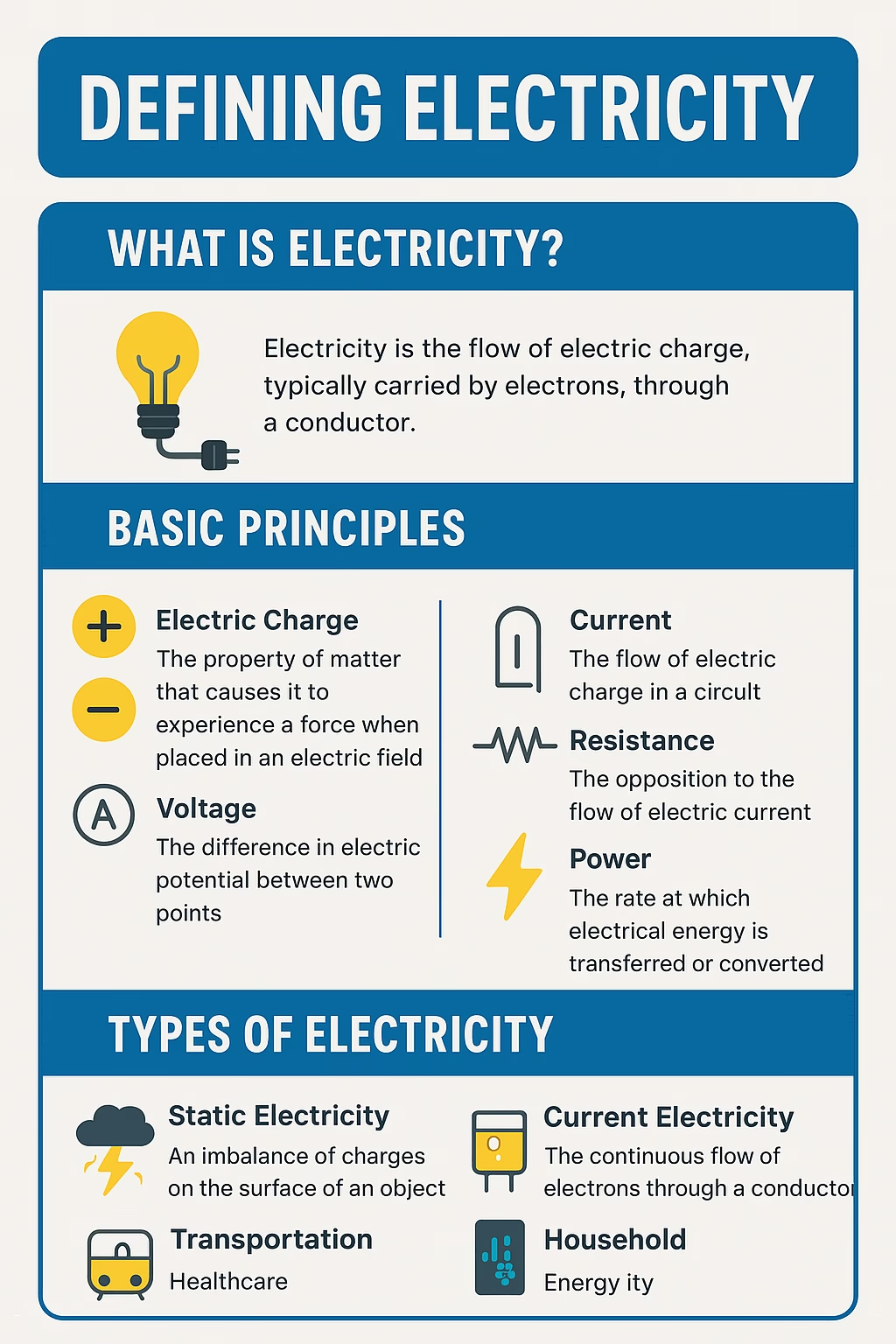

Electrical systems are the backbone of modern infrastructure, powering everything from household appliances to large-scale industrial machinery. These systems consist of several interconnected components that work together to generate, transmit, distribute, and control electrical power.
In this article, we will explore the essential components of electrical systems, their functions, and how they contribute to efficient and safe power operation.
1. Components of Electrical Systems: Power Sources
The power source is the heart of any electrical system, providing the necessary energy to operate connected devices and machinery. Common types include:
- Batteries – Provide direct current (DC) for portable devices or backup power.
- Generators – Convert mechanical energy into electrical energy, often used in power plants or as emergency backup.
- Solar Panels – Harness solar energy and convert it into electrical power.
- Main Grid Supply – Delivers alternating current (AC) electricity from utility companies.
Function:
To supply the initial energy required for the entire system.
2. Conductors and Wiring
Conductors are materials that allow the easy flow of electricity, typically made from copper or aluminum. Electrical wiring is the practical arrangement of these conductors to connect all system components.
Key Points:
- Copper wires are preferred for their high conductivity.
- Aluminum wires are lighter and more cost-effective for long-distance transmission.
- Proper insulation prevents short circuits and electric shocks.
Function:
To transfer electrical energy from one point to another safely and efficiently.
3. Components of Electrical Systems: Switches and Control Devices
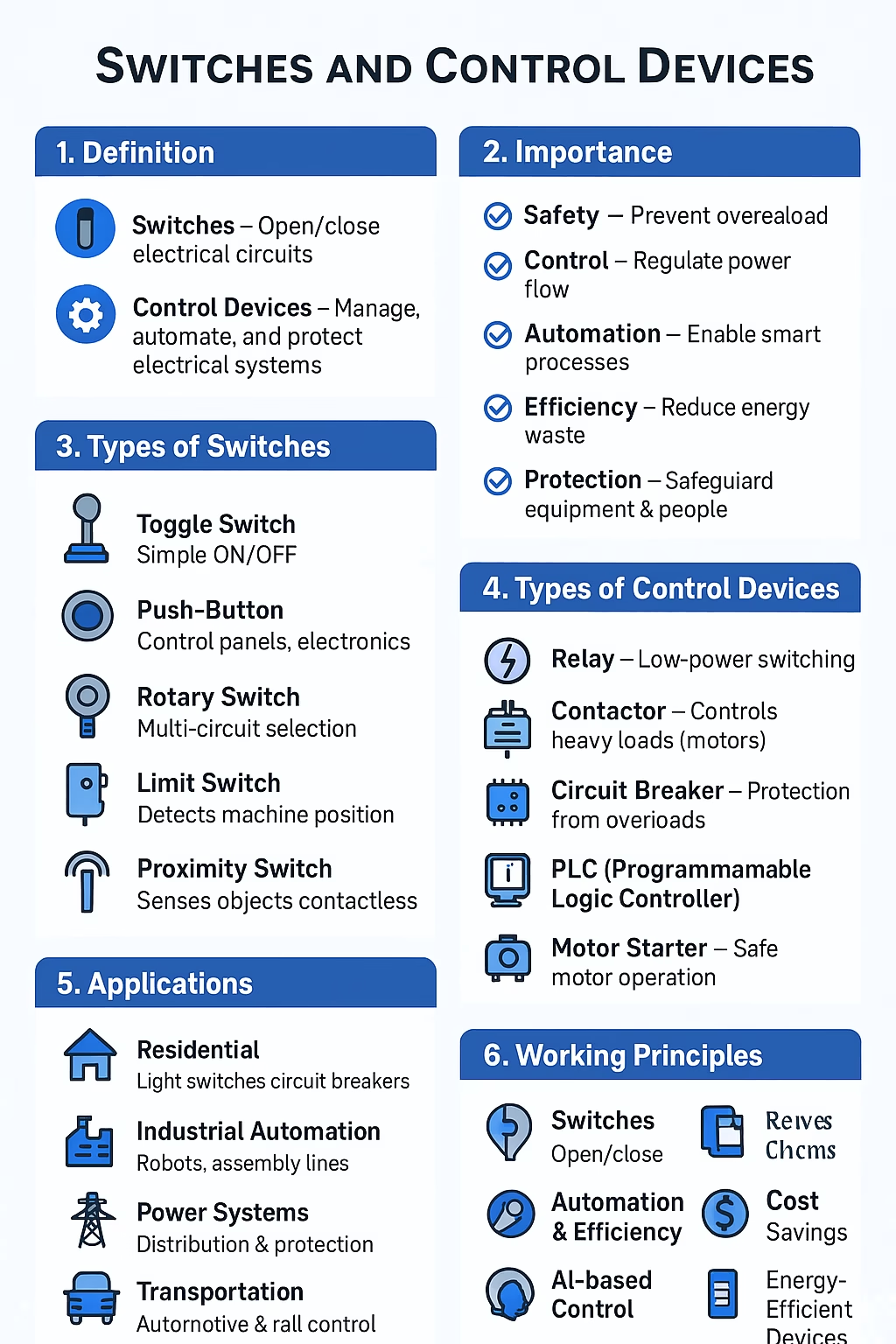
Switches allow users to control the flow of electricity by opening or closing circuits. Control devices may include relays, contactors, and automated controllers.
Examples:
- Manual Switches – Light switches, toggle switches.
- Relays – Electrically operated switches for automation.
- Circuit Controllers – Devices for advanced electrical management.
Function:
To control when and how electricity flows through the system.
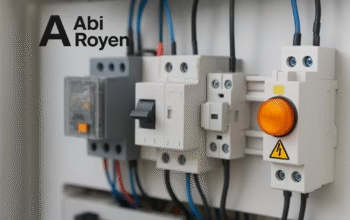
4. Protection Devices
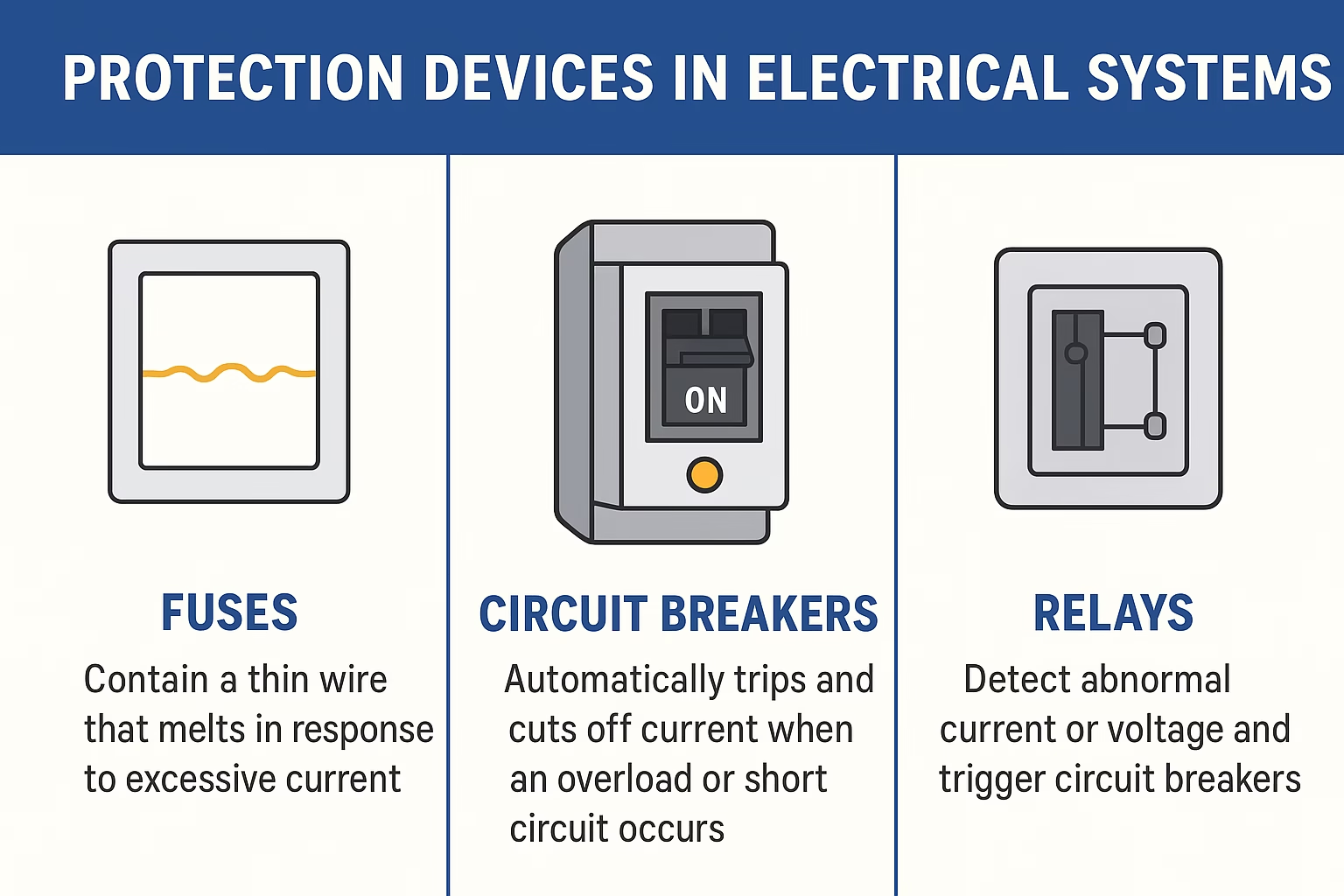
Safety is a critical aspect of electrical systems. Protection devices safeguard the system and users from electrical faults such as overloads, short circuits, and surges.
Common Protection Devices:
- Circuit Breakers – Automatically shut off the circuit when overloaded.
- Fuses – Melt to break the circuit during excessive current flow.
- Surge Protectors – Protect equipment from voltage spikes.
- Ground Fault Circuit Interrupters (GFCIs) – Prevent electric shock in wet areas.
Function:
To prevent damage to the system and protect people from electrical hazards.
5. Components of Electrical Systems: Transformers
Transformers are essential for modifying voltage levels to suit different stages of power distribution.
Types of Transformers:
- Step-Up Transformers – Increase voltage for efficient long-distance transmission.
- Step-Down Transformers – Reduce voltage for safe domestic or industrial use.
- Isolation Transformers – Provide electrical isolation for sensitive equipment.
Function:
To adjust voltage levels for efficiency, safety, and compatibility.
6. Loads
Loads are devices that consume electrical energy and convert it into other forms of energy.
Examples:
- Lighting Systems – Convert electricity into light.
- Motors – Convert electricity into mechanical energy.
- Heating Elements – Convert electricity into heat.
Function:
To perform the actual work for which the electrical system is designed.

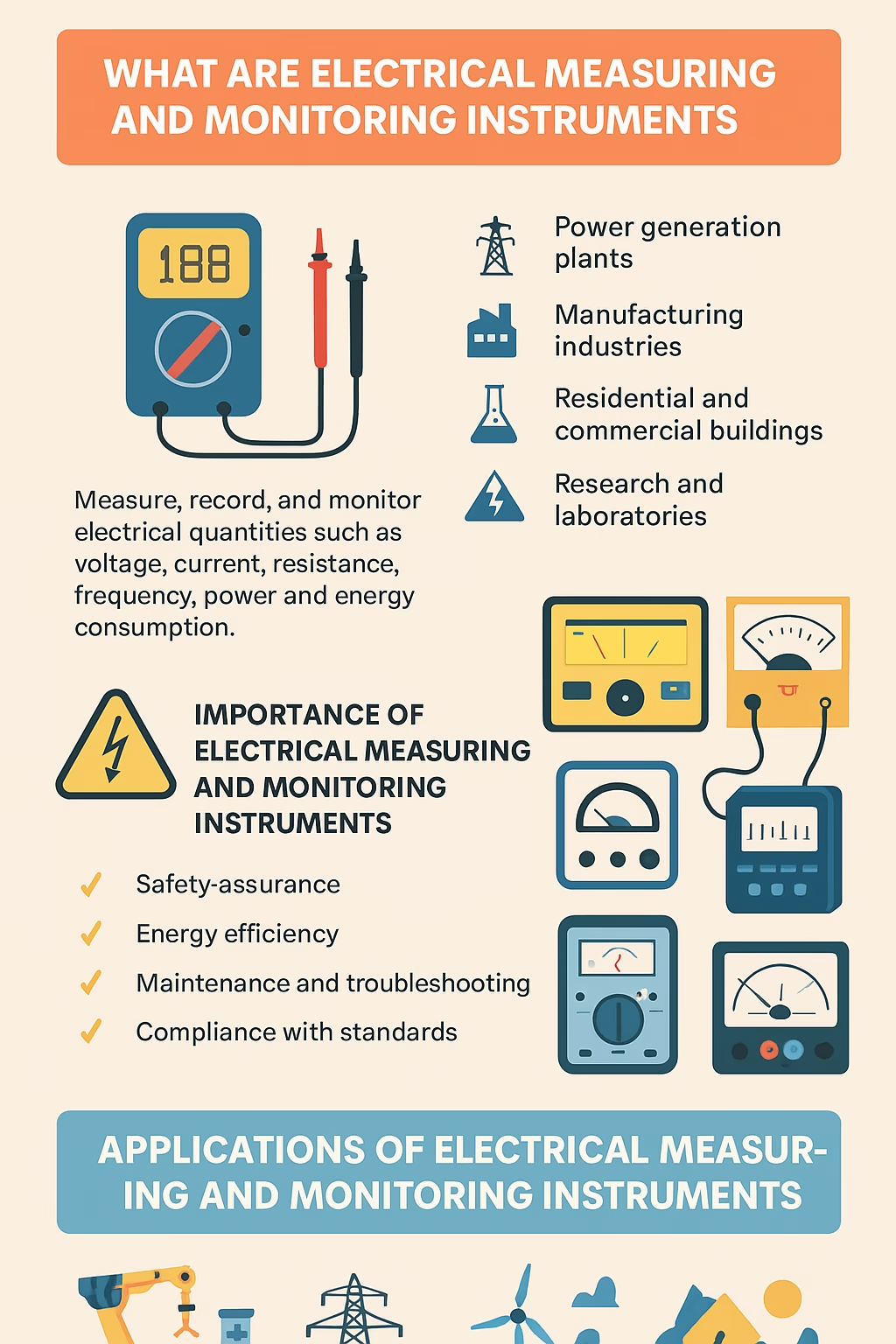
7. Components of Electrical Systems: Measuring and Monitoring Instruments
Monitoring is vital to ensure the electrical system operates within safe and efficient parameters.
Examples:
- Voltmeters – Measure voltage.
- Ammeters – Measure current.
- Multimeters – Measure multiple electrical properties.
- Energy Meters – Track power consumption.
Function:
To track performance, detect issues early, and maintain efficiency.
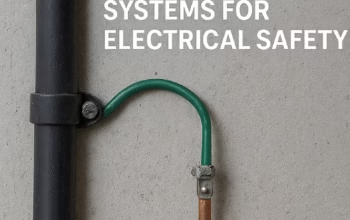
8. Grounding Systems
Grounding provides a safe path for excess electrical current to flow into the earth during faults.
Types:
- System Grounding – Stabilizes voltage during normal operation.
- Equipment Grounding – Prevents electric shock by grounding equipment frames.
Function:
To enhance safety and reduce electrical hazards.
9. Components of Electrical Systems: Auxiliary Components
Other components support the primary functions of the electrical system:
- Capacitors – Store and release electrical energy.
- Inductors – Control current flow and filter signals.
- Resistors – Limit current and divide voltage.
Function:
To improve system performance and stability.
Applications of Electrical Systems
Electrical systems are used in:
- Residential Buildings – Power lighting, appliances, and electronics.
- Industrial Plants – Run heavy machinery and automation systems.
- Transportation – Electric trains, trams, and electric vehicles.
- Renewable Energy Systems – Solar farms, wind turbines, hydroelectric plants.
Conclusion
Understanding the components of electrical systems is crucial for engineers, technicians, and anyone involved in electrical work. Each component, from power sources to protection devices, plays a vital role in ensuring safe, reliable, and efficient power distribution. With technological advancements, these systems are becoming smarter and more efficient, paving the way for sustainable energy use in the future.