
Introduction
Plumbing is one of the most vital aspects of modern infrastructure. Whether it’s a residential home, commercial building, or industrial facility, an efficient plumbing system ensures the proper distribution of clean water and safe removal of wastewater. Understanding the Components of Plumbing System is essential for homeowners, engineers, architects, and maintenance professionals.
This article provides a comprehensive overview of plumbing system components, their functions, and why they are critical for maintaining health, safety, and comfort in any building.
What is a Plumbing System?
A plumbing system refers to the network of pipes, fixtures, fittings, and appliances installed in buildings to supply potable water and remove wastewater. It consists of two main functions:
- Water Supply System – delivers clean water for drinking, cooking, cleaning, and other uses.
- Drainage System – removes wastewater and sewage safely from the building.
Each of these systems comprises several essential components that work together to provide efficient plumbing services.
Major Components of Plumbing System
1. Components of Plumbing System: Water Supply Pipes
Water supply pipes are the backbone of the plumbing system. They transport clean water from the main source (municipal supply, well, or storage tank) to different outlets in the building.
- Materials used: Copper, PVC, PEX, galvanized steel.
- Types:
- Main supply line – connects the building to the municipal water supply.
- Branch pipes – distribute water to different fixtures.
- Service pipes – connect the meter to the building’s plumbing.
Importance: Without efficient water supply pipes, water distribution would be inconsistent, leading to pressure loss and contamination risks.
2. Plumbing Fixtures
Fixtures are the end-use points where water is accessed. They make the plumbing system usable for everyday activities.
- Examples: Sinks, faucets, showers, toilets, bathtubs, and bidets.
- Functions: Provide water for drinking, washing, bathing, cooking, and sanitation.
Note: Quality fixtures not only enhance comfort but also improve water efficiency through modern designs like low-flow faucets and dual-flush toilets.
3. Components of Plumbing System: Drainage System
The drainage system removes wastewater and sewage from the building safely. It prevents backflow and protects occupants from health hazards.
- Components include:
- Drainpipes – collect wastewater from fixtures.
- Soil pipes – transport human waste from toilets.
- Vent pipes – regulate air pressure and prevent siphoning.
- Sewers – carry waste to municipal treatment plants or septic tanks.
Importance: A properly designed drainage system prevents blockages, foul odors, and contamination.
4. Traps and Vents
Traps and vents are small but crucial components that ensure hygienic conditions.
- Traps: U-shaped bends in drainpipes (commonly under sinks and toilets). They retain a small amount of water that prevents sewer gases from entering indoor spaces.
- Vents: Pipes that allow air to circulate within the drainage system. They maintain pressure balance and support smooth flow of wastewater.
Without traps and vents, plumbing systems would be prone to unpleasant odors, backflow, and pressure imbalance.
5. Components of Plumbing System: Valves and Fittings
Valves control the flow and pressure of water, while fittings connect different sections of pipes.
- Common types of valves:
- Gate valve
- Ball valve
- Check valve
- Pressure-reducing valve
- Fittings include: Elbows, tees, couplings, unions, and reducers.
Significance: These components allow easy maintenance, repair, and regulation of water supply.
6. Storage Tanks
In areas with limited or unreliable water supply, storage tanks play a crucial role in storing potable water.
- Overhead tanks: Supply water by gravity.
- Underground tanks: Used for large capacity storage.
- Pressure tanks: Maintain constant water pressure.
Storage tanks ensure a steady supply of water even during shortages or maintenance work.
7. Components of Plumbing System: Hot Water Systems
For residential and commercial buildings, hot water is essential for bathing, cleaning, and industrial processes.
- Components include:
- Water heaters (electric, gas, or solar-powered).
- Hot water pipes insulated to minimize heat loss.
- Mixing valves to regulate temperature.
An efficient hot water system improves comfort and energy efficiency.
8. Sewerage and Septic Systems
Wastewater must be disposed of properly to protect public health and the environment.
- Municipal sewer systems: Connect buildings to a centralized treatment facility.
- Septic systems: Used in rural areas, consisting of a septic tank and drain field for onsite treatment.
Both methods ensure safe and eco-friendly waste management.
9. Pumps
Pumps are often required to move water from one level to another, especially in high-rise buildings or low-pressure areas.
- Types of pumps used:
- Booster pumps – increase water pressure.
- Sump pumps – remove groundwater from basements.
- Circulating pumps – maintain hot water flow.
10. Components of Plumbing System: Accessories and Safety Devices
Modern plumbing systems also integrate various accessories and safety devices to enhance functionality and security.
- Water meters – measure consumption.
- Backflow preventers – stop contaminated water from entering the clean supply.
- Filters and softeners – improve water quality.
- Insulation materials – protect pipes from freezing or heat loss.
How Plumbing Systems Work Together
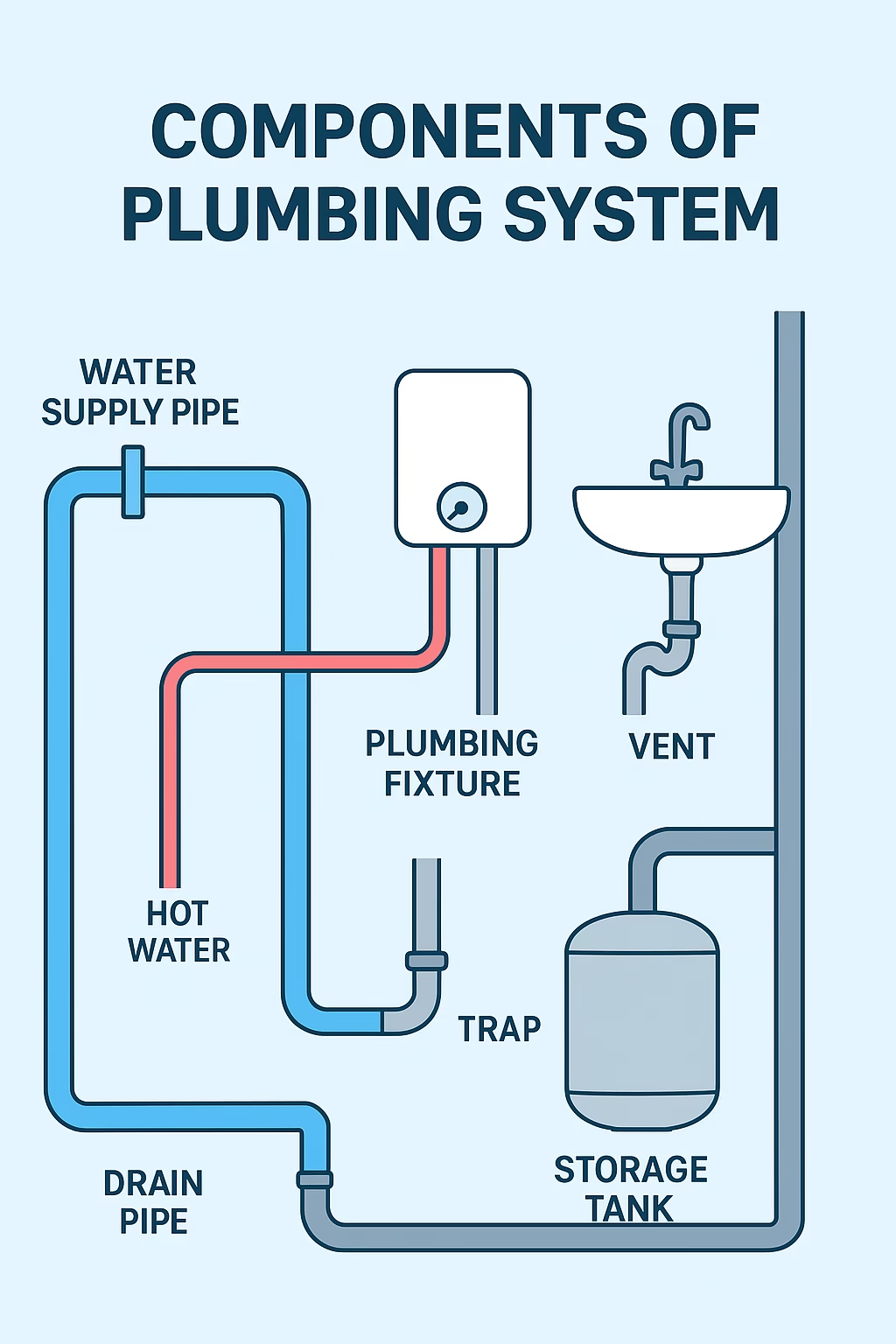
The effectiveness of a plumbing system relies on the seamless interaction of its components. Water enters through the main supply line, gets distributed by pipes and fixtures, and wastewater exits through the drainage system. Valves, traps, vents, and pumps support efficiency, while tanks and heaters provide comfort and reliability.
Importance of Proper Plumbing Design
A well-designed plumbing system ensures:
- Safe and clean water supply.
- Efficient wastewater disposal.
- Energy and water conservation.
- Durability and cost-effectiveness.
- Compliance with health and safety regulations.
Poor plumbing design can result in leaks, blockages, contamination, and high maintenance costs.
Maintenance Tips for Plumbing Systems
To extend the lifespan of plumbing systems:
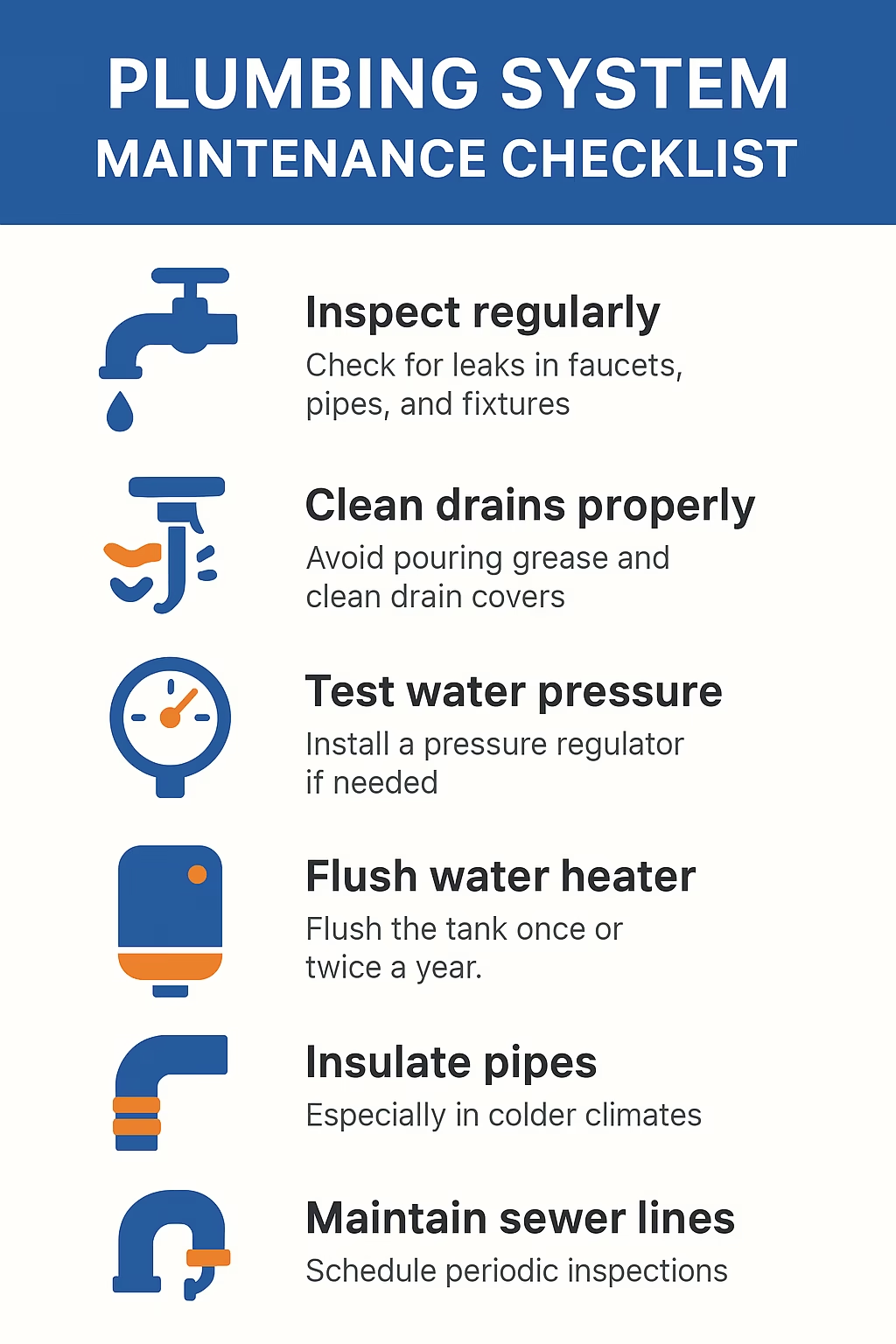
- Inspect pipes regularly for leaks and corrosion.
- Clean traps and drains to prevent clogs.
- Test water pressure to avoid pipe damage.
- Service water heaters annually.
- Use water-efficient fixtures to save costs.
- Hire professional plumbers for major repairs.
Conclusion of Components of Plumbing System
The components of a plumbing system are the foundation of modern living. From pipes and fixtures to valves, drains, and pumps, each part plays a crucial role in delivering clean water and removing waste safely. Understanding these components helps homeowners, builders, and engineers design, maintain, and optimize plumbing systems for long-term efficiency and comfort.
By investing in quality materials, proper design, and regular maintenance, any building can enjoy a reliable plumbing system that supports health, safety, and sustainability.