
Plumbing system maintenance are one of the most essential infrastructures in any building, whether residential, commercial, or industrial. They ensure the delivery of clean water and the safe disposal of wastewater, making them vital for health, hygiene, and comfort. However, like any other system, plumbing requires regular maintenance to remain efficient, prevent costly breakdowns, and extend its lifespan.
In this article, we will explore the importance of plumbing system maintenance, common issues to watch for, preventive care strategies, and professional recommendations to keep your plumbing in top shape.
Why Plumbing System Maintenance Matters
Plumbing maintenance is often overlooked until problems arise, such as leaks, clogs, or water heater failures. By implementing routine inspections and upkeep, homeowners and facility managers can:
- Prevent Expensive Repairs – Minor issues like small leaks or slow drains can escalate into major water damage or pipe bursts if ignored.
- Increase System Efficiency – Well-maintained plumbing reduces water waste and energy consumption, leading to lower utility bills.
- Extend Lifespan of Fixtures – Regular cleaning and inspection of faucets, water heaters, and pipes ensure they last longer.
- Protect Health and Safety – A well-maintained system prevents contamination of water supply and eliminates risks of mold growth from hidden leaks.
Common Plumbing Problems That Require Maintenance
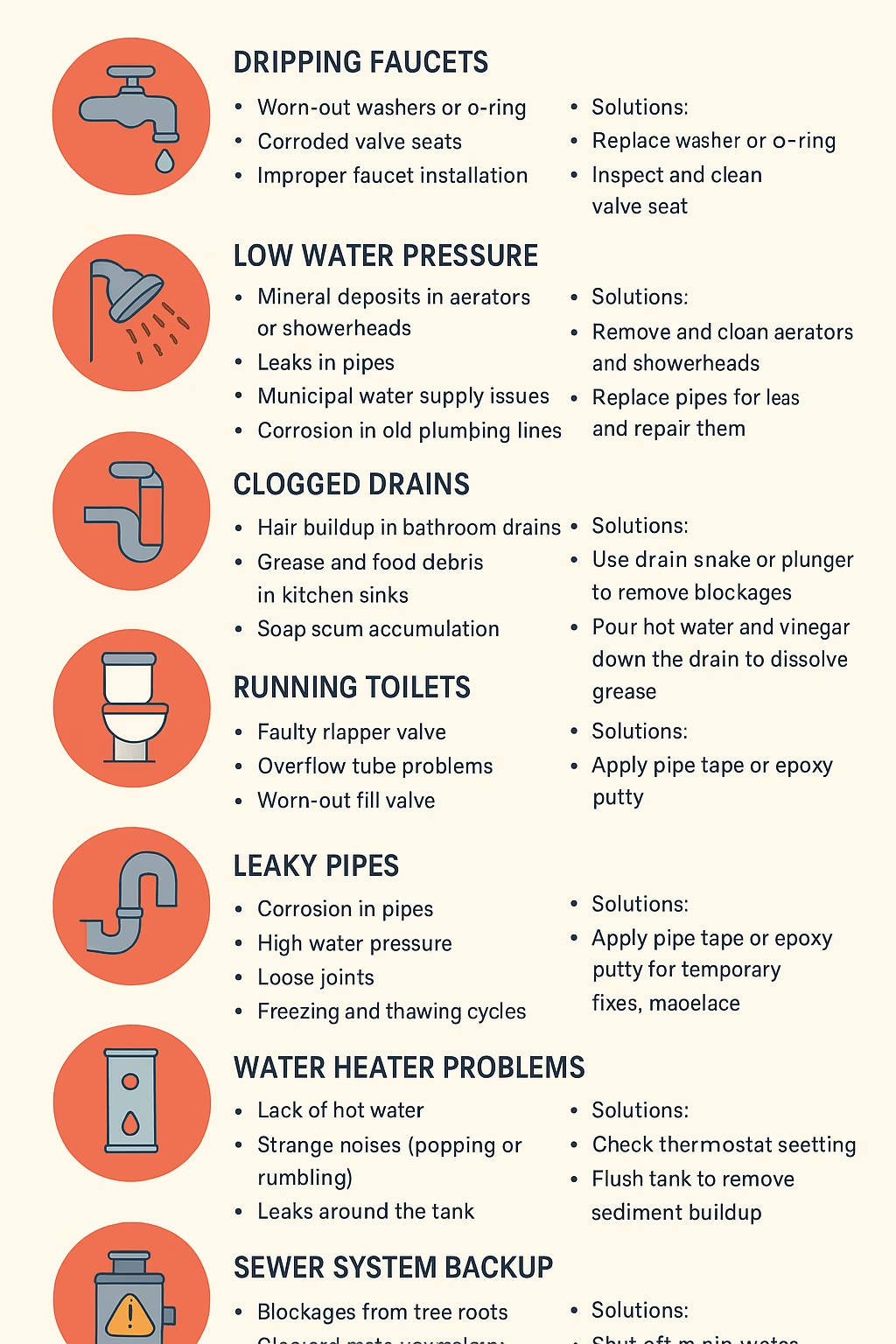
Even with high-quality installation, plumbing systems are susceptible to wear and tear. Below are some common issues that highlight the importance of maintenance:
- Leaky Faucets and Pipes – Continuous dripping wastes water and increases utility costs.
- Clogged Drains – Build-up of grease, soap scum, and debris can slow down or block water flow.
- Running Toilets – Faulty toilet mechanisms can waste gallons of water daily.
- Low Water Pressure – Often caused by sediment buildup in pipes or leaks within the system.
- Water Heater Issues – Sediment accumulation in tanks can reduce efficiency and heating capacity.
- Sewer System Backups – Blockages in sewer lines can cause foul odors and unsanitary conditions.
Preventive Tips for Plumbing System Maintenance
Regular preventive care is key to avoiding costly repairs. Here are some practical steps for maintaining plumbing systems:
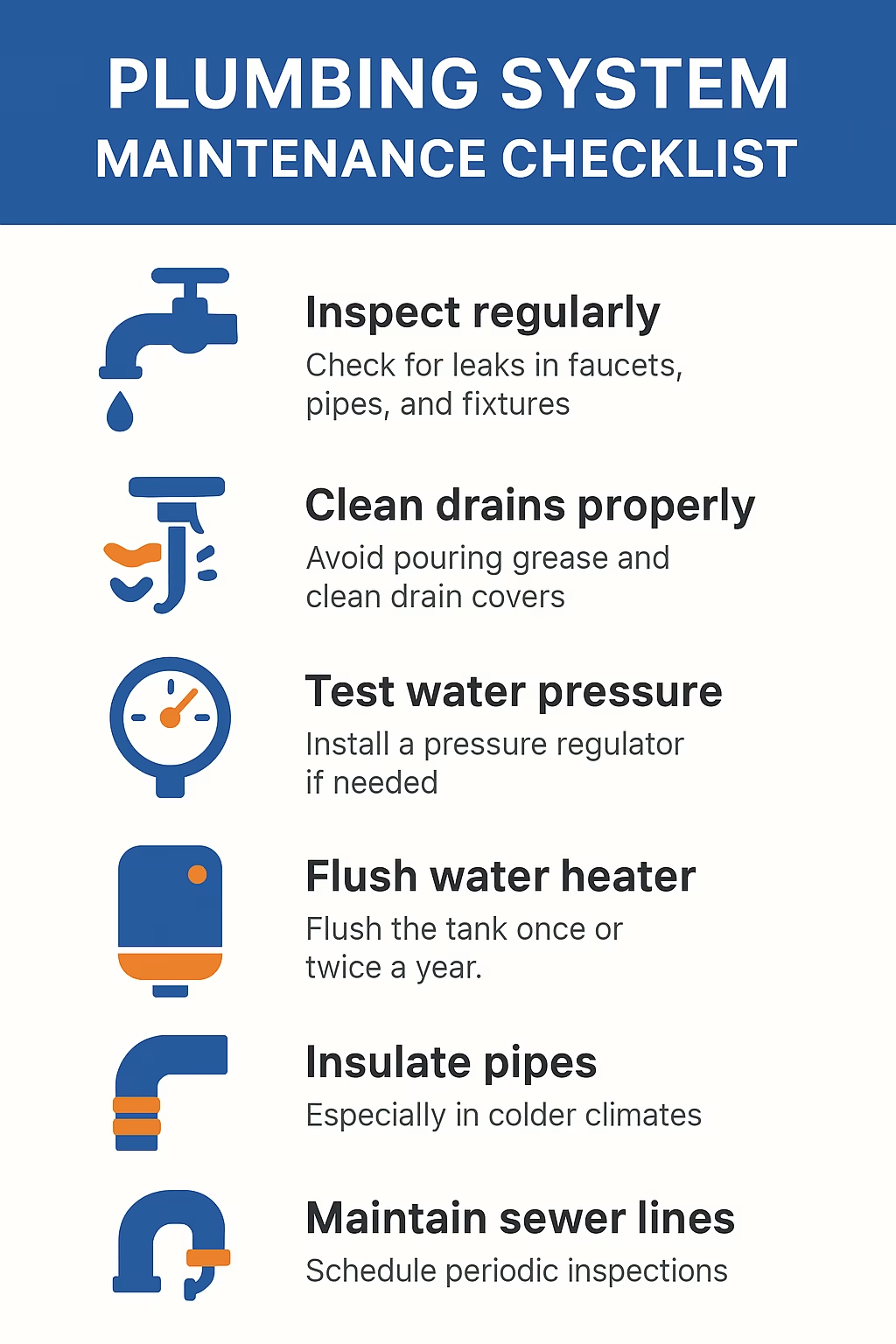
1. Inspect Regularly
Check faucets, visible pipes, and water-using appliances for leaks or signs of corrosion. Early detection saves both water and money.
2. Clean Drains Properly
Avoid pouring grease or oil down drains. Use drain covers to catch hair and debris in bathroom sinks and showers.
3. Test Water Pressure
Excessively high water pressure can damage pipes and fixtures. Install a pressure regulator if needed to maintain optimal levels.
4. Flush Water Heaters
Sediment build-up reduces efficiency and can cause heating element failures. Flushing the tank once or twice a year prevents this problem.
5. Insulate Pipes
Especially in colder climates, insulation prevents frozen pipes that could burst and cause major water damage.
6. Use Water Softening Systems
In areas with hard water, installing a water softener reduces mineral deposits that clog pipes and damage appliances.
7. Maintain Sewer Lines
Schedule periodic inspections of sewer systems to avoid backups and unpleasant surprises.
DIY Maintenance vs. Professional Plumbing Services
Some maintenance tasks, such as cleaning drains or checking faucets for leaks, can be done by homeowners. However, certain jobs require the expertise of professional plumbers:
- Pipe Repairs and Replacements – Cutting, sealing, or replacing pipes requires skill and proper tools.
- Water Heater Servicing – Complex electrical or gas systems should be handled by certified professionals.
- Sewer Line Cleaning – Specialized equipment is needed to clear blockages safely.
- System Inspections – Professionals can detect hidden issues using advanced diagnostic tools.
Hiring a licensed plumber for annual inspections ensures that your system is in compliance with local codes and functions at peak efficiency.
Signs That Indicate Immediate Plumbing Attention
While regular maintenance reduces the risk of emergencies, certain signs should never be ignored:
- Sudden spikes in water bills
- Persistent damp spots on walls, ceilings, or floors
- Strange noises from pipes or water heaters
- Discolored or foul-smelling water
- Slow drainage across multiple fixtures
These symptoms often signal hidden leaks, pipe damage, or contamination, all of which require prompt professional intervention.
The Role of Modern Technology in Plumbing System Maintenance
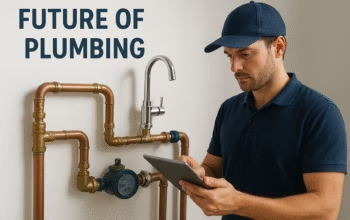
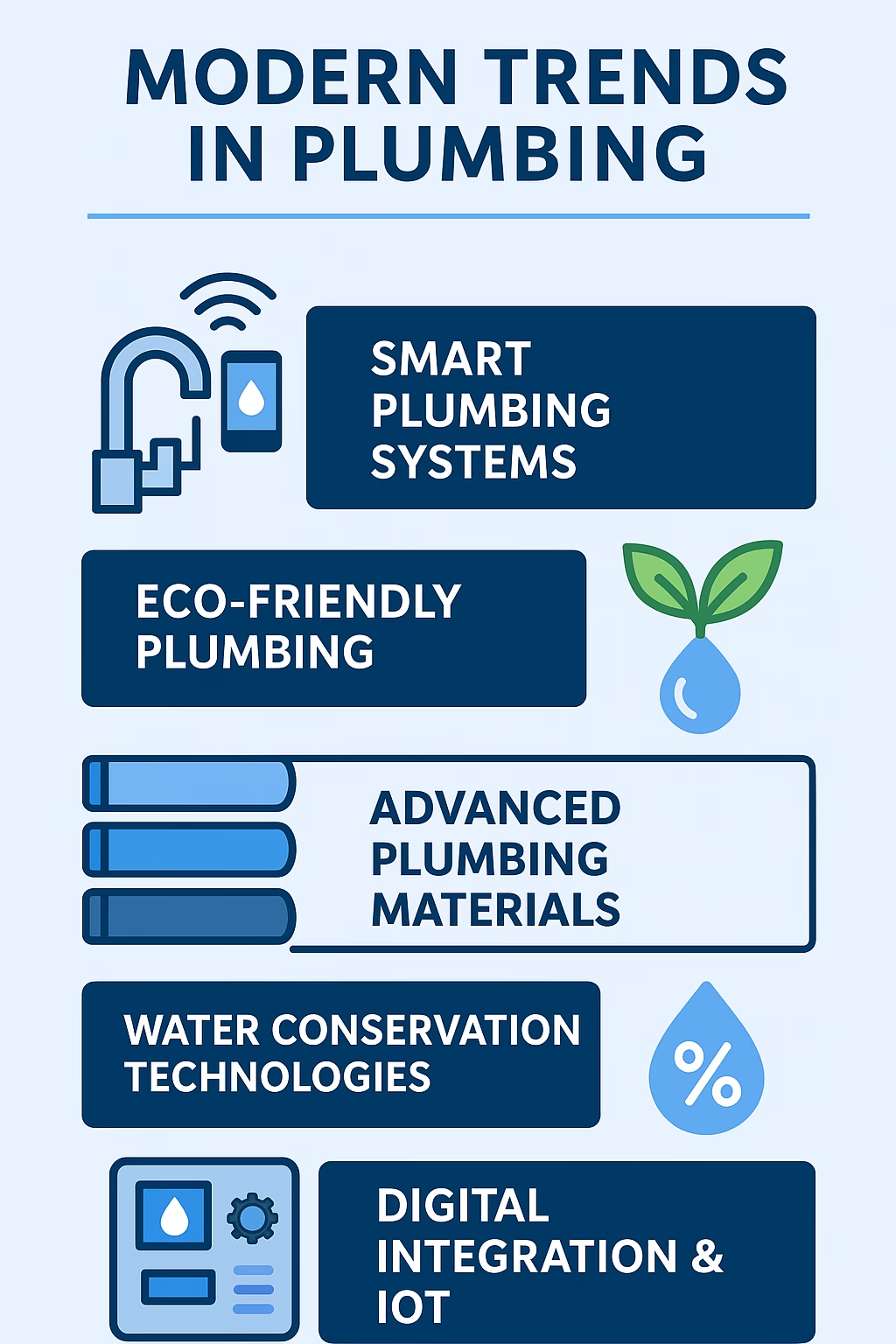
Today’s plumbing industry benefits from advanced technology that makes maintenance more efficient and accurate. Examples include:
- Video Pipe Inspection – Small cameras inserted into pipes allow plumbers to locate blockages and cracks without excavation.
- Leak Detection Devices – Smart sensors can alert homeowners to leaks before they cause damage.
- Smart Water Heaters – Equipped with monitoring systems, these devices provide real-time updates on performance and efficiency.
- Water Filtration Systems – Modern units not only purify water but also alert users when maintenance is needed.
By integrating technology, plumbing maintenance becomes proactive rather than reactive.
Environmental Benefits of Proper Plumbing System Maintenance
In addition to cost savings and system longevity, maintaining plumbing systems supports sustainability. Efficient systems reduce water waste, minimize energy use, and prevent pollution from untreated wastewater. With global concerns about water scarcity, every homeowner and business has a role to play in conserving resources through proper plumbing care.
Conclusion of Plumbing System Maintenance
Maintenance of plumbing systems is not just about preventing inconvenient leaks or clogs—it is about ensuring long-term functionality, reducing expenses, and protecting both health and the environment. By combining regular inspections, preventive strategies, and professional services, homeowners and facility managers can enjoy reliable plumbing performance for years to come.
Plumbing systems are the hidden backbone of modern living. Treating them with the care they deserve guarantees peace of mind, efficiency, and sustainability.