Introduction: Definition of Plumbing
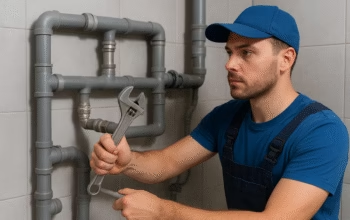
Definition of Plumbing ~ Plumbing is one of the most fundamental systems in modern civilization, often overlooked until problems arise. It encompasses the installation, repair, and maintenance of systems that deliver clean water, remove waste, and ensure proper sanitation in both residential and industrial settings. Without plumbing, daily activities like drinking, bathing, cooking, and cleaning would be nearly impossible.
This article explores the definition of plumbing, its historical development, main functions, types of systems, modern technologies, and its critical role in health, safety, and industry.
What is Plumbing?
In its simplest definition, plumbing is the system of pipes, fixtures, and equipment used for the distribution of potable water and the removal of wastewater. It includes everything from water supply lines and drainage systems to heating, cooling, and even industrial applications.
The word “plumbing” originates from the Latin word plumbum, meaning lead, since early pipes were made from lead materials. Today, modern plumbing uses advanced materials like PVC, copper, stainless steel, and PEX for durability and efficiency.
A Brief History of Plumbing
Plumbing is not a modern invention; it dates back thousands of years:
- Ancient Civilizations – The Indus Valley Civilization (around 2600 BCE) had the earliest known urban sanitation systems, including indoor toilets and drainage. Ancient Romans also pioneered aqueducts and lead pipes.
- Middle Ages – Plumbing systems became limited, often restricted to castles and wealthy estates. Public sanitation was poor, leading to widespread disease.
- 19th and 20th Century – The Industrial Revolution transformed plumbing, with mass production of pipes and fittings making systems more accessible. Municipal water and sewage systems became widespread in developed cities.
- Modern Plumbing – Today’s plumbing is highly regulated, focusing on efficiency, sustainability, and safety with the integration of smart technology and eco-friendly systems.
Core Functions of Plumbing
Plumbing systems serve several essential functions:
- Water Supply – Delivering clean and safe drinking water to homes, businesses, and industries.
- Waste Removal – Safely removing wastewater and sewage to protect human health.
- Heating and Cooling – Supporting systems like boilers, water heaters, and HVAC equipment.
- Irrigation – Providing water distribution for agriculture and landscaping.
- Fire Protection – Enabling fire sprinkler systems and hydrants for safety.
Types of Plumbing Systems
Plumbing is divided into various systems, each serving a different purpose:
- Potable Water Supply System
- Brings clean water into buildings through pipes and pumps.
- Includes fixtures like faucets, showers, and water heaters.
- Drainage and Sewage System
- Removes wastewater and sewage safely.
- Involves drainage pipes, septic tanks, and municipal sewers.
- Stormwater Drainage System
- Collects and diverts rainwater to prevent flooding.
- Often connected to gutters, drains, and underground pipes.
- Gas Plumbing System
- Distributes natural gas for cooking, heating, and industrial use.
- Industrial Plumbing
- Specialized systems for factories, refineries, and power plants.
- Includes high-pressure pipes, chemical-resistant materials, and steam boilers.

Modern Plumbing Materials
Early plumbing relied on clay and lead pipes, but today’s materials offer safety and efficiency:
- PVC (Polyvinyl Chloride) – Lightweight, affordable, corrosion-resistant.
- Copper – Durable, antimicrobial, ideal for drinking water.
- PEX (Cross-linked Polyethylene) – Flexible, cost-effective, easy to install.
- Stainless Steel – Strong, corrosion-resistant, used in industrial applications.
- Brass – Long-lasting and resistant to rust, often used for fittings.
The Importance of Plumbing
Plumbing plays a vital role in modern society:
- Health and Sanitation – Prevents waterborne diseases by providing clean water and removing waste.
- Convenience – Supports modern living by enabling showers, toilets, and kitchen systems.
- Industrial Growth – Facilitates operations in energy plants, refineries, and manufacturing facilities.
- Environmental Sustainability – Advances in plumbing promote water conservation and energy efficiency.
Plumbing in Industrial Applications
Beyond homes, plumbing is critical in industries:
- Steam Boilers – Rely on plumbing for water supply, steam generation, and condensate return.
- Chemical Plants – Require corrosion-resistant piping for hazardous substances.
- Food and Beverage Industry – Uses hygienic piping for processing and sanitation.
- Power Generation – Depends on high-pressure piping for cooling and heating systems.
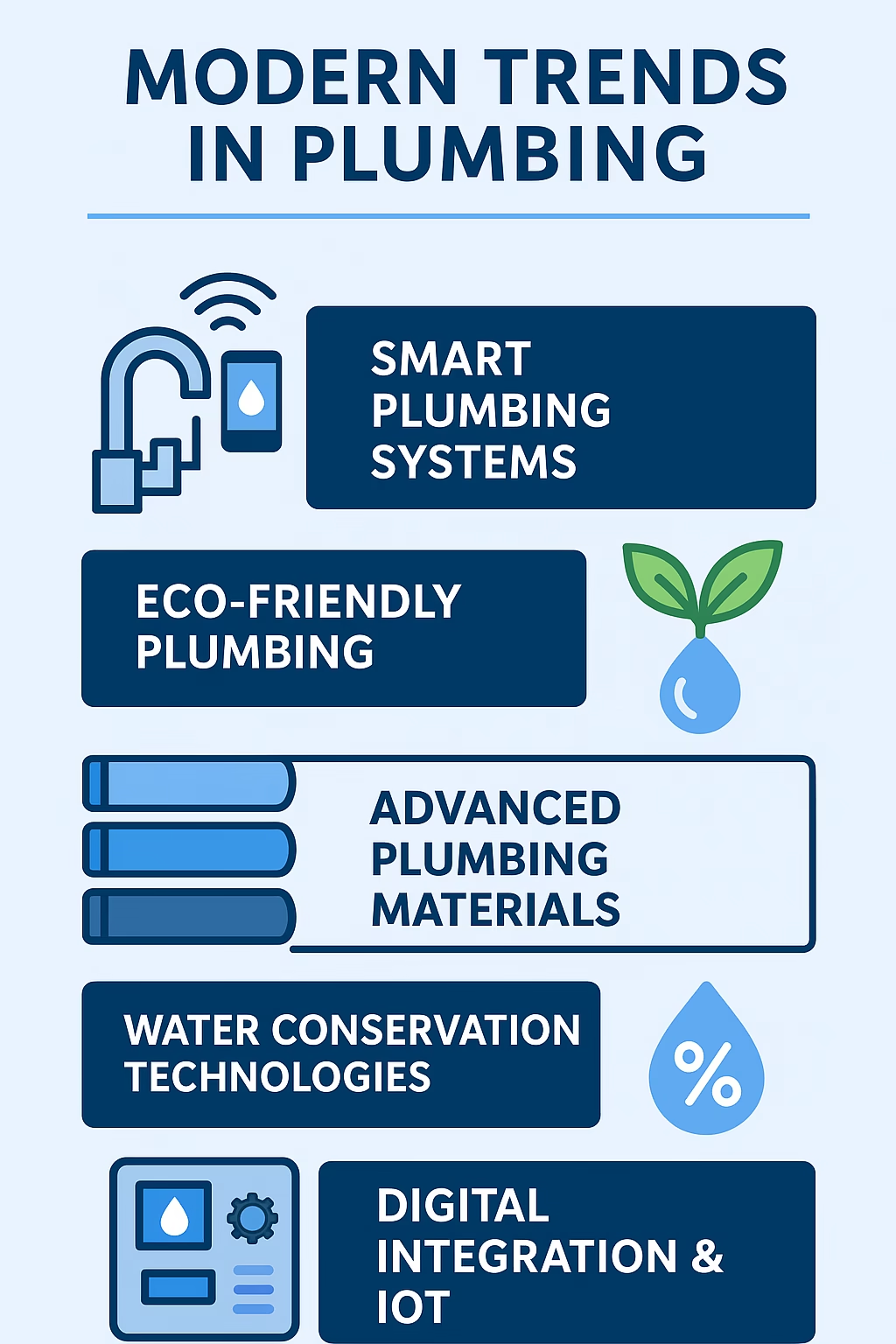
Modern Trends in Plumbing
The plumbing industry is evolving with technology and sustainability:
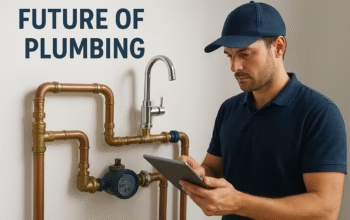
- Smart Plumbing Systems – IoT-enabled leak detection and water monitoring.
- Eco-Friendly Fixtures – Low-flow toilets, faucets, and water-saving showers.
- Greywater Recycling – Reusing water from sinks and showers for irrigation.
- Solar Water Heating – Reducing energy costs with renewable heating solutions.
Challenges in Plumbing
Despite advancements, plumbing faces challenges such as:
- Aging infrastructure in many cities.
- High installation and maintenance costs.
- Water scarcity and demand for sustainable solutions.
- Skilled labor shortages in the plumbing profession.
Conclusion of Definition of Plumbing
The definition of plumbing goes far beyond just pipes and fixtures. It is the backbone of sanitation, health, and industrial development. From ancient civilizations to modern smart systems, plumbing continues to evolve, ensuring reliable water distribution, waste management, and environmental sustainability.
Understanding plumbing is not only essential for homeowners and builders but also for industries and policymakers who rely on efficient water and sanitation systems for progress.