In today’s modern world, computers are at the heart of nearly everything we do. From smartphones in our pockets to massive data centers powering the internet, computers have transformed how we live, work, and communicate. But what exactly is a computer, and how did this groundbreaking invention evolve to become one of the most crucial tools in human history? This article explores the history, types, and importance of computers in the digital age.
What is a Computer?
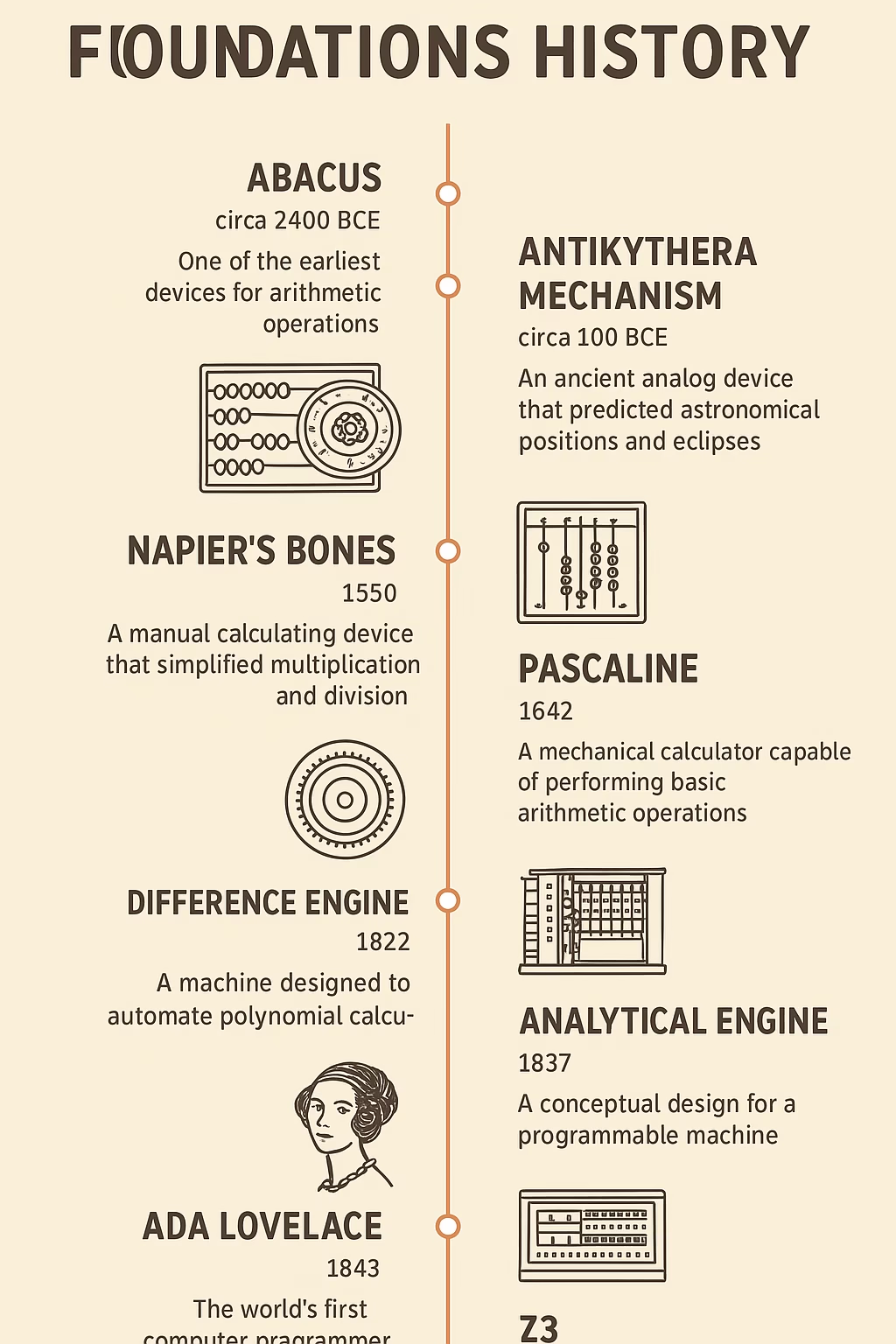
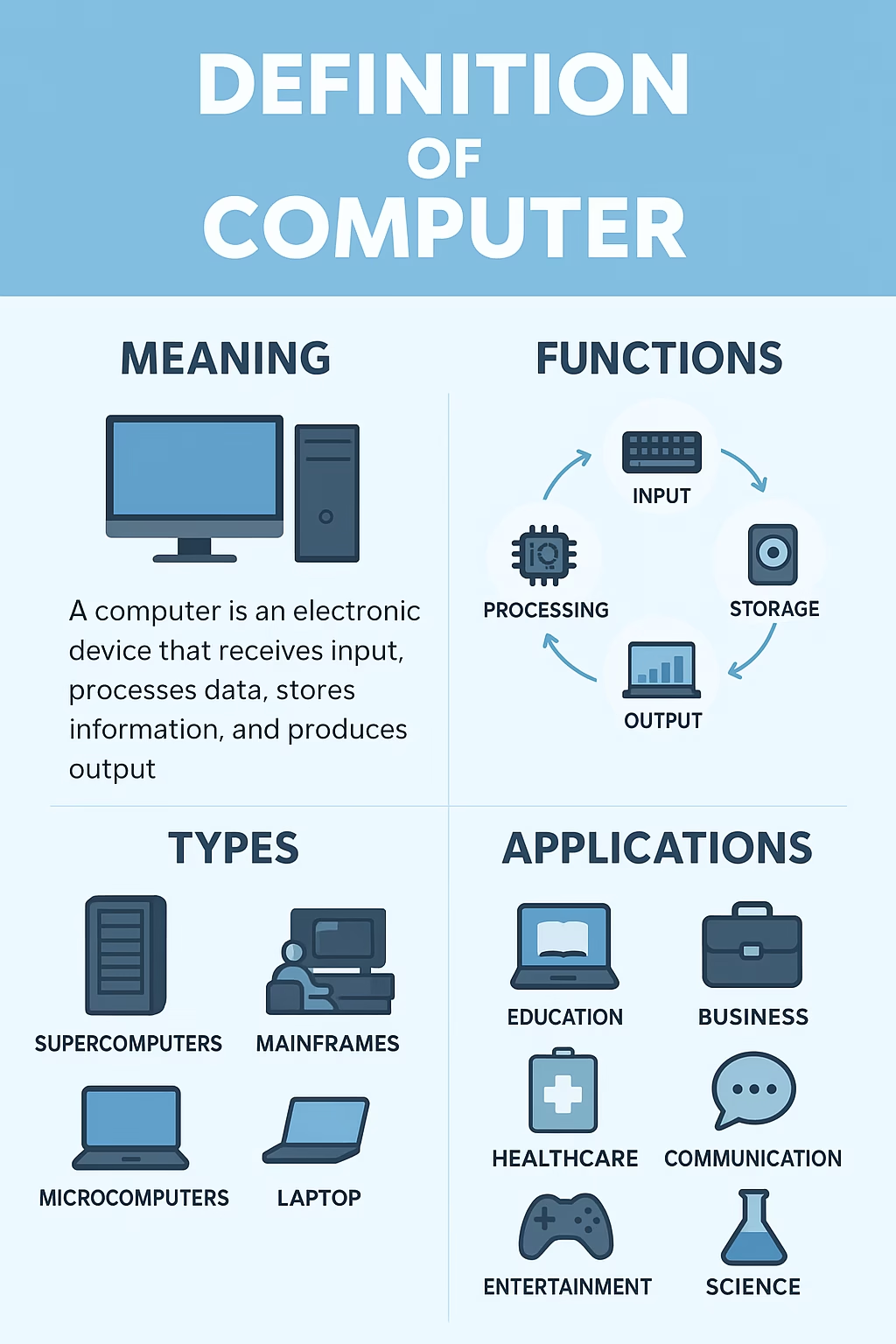
A computer is an electronic device that processes data according to a set of instructions called programs. It can perform calculations, store information, analyze data, and automate complex tasks in milliseconds. While the concept of computation has existed for centuries—think of the abacus or mechanical calculators—the modern digital computer as we know it began to take shape in the mid-20th century.
Read More: What is a Computer? A Comprehensive Guide to Understanding Modern Computing
A Brief History of Computers
The history of computers can be divided into several key generations:
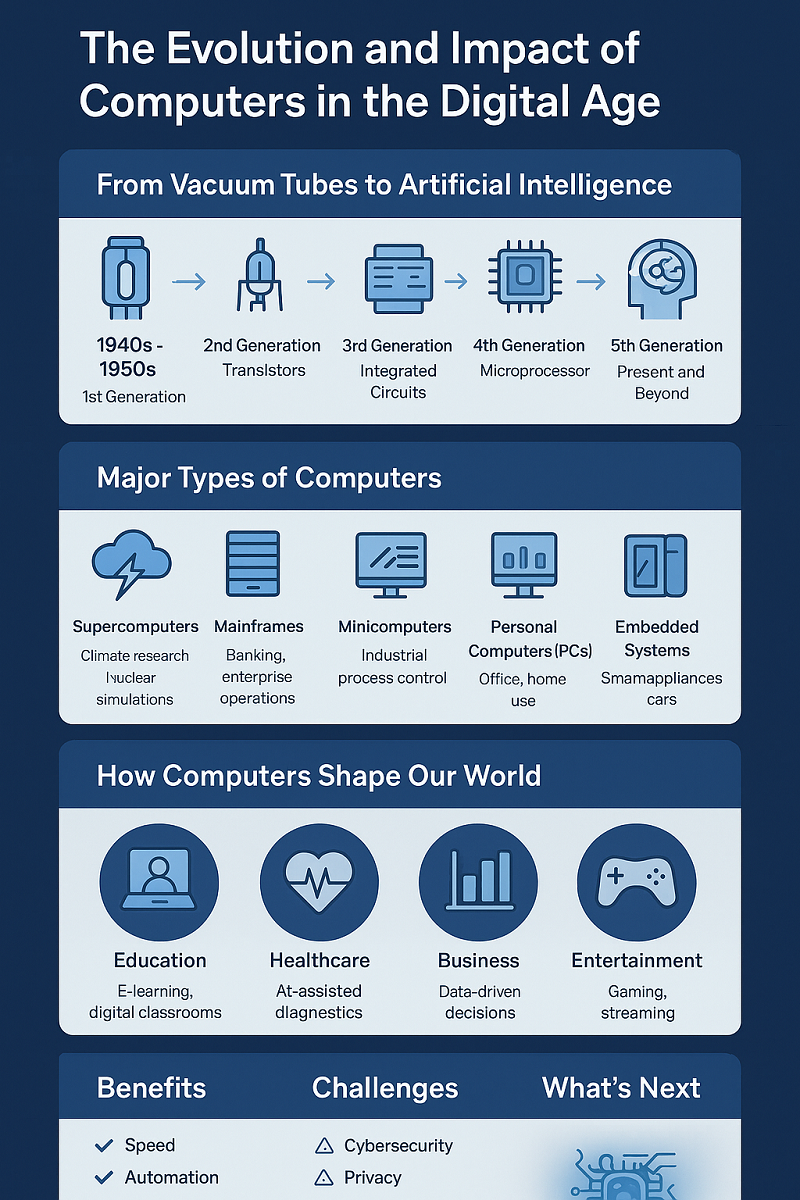
1. First Generation (1940s – 1950s)
The earliest computers used vacuum tubes for circuitry and magnetic drums for memory. They were enormous machines that consumed massive amounts of power. Examples include the ENIAC and UNIVAC.
2. Second Generation (1950s – 1960s)
The invention of transistors revolutionized computing. These smaller, more reliable components replaced vacuum tubes, making computers faster, cheaper, and more efficient.
3. Third Generation (1960s – 1970s)
Integrated Circuits (ICs) marked this era. Computers became smaller, more powerful, and accessible to businesses, setting the stage for widespread adoption.
4. Fourth Generation (1970s – Present)
The development of microprocessors brought about personal computers (PCs). Companies like Apple, IBM, and Microsoft shaped this era, introducing devices for home and office use.
5. Fifth Generation (Present and Beyond)
Modern computers leverage artificial intelligence (AI), machine learning, and quantum computing. These technologies promise to redefine what computers can achieve in the future.
Read More: A Brief History of Computers: From Mechanical Devices to Modern Technology
Types of Computers
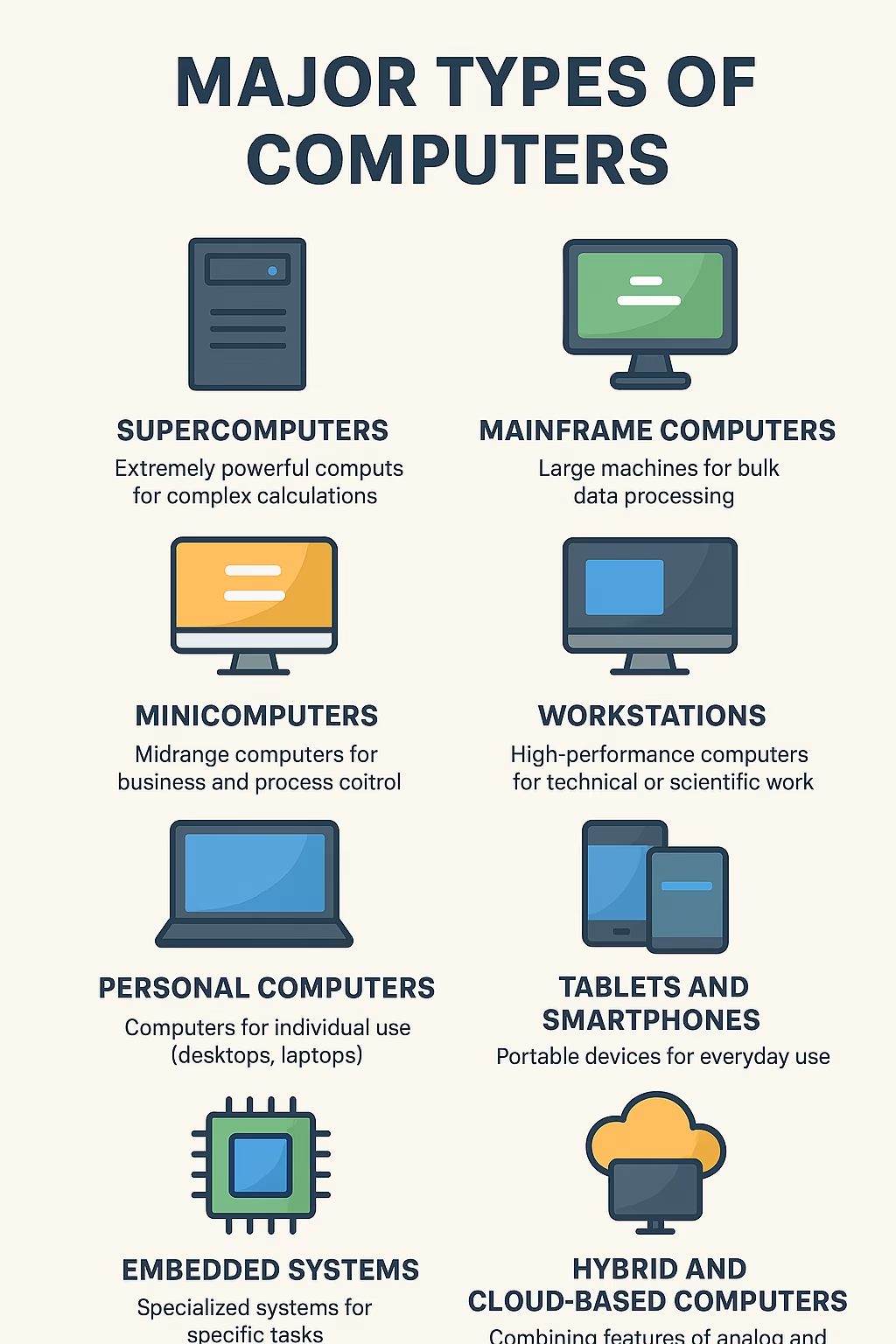
Computers come in various forms, each designed for specific tasks:
- Supercomputers: Extremely powerful machines used for complex simulations, weather forecasting, and scientific research.
- Mainframes: Large systems that handle massive amounts of data for enterprises, banks, and government agencies.
- Minicomputers (Midrange Computers): Used in manufacturing and research environments for specific processes.
- Personal Computers (PCs): Desktops and laptops used by individuals for everyday tasks like browsing, gaming, and office work.
- Mobile Devices: Smartphones and tablets that offer computing power in a portable form.
- Embedded Systems: Computers built into appliances, cars, and industrial machines to control specific functions.
Read More: Types of Computers: A Complete Guide to Classifications and Functions
The Role of Computers in Modern Life
Today, computers are indispensable in every sector:
- Education: Online learning platforms, virtual classrooms, and e-libraries rely on computer technology.
- Healthcare: Computers assist in diagnostics, patient data management, and medical research.
- Business: From small enterprises to global corporations, computers drive productivity, data analysis, and communication.
- Entertainment: Video games, streaming services, and digital media owe their existence to powerful computing systems.
- Science and Innovation: Artificial intelligence, robotics, and space exploration depend on advanced computing power.
Read More: The Role of Computers in Modern Life: Transforming Society and Daily Living
Benefits of Computers
- Speed and Efficiency: Computers process information faster than humans ever could.
- Automation: They automate repetitive tasks, saving time and reducing human error.
- Connectivity: Computers link people across the globe, enabling instant communication.
- Data Management: They store and organize vast amounts of information securely.
Read More: The Benefits of Computers: Transforming Modern Life and Work
Challenges and Future of Computers
While computers offer numerous advantages, they also present challenges such as cybersecurity threats, data privacy concerns, and the ethical implications of AI. Looking ahead, advancements like quantum computing, AI integration, and edge computing will continue to reshape industries and daily life.
Read More: Challenges and Future of Computers
Conclusion
Computers are more than just machines; they are the backbone of modern civilization. From their humble beginnings as room-sized devices to today’s powerful, portable systems, computers have transformed every aspect of human existence. Understanding their history, types, and roles helps us appreciate their significance and prepare for the technological future ahead.