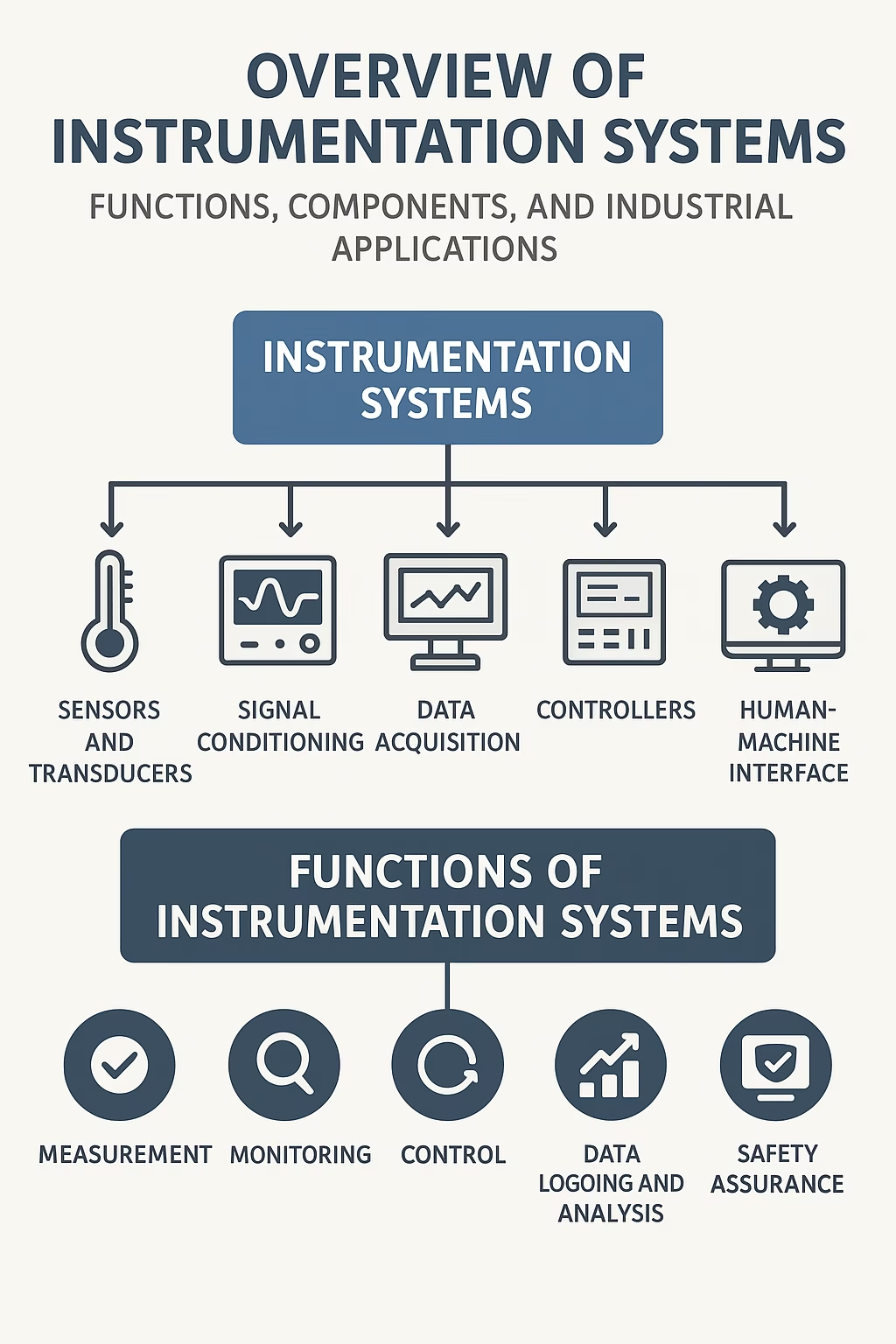
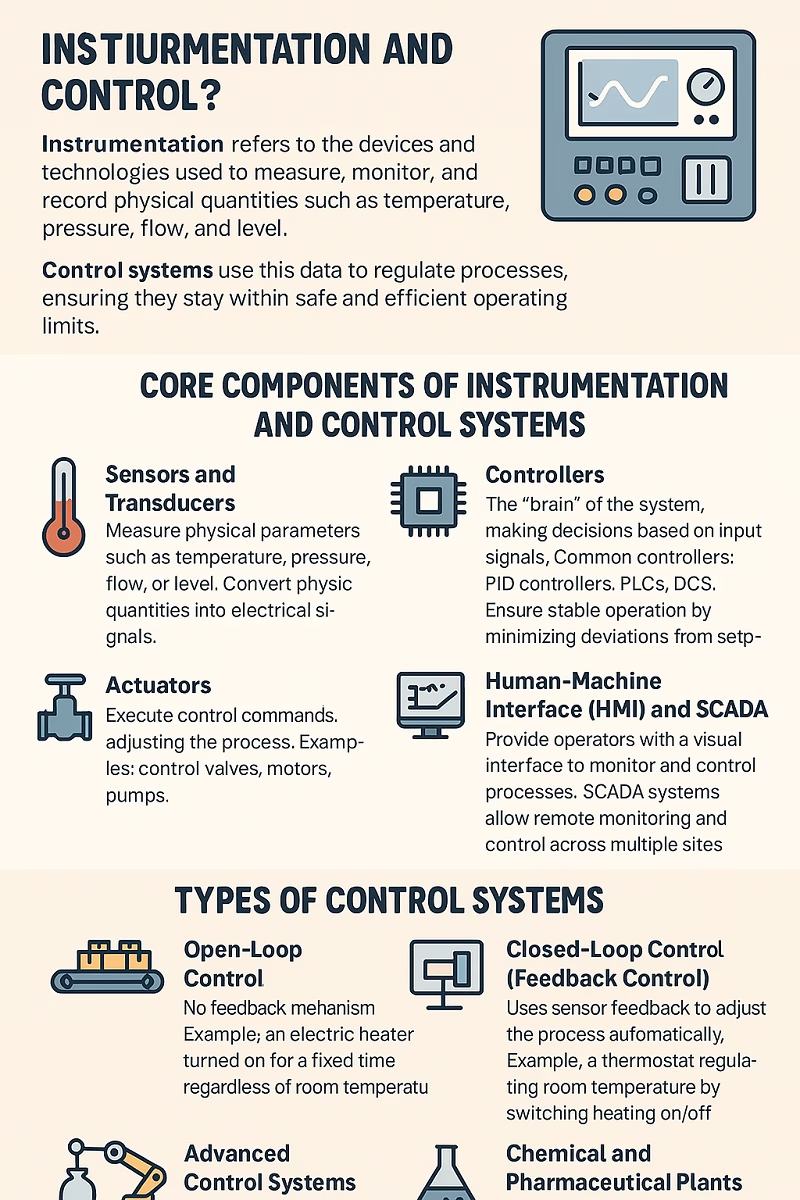
Maintenance in Instrumentation ~ In industrial environments, instrumentation plays a critical role in monitoring, controlling, and optimizing processes. These devices—ranging from pressure sensors to flow meters—are essential for ensuring accuracy, safety, and efficiency. However, like any piece of equipment, instrumentation requires regular maintenance to function correctly. Neglecting this can lead to measurement errors, process inefficiencies, safety hazards, and costly downtime.
This article explores the concept of maintenance in instrumentation, its importance, the types of maintenance strategies, and best practices to keep your systems running smoothly.
1. What is Maintenance in Instrumentation?
Maintenance in instrumentation refers to the set of activities aimed at keeping measuring and control devices in optimal working condition. This includes inspection, cleaning, calibration, adjustment, repair, and replacement of parts as needed.
The goal is simple: ensure that the instruments provide accurate, reliable, and consistent measurements over time.
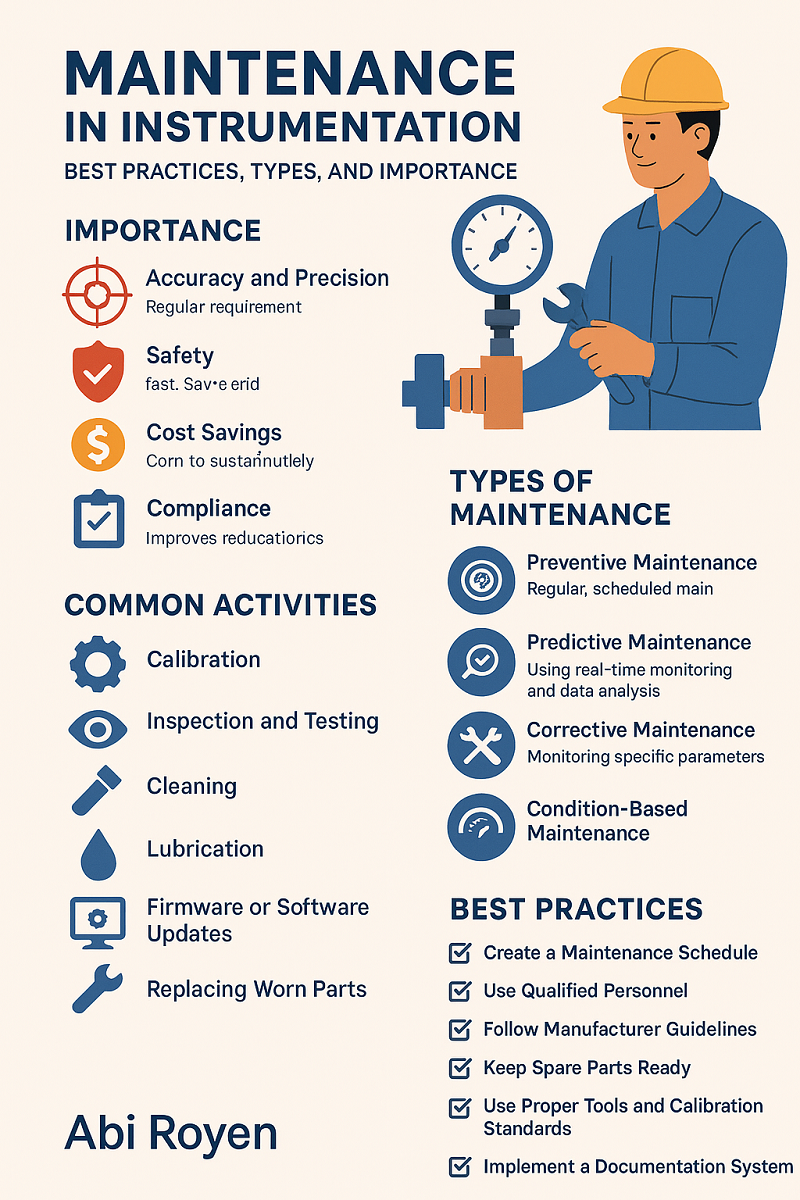
2. Why is Essential Maintenance in Instrumentation
Industrial instruments often operate under harsh conditions—high temperatures, pressure, vibration, or exposure to corrosive materials. Over time, these factors can degrade performance. Here are the key reasons why maintenance is crucial:
- Accuracy and Precision
Regular maintenance ensures instruments measure correctly, avoiding errors that can affect product quality. - Safety
Faulty instruments can lead to unsafe operating conditions, potentially causing accidents or equipment damage. - Cost Savings
Preventive maintenance reduces the likelihood of major breakdowns, minimizing repair costs and production losses. - Compliance
Many industries require accurate records and instrument calibration to meet safety and quality regulations. - Extended Equipment Life
Proper maintenance can significantly increase the lifespan of your instruments.
3. Types of Maintenance in Instrumentation
There are several maintenance strategies used in industrial instrumentation. Choosing the right one depends on the criticality of the equipment, operating conditions, and budget.
3.1 Preventive Maintenance (PM)
Preventive maintenance is carried out at regular intervals regardless of the instrument’s current condition. It includes cleaning, lubricating, calibrating, and replacing worn parts before they fail.
Example: Recalibrating a pressure transmitter every six months, even if it appears to work fine.
Advantages:
- Reduces unexpected failures
- Improves reliability
Disadvantages:
- Can be costly if done too frequently
- May replace parts that still have usable life
3.2 Predictive Maintenance (PdM)
Predictive maintenance uses real-time monitoring and data analysis to predict when an instrument will fail. This allows for maintenance only when necessary.
Example: Using vibration analysis to detect early signs of bearing wear in a flow meter.
Advantages:
- Minimizes downtime
- Reduces unnecessary maintenance tasks
Disadvantages:
- Requires advanced monitoring equipment
- Higher initial investment
3.3 Corrective Maintenance (CM)
Corrective maintenance is performed after an instrument fails or shows signs of malfunction. This involves troubleshooting, repairing, or replacing the faulty device.
Example: Repairing a temperature sensor after it stops sending signals.
Advantages:
- No maintenance until failure occurs
- Lower short-term costs
Disadvantages:
- Can cause unplanned downtime
- May result in higher repair costs
3.4 Condition-Based Maintenance (CBM)
CBM combines preventive and predictive approaches by monitoring specific parameters (like temperature, vibration, or drift) and acting only when these exceed set thresholds.
Example: Performing maintenance on a pressure gauge when its readings deviate beyond acceptable limits.
Advantages:
- Reduces unnecessary work
- Extends component life
Disadvantages:
- Requires monitoring systems
- Needs skilled personnel for interpretation
4. Common Activities Maintenance in Instrumentation
Whether preventive, predictive, or corrective, most maintenance programs include the following activities:
- Calibration
Adjusting instruments to match a known reference standard. - Inspection and Testing
Checking for wear, corrosion, loose connections, or damage. - Cleaning
Removing dust, dirt, or chemical residue that can affect accuracy. - Lubrication
Ensuring moving parts (in mechanical instruments) operate smoothly. - Firmware or Software Updates
Keeping digital instruments up to date for improved performance and security. - Replacing Worn Parts
Changing seals, gaskets, probes, or electronic components as needed.
5. Best Practices for Maintenance in Instrumentation
To maximize the efficiency and reliability of your instrumentation, follow these best practices:
5.1 Create a Maintenance Schedule
- Maintain a logbook for each instrument.
- Schedule regular calibration and inspections.
5.2 Use Qualified Personnel
- Ensure maintenance is carried out by trained technicians familiar with the specific equipment.
5.3 Follow Manufacturer Guidelines
- Adhere to recommended service intervals and procedures.
5.4 Keep Spare Parts Ready
- Stock essential components to reduce downtime during repairs.
5.5 Use Proper Tools and Calibration Standards
- Invest in high-quality calibration equipment and ensure traceability to national/international standards.
5.6 Implement a Documentation System
- Record maintenance activities for compliance and troubleshooting.
6. Challenges in Maintenance in Instrumentation
Despite its importance, maintenance in instrumentation can face several challenges:
- Limited Budgets: Maintenance is sometimes seen as a cost rather than an investment.
- Downtime Constraints: Production schedules may not allow time for maintenance.
- Environmental Factors: Extreme conditions may accelerate wear and make maintenance difficult.
- Skill Shortages: Lack of trained personnel can impact maintenance quality.
7. Future Trends in Maintenance in Instrumentation
As technology advances, maintenance practices are evolving. Some emerging trends include:
- IoT-Enabled Monitoring: Instruments equipped with sensors can send real-time health data to maintenance teams.
- AI-Based Predictive Analytics: Artificial intelligence can detect subtle changes in performance before human operators can.
- Remote Calibration and Diagnostics: Reduces the need for on-site visits and speeds up troubleshooting.
Conclusion
Maintenance in instrumentation is not just about fixing things when they break—it’s about ensuring accuracy, reliability, and safety in industrial operations. By choosing the right maintenance strategy, following best practices, and embracing modern technology, industries can minimize downtime, reduce costs, and extend the life of their equipment.
For organizations aiming to optimize production while ensuring safety and compliance, a well-planned maintenance program for instrumentation is an investment that delivers long-term returns.