Introduction
Pressure instrumentation plays a vital role in modern industrial processes. Whether in oil and gas, manufacturing, pharmaceuticals, or water treatment, accurate pressure measurement ensures operational efficiency, safety, and compliance with industry standards. Without proper instrumentation, processes can suffer from inefficiency, safety hazards, and costly downtime.
In this article, we will explore what pressure instrumentation is, the principles behind it, the various types of pressure measurement devices, and their applications in different industries.
1. Understanding Pressure Instrumentation
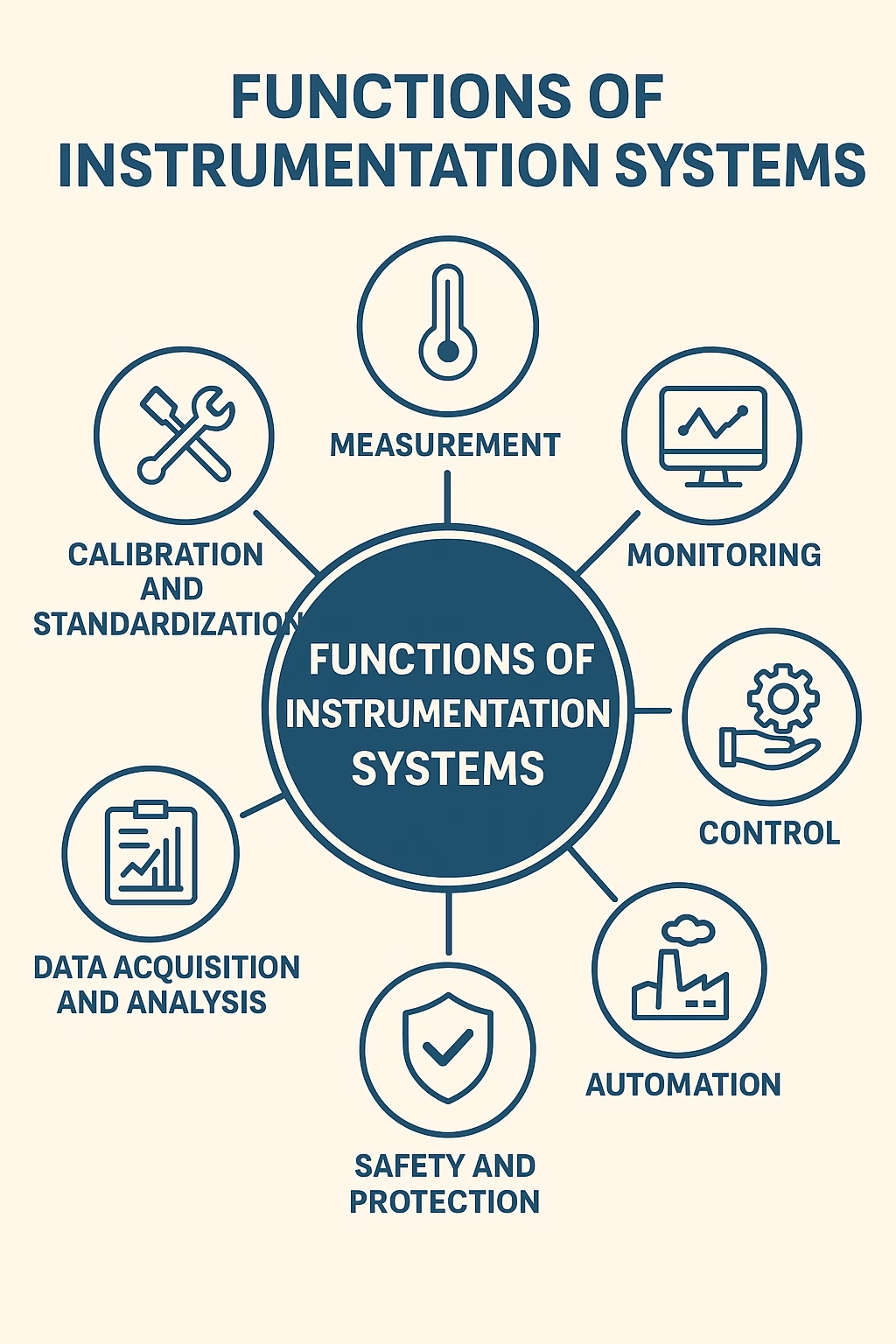
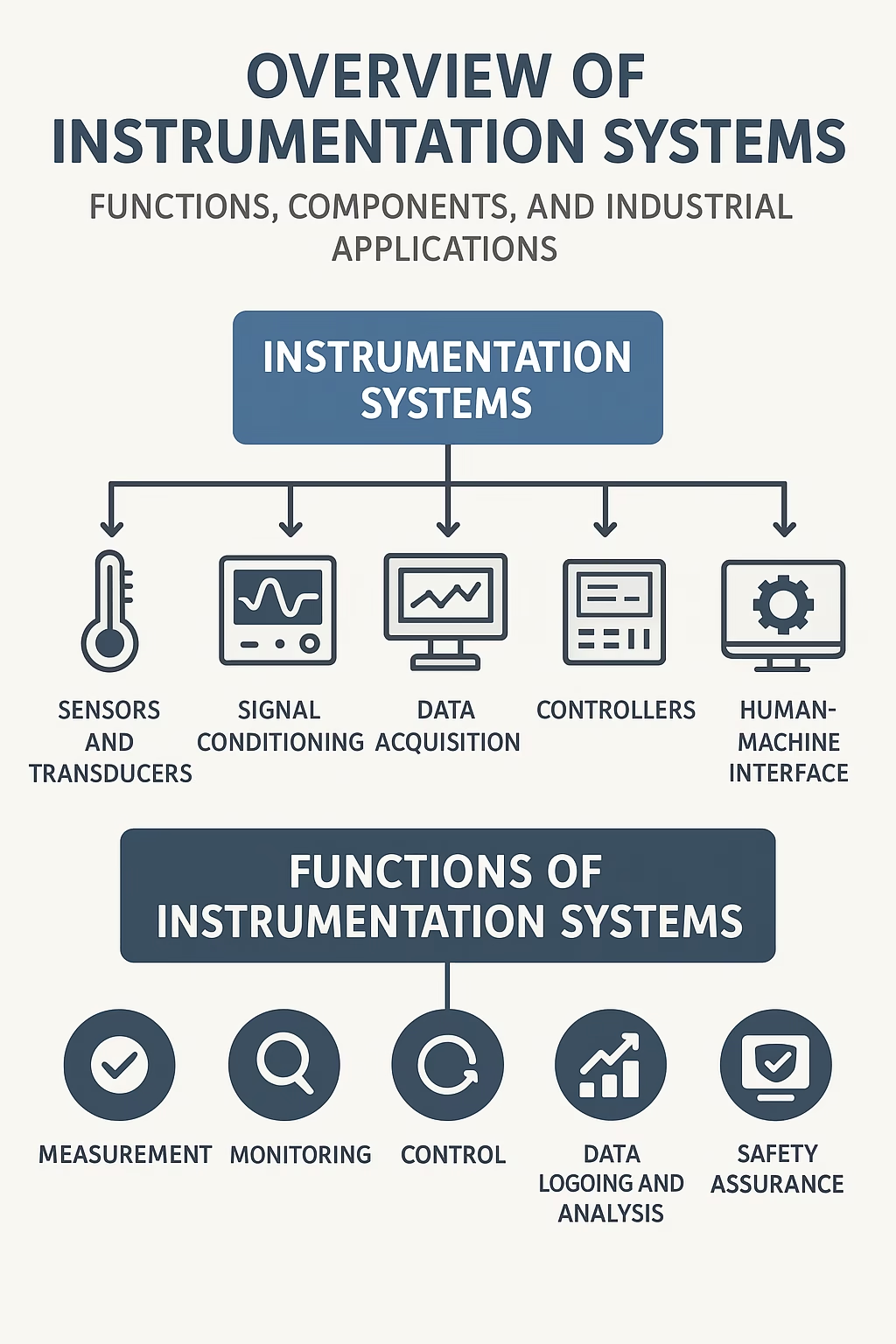
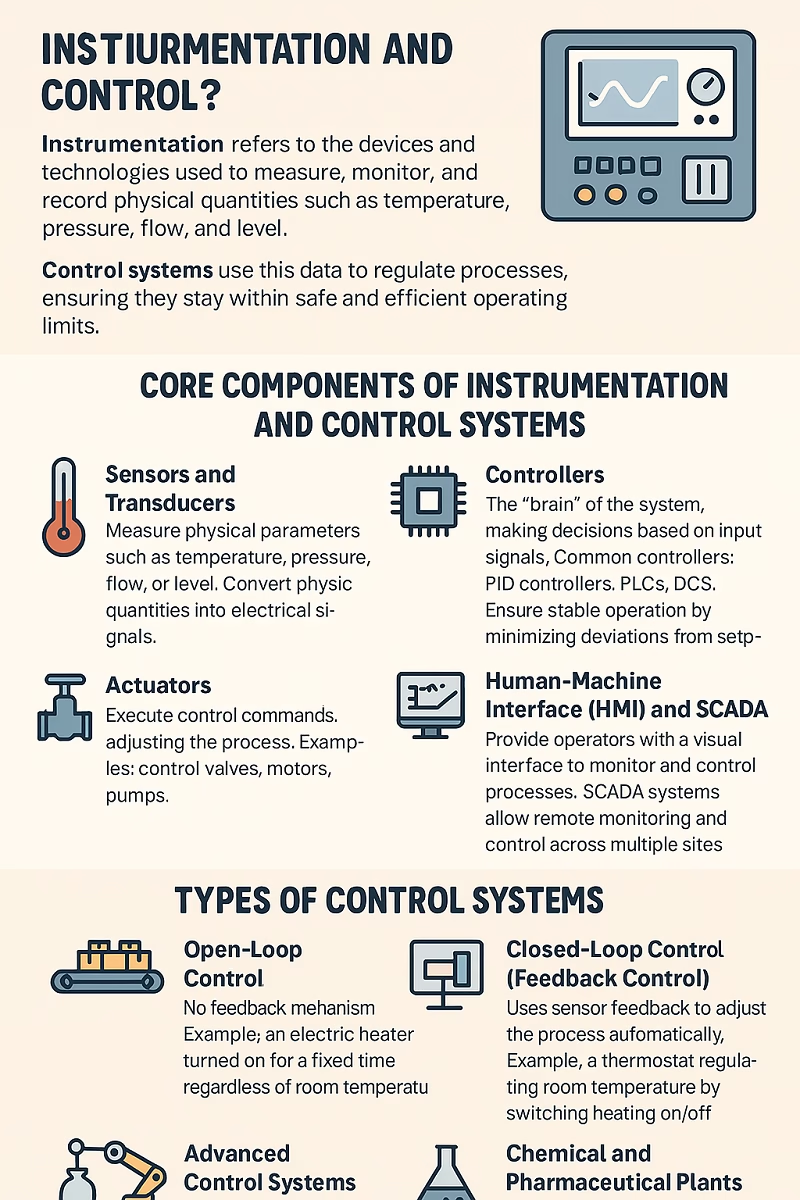
Pressure instrumentation refers to the devices and systems used to measure, monitor, and control the pressure of liquids, gases, or steam in industrial processes. The data collected from these instruments is often used for:
- Safety control – preventing overpressure conditions that can cause equipment failure.
- Process optimization – maintaining ideal pressure for maximum efficiency.
- Quality assurance – ensuring consistent product quality by controlling process variables.
- Regulatory compliance – meeting industry safety and operational standards.
Pressure instrumentation can be used locally (via mechanical gauges) or remotely (via electronic transmitters connected to a control system such as SCADA or DCS).
2. Principles of Pressure Measurement
Pressure is defined as force per unit area and is measured in units such as Pascal (Pa), bar, or psi.
The three main types of pressure measurements are:
- Gauge Pressure (PG) – Measures pressure relative to atmospheric pressure.
Example: A tire pressure gauge. - Absolute Pressure (PA) – Measures pressure relative to a perfect vacuum.
Example: Used in vacuum systems and meteorology. - Differential Pressure (PD) – Measures the difference between two pressure points.
Example: Flow measurement in pipelines using orifice plates.
The measurement principle often relies on mechanical deformation (diaphragm, Bourdon tube, bellows) or electronic sensing (strain gauges, piezoelectric sensors, capacitive sensors).
3. Common Types of Pressure Instrumentation
There are several devices used in pressure instrumentation. Here are the most common:
a. Pressure Gauges
- Function: Provide a local, visual indication of pressure.
- Types: Bourdon tube gauges, diaphragm gauges, capsule gauges.
- Advantages: Simple, reliable, no external power needed.
- Limitations: Not suitable for remote monitoring.
b. Pressure Transmitters
- Function: Convert pressure into an electrical signal for remote monitoring.
- Types: Gauge, absolute, and differential pressure transmitters.
- Applications: Process plants, oil rigs, water treatment facilities.
- Advantages: Accurate, can be integrated with automation systems.
c. Pressure Sensors / Transducers
- Function: Convert pressure into an electrical signal for measurement and control.
- Technology: Strain gauge, piezoresistive, capacitive, piezoelectric.
- Advantages: Compact, high sensitivity, suitable for automation.
d. Differential Pressure Transmitters
- Function: Measure the pressure difference between two points.
- Applications: Flow measurement, filter monitoring, tank level measurement.
e. Manometers
- Function: Simple device using liquid columns to measure pressure.
- Advantages: Very accurate for calibration purposes.
- Limitations: Not suitable for high-pressure applications.
4. How Pressure Instrumentation Works
The operation depends on the sensing mechanism:
- Mechanical Systems – Use elastic elements like diaphragms or Bourdon tubes that deform under pressure. The deformation moves a pointer on a scale or a sensor.
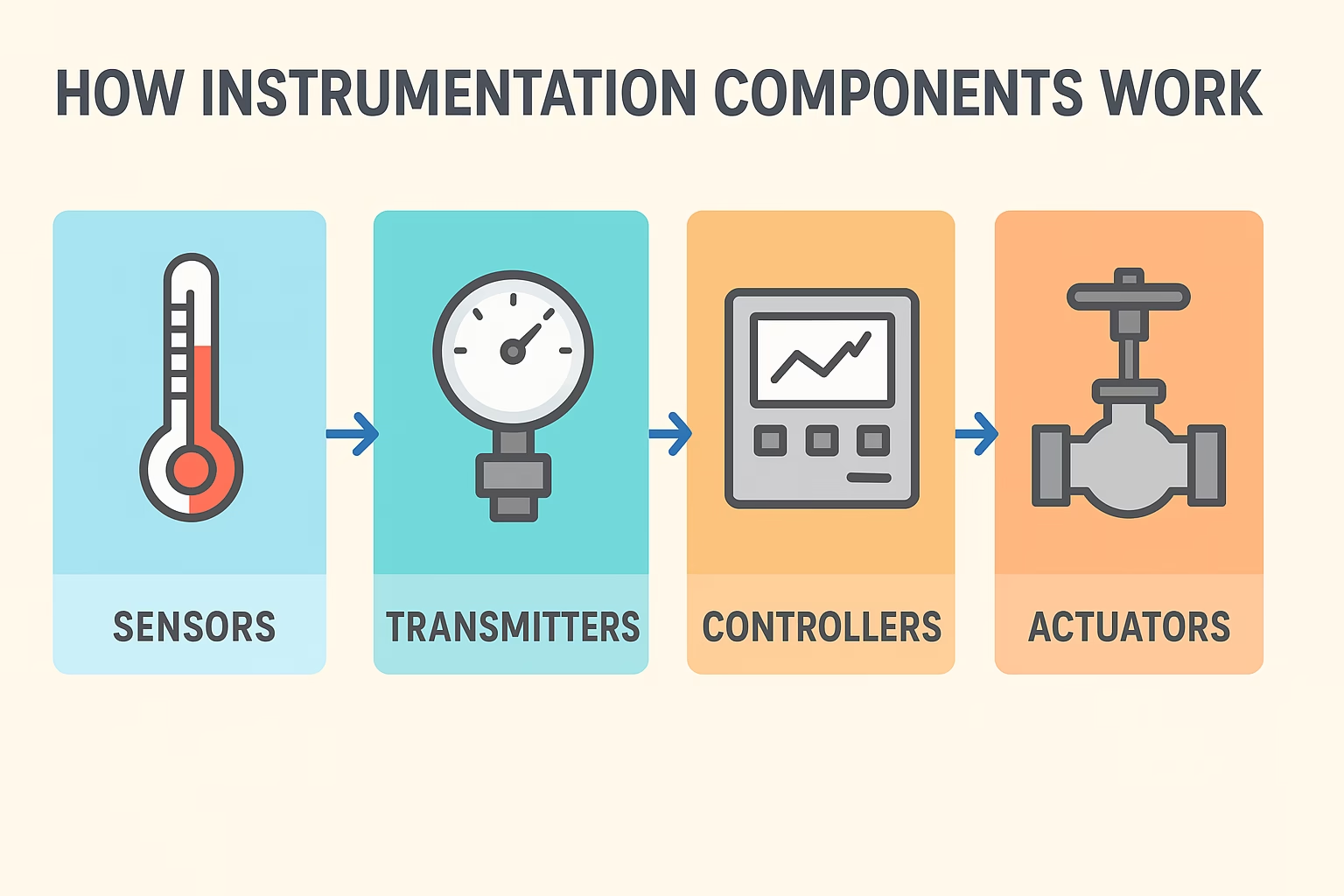
- Electronic Systems – Use sensors like strain gauges or piezoelectric elements that convert deformation into an electrical signal, which is then processed by a control system.
In industrial automation, pressure data is often transmitted via analog signals (4–20 mA) or digital protocols (HART, Profibus, Modbus).
5. Industrial Applications of Pressure Instrumentation
Pressure instruments are used across many sectors:
a. Oil and Gas Industry
- Monitoring pipeline pressure.
- Preventing blowouts in drilling rigs.
- Measuring pressure in storage tanks.
b. Manufacturing and Process Industries
- Controlling pressure in chemical reactors.
- Ensuring safe operation of boilers and compressors.
c. Water and Wastewater Treatment
- Monitoring pump discharge pressure.
- Measuring pressure in filtration systems.
d. Power Generation
- Monitoring steam pressure in turbines.
- Ensuring boiler safety.
e. Pharmaceuticals and Food Industry
- Maintaining sterile process conditions.
- Ensuring consistent quality during production.

6. Best Practices in Pressure Instrumentation
To ensure accurate and reliable performance:
- Select the Right Instrument – Consider pressure range, process medium, temperature, and environment.
- Install Correctly – Follow manufacturer guidelines to prevent vibration, temperature extremes, and mechanical stress.
- Calibrate Regularly – Prevent measurement drift by scheduled calibration.
- Protect from Overpressure – Use pressure relief valves and snubbers to protect instruments.
- Monitor for Damage – Check for corrosion, leaks, or sensor wear.
7. Future Trends in Pressure Instrumentation
The industry is evolving with advanced technologies:
- Wireless Pressure Transmitters – Reduce wiring costs and allow remote monitoring.
- Smart Sensors – Provide diagnostics and predictive maintenance alerts.
- Integration with IoT – Enable real-time data analysis and cloud monitoring.
- Miniaturization – Smaller sensors for compact applications.
Conclusion
Pressure instrumentation is essential for maintaining safety, efficiency, and quality in industrial processes. By understanding the principles, selecting the right instruments, and following best practices, industries can ensure accurate pressure monitoring and long-term reliability.
As technology advances, pressure instruments will become smarter, more connected, and more efficient, enabling even greater control over industrial operations.