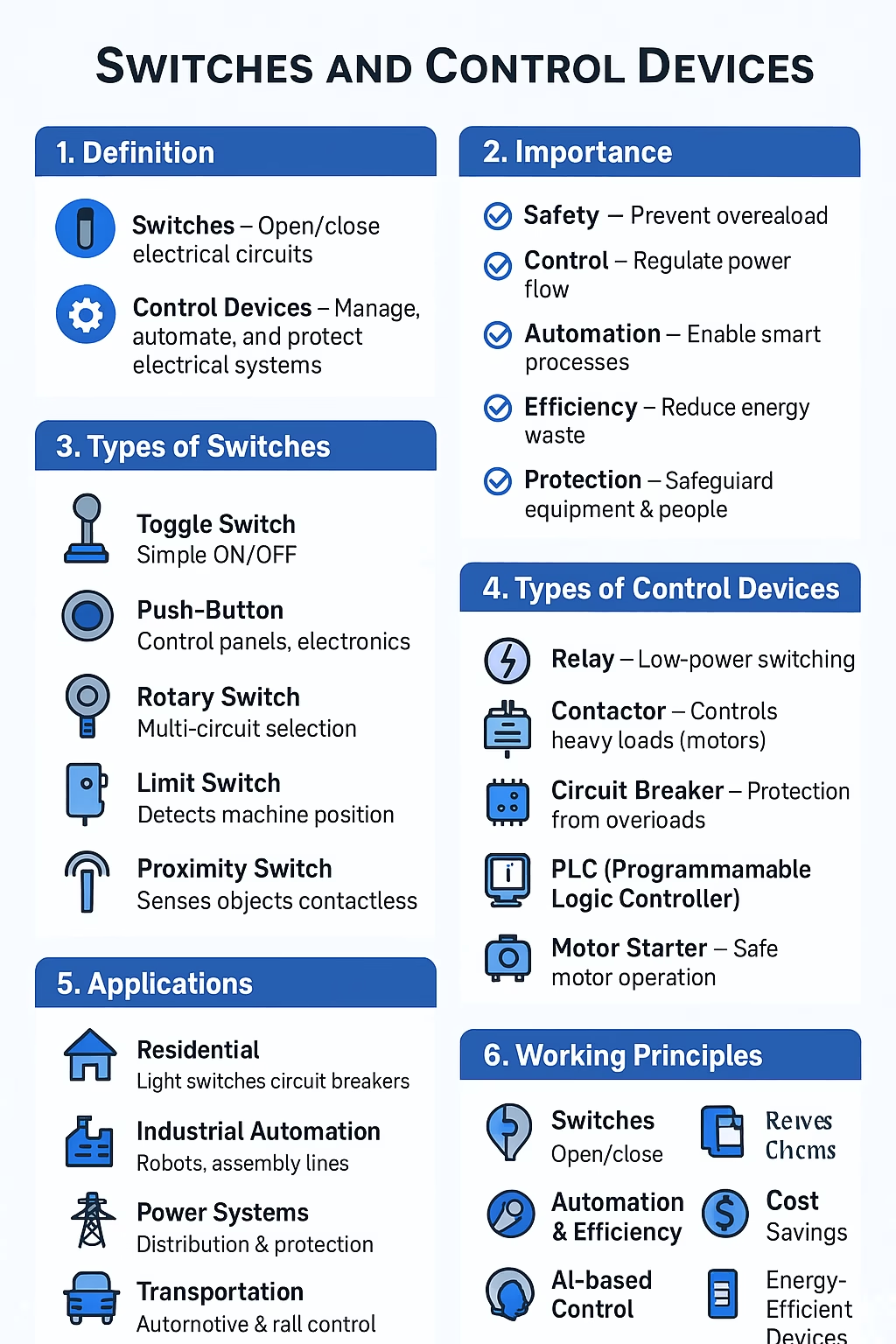
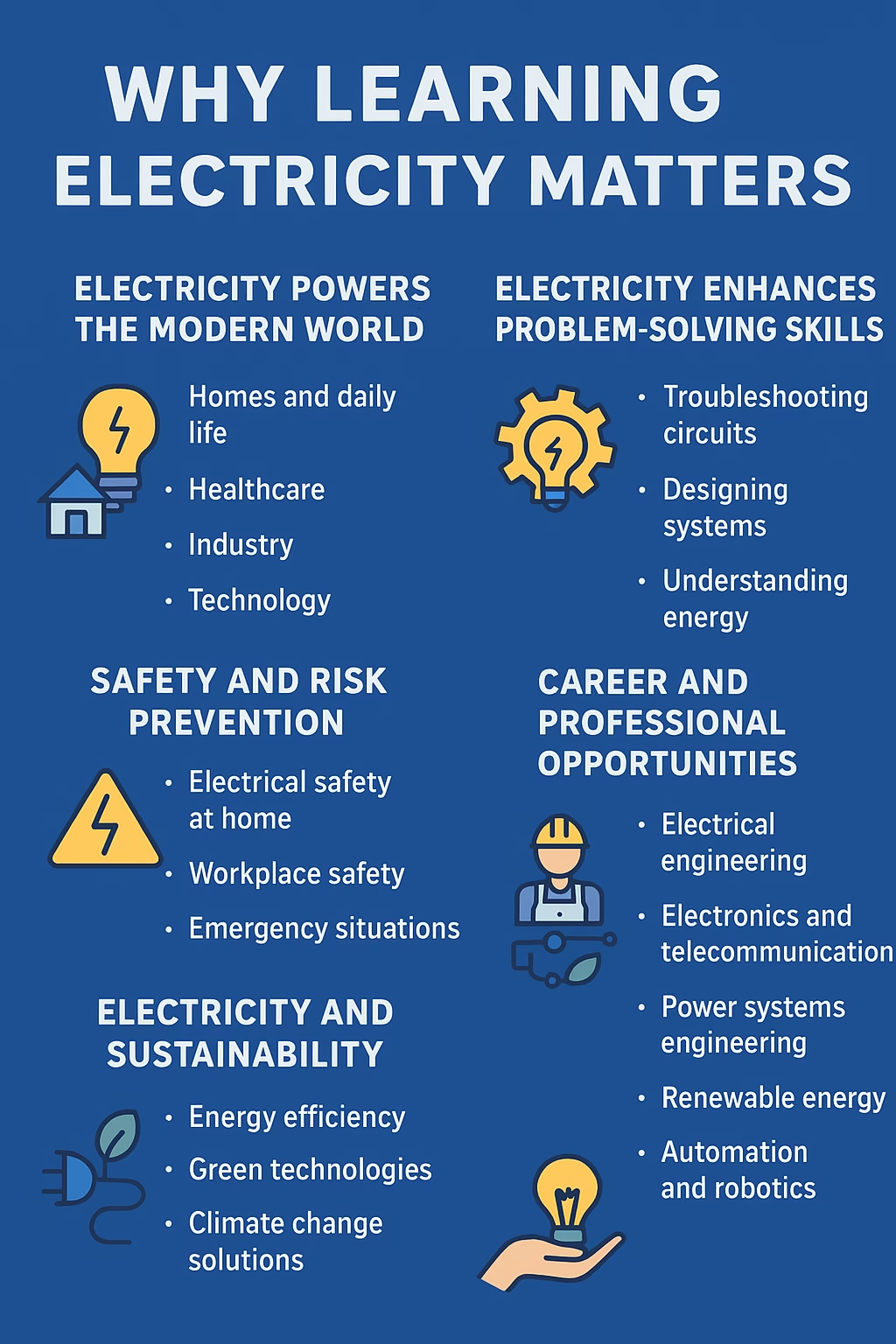
Electrical engineering is not only about generating and transmitting electricity but also about ensuring safety and system reliability. One of the most fundamental yet often overlooked elements of electrical installations is the grounding systems (also called earthing system). Grounding serves as a protective measure that connects parts of an electrical system to the earth, providing a safe path for excess or fault current.
In this article, we will explore what grounding is, why it is important, the different types of grounding systems, applications in modern electrical engineering, and best practices for implementation.
What is a Grounding System?
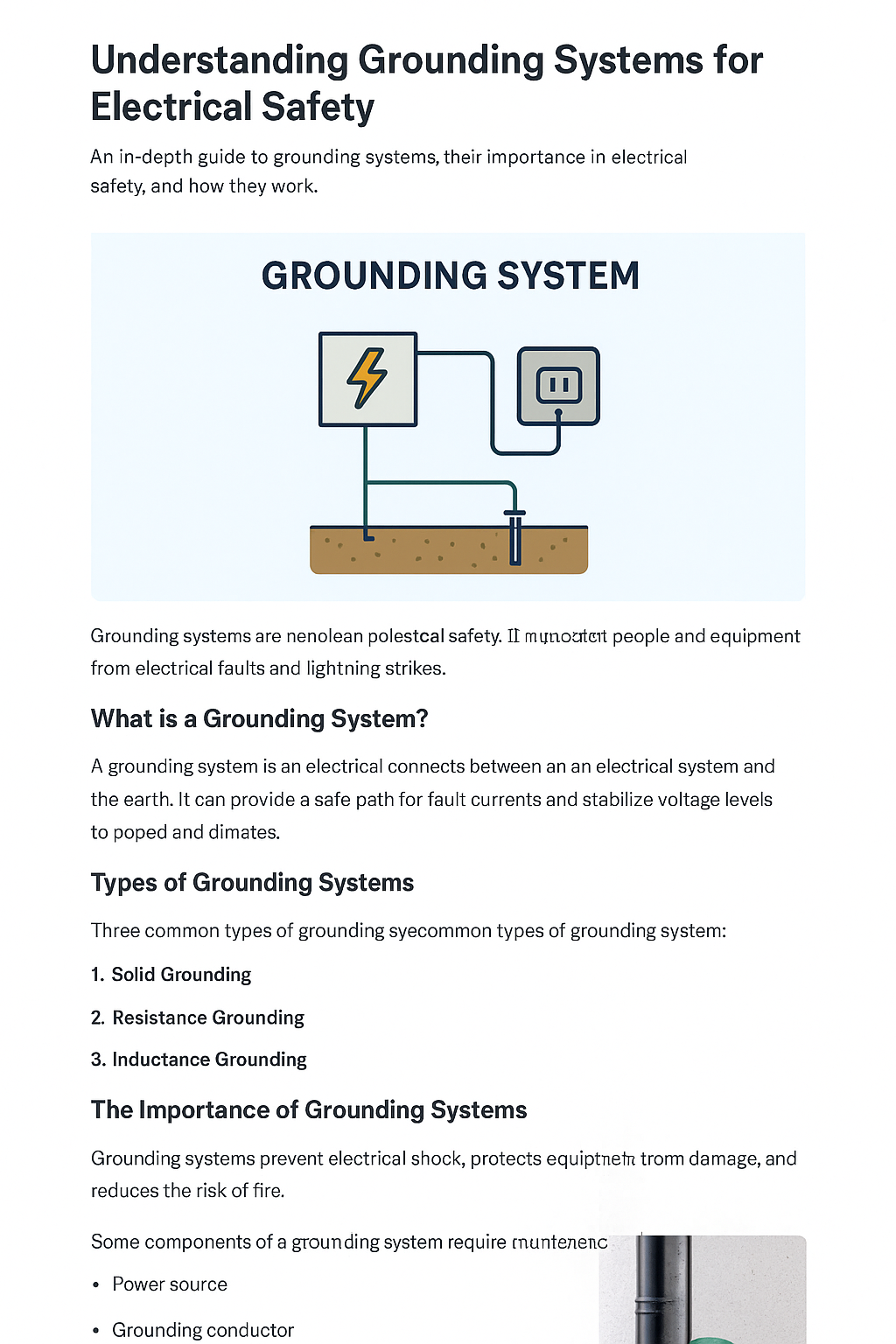
A grounding system is the intentional connection of parts of an electrical installation to the earth (ground). Its primary purpose is to protect people and equipment from electric shocks, voltage instability, lightning, and equipment malfunction.
When a fault current or leakage occurs, grounding ensures that the current flows safely into the earth instead of passing through people or sensitive devices.
Importance of Grounding Systems
Grounding is essential in every power system. Some of the most critical benefits include:
- Safety for People
Prevents electrical shocks by directing fault current away from the human body. - Equipment Protection
Sensitive equipment like transformers, generators, and computers are shielded from surges, overvoltages, and static discharges. - Stabilization of Voltage
Provides a stable reference point for system voltages, improving reliability. - Lightning Protection
Dissipates high-voltage surges caused by lightning strikes. - Fire Prevention
Fault currents are directed into the earth instead of heating up conductors or insulation, reducing fire risks.
Types of Grounding Systems
Grounding systems vary depending on application and design. The most common types include:
1. Earth Grounding
This method connects non-current carrying parts of equipment (like metallic enclosures) directly to the earth.
2. Neutral Grounding
The neutral point of a transformer, generator, or system is connected to the ground to limit overvoltages and stabilize the system.
3. Solid Grounding
Direct connection of neutral to the ground, ensuring fault currents flow immediately for fast protection.
4. Resistance Grounding
A resistor is connected between neutral and ground, controlling fault currents to manageable levels.
5. Reactance Grounding
A reactance (inductor) is used instead of a resistor to limit fault currents in medium- and high-voltage systems.
6. Isolated Grounding
Used in sensitive electronic systems (e.g., hospitals, data centers) where a separate ground path prevents interference.
Components of a Grounding System
A proper grounding installation usually consists of:
- Grounding Electrode: Rods, plates, or pipes buried in the earth.
- Grounding Conductor: Copper or aluminum conductor connecting equipment to the electrode.
- Grounding Busbar: A central point where multiple grounding connections are made.
- Bonding: Connecting all metallic parts to ensure equal potential.
Applications of Grounding Systems
Grounding is applied in almost every area of electrical engineering, including:
- Power Plants and Substations – Protects transformers, circuit breakers, and switchgear.
- Industrial Installations – Ensures safety of motors, pumps, and automation systems.
- Residential Buildings – Protects appliances and prevents shock hazards.
- Hospitals and Data Centers – Reduces electromagnetic interference and ensures sensitive devices function properly.
- Telecommunication Systems – Prevents lightning damage and ensures signal stability.
Best Practices for Grounding Systems
- Use High-Quality Conductors (e.g., copper) for long-term performance.
- Ensure Proper Soil Resistance – Ground resistance should typically be less than 5 ohms.
- Regular Testing – Ground resistance should be tested annually.
- Proper Bonding – All metallic enclosures and conduits must be interconnected.
- Lightning Protection Integration – Combine grounding with surge protection devices.
Challenges in Grounding Systems
- Corrosion of Electrodes in humid or acidic soil.
- High Soil Resistivity in rocky areas makes grounding difficult.
- Improper Installation leading to ineffective protection.
- Neglect in Maintenance, which increases risks over time.
Future of Grounding Systems
As renewable energy, smart grids, and electric vehicles grow, grounding systems are becoming even more critical. Future systems will integrate:
- Advanced Monitoring with IoT sensors for real-time ground resistance measurement.
- Hybrid Grounding combining traditional grounding with surge suppression technology.
- Eco-Friendly Materials resistant to corrosion and with lower environmental impact.
Conclusion
Grounding systems are the unsung heroes of electrical safety. They ensure protection from electric shocks, safeguard equipment, and stabilize entire power systems. Whether in residential homes or large industrial plants, proper grounding is non-negotiable for safety and reliability.
By understanding types, applications, and best practices, engineers and electricians can design and maintain effective grounding systems that protect lives and infrastructure.