
Challenges of Automation ~ Automation has become one of the most transformative forces shaping industries, businesses, and even daily life. From manufacturing plants powered by robotic arms to artificial intelligence systems automating financial services, automation offers undeniable benefits such as increased efficiency, reduced errors, and cost savings. However, like any technological advancement, automation comes with its own set of challenges. These obstacles range from technical and financial barriers to ethical and workforce-related issues that organizations must carefully navigate.
In this article, we will explore the key challenges of automation, why they matter, and how companies and industries can overcome them to ensure sustainable progress.
1. Challenges of Automation: High Initial Investment Costs
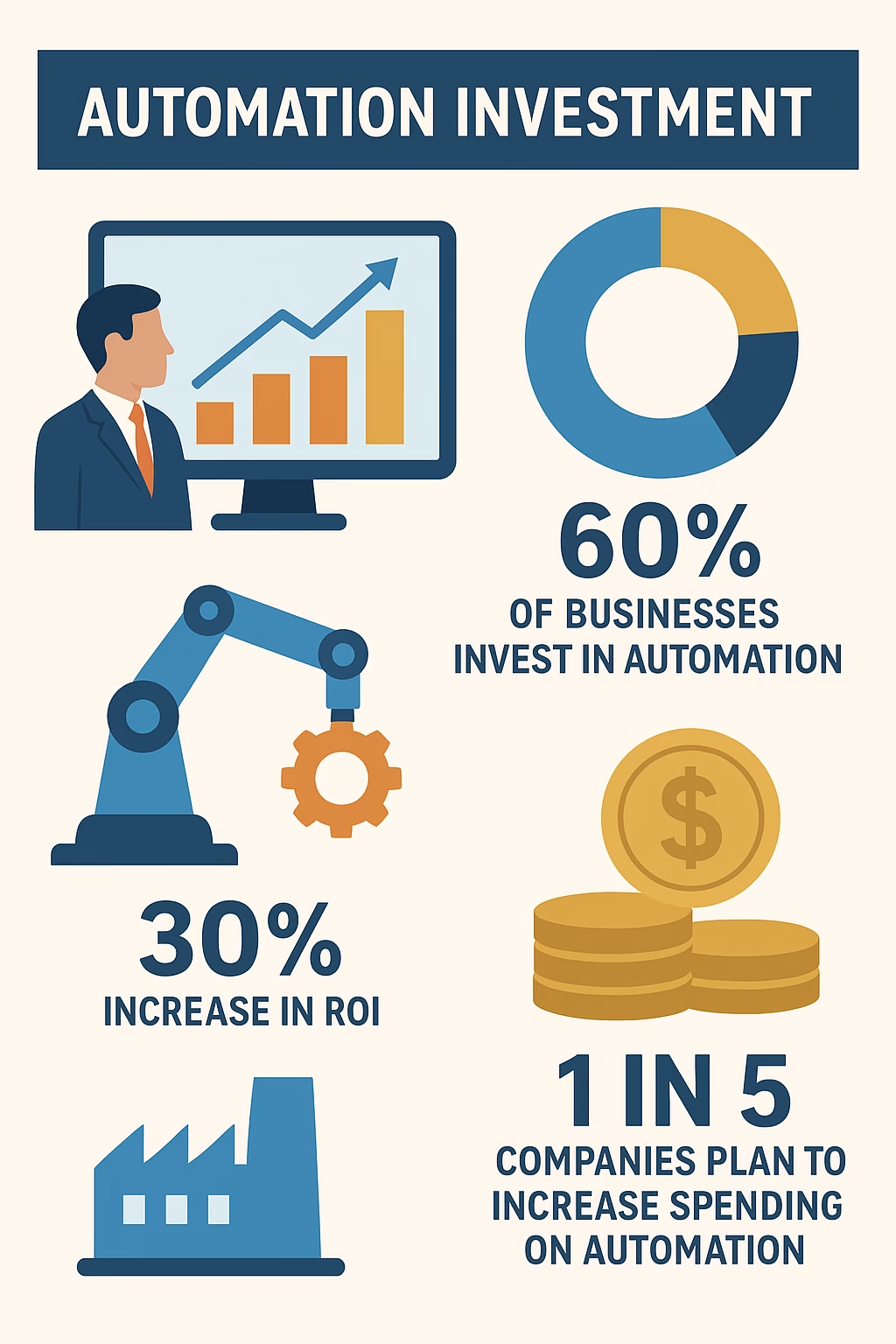
One of the most significant challenges of automation is the upfront cost. Implementing advanced automation systems often requires large capital investments in robotics, software, infrastructure, and integration processes.
- Example: A small to medium-sized business may struggle to justify the purchase of automated machinery when labor is still more affordable in the short term.
- Why It Matters: Without sufficient financial resources, businesses may delay automation adoption, slowing down their competitiveness in the global market.
Possible Solution: Companies can adopt a phased approach, beginning with partial automation in critical processes. Leasing or outsourcing automation solutions can also reduce financial burdens.
2. Workforce Displacement and Job Loss Concerns
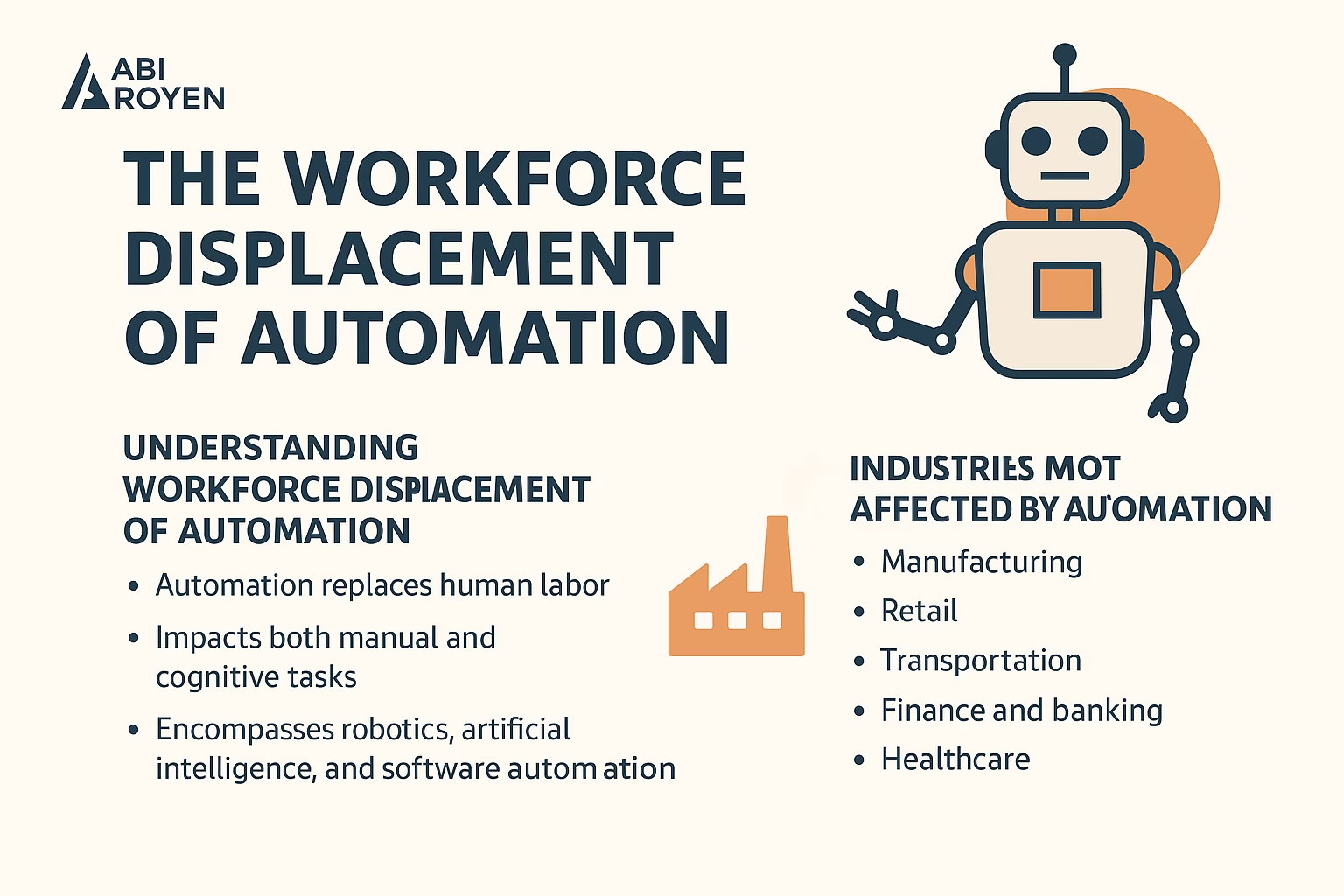
Perhaps the most widely discussed challenge of automation is its impact on employment. Workers fear that machines, AI, and robotics will replace their roles, particularly in industries such as manufacturing, logistics, and customer service.
- Example: Self-checkout machines in retail stores have reduced the demand for cashiers.
- Why It Matters: Large-scale workforce disruption can lead to unemployment, social inequality, and resistance to technological adoption.
Possible Solution: Instead of replacing workers entirely, companies should focus on reskilling and upskilling employees. Automation should complement human labor, allowing workers to focus on complex, creative, or supervisory roles.
3. Challenges of Automation: Complexity of Integration
Introducing automation into an existing system is rarely simple. Organizations often face integration challenges when combining new automation tools with legacy systems.
- Example: A factory using older machinery may struggle to integrate modern AI-driven control systems without significant infrastructure upgrades.
- Why It Matters: Poor integration can lead to system failures, inefficiencies, and higher maintenance costs.
Possible Solution: Conducting a thorough digital readiness assessment before automation implementation helps businesses plan gradual integration. Choosing scalable automation solutions ensures smoother long-term adoption.
4. Cybersecurity Risks
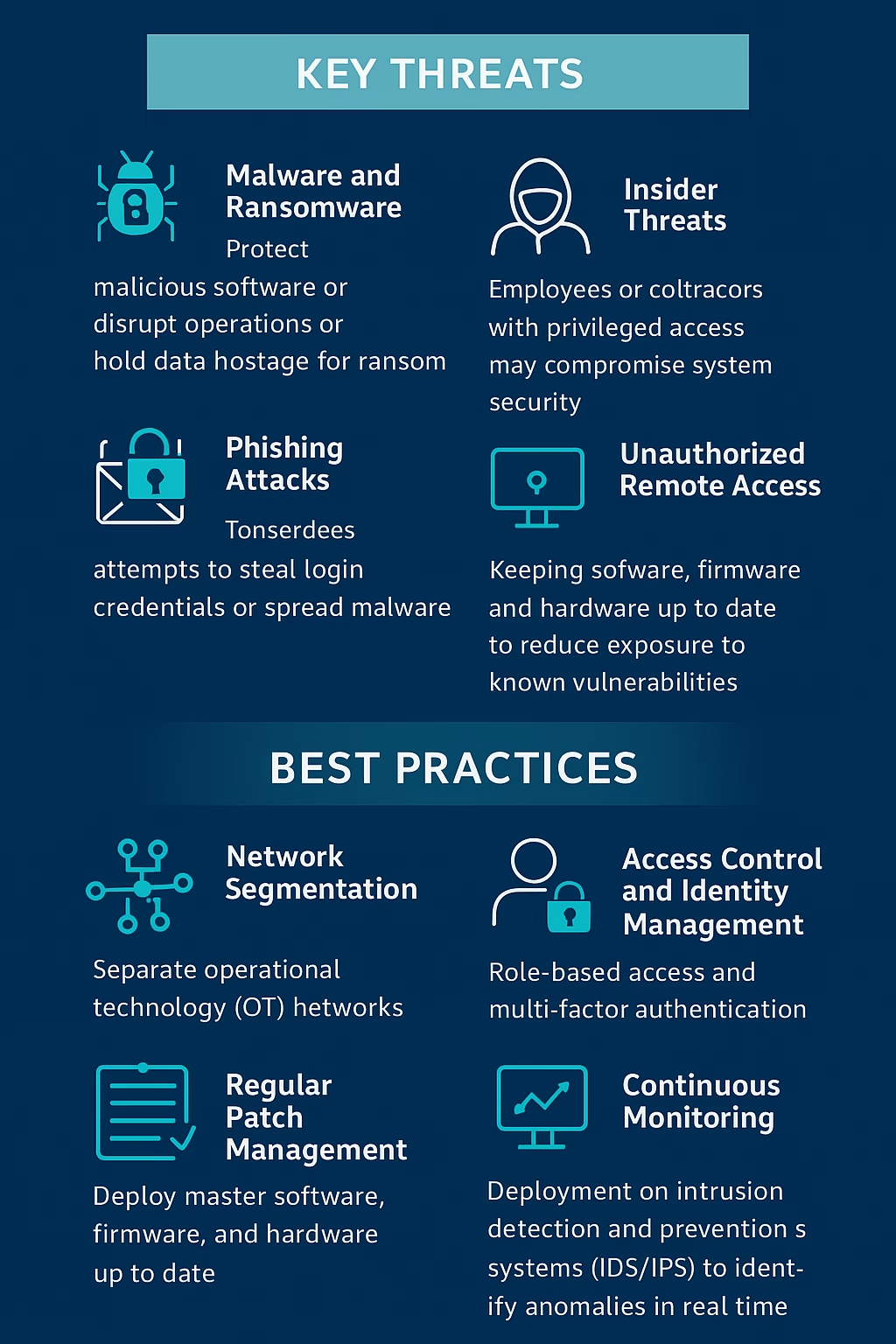
As automation increasingly relies on digital connectivity, it also becomes a target for cyberattacks. Industrial robots, IoT devices, and AI-driven systems can be exploited if not properly secured.
- Example: A cyberattack on an automated manufacturing line could halt production and cause significant financial losses.
- Why It Matters: Automation systems often control critical infrastructure, meaning breaches can have catastrophic consequences.
Possible Solution: Businesses must invest in robust cybersecurity measures, including encryption, multi-layered firewalls, and real-time monitoring systems. Regular updates and employee cybersecurity training are also essential.
5. Challenges of Automation: Ethical and Legal Challenges
Automation raises a number of ethical and legal concerns. For example, if a self-driving car causes an accident, who is responsible: the manufacturer, the programmer, or the owner? Similarly, AI algorithms used in hiring processes may unintentionally introduce bias.
- Example: Automated decision-making in recruitment could reject candidates unfairly due to flawed algorithmic design.
- Why It Matters: Without clear legal frameworks, businesses risk reputational damage, lawsuits, and loss of consumer trust.
Possible Solution: Governments and organizations need to work together to establish regulations and ethical guidelines for automation technologies. Transparent systems and audit mechanisms can help prevent misuse.

6. Lack of Skilled Workforce
Automation systems require specialized knowledge to design, maintain, and optimize. However, there is a global shortage of skilled professionals in robotics, AI, and industrial automation.
- Example: Factories may purchase advanced robotic equipment but struggle to find technicians with the skills to operate and maintain it.
- Why It Matters: Without the right talent, businesses cannot maximize the potential of automation.
Possible Solution: Companies should invest in training programs and collaborate with universities or technical institutions to prepare the next generation of automation professionals.
7. Challenges of Automation: Resistance to Change
Employees, managers, and even entire organizations may resist automation due to fear of the unknown. Cultural barriers, misconceptions, and reluctance to abandon traditional processes can delay adoption.
- Example: Workers may believe automation is only about job elimination, causing low morale and reduced productivity.
- Why It Matters: Resistance within the workforce can sabotage automation projects, regardless of their technical potential.
Possible Solution: Clear communication, employee involvement in decision-making, and highlighting the benefits of automation (such as safer work conditions) can help reduce resistance.
8. Maintenance and Downtime Issues
While automation reduces human errors, it introduces new challenges in maintenance. Automated systems can be complex and require regular updates, inspections, and specialized troubleshooting.
- Example: A malfunction in a robotic assembly line can halt an entire production plant, leading to costly downtime.
- Why It Matters: Unexpected breakdowns can undermine the efficiency gains that automation promises.
Possible Solution: Implementing predictive maintenance using sensors and AI can reduce downtime. Regular training for maintenance staff also ensures smoother operations.
9. Challenges of Automation: Environmental Concerns
Automation often requires significant energy consumption and resource use. While efficient in many ways, large-scale automation could increase carbon footprints if powered by non-renewable energy sources.
- Example: Data centers supporting AI automation consume enormous amounts of electricity.
- Why It Matters: Companies adopting automation must balance efficiency with sustainability.
Possible Solution: Businesses should consider green automation strategies, such as renewable energy integration, energy-efficient robotics, and eco-friendly manufacturing practices.
Conclusion
Automation has the potential to transform industries by increasing efficiency, reducing human error, and driving innovation. However, the journey toward widespread automation is not without obstacles. High costs, workforce displacement, integration difficulties, cybersecurity threats, and ethical issues represent significant challenges that organizations must address.
By adopting phased implementation strategies, prioritizing workforce reskilling, strengthening cybersecurity, and promoting ethical practices, businesses can overcome these challenges. Ultimately, automation should not be viewed as a threat but as a tool that, when used responsibly, can enhance productivity and improve quality of life.