Introduction of Challenges Facing Automotive Industry
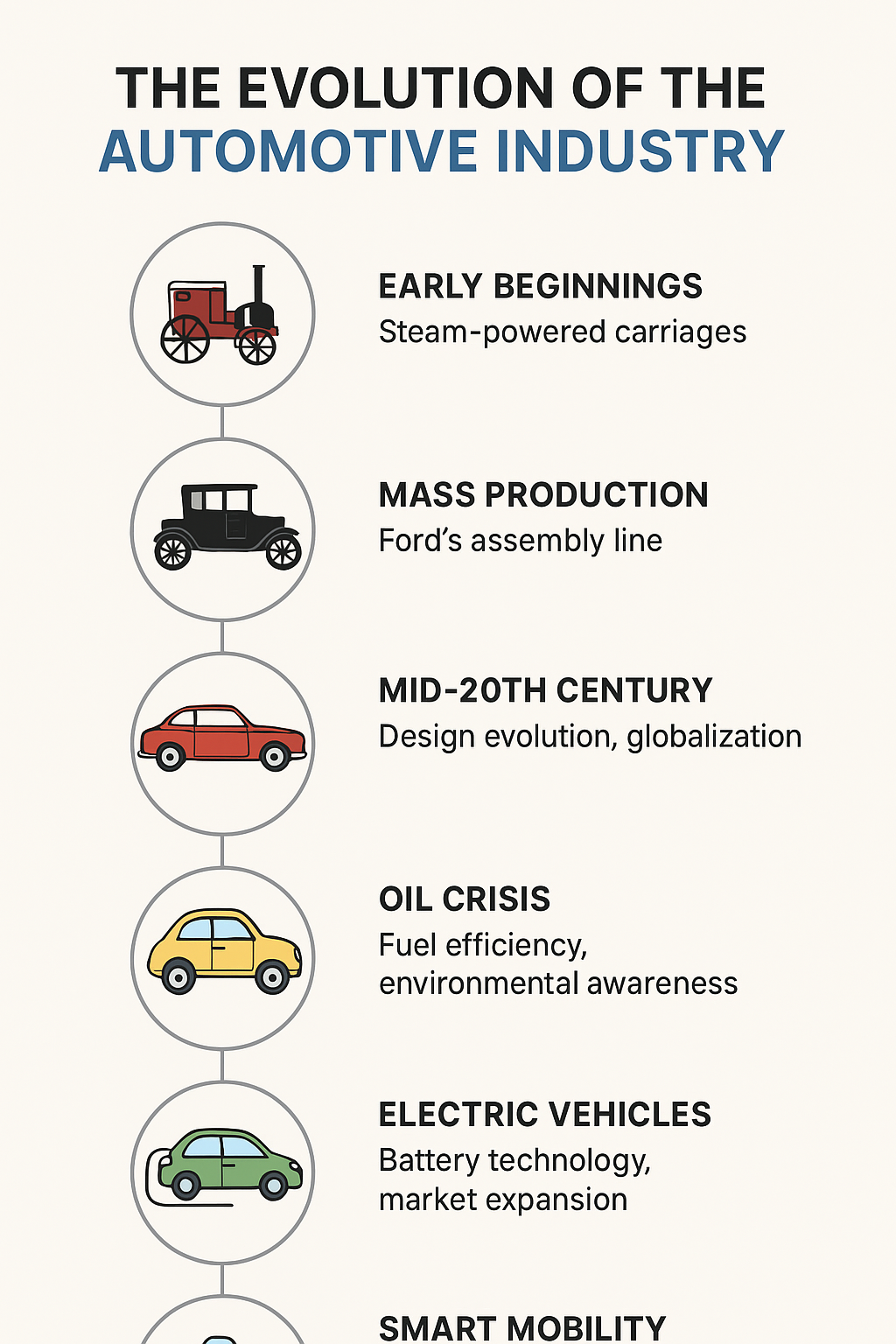
Challenges Facing Automotive Industry ~ The automotive industry has always been one of the most dynamic sectors of the global economy. From the invention of the internal combustion engine to the rise of electric vehicles (EVs), the industry has continuously adapted to technological advancements, economic pressures, and consumer demands. However, the 21st century has introduced unprecedented challenges that are shaping the future of automotive manufacturing, sales, and innovation.
In 2025 and beyond, automakers face issues ranging from supply chain disruptions and sustainability goals to EV adoption, labor shortages, and global competition. Understanding these challenges is essential not only for industry players but also for policymakers, investors, and consumers.
This article explores the key challenges facing the automotive industry today, providing insights into how manufacturers and stakeholders can adapt to an evolving landscape.
1. Global Supply Chain Disruptions
One of the most pressing challenges is the instability of global supply chains. The COVID-19 pandemic revealed vulnerabilities in the availability of critical components like semiconductors. Even as economies recover, the industry still struggles with:
- Semiconductor shortages affecting production capacity.
- Logistics bottlenecks due to rising fuel costs and shipping delays.
- Dependence on international suppliers in Asia, which increases risks from geopolitical tensions.
Automakers are now investing in localized production and building resilient supply chains to reduce dependency on a few global suppliers.
2. Transition to Electric Vehicles (EVs)
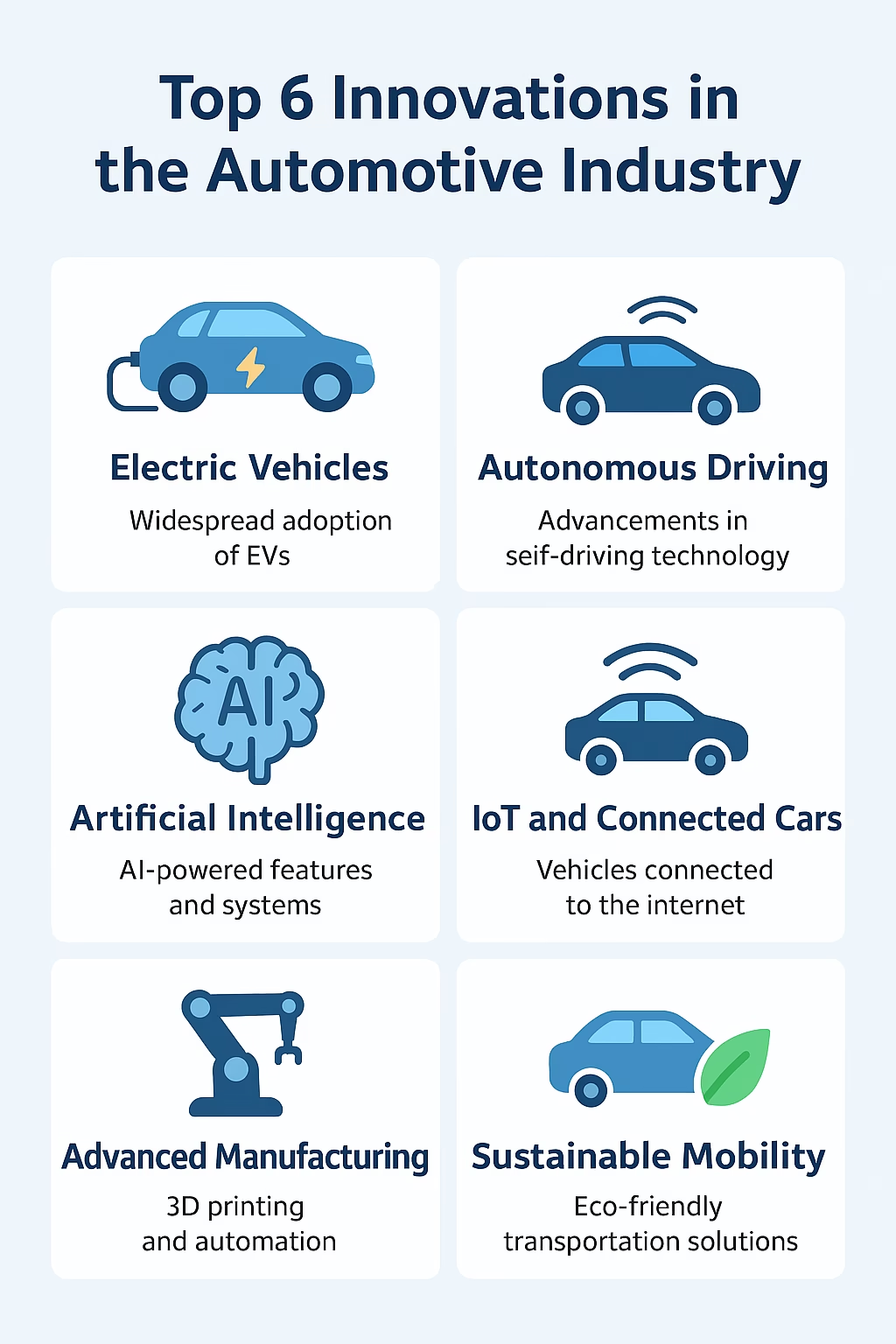
The global push for decarbonization has accelerated the transition from gasoline-powered cars to electric vehicles. While this shift presents opportunities, it also brings challenges such as:
- High manufacturing costs of EV batteries.
- Limited charging infrastructure, especially in developing countries.
- Consumer hesitation due to range anxiety and vehicle pricing.
Major automakers like Tesla, Toyota, Volkswagen, and General Motors are competing fiercely, while governments impose stricter emission regulations. The industry must balance innovation, affordability, and sustainability to make EVs mainstream.
3. Sustainability and Green Manufacturing
Environmental concerns are reshaping how cars are designed, manufactured, and recycled. Governments and consumers demand eco-friendly solutions such as:
- Reduced carbon footprints in manufacturing.
- Increased use of recycled materials and renewable energy.
- Development of hydrogen fuel cells and other alternatives.
The automotive industry must invest in circular economy practices to remain compliant with climate regulations while meeting consumer expectations for greener products.
4. Digital Transformation and Smart Vehicles
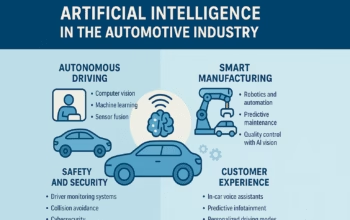
The automotive industry is no longer just about engines and horsepower—it is about software, connectivity, and data. Automakers are integrating technologies like:
- Autonomous driving systems powered by AI.
- Connected vehicles with real-time navigation, traffic updates, and infotainment.
- Over-the-air (OTA) software updates, similar to smartphones.
While these innovations increase convenience, they also introduce challenges such as cybersecurity risks and data privacy concerns. Ensuring safety and building consumer trust will be crucial in this digital transformation.
5. Rising Costs and Inflation
Economic uncertainty and inflation are creating additional hurdles for the automotive industry. Manufacturers face:
- Increased raw material costs, particularly steel, aluminum, and lithium.
- Higher labor costs due to skilled worker shortages.
- Consumer reluctance to purchase new vehicles amid economic instability.
Companies must find ways to balance profitability and affordability to remain competitive in global markets.
6. Global Competition and Market Shifts
The automotive industry is experiencing intense global competition, with emerging players from Asia—particularly China and South Korea—leading advancements in EV technology and affordability.
- Chinese automakers like BYD and NIO are becoming global EV leaders.
- Traditional automakers in Europe and North America face pressure to innovate faster.
- Developing markets in Africa, Southeast Asia, and Latin America represent growth opportunities, but require tailored strategies.
This global shift requires automakers to remain agile and adapt their business models to local market conditions.
7. Regulatory Pressure and Safety Standards
Governments worldwide are enforcing stricter regulations regarding:
- Emission standards to combat climate change.
- Vehicle safety protocols to reduce road accidents.
- Data protection laws for connected vehicles.
Meeting these regulations requires constant R&D investment and technological upgrades, which can strain smaller manufacturers.
8. Changing Consumer Preferences
Today’s consumers expect more than just a vehicle—they want an experience. The automotive industry must address:
- Demand for personalized driving experiences.
- Growth of car-sharing and ride-hailing services, reducing the need for ownership.
- Rising interest in sustainable and smart vehicles over traditional models.
Adapting to these shifts requires customer-centric innovation and digital engagement strategies.
9. Labor and Workforce Challenges
The transition to EVs and advanced automotive technologies is reshaping the workforce. Challenges include:
- Shortage of skilled workers in AI, robotics, and battery engineering.
- Need for reskilling traditional manufacturing employees.
- Labor strikes and disputes over wages and working conditions.
Automakers must invest in training programs and create more flexible work environments to retain top talent.
10. Geopolitical and Economic Uncertainty
Finally, the automotive industry is heavily influenced by global politics and economics. Issues such as:
- Trade wars affecting import/export costs.
- Energy crises impacting fuel prices.
- Regional conflicts that disrupt raw material supplies.
To thrive in such uncertainty, companies must adopt risk management strategies and diversify their markets.

Conclusion of Challenges Facing Automotive Industry
The automotive industry stands at a pivotal moment in history. While challenges such as supply chain disruptions, EV adoption, and regulatory pressures loom large, they also present opportunities for innovation and growth.
Manufacturers that embrace sustainability, digital transformation, and consumer-driven solutions will be best positioned to lead the industry into the future.
In essence, the road ahead may be filled with obstacles, but it is also paved with opportunities for those who adapt quickly and innovate boldly.