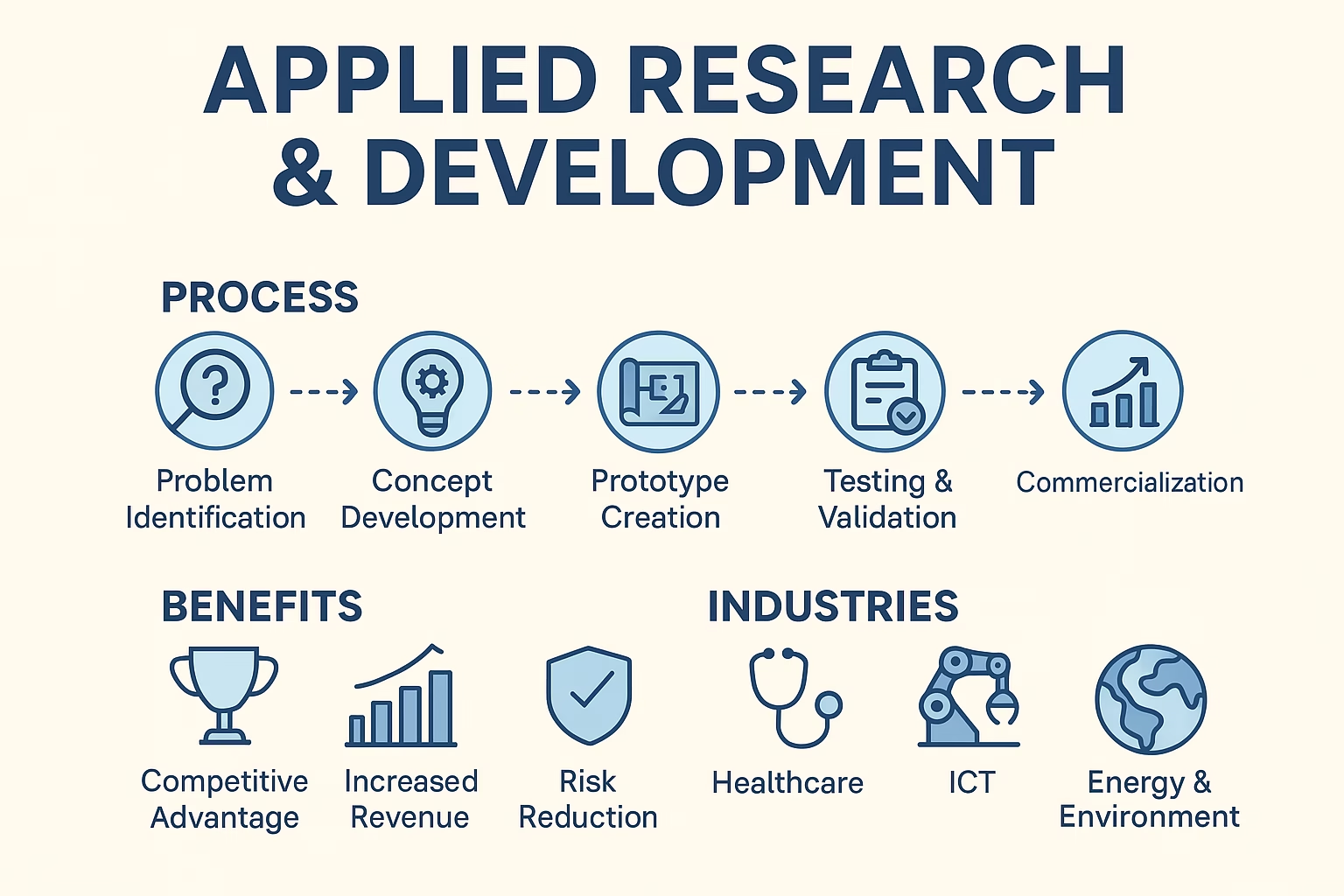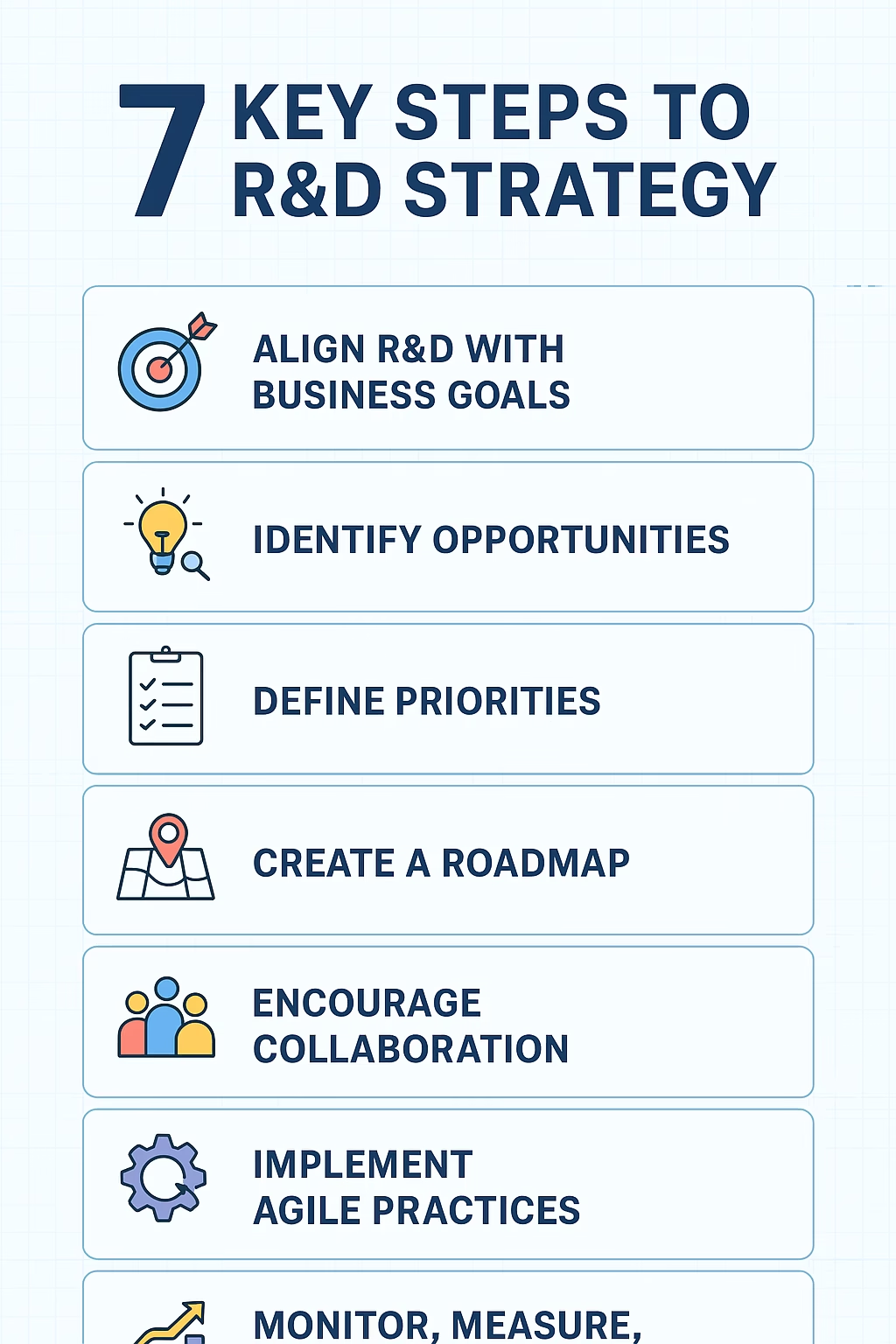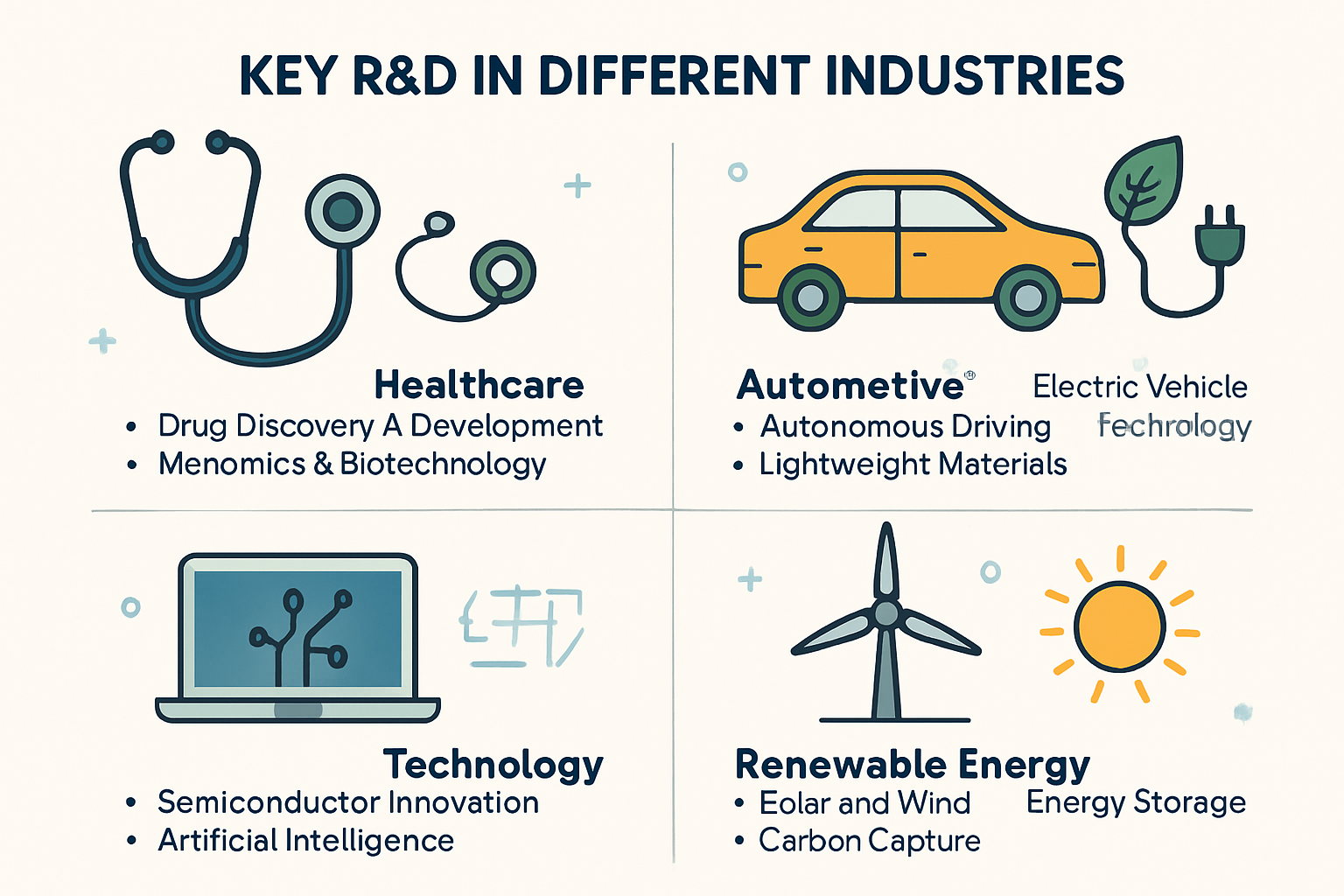

Basic research in R&D ~ Research and Development (R&D) is the engine of innovation across industries — from pharmaceuticals and electronics to space exploration and AI. While applied research and experimental development often take the spotlight due to their direct commercial applications, basic research serves as the critical foundation. It drives long-term innovation by building new knowledge and deepening our understanding of fundamental principles.
In this article, we will explore the nature, purpose, and significance of basic research in the context of R&D, as well as how it fuels future applications and breakthrough technologies.
What is Basic Research in R&D?
Basic research (also known as fundamental research or pure research) is a form of scientific investigation that seeks to expand our knowledge of the underlying principles of the universe, without an immediate commercial objective. It is curiosity-driven rather than application-driven, focusing on understanding “why” and “how” things work.
Rather than solving specific problems, basic research aims to answer fundamental questions such as:
- What are atoms made of?
- How do genes influence behavior?
- What is the nature of gravity?
These inquiries may seem abstract, but their outcomes often lay the groundwork for transformative technologies years or even decades later.
Key Characteristics of Basic Research in R&D
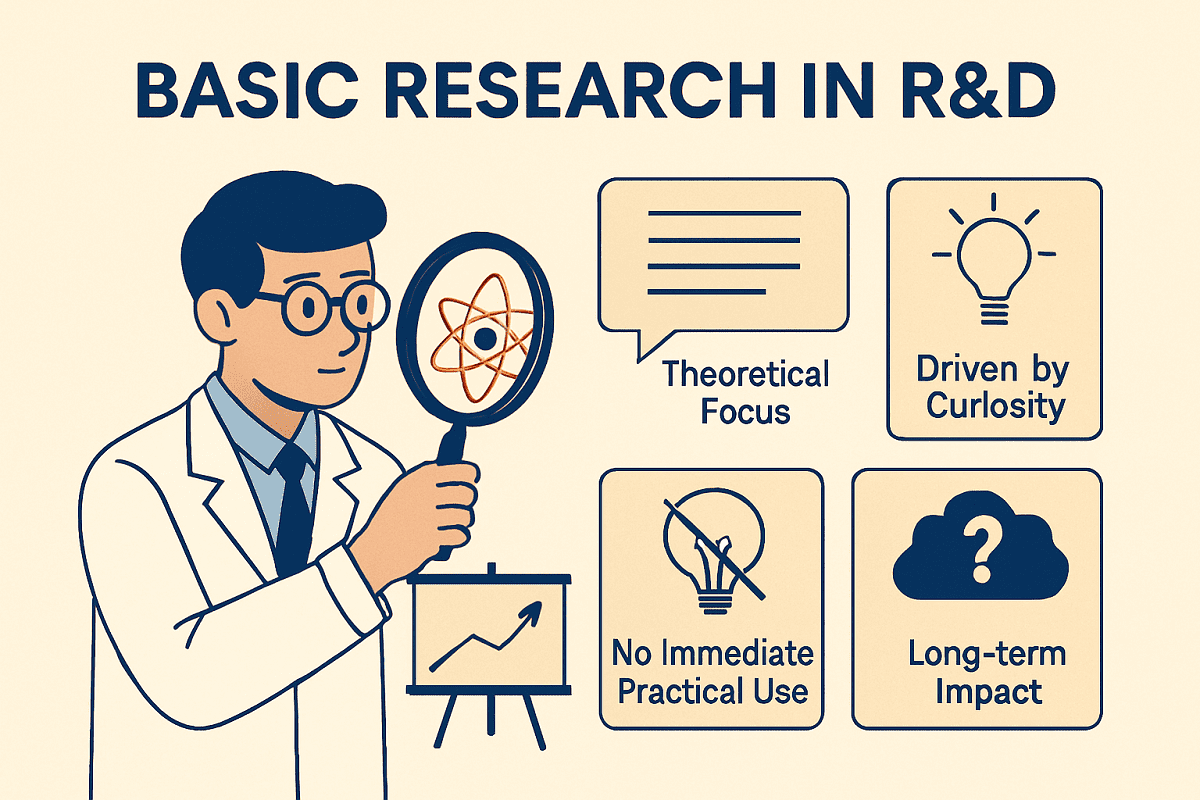
To understand the essence of basic research in R&D, consider these core features:
- Theoretical Focus
It aims to develop theories, models, and concepts that explain natural or social phenomena. - No Immediate Practical Use
Basic research is not undertaken with the aim of solving a specific problem or generating a product. Its usefulness often emerges over time. - Driven by Curiosity
Researchers conducting basic research are typically motivated by intellectual curiosity and a desire to uncover the unknown. - Unpredictable Outcomes
The results of basic research can be surprising and often lead to unexpected applications. - Long-term Impact
While it may not generate instant commercial returns, basic research is a catalyst for future breakthroughs and disruptive innovations.
Importance of Basic Research in R&D
1. Foundation of Applied Science
Basic research provides the building blocks upon which applied research and technological innovation are built. For instance:
- The discovery of electrons led to modern electronics.
- Quantum mechanics enabled the development of semiconductors and lasers.
- Genetic research paved the way for gene editing technologies like CRISPR.
2. Promotes Scientific Literacy and Advancement
A society that invests in basic research fosters a culture of inquiry and critical thinking, essential for scientific literacy and education.
3. Enables Breakthrough Innovations
Many transformative technologies began with basic research. For example:
- The internet originated from early research on packet switching and network theory.
- GPS technology was made possible through Einstein’s theory of relativity — a product of pure theoretical physics.
4. Drives Economic Growth in the Long Term
Although indirect, the economic impact of basic research is substantial. Countries with strong investment in basic science — such as the U.S., Germany, and South Korea — have consistently maintained global leadership in innovation.
5. Supports Strategic National Interests
Basic research in areas such as space, defense, and medicine can provide a nation with strategic advantages, leading to improved security, public health, and technological autonomy.
Basic Research in R&D vs Applied Research: What’s the Difference?
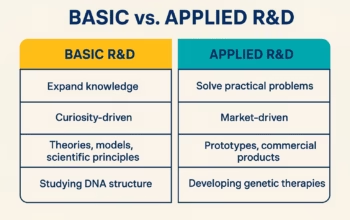
| Feature | Basic Research | Applied Research |
|---|---|---|
| Objective | Knowledge expansion | Practical problem-solving |
| Motivation | Curiosity and theoretical exploration | Immediate application or commercial use |
| Timeline for Results | Long-term impact | Short to medium term |
| Example | Exploring particle behavior | Developing a new drug or vaccine |
| Funding Source | Often public or academic | Often industry or private sector |
Both forms are essential and often interdependent. Applied research relies on the insights and models developed through basic research.
Real-World Examples of Basic Research in R&D Leading to Innovation
- Electricity and Magnetism (1800s)
Michael Faraday’s experiments with electromagnetic fields had no immediate commercial value — but they ultimately led to the development of electric motors and generators. - The Structure of DNA (1953)
The discovery of DNA’s double helix structure by Watson and Crick was a purely scientific endeavor that revolutionized biology, medicine, and biotechnology. - Albert Einstein’s Theory of Relativity
Though theoretical, it became crucial for the accuracy of satellite-based GPS systems used globally today. - Basic Research in AI and Neural Networks
In the 1950s and 60s, researchers explored neural networks without any practical application. Today, they are the foundation of machine learning algorithms that power everything from voice assistants to medical diagnostics.
Who Conducts Basic Research in R&D?
Basic research is typically conducted by:
- Universities and academic institutions
- Government laboratories (e.g., NASA, CERN, NIH)
- Non-profit research organizations
- Some large corporations with long-term vision (e.g., IBM Research, Bell Labs in the past)
These institutions often receive funding from public grants, philanthropic foundations, or strategic national programs.
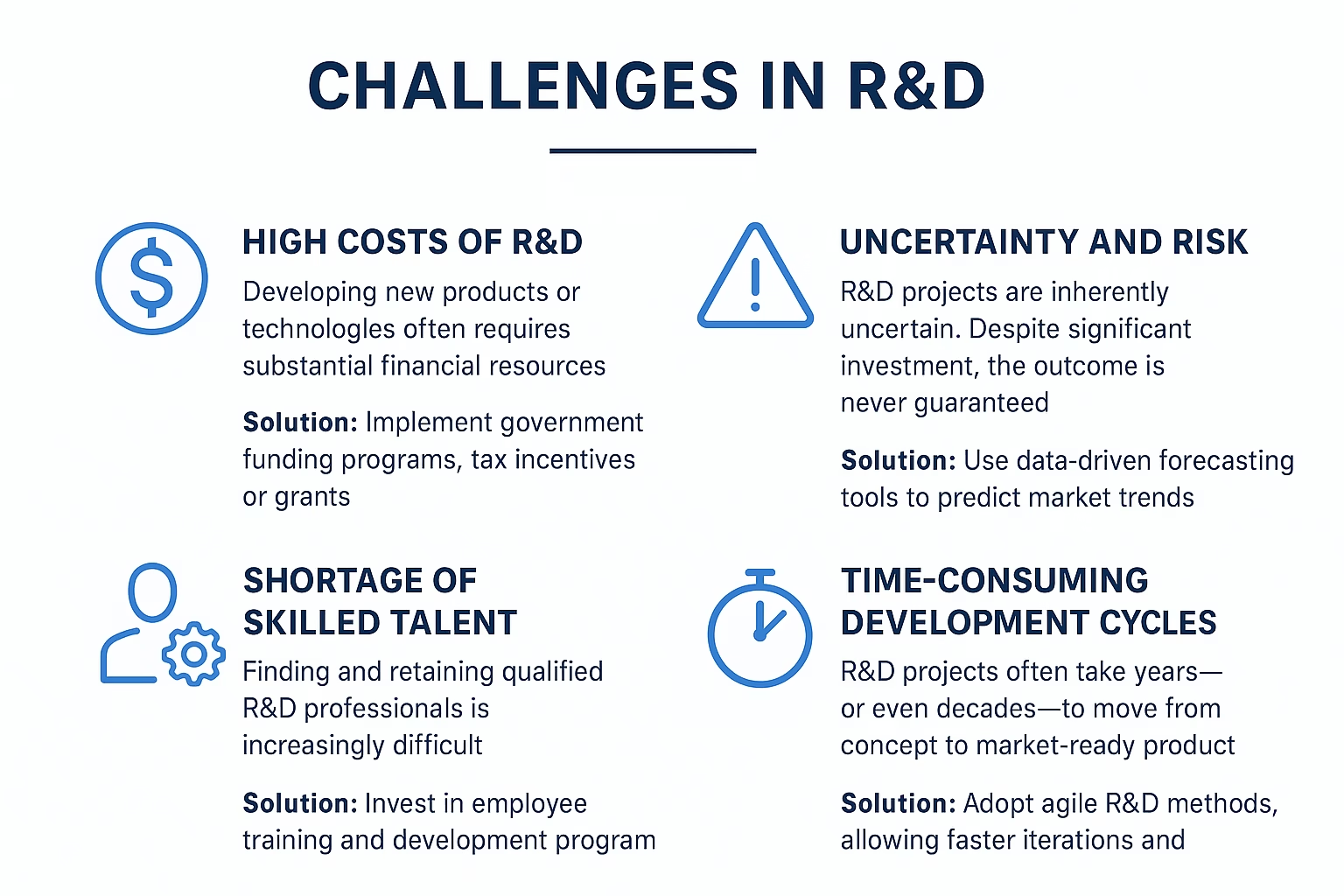
Challenges in Funding Basic Research in R&D
Despite its long-term value, basic research often struggles to attract funding due to:
- Lack of immediate ROI (Return on Investment)
- Pressure from industry to deliver quick results
- Difficulty in predicting or measuring outcomes
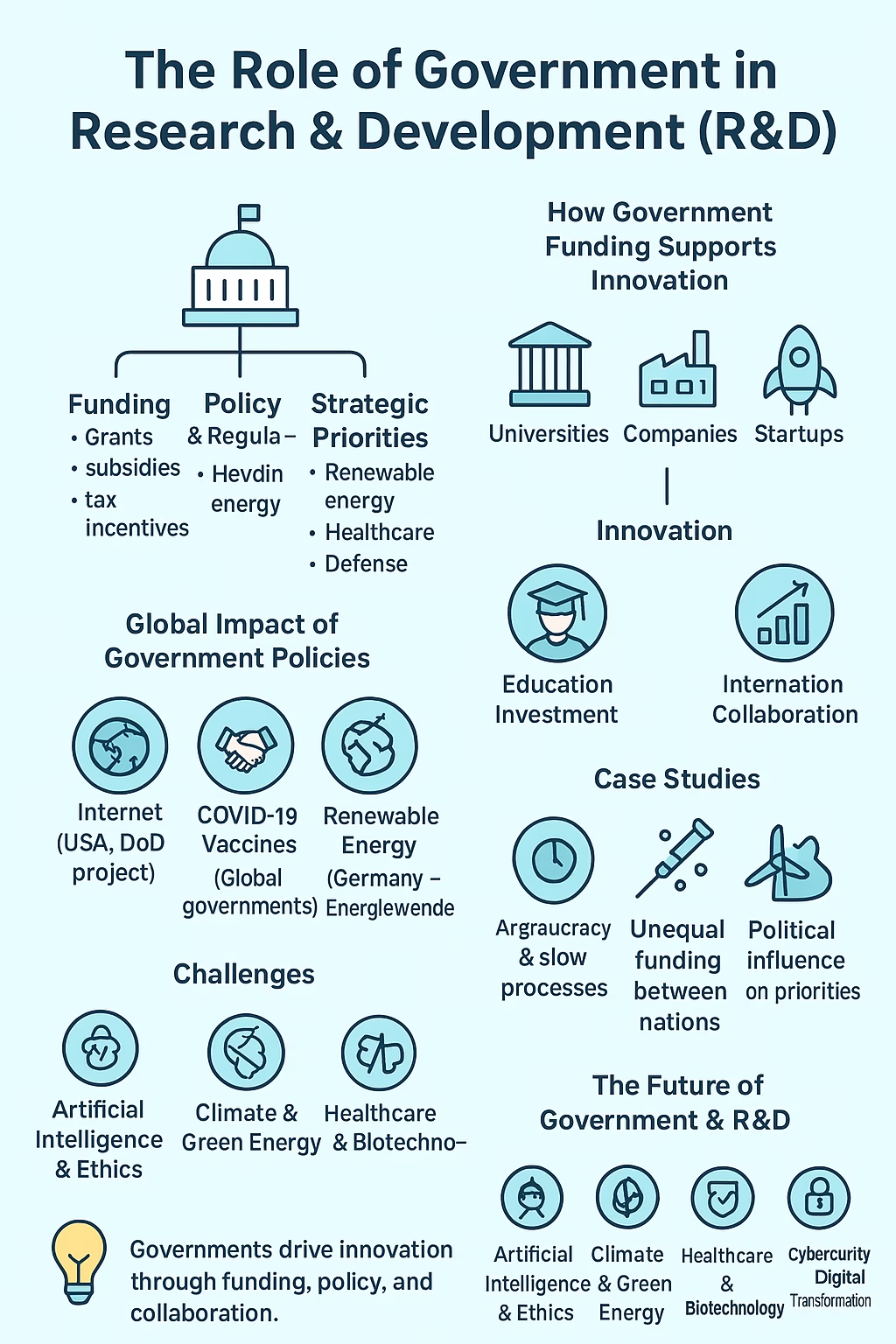
Governments and academia play a critical role in maintaining support for basic research, ensuring that society continues to explore the unknown.
The Role of Basic Research in R&D in the Future
As we enter an era shaped by AI, climate change, space exploration, and biotechnology, basic research will become even more essential. Key areas where fundamental research is driving the future include:
- Quantum computing
- Synthetic biology
- Astrobiology
- Neuroscience and consciousness studies
- Fusion energy
The breakthroughs of tomorrow will rest on the shoulders of today’s curiosity-driven science.
Conclusion of Basic Research in R&D
Basic research in R&D may not always make headlines or generate immediate profits, but it is the invisible engine behind nearly every major technological leap. By investing in fundamental knowledge, we plant the seeds of tomorrow’s innovations, economic growth, and societal transformation.
Nurturing a strong foundation in basic research is not just a matter of academic interest — it’s a strategic imperative for sustainable progress in science, technology, and humanity itself.
🌐 Want more insights about R&D, innovation, and technology trends?
Visit Abi Royen – abiroyen.com for expert-driven articles and resources.