Introduction
In an era where speed, precision, and efficiency dictate competitive advantage, automation and robotics are revolutionizing industries across the globe. From manufacturing to healthcare, logistics to agriculture, the integration of machines and intelligent systems has paved the way for smarter, faster, and more reliable operations. As we progress toward Industry 5.0, understanding the scope, impact, and potential of automation and robotics becomes not just relevant—but essential.
This article explores the world of automation and robotics, their current applications, benefits, challenges, and what the future holds.
What is Automation and Robotics?
Automation refers to the use of systems or technology to perform tasks with minimal human intervention. It aims to increase productivity, accuracy, and consistency across processes.
Robotics, on the other hand, involves the design, construction, and use of robots—programmable machines capable of carrying out complex actions automatically. While automation can be software-based (like automated emails or scripts), robotics often deals with hardware and physical environments.
Together, they create powerful systems that transform industries through smart, self-operating technologies.
Applications of Automation and Robotics in Key Industries
1. Automation and Robotics in Manufacturing
- Robotic arms perform welding, painting, and assembly on production lines.
- CNC machines and automated conveyors reduce downtime and improve precision.
- Predictive maintenance uses automation to detect equipment failure before it happens.
2. Automation and Robotics in Healthcare
- Surgical robots assist doctors with precision and minimally invasive procedures.
- Automated medication dispensers enhance patient care in hospitals.
- Robotics assist in elderly care and rehabilitation programs.
3. Agriculture
- Autonomous tractors and drones monitor crop health and soil conditions.
- Automated irrigation systems optimize water use.
- Harvesting robots pick fruits and vegetables with high accuracy.
4. Logistics and Warehousing
- Automated guided vehicles (AGVs) and autonomous mobile robots (AMRs) sort and transport goods.
- Smart warehouses use automation for inventory management and order fulfillment.
- Amazon and Alibaba lead the way in robotic logistics operations.
5. Construction
- 3D printing robots build walls and even entire structures.
- Drones survey construction sites and monitor progress.
- Bricklaying robots like SAM100 automate repetitive, labor-intensive tasks.
Benefits of Automation and Robotics
✅ Increased Productivity
Machines work continuously without fatigue, enabling 24/7 operations.
✅ Enhanced Accuracy and Quality
Automation eliminates human error and ensures consistent output.
✅ Cost Efficiency
Despite high upfront investment, long-term savings in labor, materials, and errors are substantial.
✅ Improved Safety
Robots handle hazardous tasks, reducing workplace accidents and protecting human workers.
✅ Data-Driven Decision Making
Integrated sensors and software collect real-time data to support operational optimization.
Challenges and Limitations of Automation and Robotics
⚠️ High Initial Costs
The upfront cost of robotic systems and automation infrastructure can be prohibitive for small businesses.
⚠️ Job Displacement
Concerns about automation replacing human workers are valid in some sectors, particularly for low-skill roles.
⚠️ Complexity and Integration
Implementing automation requires expertise in engineering, programming, and change management.
⚠️ Maintenance and Downtime
While automated systems reduce error, any malfunction can halt entire operations if not properly managed.

Automation and Robotics vs. Human Workforce: Collaboration, Not Replacement
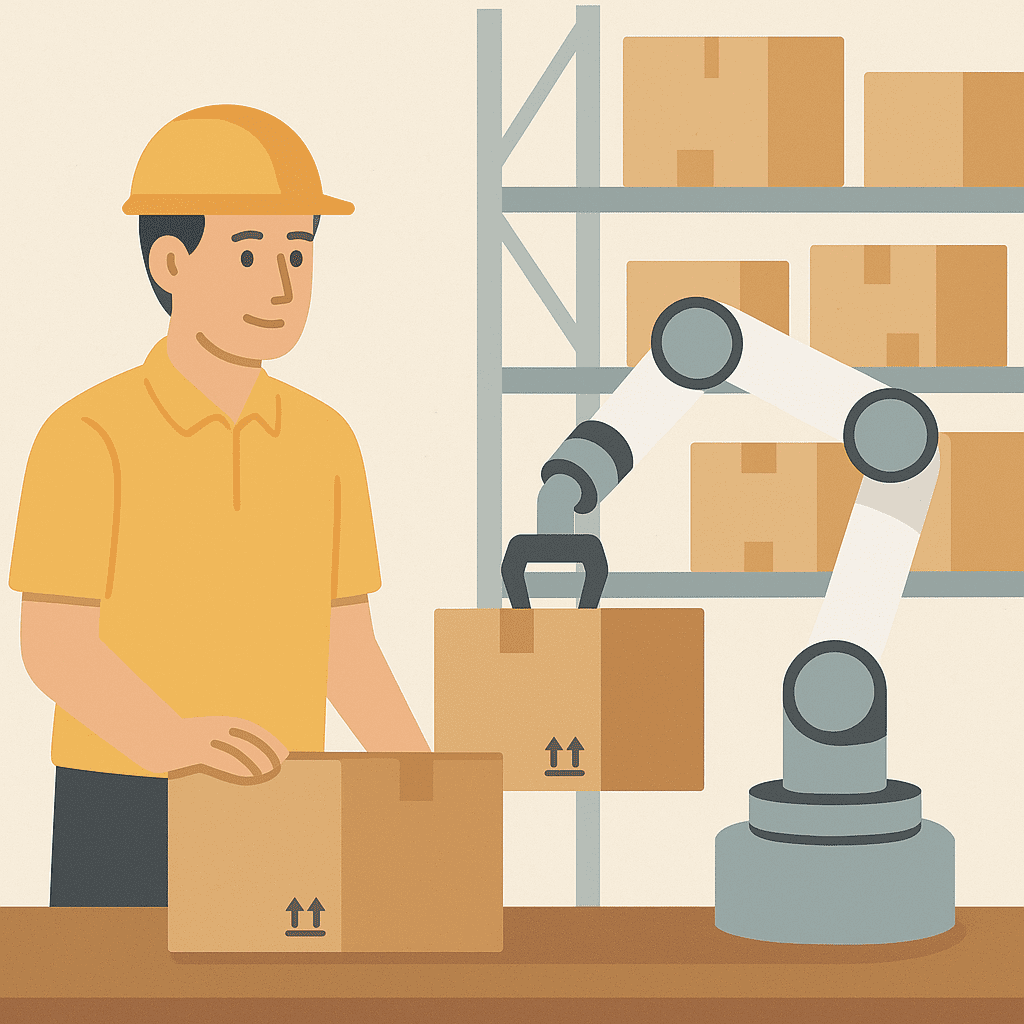
The rise of automation has triggered widespread debate about the fate of human jobs. However, rather than replacing humans entirely, the trend is shifting toward collaboration—robots handle repetitive or dangerous tasks, while humans focus on strategy, creativity, and supervision.
This concept, known as cobots (collaborative robots), is gaining momentum. Cobots are designed to safely work alongside humans, improving efficiency without eliminating human roles.
Emerging Trends in Automation and Robotics
🔄 Industry 5.0
A new paradigm that combines human creativity with machine efficiency. It’s not just about automation—but about human-centric automation.
🌐 IoT and Smart Devices
The Internet of Things (IoT) enables machines to communicate, optimize processes, and predict maintenance needs.
🤖 AI-Driven Robotics
Artificial intelligence is transforming robots from task executors to decision-makers that can adapt to dynamic environments.
☁️ Cloud Robotics
Robots now use cloud platforms to access data and collaborate over large-scale networks—enabling smarter and more scalable deployments.
♻️ Sustainable Automation
Automation systems are being developed with energy efficiency and sustainability in mind, reducing environmental footprints.
How Businesses Can Prepare for an Automated Future
- Upskilling the Workforce
Invest in training programs that equip employees with digital, technical, and analytical skills. - Start Small, Scale Smart
Begin with automating small tasks and processes, then gradually expand based on ROI. - Adopt a Hybrid Approach
Use a combination of human skills and machine capabilities to maximize efficiency and innovation. - Invest in Change Management
Ensure employees are involved and supported during automation transitions to avoid resistance.
Conclusion Automation and Robotics
Automation and robotics are not just trends—they are the foundation of the next industrial evolution. While challenges remain, the potential to increase productivity, improve quality, and reshape entire industries is undeniable.
By embracing these technologies responsibly, businesses can future-proof their operations and unlock unprecedented opportunities. The key lies not in replacing humans, but in enabling them to achieve more—with the help of machines.