What is a Computer? ~ In today’s digital era, computers have become an essential part of our daily lives. From smartphones in our pockets to powerful servers running global networks, the concept of a “computer” encompasses a wide variety of devices that process data and perform tasks automatically. But what exactly is a computer? How did it evolve, and what makes it such a vital tool in the modern world?
This article provides a complete overview of what a computer is, its components, types, and how it impacts our lives.
1. Definition of a Computer
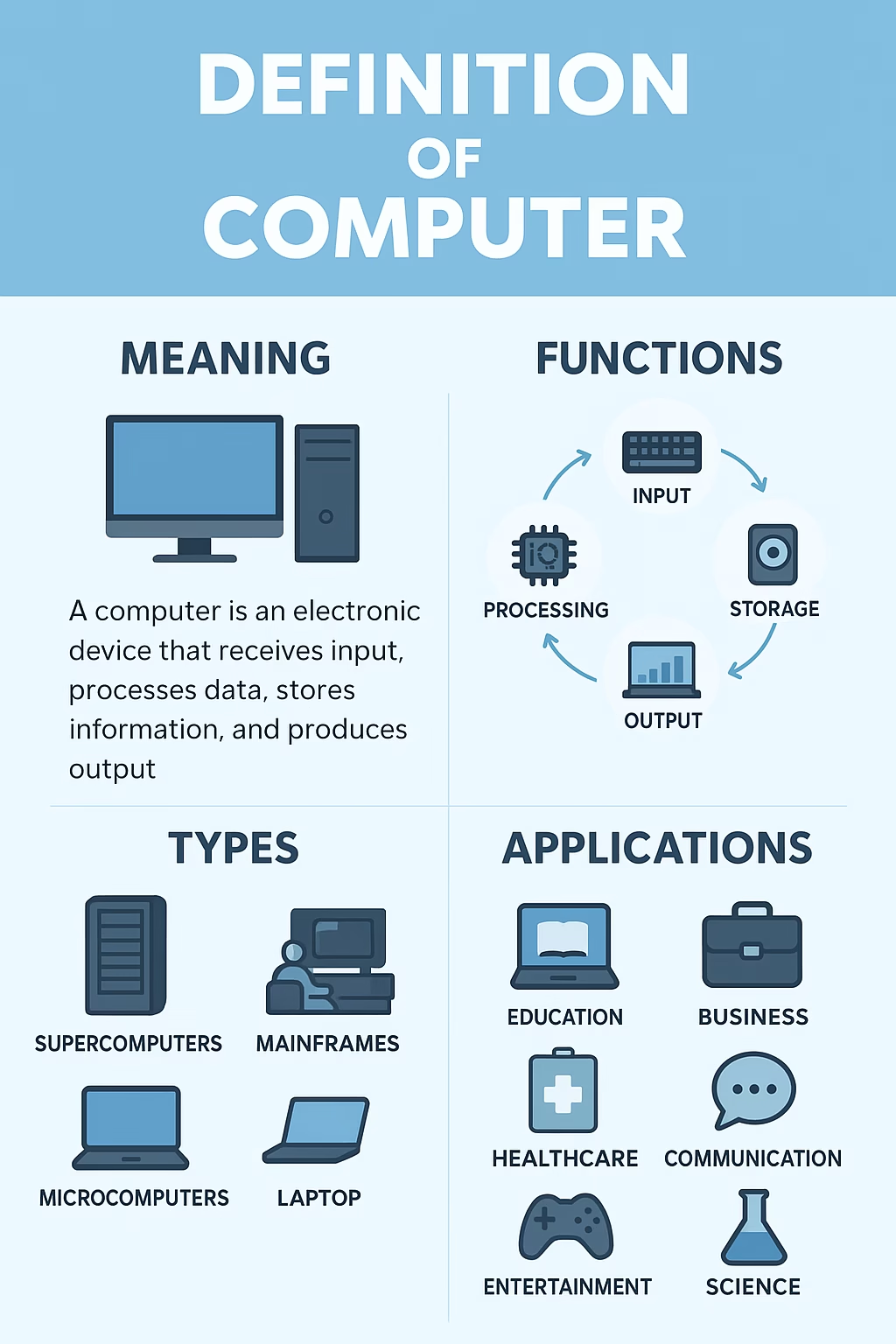
A computer is an electronic device designed to process, store, and output data. At its core, a computer accepts input from a user, processes the input using instructions (software), and produces output. This simple Input-Process-Output (IPO) cycle forms the basis of computing.
The term “computer” originally referred to human beings who performed calculations. However, since the mid-20th century, it has exclusively referred to programmable electronic machines.
Read More about Definition of Computer: A Comprehensive Guide to Meaning, Functions, and Applications
2. Core Functions of a Computer
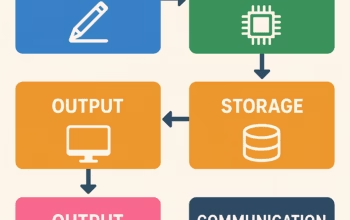
The primary functions of a computer can be summarized into four key processes:
- Input: Receiving data and instructions through input devices such as keyboards, mice, scanners, and sensors.
- Processing: Performing calculations or operations based on instructions provided by software. This is handled by the Central Processing Unit (CPU).
- Storage: Saving data temporarily (RAM) or permanently (hard drives, SSDs, cloud storage).
- Output: Presenting results via devices like monitors, printers, speakers, or network connections.
Read More about Functions of a Computer: A Comprehensive Guide to How Computers Work
3. Main Components of a Computer
To understand how a computer works, it’s essential to know its fundamental components:
- Central Processing Unit (CPU): Often called the “brain” of the computer, it executes instructions and processes data.
- Memory (RAM): Temporary storage used for running applications and active processes.
- Storage Devices: Permanent data storage such as Hard Disk Drives (HDDs), Solid-State Drives (SSDs), or cloud solutions.
- Motherboard: The main circuit board connecting all components.
- Input Devices: Tools like keyboards, mice, touchscreens, and microphones that provide data to the computer.
- Output Devices: Monitors, printers, and audio devices that deliver results to the user.
- Power Supply: Provides electrical power to all components.
Modern computers may also include Graphics Processing Units (GPUs) for rendering visuals and accelerating complex calculations.
Read More about Components of a Computer: A Complete Guide to Understanding the Building Blocks of Modern Technology
4. Types of Computers
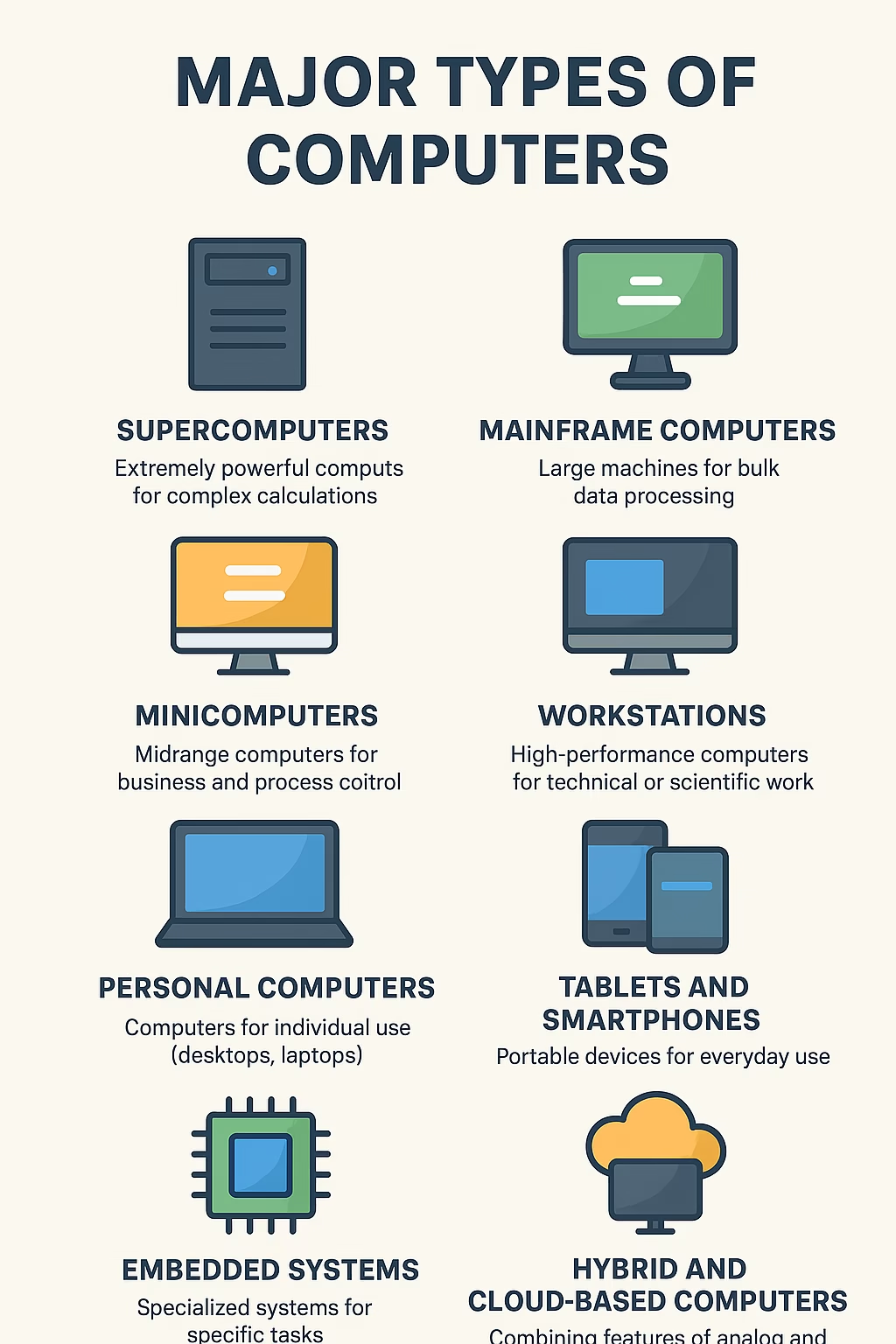
Computers come in various types, each serving different purposes:
- Personal Computers (PCs): Desktop and laptop computers used by individuals for everyday tasks like browsing, gaming, and office work.
- Mobile Devices: Smartphones and tablets are compact computers designed for communication and mobility.
- Servers: Powerful systems that provide resources, services, and data storage to other computers over networks.
- Supercomputers: Extremely fast machines used for complex scientific calculations, climate modeling, and research.
- Embedded Systems: Computers integrated into other devices like cars, appliances, and medical equipment.
- Wearable Computers: Devices like smartwatches that provide computing power on the go.
Read More about Types of Computers: A Complete Guide to Classifications and Functions
5. Software: The Brain Behind the Hardware
A computer is useless without software. Software refers to the programs and operating systems that control hardware and allow users to perform tasks. There are two main types:
- System Software: Manages hardware resources and provides a platform for applications (e.g., Windows, macOS, Linux).
- Application Software: Designed for specific tasks such as word processing, gaming, web browsing, and photo editing.
6. The Evolution of Computers
The history of computers can be divided into several generations:
- First Generation (1940s–1950s): Vacuum tube technology, large and power-hungry machines.
- Second Generation (1950s–1960s): Transistors replaced vacuum tubes, making computers smaller and faster.
- Third Generation (1960s–1970s): Integrated circuits improved efficiency and cost.
- Fourth Generation (1970s–present): Microprocessors and personal computers revolutionized computing.
- Fifth Generation (Present and Beyond): Artificial intelligence, quantum computing, and advanced parallel processing are shaping the future.
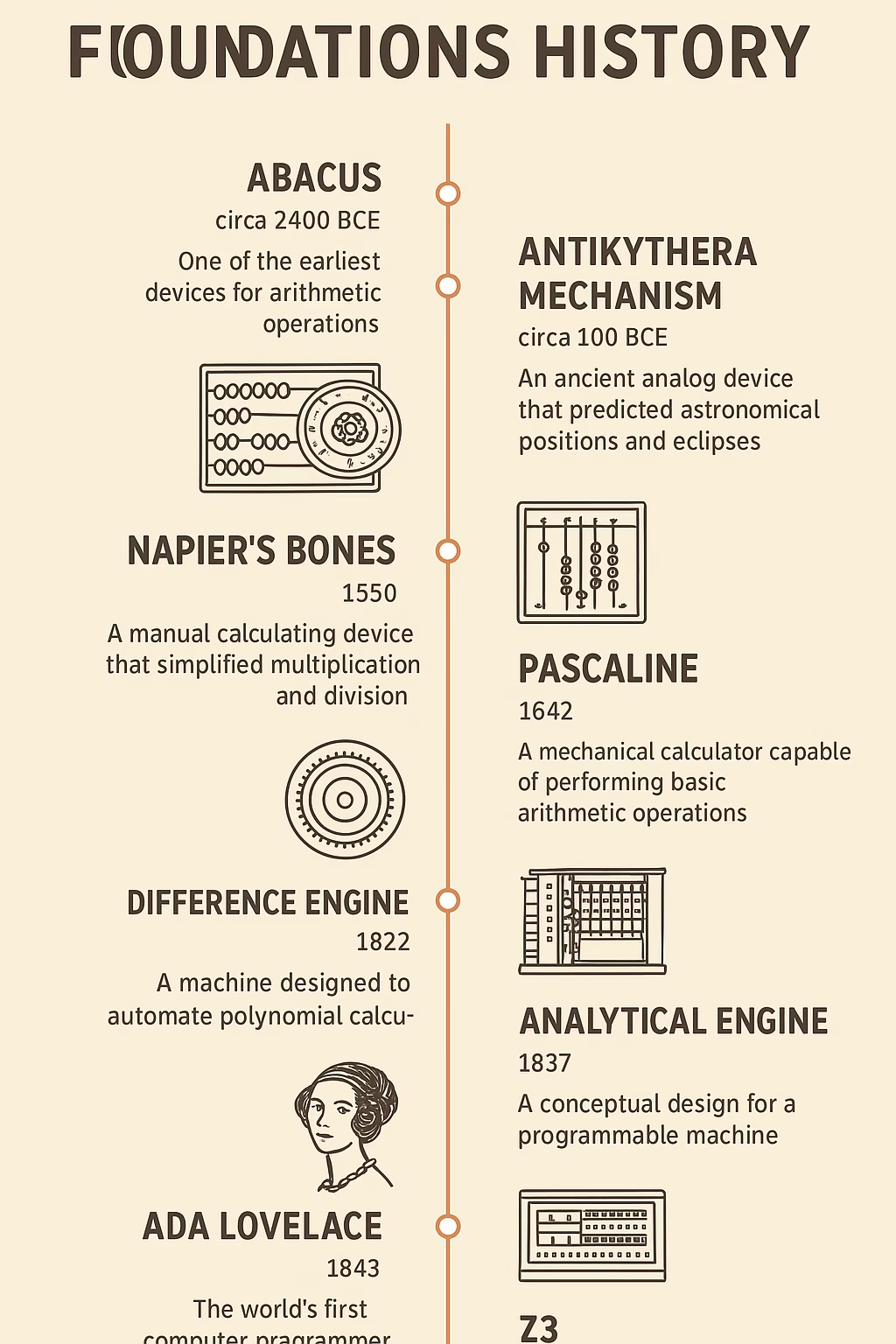
Read More about A Brief History of Computers: From Mechanical Devices to Modern Technology
7. The Role of Computers in Modern Life
Computers have transformed nearly every aspect of human life:
- Communication: Emails, video calls, and instant messaging rely on computers.
- Education: E-learning platforms and virtual classrooms are powered by digital technology.
- Business: Automation, data analysis, and online services depend on computers.
- Healthcare: From patient records to advanced diagnostics, computers enhance healthcare systems.
- Entertainment: Gaming, streaming, and digital media are all computer-driven.
Read More about The Role of Computers in Modern Life: Transforming Society and Daily Living

8. Future of Computing
Emerging technologies promise to reshape computing:
- Artificial Intelligence (AI): Machines that can learn and make decisions.
- Quantum Computing: Ultra-powerful processing capabilities for solving complex problems.
- Edge Computing: Processing data closer to where it’s generated for faster performance.
- Internet of Things (IoT): Expanding networked devices across homes, cities, and industries.
Read More about Challenges and Future of Computers
Conclusion
A computer is far more than a machine—it’s a foundation of modern civilization. Understanding what a computer is, how it works, and its various applications helps us appreciate the technology we often take for granted. As computing continues to evolve, its role in shaping the future will only grow stronger.