
Electrical systems are the backbone of modern civilization, powering everything from small electronic devices to large industrial machinery. Understanding the different types of electrical systems is essential for engineers, technicians, electricians, and even everyday consumers who rely on these systems for work, communication, and comfort.
In this article, we will explore the main types of electrical systems, their components, how they function, and where they are most commonly used.
1. What is an Electrical System?
An electrical system is a network of electrical components designed to generate, transmit, distribute, and utilize electrical energy. These systems can vary in complexity, ranging from a simple circuit powering a light bulb to large-scale grids delivering electricity to entire cities.
An electrical system typically consists of:
- Power Sources: Generators, batteries, or renewable energy systems that produce electricity.
- Transmission Components: Wires, transformers, and substations that carry electricity from one point to another.
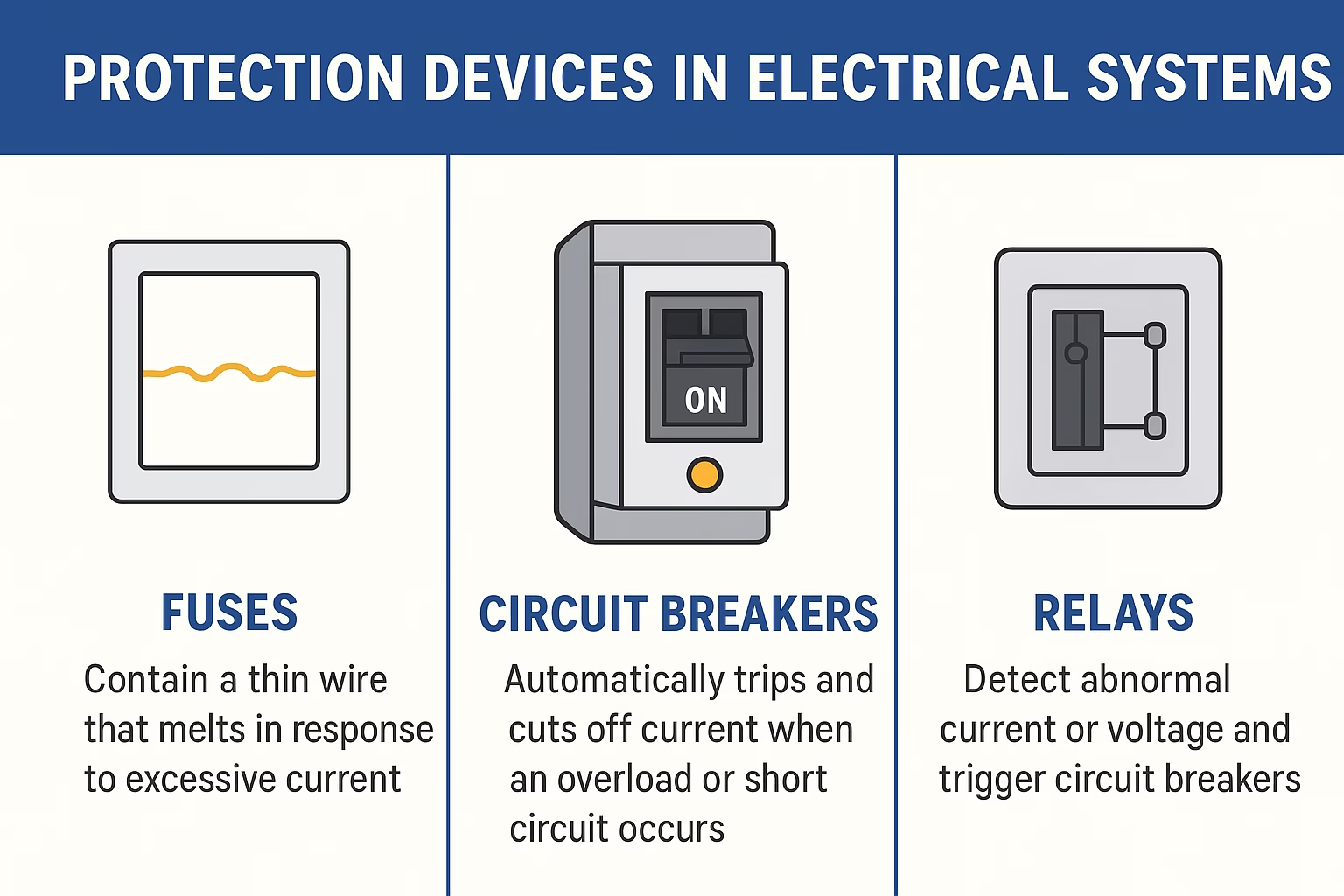
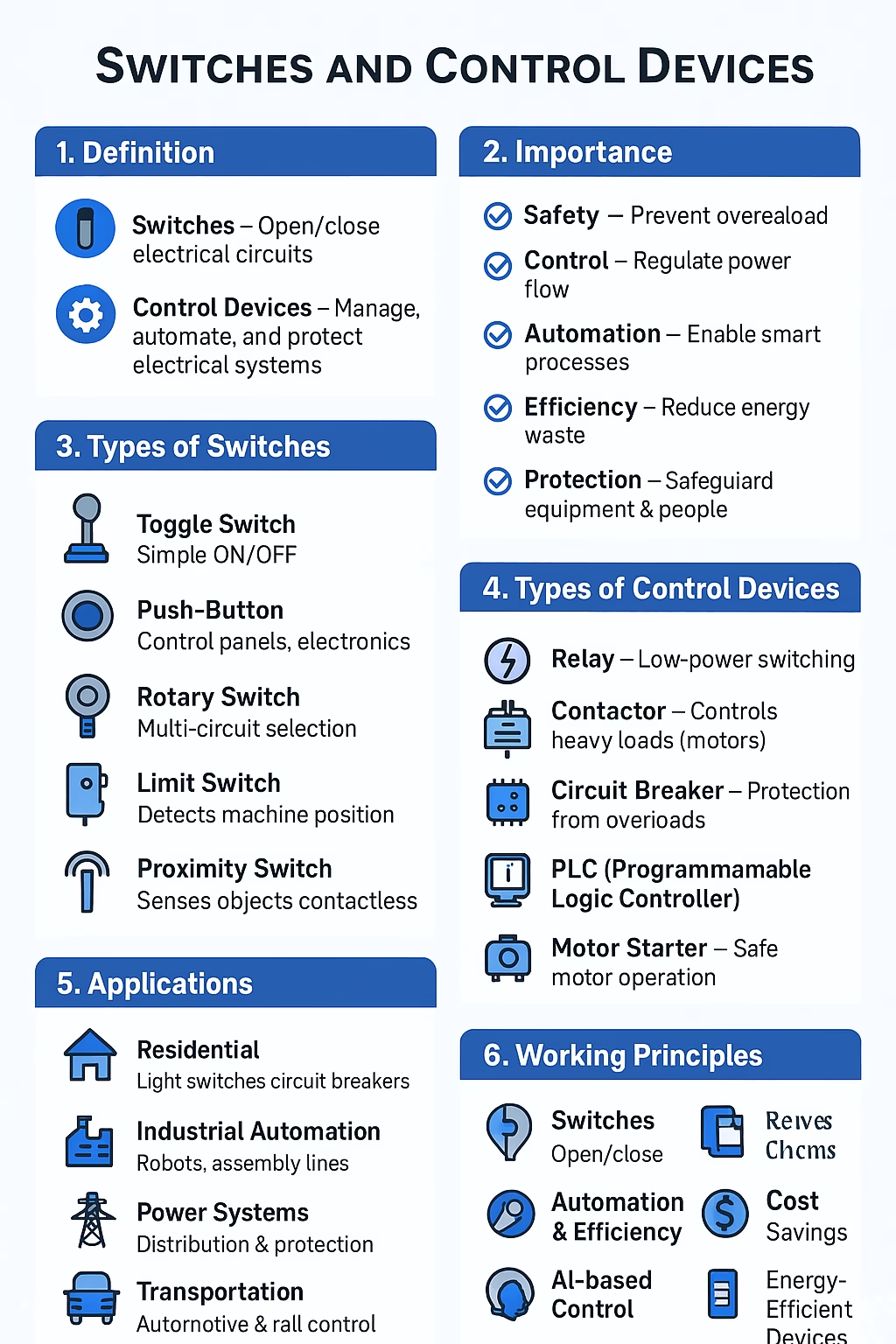
- Control Devices: Switches, circuit breakers, and relays to manage electrical flow.
- Loads: Appliances, machines, and devices that consume electricity.
2. Main Types of Electrical Systems
Electrical systems can be classified in several ways, depending on the type of current, number of phases, and application. The main categories include:
- Direct Current (DC) Systems
- Alternating Current (AC) Systems
- Single-Phase Systems
- Three-Phase Systems
- Low Voltage and High Voltage Systems
- Specialized Electrical Systems
Let’s discuss each type in detail.
2.1 Types of Electrical Systems: Direct Current (DC) Electrical Systems
Definition: A DC electrical system delivers electricity in a constant direction, meaning the flow of electrons remains steady.
Characteristics:
- Voltage remains constant over time.
- Ideal for applications requiring stable and continuous power.
- Energy storage is usually in batteries or capacitors.
Applications:
- Battery-powered devices (mobile phones, laptops, flashlights).
- Electric vehicles (EVs) and hybrid cars.
- Renewable energy storage systems (solar panels with battery banks).
- DC motors used in robotics and industrial automation.
Advantages:
- Stable voltage and current.
- Suitable for sensitive electronic circuits.
- Easier integration with renewable energy sources.
Disadvantages:
- Difficult to transmit over long distances without high losses.
- Requires conversion to AC for compatibility with many appliances.
2.2 Types of Electrical Systems: Alternating Current (AC) Electrical Systems
Definition: In an AC system, the direction of current flow alternates periodically, typically in the form of a sine wave.
Characteristics:
- Frequency is typically 50 Hz or 60 Hz depending on the country.
- Voltage can be easily increased or decreased using transformers.
Applications:
- Household electricity supply.
- Industrial power distribution.
- Power transmission over long distances.
Advantages:
- More efficient for high-voltage transmission.
- Can be easily transformed to different voltage levels.
- Widely compatible with most appliances.
Disadvantages:
- Requires rectification for use in DC-only devices.
- Higher complexity in certain applications compared to DC.
2.3 Types of Electrical Systems: Single-Phase Electrical Systems
Definition: A single-phase system delivers AC power through two wires: one live (phase) wire and one neutral wire.
Characteristics:
- Voltage levels vary by country (commonly 120V or 230V).
- Typically used for lower power requirements.
Applications:
- Residential homes.
- Small shops and offices.
- Light electrical loads such as lighting and small appliances.
Advantages:
- Simpler design and lower installation cost.
- Ideal for low-power applications.
Disadvantages:
- Less efficient for heavy loads.
- Voltage fluctuations are more common under varying loads.
2.4 Types of Electrical Systems: Three-Phase Electrical Systems
Definition: A three-phase system uses three AC voltages, each phase 120 degrees apart, providing a constant flow of power.
Characteristics:
- Commonly used for heavy industrial applications.
- Provides higher efficiency and power stability.
Applications:
- Manufacturing plants.
- Large motors and heavy machinery.
- Power distribution for commercial buildings.
Advantages:
- Delivers more power with smaller conductors.
- Provides smooth and constant torque in motors.
- Reduced energy losses.
Disadvantages:
- Higher installation costs compared to single-phase.
- More complex wiring and equipment.
2.5 Types of Electrical Systems: Low Voltage and High Voltage Electrical Systems
Electrical systems can also be categorized by the voltage level:
- Low Voltage (LV): Up to 1000 volts AC or 1500 volts DC. Used in residential and commercial buildings for lighting, appliances, and office equipment.
- High Voltage (HV): Above 1000 volts AC or 1500 volts DC. Used for long-distance transmission and heavy industrial equipment.
2.6 Specialized Electrical Systems
Some electrical systems are designed for specific purposes, including:
- Emergency Power Systems: Backup generators, UPS (Uninterruptible Power Supplies).
- Renewable Energy Systems: Solar photovoltaic (PV), wind turbines, and micro-hydro systems.
- Marine and Aviation Electrical Systems: Specially designed to handle environmental challenges.
- Automotive Electrical Systems: Powering vehicle electronics and control systems.

3. Choosing the Right Electrical System
When selecting an electrical system for a building, project, or application, several factors must be considered:
- Power Requirements: Determine whether single-phase or three-phase power is needed.
- Transmission Distance: AC systems are better for long-distance power delivery.
- Safety and Regulations: Follow local electrical codes and safety standards.
- Cost and Efficiency: Consider installation costs, maintenance, and energy losses.
4. Future Trends in Electrical Systems
The electrical industry is rapidly evolving with advancements in technology. Some future trends include:
- Smart Grids: Intelligent power distribution networks for better efficiency and reliability.
- Integration of Renewable Energy: Increased use of solar, wind, and energy storage systems.
- Wireless Power Transmission: Emerging technologies for contactless energy transfer.
- Energy Efficiency Improvements: Development of low-loss transmission lines and energy-saving devices.
Conclusion
Electrical systems are essential for powering the world, from homes and offices to large-scale industries. Understanding the differences between DC, AC, single-phase, and three-phase systems is crucial for selecting the right setup for any application. With the rise of renewable energy and smart technologies, the future of electrical systems promises to be more efficient, sustainable, and interconnected.
By familiarizing yourself with the types of electrical systems and their applications, you can make informed decisions that ensure safety, efficiency, and reliability in electrical projects.