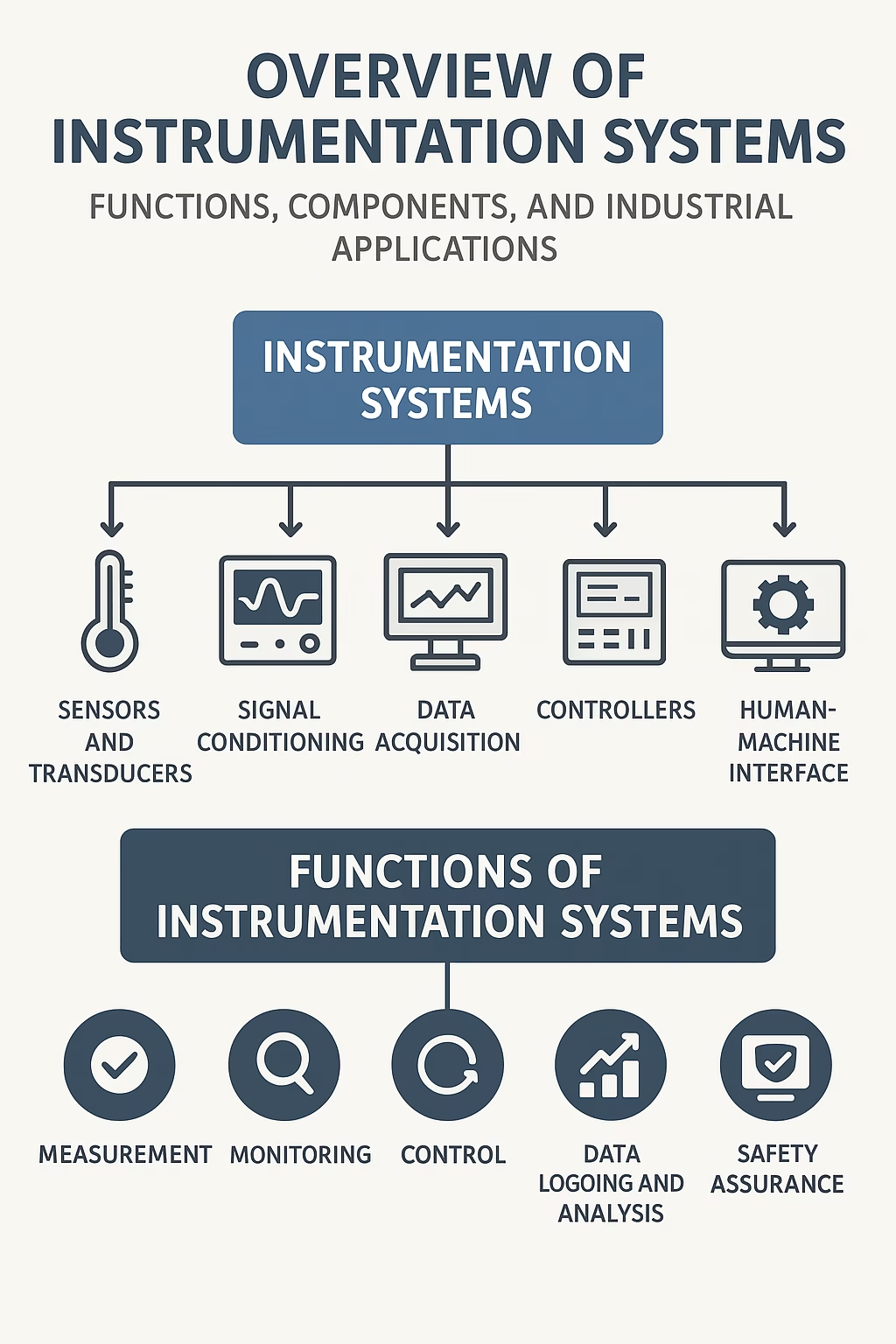
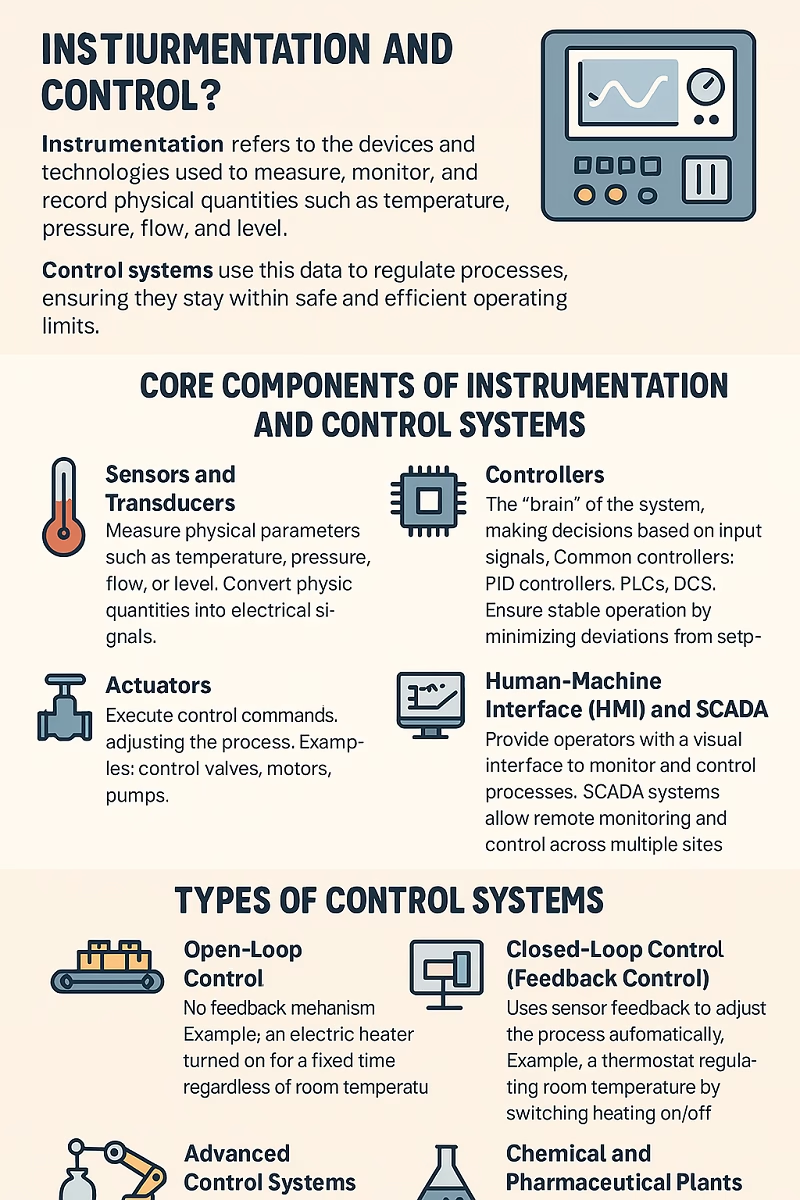
In various industries, accurate temperature measurement is crucial for ensuring product quality, process efficiency, and safety. This makes temperature instrumentation a cornerstone of modern industrial control systems. Whether it’s in food processing, chemical manufacturing, or electronics, monitoring and controlling temperature can make or break an operation.
In this article, we will explore the fundamentals of temperature instrumentation—what it is, the different types, how it works, and where it’s used.
🔍 What is Temperature Instrumentation?
Temperature instrumentation refers to a set of tools, devices, and systems used to measure, monitor, and control temperature in a specific environment or process. These instruments convert thermal energy into readable values, which can be used manually or fed into automated control systems.
This instrumentation is essential for:
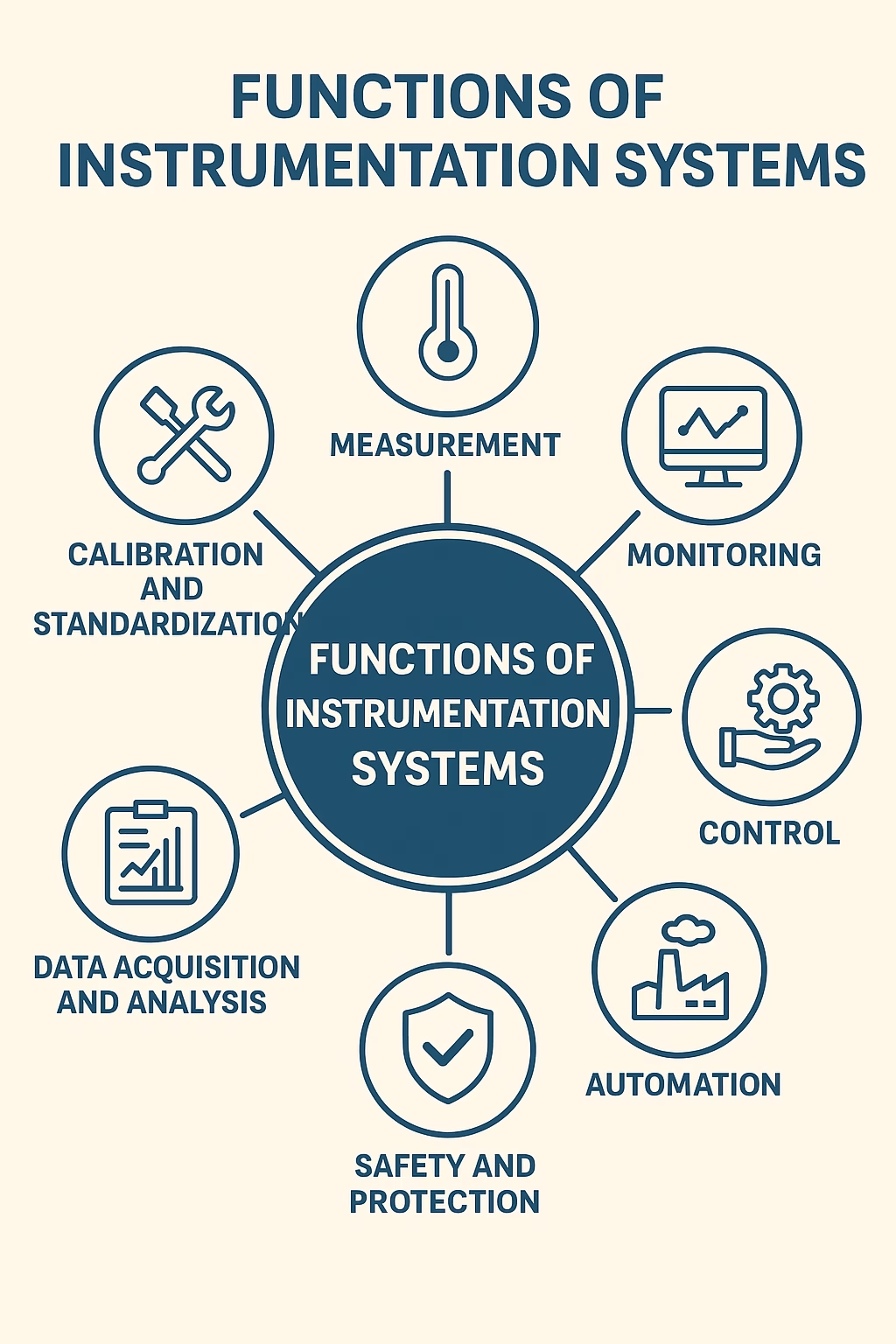
- Maintaining safe operating conditions
- Ensuring quality control
- Enhancing efficiency
- Supporting data logging and analysis
📏 Common Units of Temperature Measurement
Before diving into the types of instruments, it’s useful to know the most commonly used temperature units:
- Celsius (°C) – Widely used internationally
- Fahrenheit (°F) – Common in the United States
- Kelvin (K) – Used in scientific contexts and calculations
All temperature instruments are calibrated to read in one or more of these units.
🧪 Types of Temperature Instrumentation
There are several types of temperature instruments, each with unique characteristics suited to different applications. Below are the most common:
1. Temperature Instrumentation: Thermocouples
How it Works:
A thermocouple consists of two dissimilar metals joined at one end. When there’s a temperature difference between the joined end and the open ends, it generates a voltage proportional to the temperature.
Pros:
- Wide temperature range (-200°C to 2000°C)
- Durable and inexpensive
- Fast response time
Cons:
- Less accurate than other sensors
- Requires cold-junction compensation
Applications:
- Industrial furnaces
- Engines and turbines
- HVAC systems
2. Temperature Instrumentation: Resistance Temperature Detectors (RTDs)
How it Works:
RTDs use a metal (usually platinum) that changes resistance as the temperature changes. The resistance is measured and converted to a temperature value.
Pros:
- High accuracy and stability
- Linear response
- Good for narrow temperature ranges
Cons:
- Slower response time than thermocouples
- More expensive
Applications:
- Laboratory measurements
- Pharmaceutical processes
- Food processing
3. Thermistors
How it Works:
Thermistors are temperature-sensitive resistors, typically made of ceramic materials. Their resistance changes significantly with temperature.
Pros:
- Very high sensitivity
- Inexpensive
- Good for narrow temperature ranges
Cons:
- Non-linear output
- Not suitable for high temperatures
Applications:
- Household appliances
- Medical devices
- Consumer electronics
4. Infrared Thermometers
How it Works:
These devices measure temperature from a distance by detecting the infrared radiation emitted by an object.
Pros:
- Non-contact measurement
- Fast response
- Ideal for moving objects or hazardous environments
Cons:
- Can be affected by emissivity and environmental conditions
- Requires calibration
Applications:
- Electrical inspections
- Quality control in manufacturing
- Food safety monitoring
5. Bimetallic Thermometers
How it Works:
Two metals with different coefficients of expansion are bonded together. As the temperature changes, the metal strip bends due to different expansion rates, moving a needle on a dial.
Pros:
- Simple and robust
- No external power needed
- Suitable for rough environments
Cons:
- Lower accuracy
- Limited to basic applications
Applications:
- HVAC systems
- Mechanical equipment
- Domestic heating

⚙️ Working Principles of Temperature Sensors
All temperature sensors operate on one of the following principles:
- Thermoelectric effect – (e.g., thermocouples)
- Change in electrical resistance – (e.g., RTDs and thermistors)
- Thermal expansion – (e.g., bimetallic thermometers)
- Infrared radiation – (e.g., infrared thermometers)
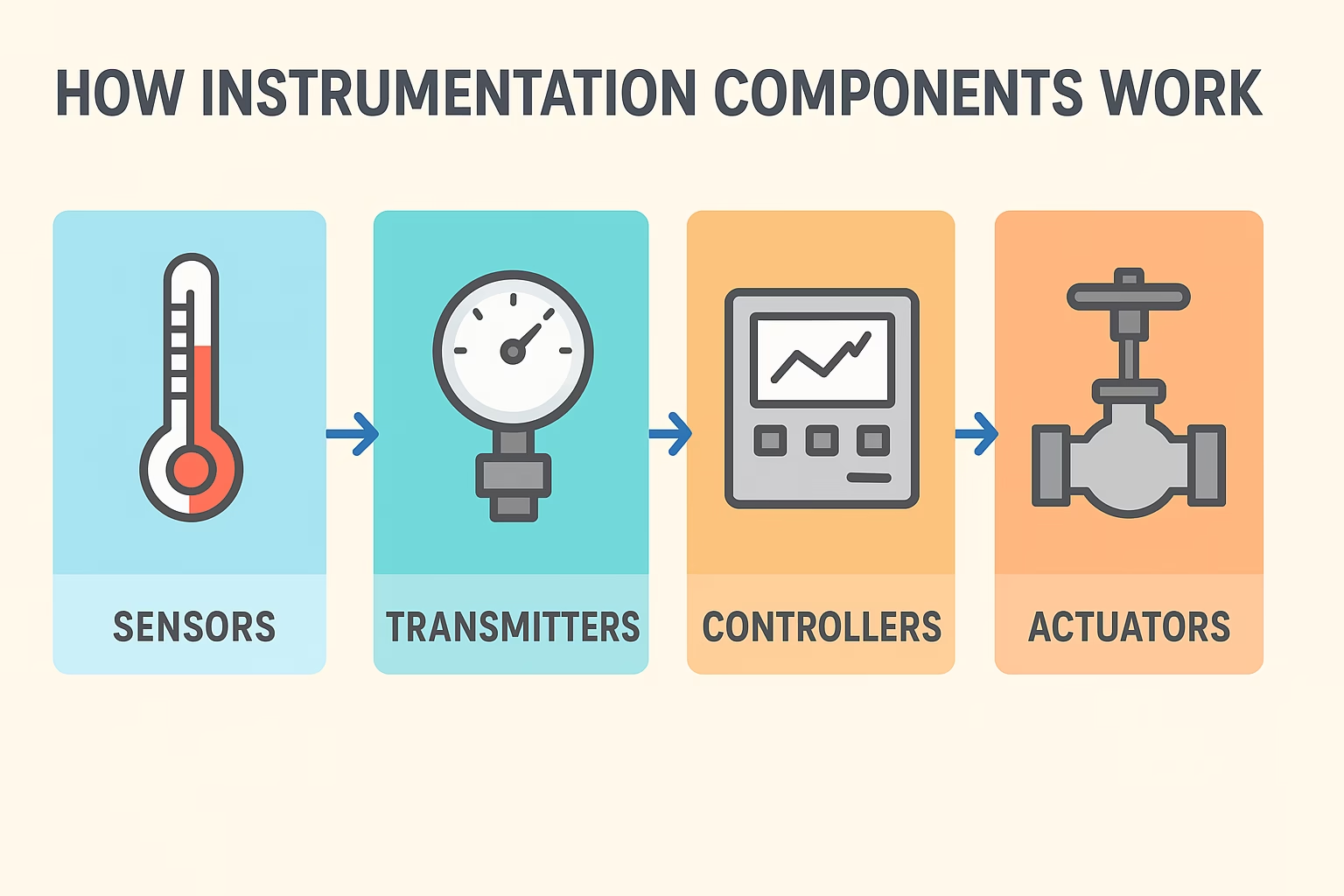
The output signal (voltage, resistance, current) is typically processed through a transmitter or controller for display, recording, or control actions.
🏭 Industrial Applications of Temperature Instrumentation
Temperature sensors are ubiquitous across multiple sectors, including:
1. Oil & Gas Industry
To monitor process temperatures in drilling, refining, and pipeline systems.
2. Food & Beverage
Ensuring safe cooking, storage, and transport conditions.
3. Pharmaceuticals
For validating sterilization and maintaining cleanroom conditions.
4. HVAC Systems
Controlling air temperature for comfort and energy efficiency.
5. Automotive
Engine and exhaust temperature monitoring to improve performance.
6. Semiconductor Industry
Maintaining precise temperatures during wafer fabrication.
📡 Integration with Automation Systems
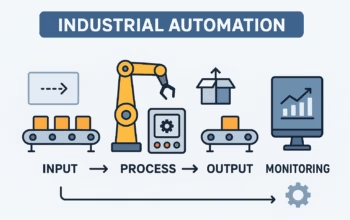
Modern temperature instrumentation often connects to larger SCADA systems, PLC controllers, or DCS (Distributed Control Systems). This allows for:
- Real-time monitoring
- Predictive maintenance
- Automated control
- Data logging and analysis
Wireless temperature transmitters and IIoT-enabled devices are also gaining popularity in smart factories.
📐 Factors to Consider When Choosing a Temperature Sensor
- Temperature range
- Accuracy requirements
- Response time
- Environmental conditions
- Cost and durability
- Need for calibration or maintenance
Proper selection ensures optimal performance and cost-effectiveness.
🌐 Future Trends in Temperature Instrumentation
The field is evolving rapidly with advancements in materials, wireless technology, and AI integration. Key trends include:
- Miniaturization of sensors
- Integration with AI for predictive analytics
- Wireless and battery-free solutions
- Cloud-based data platforms for remote monitoring
✅ Conclusion of Temperature Instrumentation
Temperature instrumentation plays a critical role in ensuring safety, quality, and efficiency across industries. By understanding the various types, principles, and applications, engineers and technicians can make informed decisions when designing or maintaining temperature control systems.
Whether you’re in industrial automation, process engineering, or R&D, temperature instruments are fundamental tools you can’t afford to overlook.