In every electrical and industrial system, switches and control devices play a crucial role in regulating power, controlling machinery, and ensuring safety. From a simple light switch in a household to advanced programmable logic controllers (PLCs) in factories, these devices are indispensable. They act as the “decision makers” within circuits, directing current flow, activating equipment, and protecting systems from overloads.
This article explores the types, functions, and applications of switches and control devices, highlighting their importance in both domestic and industrial contexts.
1. What Are Switches and Control Devices?
Switches and control devices are electromechanical or electronic components designed to manage the flow of electricity in a circuit.
- A switch is a device that can open or close a circuit, allowing or interrupting the flow of current.
- Control devices are broader and include components such as relays, contactors, circuit breakers, and programmable systems that manage and automate operations.
In simple terms, switches are the most basic form of control, while control devices encompass more advanced technologies used for automation, monitoring, and protection.
2. Importance of Switches and Control Devices
Why are these components so essential?
- Safety: Prevent electrical overloads and short circuits.
- Control: Enable users to regulate power to equipment.
- Automation: Allow machines to operate automatically with minimal human intervention.
- Efficiency: Reduce energy waste and improve operational reliability.
- Protection: Safeguard equipment and personnel from electrical hazards.
Without these devices, modern industries, homes, and power systems could not function safely or efficiently.
3. Types of Switches
Switches come in various designs depending on their application:
a. Toggle Switches
- Simple on/off switches commonly used in homes and appliances.
- Operated by flipping a lever.
b. Push-Button Switches
- Activated by pressing a button.
- Widely used in control panels and electronic devices.
c. Rotary Switches
- Allow multiple circuit selections by rotating a knob.
- Used in fan speed regulators and audio equipment.
d. Limit Switches
- Detect mechanical movement or position of a machine component.
- Used in automation systems for safety interlocking.
e. Proximity Switches
- Detect the presence of objects without physical contact.
- Essential in robotics and industrial automation.
4. Types of Control Devices
Control devices are more advanced than simple switches and include:
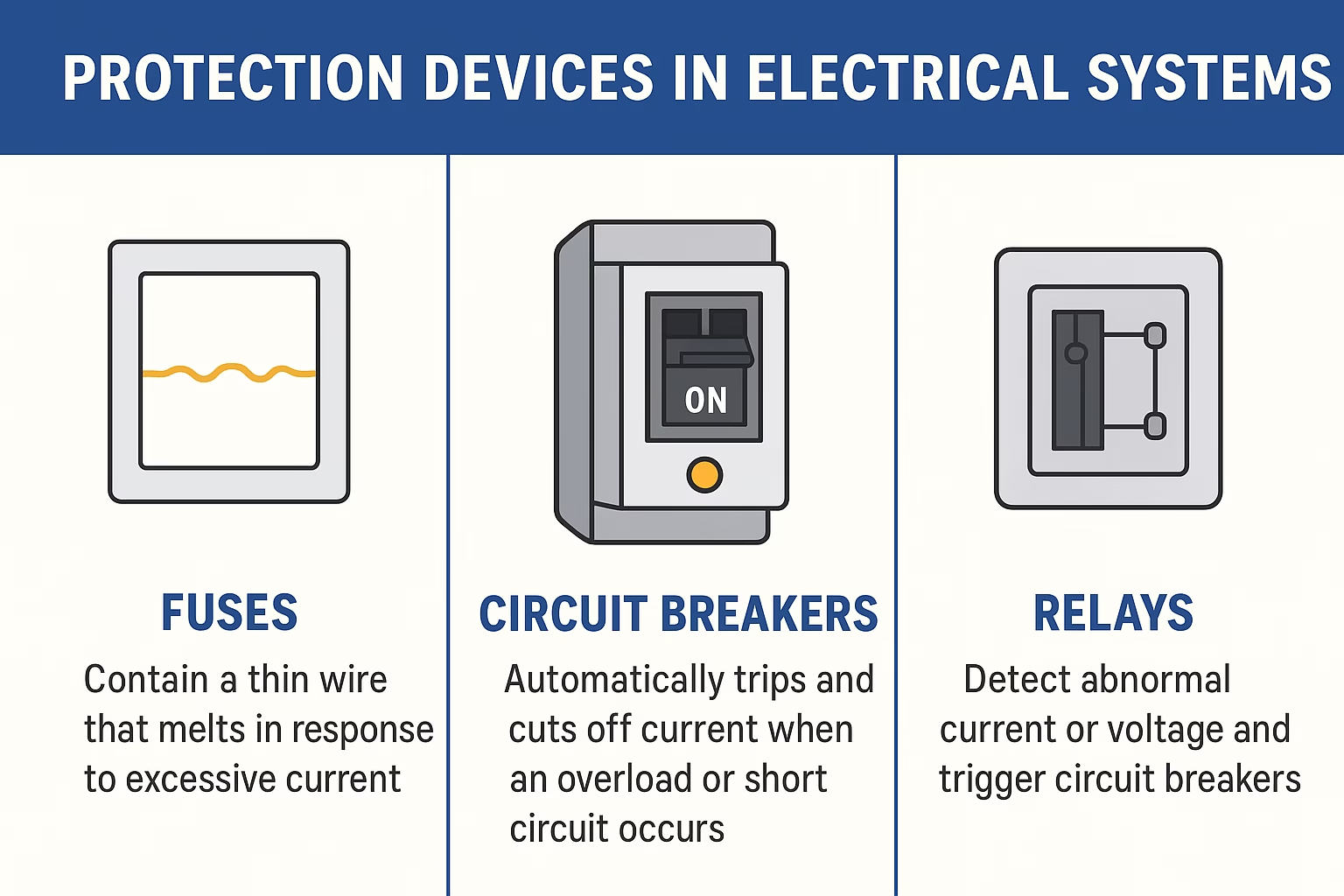
a. Relays
- Electromagnetic switches controlled by low-power signals.
- Used for switching circuits and providing isolation.
b. Contactors
- Heavy-duty relays designed to control high-power equipment.
- Common in motor control systems.
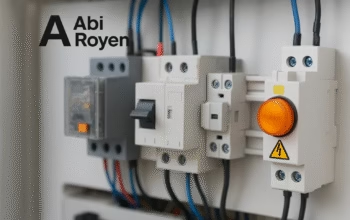
c. Circuit Breakers
- Automatically disconnect circuits during overload or short circuit.
- Vital for protecting both people and equipment.
d. Programmable Logic Controllers (PLCs)
- Advanced electronic devices used to automate complex industrial processes.
- Can control machines, assembly lines, and power plants.
e. Motor Starters
- Specialized devices for safely starting and stopping electric motors.
- Prevents damage caused by sudden inrush currents.
5. Applications of Switches and Control Devices
These components are found in nearly every sector:
a. Residential Applications
- Light switches, fan regulators, and circuit breakers ensure comfort and safety in homes.
b. Industrial Automation
- Proximity sensors, PLCs, and contactors control production lines, robots, and machinery.
c. Power Systems
- Circuit breakers and relays regulate power distribution and prevent failures.
d. Transportation
- Automotive systems use switches for lights, ignition, and safety features.
- Railways rely on control devices for signaling and automation.
e. Healthcare Equipment
- Medical machines rely on precise switches and control devices to operate safely and reliably.
6. Working Principles of Switches and Control Devices
- Switches work mechanically or electronically by creating a conductive path (closed) or breaking it (open).
- Relays and contactors use electromagnetic coils to pull contacts together and complete circuits.
- Circuit breakers detect abnormal current flow and automatically disconnect the circuit.
- PLCs rely on microprocessors and programmed logic to control automated processes.
The working principle depends on the type of device, but all aim to control and protect electrical flow.

7. Advantages of Using Switches and Control Devices
- Increased Safety – Protects equipment and personnel.
- Automation and Efficiency – Reduces manual intervention.
- Cost Savings – Prevents equipment damage and downtime.
- Flexibility – Devices can be adapted for different applications.
- Improved Reliability – Ensures stable and predictable operation.
8. Future Trends in Switches and Control Devices
The field is evolving with new technologies:
- Smart Switches: Integrated with IoT for remote monitoring.
- Touchless Devices: Proximity-based systems improving hygiene and safety.
- AI-Powered Control Systems: Intelligent automation in manufacturing.
- Energy-Efficient Devices: Designed to reduce power consumption.
These advancements will continue to shape modern electrical and industrial systems.
Conclusion of Switches and Control Devices
Switches and control devices are the backbone of electrical and industrial operations. From the simplicity of a household light switch to the complexity of a PLC-controlled assembly line, these components ensure safety, efficiency, and automation.
As industries move toward smart technologies and automation, switches and control devices will remain indispensable, evolving to meet modern demands in energy efficiency, safety, and intelligent control.
Understanding their functions, types, and applications helps engineers, technicians, and even homeowners appreciate their importance in daily life and industrial progress.