
Shipyards, often referred to as dockyards, are crucial establishments in the maritime sector. These industrial facilities specialize in the construction, repair, maintenance, and refitting of ships and other sea vessels. From massive cargo ships to luxury yachts and naval submarines, the development and upkeep of these vessels begin in shipyard.
This article will explore in-depth what shipyard are, the various types of facilities and equipment used, the processes involved in shipbuilding and repair, and the strategic role shipyard play in the global maritime economy.
1. What Is a Shipyard?
A shipyard is an industrial complex where ships are constructed and maintained. These facilities are typically located in coastal areas, riversides, or near harbors to provide direct access to navigable waters. Shipyards are equipped with large cranes, dry docks, slipways, fabrication shops, and assembly lines, all designed to support shipbuilding and repair operations.
2. History and Evolution of Shipyards
Shipbuilding has been a critical part of human history for thousands of years. Ancient civilizations such as the Egyptians, Greeks, and Romans had rudimentary shipyard for building wooden vessels. Over centuries, shipyard have evolved from simple wooden scaffolding by riverbanks to highly sophisticated and technologically advanced facilities capable of constructing steel and composite megastructures.
In the modern era, shipyards play a crucial role in global trade, defense, and maritime transport, serving commercial and military purposes alike.
3. Key Functions of a Shipyard
A shipyard serves multiple functions, primarily including:
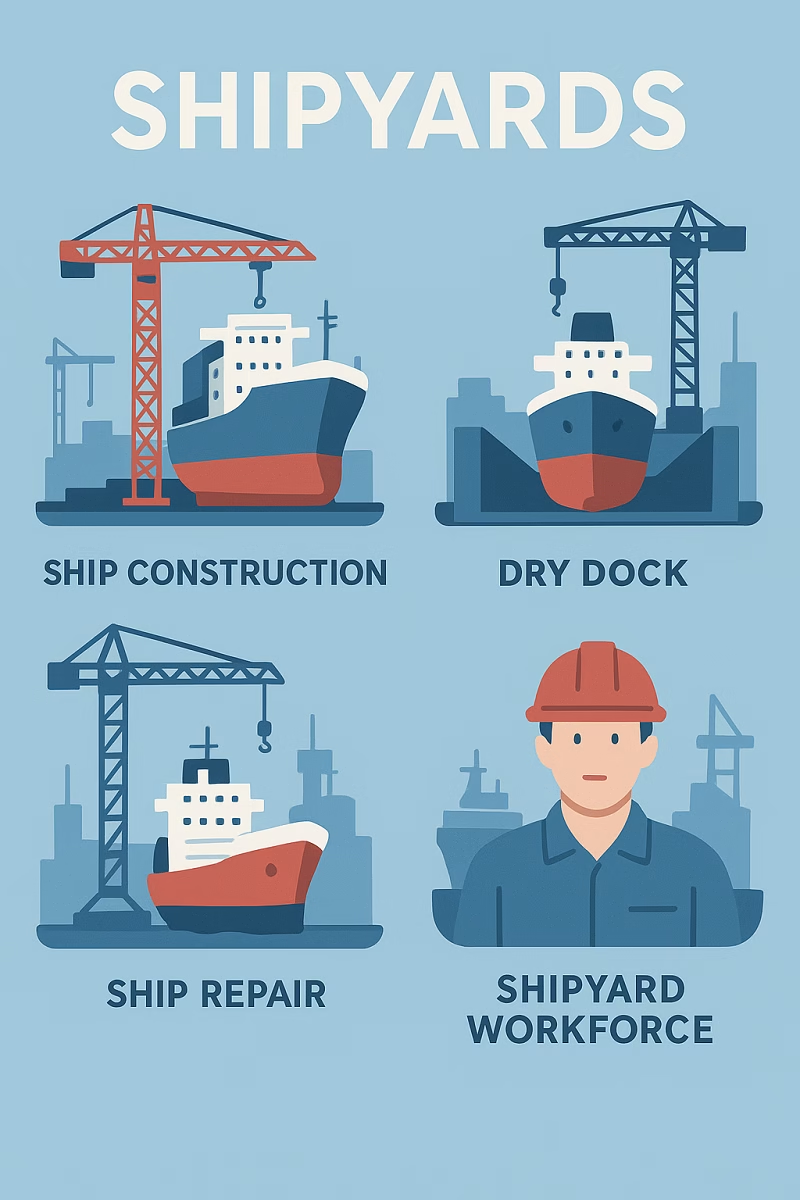
a. Ship Construction
This involves building new vessels from scratch. The process typically includes:
- Designing the ship with CAD tools
- Cutting and welding steel or composite materials
- Assembling the hull and superstructure
- Installing propulsion systems, navigation equipment, and interior components
b. Ship Repair and Maintenance
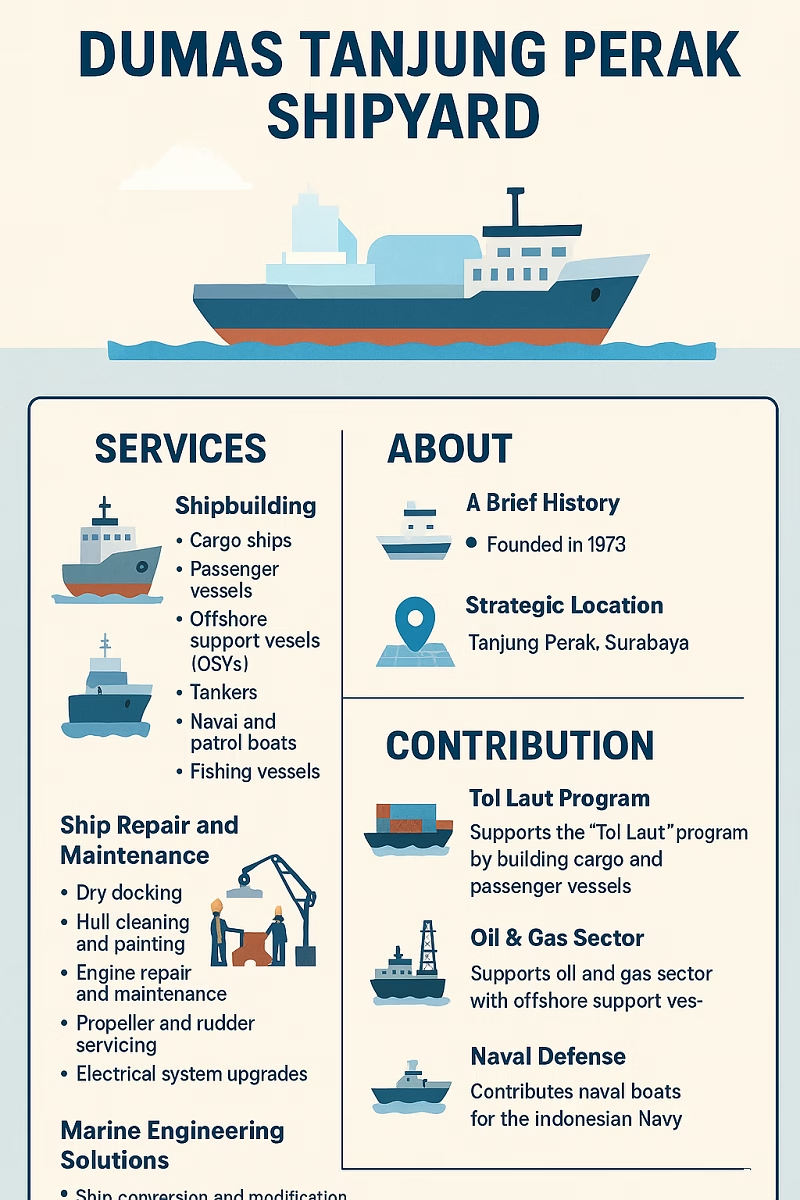
Ships undergo routine maintenance and emergency repairs to ensure seaworthiness and compliance with international regulations. Shipyards provide:
- Hull cleaning and painting
- Engine repairs and overhauls
- Replacement of worn or damaged parts
c. Ship Conversion and Upgrades
Shipyard also offer services to modify ships for new purposes, such as converting cargo ships into passenger vessels, or upgrading older ships with modern systems.
d. Testing and Commissioning
Before a newly built or repaired vessel is delivered, it undergoes:
- Harbor trials
- Sea trials
- Quality assurance and classification inspections
4. Main Shipyards Facilities
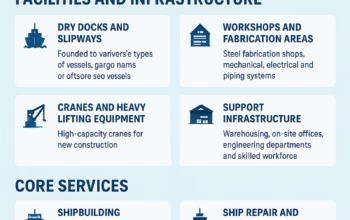
Modern shipyards incorporate a wide range of specialized facilities and equipment:
a. Dry Docks
Enclosed basins that can be drained of water, allowing workers to access the ship’s hull for repairs and construction.
b. Slipways
Inclined ramps where ships are launched or hauled out of the water.
c. Cranes and Gantries
Used for lifting heavy components like engines, masts, or steel plates.
d. Fabrication and Welding Shops
Where steel sections are cut, shaped, and welded together to form the ship’s structure.
e. Outfitting Berths
Where completed hulls are equipped with internal systems such as electrical wiring, HVAC, and furniture.
f. Painting and Blasting Areas
Facilities where ships are painted or receive anti-corrosion treatments.
5. Types of Shipyards
Shipyard may be categorized based on their size, capabilities, or specialization:
- Commercial Shipyards: Focused on cargo ships, tankers, cruise ships, etc.
- Naval Shipyards: Dedicated to building and maintaining military vessels.
- Specialized Shipyards: Cater to offshore platforms, submarines, or luxury yachts.
- Small and Medium Shipyards: Serve local needs such as fishing boats or ferries.
6. Key Global Shipbuilding Nations
The global shipbuilding industry is largely dominated by countries with strong maritime economies. These include:
- South Korea (e.g., Hyundai Heavy Industries)
- China (e.g., China State Shipbuilding Corporation)
- Japan (e.g., Mitsubishi Heavy Industries)
- Germany, Italy, and Singapore also have reputable shipyard serving niche markets and naval projects.
7. Economic and Strategic Importance of Shipyards
Shipyards are pivotal in:
- Generating employment: Skilled workers such as engineers, welders, and naval architects are in high demand.
- Boosting local economies: Through trade, logistics, and manufacturing ecosystems.
- National security: By constructing and maintaining naval fleets.
- Technological advancement: Encouraging innovation in marine propulsion, green fuels, and ship automation.
8. Environmental Challenges and Green Shipyards
Modern shipyard are embracing sustainable practices due to increased environmental regulations. Eco-friendly innovations include:
- Wastewater treatment and pollution control systems
- Use of low-VOC paints and anti-fouling coatings
- Energy-efficient machinery
- Recycling of materials and green ship design
The goal is to reduce the ecological footprint of shipbuilding without compromising on quality or safety.
9. Future Trends in Shipyards Development
The shipyard industry is rapidly evolving with advancements in:
- Digital Shipbuilding: Use of 3D modeling, simulation, and automation
- Robotics: For welding, painting, and inspection tasks
- Modular Construction: Assembling large prefabricated modules
- Smart Yards: Integration of IoT, AI, and big data for real-time monitoring and optimization
These developments aim to increase efficiency, reduce costs, and meet the growing demand for modern and sustainable ships.
10. Conclusion
Shipyards remain the backbone of the maritime industry. From constructing massive commercial ships to maintaining high-tech naval vessels, shipyards encompass a broad spectrum of engineering, logistics, and innovation. As global demand for maritime transport and sustainability increases, the role of shipyards will only become more vital in the 21st century.
Whether you’re an engineer, investor, student, or maritime enthusiast, understanding the shipyard’s significance offers insights into one of the most dynamic and impactful industries in the world.
📌 Want more maritime engineering insights? Visit Abi Royen for expert articles, technical guides, and more!