Principles of Instrumentation ~ Instrumentation plays a vital role in science, engineering, manufacturing, and automation. Whether in an industrial plant, a research laboratory, or a hospital, precise measurement and control are essential for maintaining quality, safety, and efficiency. To achieve this, instrumentation systems follow certain core principles that ensure reliable performance.
This article will explore the fundamental principles of instrumentation, covering accuracy, precision, sensitivity, linearity, range, calibration, and more. Understanding these principles will help engineers, technicians, and students design, select, and maintain effective measurement systems.
1. Introduction to Instrumentation
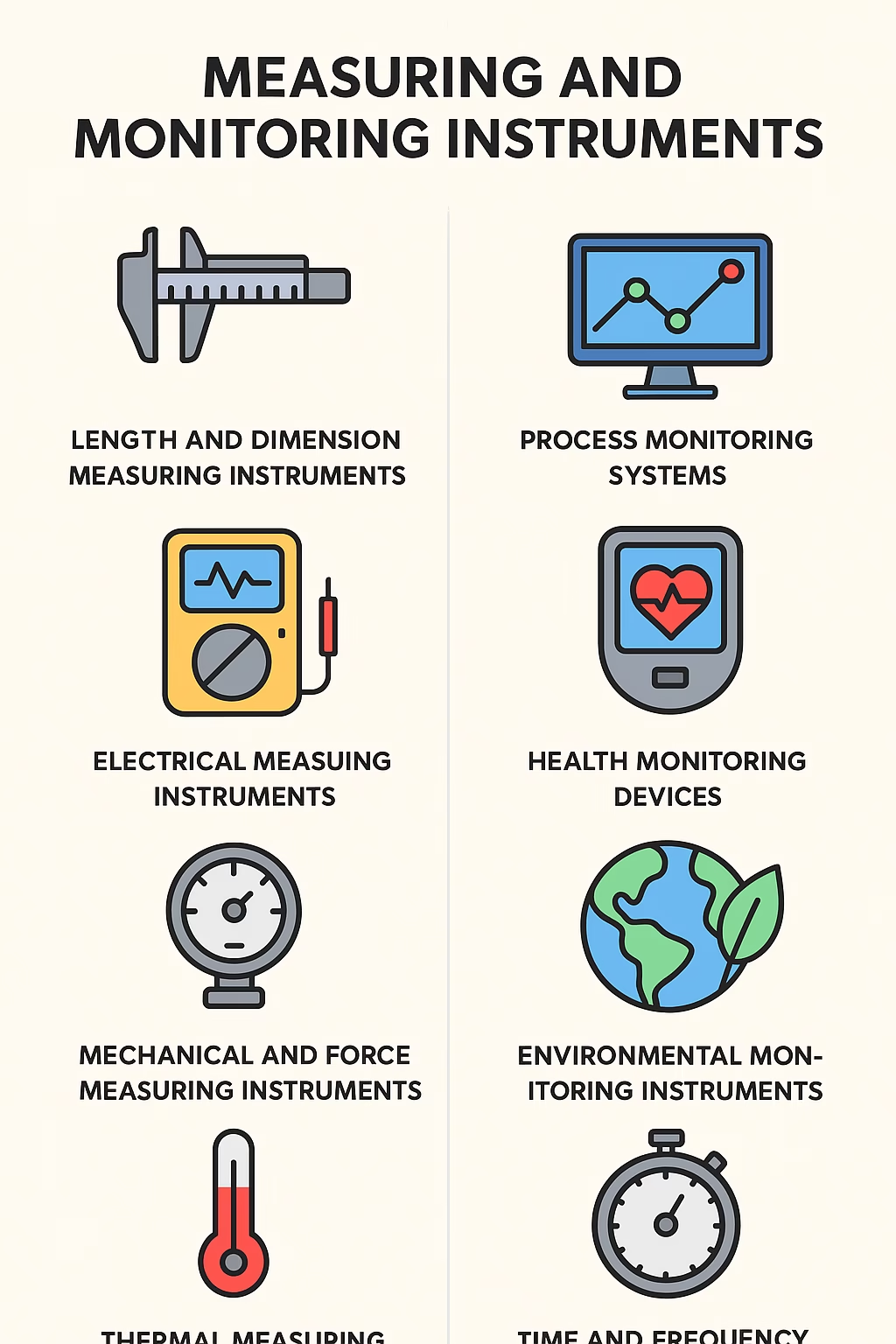
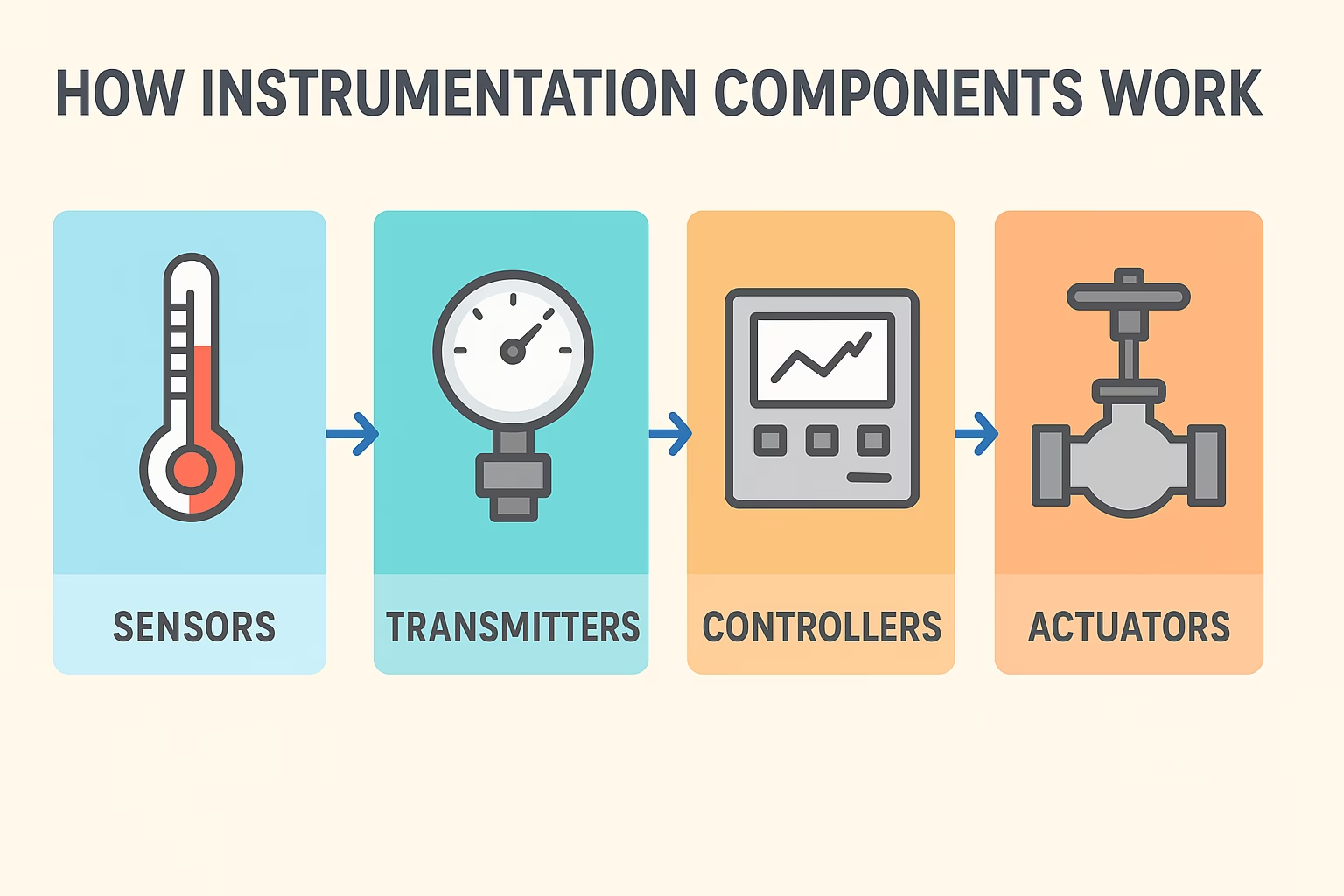
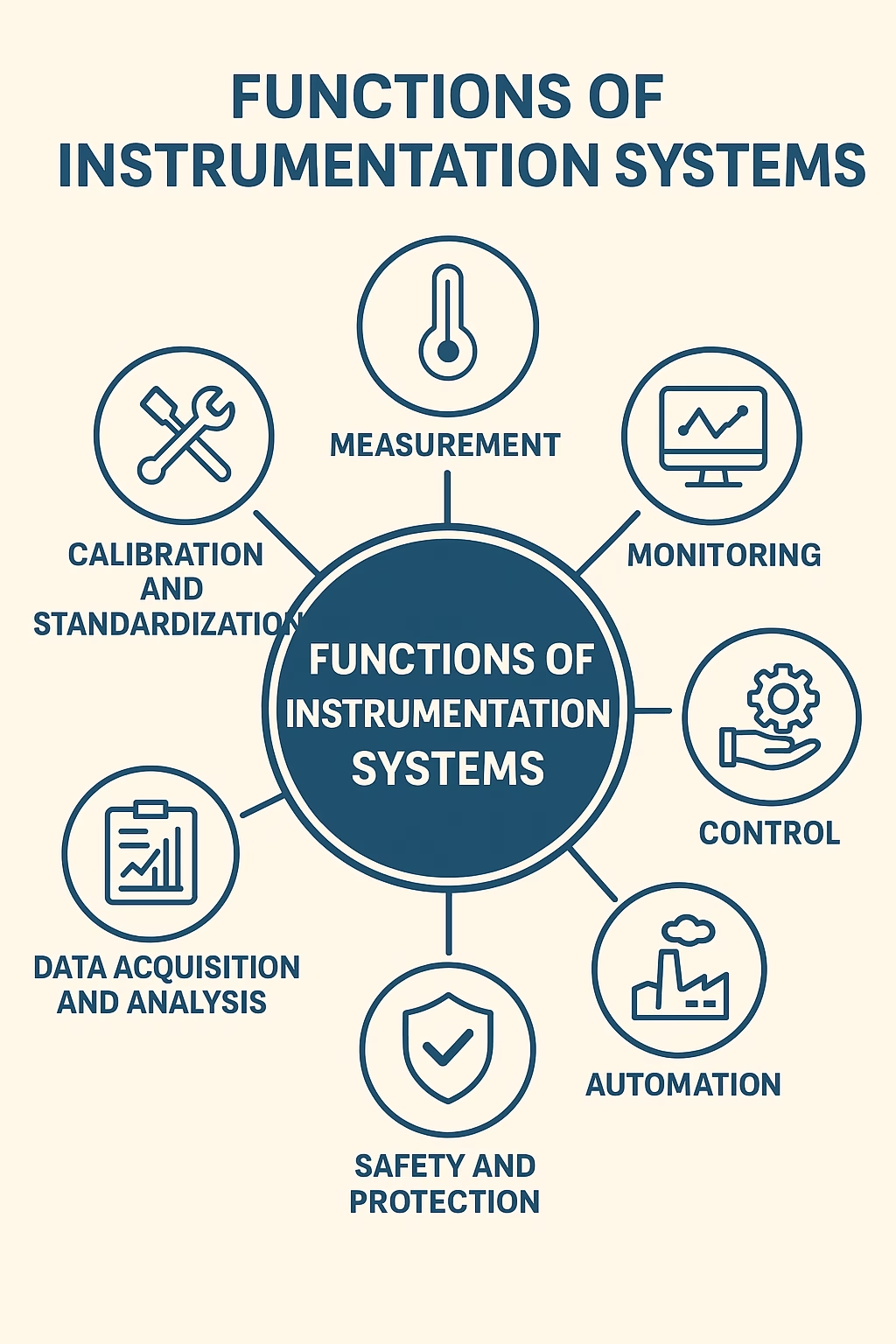
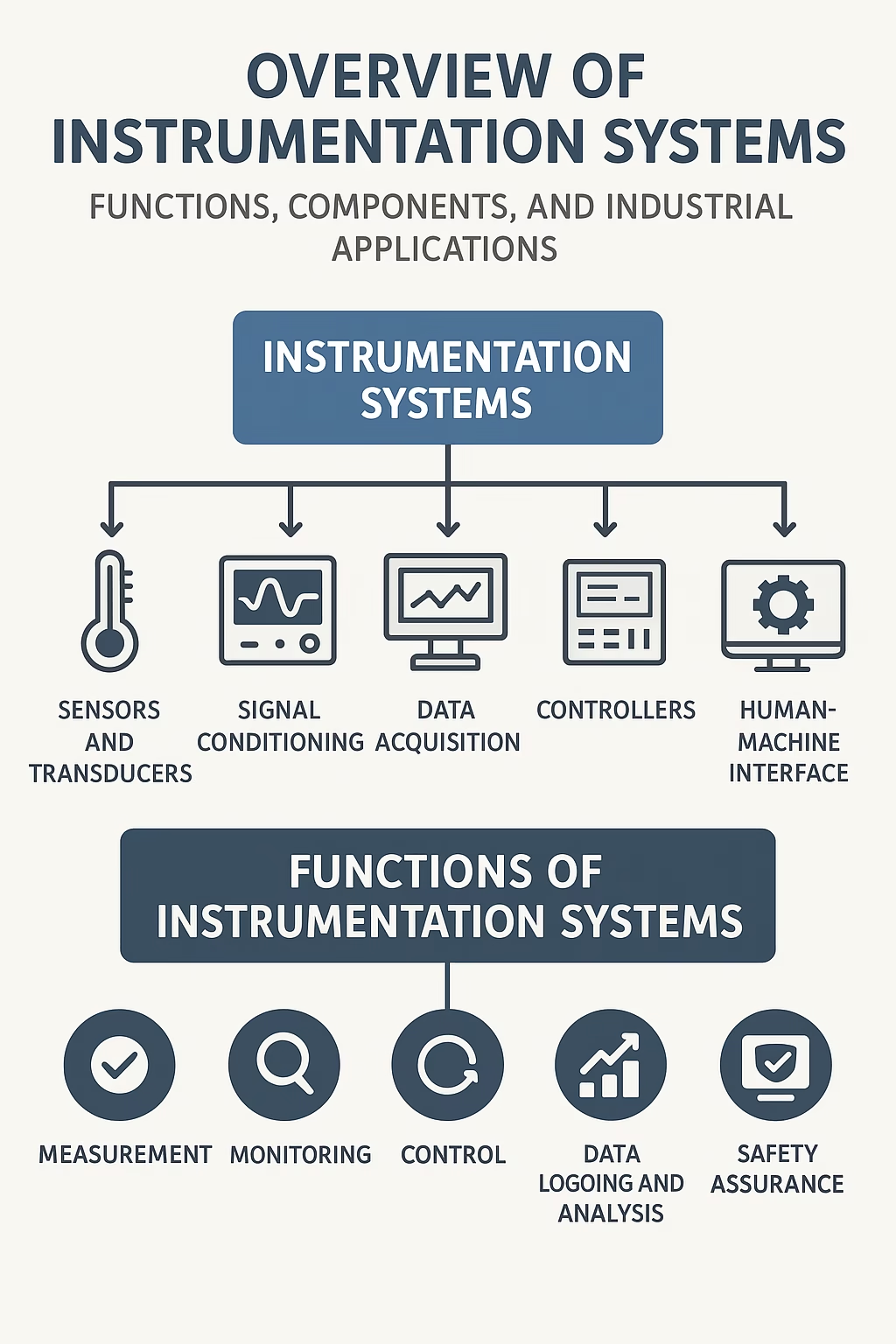
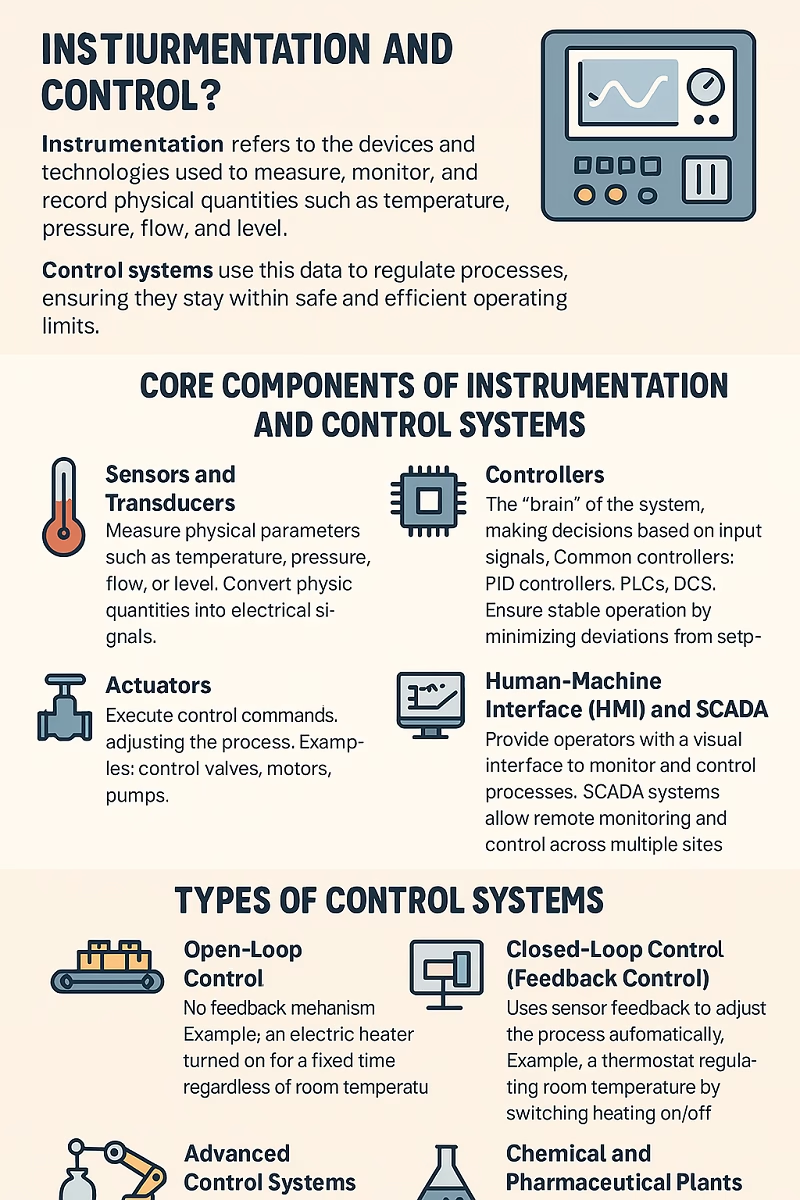
Instrumentation refers to the science and technology of measuring, monitoring, and controlling physical quantities such as temperature, pressure, flow, level, and electrical parameters. It involves various devices like sensors, transducers, indicators, recorders, and controllers.
The goal of instrumentation is to convert physical phenomena into measurable and meaningful data that can be monitored, analyzed, and used for decision-making or automation. In industrial applications, accurate instrumentation ensures that processes remain efficient, safe, and compliant with standards.
2. Key Principles of Instrumentation
Every measurement system operates based on certain fundamental principles. These ensure the results are accurate, repeatable, and consistent over time.
2.1 Principles of Instrumentation: Accuracy
Accuracy refers to how close a measurement is to the actual or true value. High accuracy ensures that measurements are trustworthy.
- Example: If the true temperature is 100°C and the instrument reads 99.9°C, it is highly accurate.
- Importance: In quality control, even small inaccuracies can lead to defective products or unsafe conditions.
2.2 Principles of Instrumentation: Precision
Precision measures the consistency of repeated measurements. An instrument can be precise but not accurate if it consistently gives the wrong value.
- Example: Measuring a weight five times and getting 49.8 kg every time when the actual weight is 50 kg.
- Importance: Precision ensures repeatability in experiments and industrial processes.
2.3 Principles of Instrumentation: Sensitivity
Sensitivity defines how much the output of an instrument changes in response to a change in the measured quantity.
- High sensitivity instruments can detect very small changes.
- Example: A digital thermometer that changes reading with a 0.01°C temperature shift.
2.4 Principles of Instrumentation: Linearity
Linearity refers to the degree to which the instrument’s output is directly proportional to the input across its range.
- Ideal linearity means a straight-line relationship between input and output.
- Importance: Non-linear instruments may require correction or calibration curves.
2.5 Range and Span
The range is the minimum and maximum values an instrument can measure. Span is the numerical difference between them.
- Example: A pressure gauge with a range of 0–100 psi has a span of 100 psi.
2.6 Resolution
Resolution is the smallest detectable change in the measured value.
- Example: A scale with a resolution of 0.1 g can detect weight changes as small as 0.1 g.
2.7 Response Time
This is the time an instrument takes to respond to a change in the measured quantity.
- Fast response times are critical in dynamic processes like chemical reactions.
2.8 Reliability and Stability
Reliability ensures that an instrument consistently performs well over time. Stability means that the instrument’s accuracy and precision do not degrade quickly.
3. The Role of Calibration in Instrumentation
Calibration is the process of comparing an instrument’s readings with a known reference standard and adjusting it to ensure accuracy.
- Why Calibration Matters:
- Compensates for wear and tear.
- Corrects drift in readings due to temperature or environmental changes.
- Ensures compliance with industry standards like ISO or IEC.
- Calibration Frequency:
- Depends on usage, environmental conditions, and criticality of measurements.
4. Factors Affecting Instrument Performance
Several factors can impact the accuracy and reliability of instrumentation systems:
- Environmental Conditions – Temperature, humidity, vibration, and electromagnetic interference can alter readings.
- Aging of Components – Mechanical wear and electronic drift can affect performance over time.
- Installation Errors – Poor mounting, incorrect wiring, or unsuitable location can lead to inaccurate results.
- Human Errors – Misreading scales or improper maintenance can compromise measurement quality.

5. Applications of Instrumentation Principles
Understanding the principles of instrumentation is crucial in various industries:
- Manufacturing – Quality control, automated assembly lines, and process optimization.
- Oil and Gas – Monitoring pressure, flow, and temperature in drilling and refining operations.
- Power Plants – Controlling turbines, boilers, and safety systems.
- Healthcare – Medical diagnostic devices such as ECG machines, infusion pumps, and imaging systems.
- Research Laboratories – Accurate data collection in physics, chemistry, and biology experiments.
6. Best Practices for Maintaining Instrument Performance
- Regular Calibration – Keep instruments aligned with standards.
- Environmental Protection – Use enclosures, shields, or climate control.
- Preventive Maintenance – Regular cleaning, lubrication, and inspection.
- Training Personnel – Ensure operators understand how to use and interpret measurements correctly.
7. Conclusion
The principles of instrumentation form the foundation of all measurement and control systems. By ensuring accuracy, precision, sensitivity, and reliability, these principles enable industries to operate efficiently and safely.
From manufacturing plants to hospitals, the correct application of these principles not only improves quality but also reduces waste, increases productivity, and ensures compliance with regulations.
Investing in high-quality instrumentation and proper maintenance is not an expense—it’s a commitment to precision and excellence.